
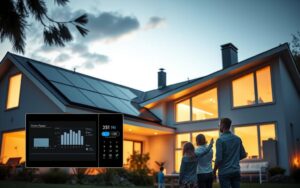
Did you know that homes in the U.S. use about 22% of all energy? This shows how crucial it is to make homes more energy-efficient. By using smart home solutions, people can cut down on energy bills. This also helps the planet and saves money.
This article will look at ways to make homes more energy-efficient. We’ll talk about using technology, doing energy audits, and finding green solutions. These steps help make homes cheaper to run and better for the environment.
What is Home Power Management?
Home power management is about making homes use less energy. It uses smart methods and tools to track how much energy is used. This helps find ways to save more energy and cut down on waste.
It’s all about making homes more energy-efficient. This not only helps the planet but also saves money for homeowners.
Understanding the Concept
Home power management is about looking at how energy is used in homes. Homeowners can use smart devices and tools to see how much energy they use. This helps them find ways to use less energy.
Benefits of Power Management
Using smart power management at home has many benefits. Homeowners can:
- Save money on utility bills by using less energy.
- Enjoy a more comfortable home.
- Have cleaner air inside their homes.
- Help the environment by using less energy.
Essential Components of a Power Management System
Modern power management systems have many parts that help save energy and support green living. These parts work together to make homes more energy-efficient and save the planet. Knowing what these components are helps homeowners make better choices about their energy use.
Smart Meters and Energy Monitors
Smart meters are key in managing home energy. They give real-time data on how much energy is used. This lets homeowners see their energy use, find patterns, and make it better.
With energy monitors, these devices show a full picture of a home’s power use. This helps find ways to save energy in a green way.
Home Automation Systems
Home automation systems help save energy by letting users control devices from anywhere. They can set up schedules for things like thermostats, lights, and shades. This makes homes more efficient and convenient.
It also means lower energy bills for homeowners. They save money while making their homes more comfortable.
Renewable Energy Integration
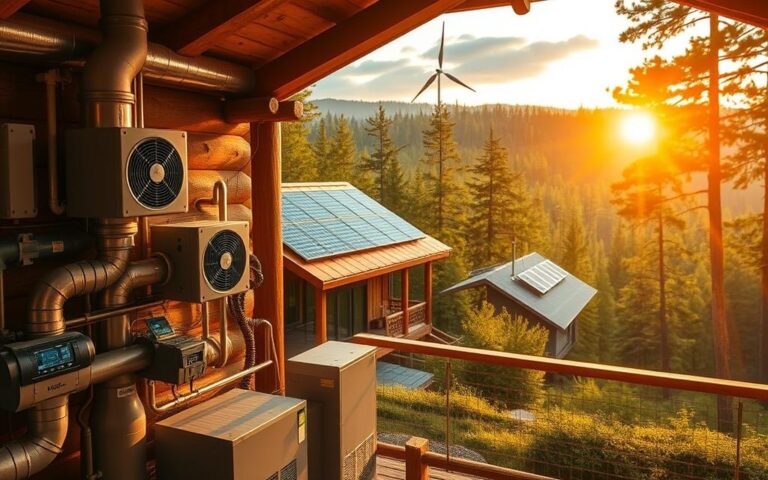
Adding renewable energy like solar panels makes systems more sustainable. It cuts down on the need for traditional energy, lowering carbon emissions. Using solar power or other green tech helps save energy and protect the planet.
Tips for Maximizing Energy Efficiency
Improving energy efficiency is key to saving money and helping the planet. Homeowners can make a big difference by checking their energy use and making smart choices. This leads to better energy saving.
Assessing Your Energy Usage
Begin with an energy audit. It helps spot where energy is lost, like old appliances or bad insulation. Watching your energy use shows patterns. This can help you change your habits and save energy.
Setting Energy-Saving Goals
Setting clear goals is important. Decide what you want to achieve, like using less energy or using it wisely during peak times. Having goals helps your family work together to save energy.
Utilizing Smart Devices
Add smart devices to your home to save energy. Things like smart thermostats, lights, and Samsung and LG appliances help control energy use. These tools make saving energy easier and help the planet.
The Role of Smart Grids in Home Power Management
Smart grids change how we manage electricity in our homes. They use advanced tech to improve how electricity is sent and received. This means homeowners get real-time data to use energy better and save.
How Smart Grids Work
Smart grids use smart meters and sensors to track energy use. They give homeowners updates on their energy use. This helps them make smart choices about energy.
By adding solar or wind power, smart grids make energy use more sustainable. This makes our energy system stronger and greener.
Advantages of Smart Grids
Smart grids do more than just make life easier. They help use more renewable energy, which is better for the planet. They also make power outages less likely by watching energy use closely.
Plus, smart grids help save a lot of energy. Homeowners can use energy wisely and save money on bills.
Choosing the Right Home Power Management System
Choosing the right home power management system is key for better smart home energy management. Many factors are important, like the system’s features, the brands and technologies, and user feedback.
Evaluating System Features
Look at features that make it easy to connect with your devices, support green energy, and are easy to use. Important features include real-time energy tracking, programmable settings for saving energy, and working well with smart homes.
Comparing Brands and Technologies
Compare different brands and technologies carefully. Choose well-known makers known for smart home energy solutions. Check if the technology can grow with your energy needs and if it’s good for the planet.
Reading User Reviews
User reviews are very helpful. They show how well systems work, last, and are reliable. Look for feedback on saving energy and overall happiness with the system.
Common Mistakes to Avoid in Power Management
Managing home power well is key to saving energy. Many people make mistakes that slow down their energy-saving efforts. Knowing these mistakes helps you avoid them and improve your home’s energy use.
Overlooking Energy Consumption Patterns
Many ignore their energy use patterns. This can hide where they’re wasting electricity. By watching how much energy you use, you can spot big users and change your habits.
This is a crucial step to cut down on energy waste. It helps you find and fix problems that waste electricity.
Neglecting Maintenance
People often forget to keep their HVAC systems and smart devices in good shape. Not doing this can make them work less well and cost more to run. Regular checks keep them running smoothly.
Even simple tasks like changing filters and cleaning ducts can make a big difference. They help your systems work better and save energy.
Ignoring Configuration Options
Smart energy systems have many settings to save energy. Not using these can mean missing out on ways to save. Learning about these settings helps you control your energy use better.
This knowledge lets you use your system to its fullest potential. It helps you save more energy and money.
| Mistake | Consequence | Solution |
|---|---|---|
| Overlooking energy patterns | Higher utility bills | Regularly review energy usage |
| Neglecting maintenance | Reduced system efficiency | Schedule routine checks |
| Ignoring configuration options | Wasted energy | Optimize system settings |
The Impact of Home Power Management on Sustainability
Home power management is key to a sustainable lifestyle. It helps cut down on daily energy use’s carbon footprint. By using eco-friendly energy-saving methods, homeowners can greatly reduce their environmental impact. This section looks at how systems that use renewable energy can help create a greener future.
Reducing Carbon Footprint
Using energy-efficient tech is crucial for lowering greenhouse gas emissions. Smart devices and homes designed to save energy can save a lot. For example, homes with smart thermostats and energy monitors see big drops in energy use.
This leads to a smaller carbon footprint. By focusing on sustainable home energy, families help make the air cleaner.
Encouraging Renewable Energy Use
Using renewable energy like solar panels and wind turbines boosts home sustainability. These sources offer clean power, reducing fossil fuel use. Adding these to home power systems makes saving energy eco-friendly.
It encourages homeowners to switch to cleaner electricity. Teaching them about renewable energy’s benefits speeds up this change.
Financial Incentives and Rebates for Home Power Management
Homeowners looking to save energy can get help from many financial incentives and rebates. These programs are offered by both the federal and state governments. They provide tax credits, rebates, and grants for energy-efficient upgrades. Knowing about these incentives helps make smart choices and saves money in the long run.
Federal and State Programs
Many federal and state programs reward homeowners for using less energy. These initiatives often give:
- Tax credits for solar panels.
- Rebates for energy-saving appliances.
- Grants for making homes more energy-efficient.
Utility Company Offers
Utility companies also want to help homeowners use less energy. They offer financial incentives for joining demand-response programs. These programs help lower energy use during busy times. Offers include:
- Cash back for smart thermostats.
- Discounts for energy-saving lights.
- Special rates for using electricity at off-peak times.
Future Trends in Home Power Management
The future of home power management is changing fast. New technologies like artificial intelligence and machine learning will help us use energy better. These systems will make our homes more efficient and help us save money.
Homeowners will soon be able to make better choices about energy use. They’ll get insights that help them use less power. This is thanks to smart home technology.
People want to live in a way that’s good for the planet. They want to use less energy and save money at the same time. Thanks to new tech, it’s getting easier to do this without giving up comfort.
Soon, we’ll have even more tools to help us save energy. These tools will use data to show us how to use less power. This will make our homes more sustainable and efficient.