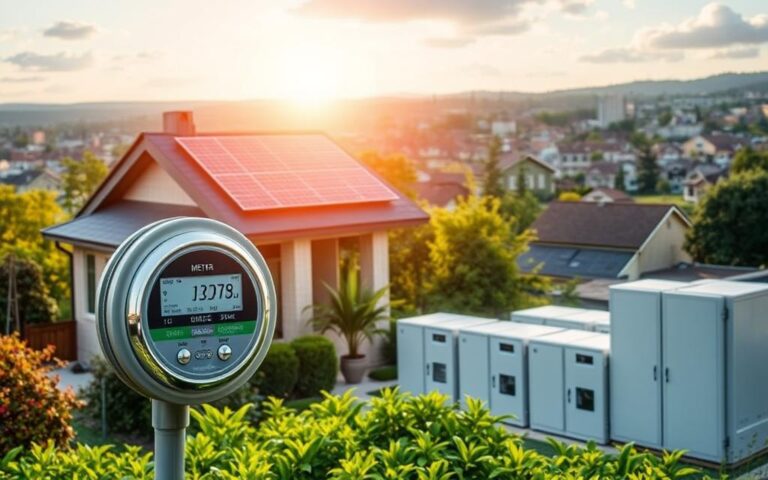


Did you know that about 70% of the energy used in a typical U.S. home goes to heating and cooling? This shows how important it is to find new ways to save energy. Off-grid home systems, especially smart HVAC systems, help homeowners save energy and stay comfortable all year.
Smart HVAC systems use the latest technology to cut down on energy costs and help the environment. They use real-time data and smart algorithms to work best for you. Choosing an off-grid lifestyle with smart HVAC technology makes your home more comfortable and supports sustainability.
Understanding Smart HVAC Systems
Smart HVAC systems are a big step forward in controlling home temperatures. They use Internet of Things (IoT) tech for better monitoring and adjustments. This makes homes more energy-efficient and comfortable.
What Does a Smart HVAC System Do?
Smart HVAC systems change how we heat and cool our homes. They let you control the temperature from your phone or tablet. This way, you can make your home cozy when you’re there and save energy when you’re not.
The Benefits of Smart HVAC Systems
Smart HVAC tech brings many benefits:
- Enhanced Comfort: You can set your own temperature preferences, making your home just right for you.
- Energy Efficiency: These systems can cut energy costs by up to 15%, saving you money on bills.
- Remote Monitoring: You can adjust the temperature from anywhere, keeping your home comfy all the time.
- Integration with Smart Home Devices: They work well with other smart home gadgets, making your life easier and more connected.
Components of Smart HVAC Systems
Smart HVAC systems have several key parts that make them efficient and comfortable. Knowing these parts helps us see how they work well in modern homes.
Smart Thermostats
Smart thermostats are key for controlling home temperatures. They let users change settings from their phones. These devices learn what you like and adjust on their own.
They also track energy use and can adjust based on where you are. This helps save energy and keeps your home comfy.
Sensors and Data Collection
Sensors are vital for smart HVAC systems. They check air quality and temperature constantly. This info helps the thermostat make smart choices about heating and cooling.
With advanced sensors, the system can quickly adjust to changes. This makes your home more comfortable and efficient.
Zoning Systems
Zoning systems let different areas of your home be heated or cooled separately. This means you can save energy by only heating or cooling where you need it. It also lets everyone in your home be comfortable at their own level.
Assessing Your HVAC Needs
First, check how your current HVAC setup is doing. Look for any inefficiencies that might be costing you money. This step helps you find problems and choose better heating and cooling options.
Evaluating Existing HVAC Systems
Start by collecting data on your HVAC’s performance. Notice where your home’s temperature is off. If repairs are common, your system might be old or broken. High energy bills mean your system is not working well.
By looking at these signs, you can tell if your current units are enough for your energy needs.
Identifying Efficiency Gaps
Find ways to make your system better with targeted upgrades. New, energy-saving systems can cut down on bills and make your home more comfortable. Using advanced controls lets you adjust your home’s temperature easily.
Spotting these areas for improvement helps you choose the right upgrades for your home.
| HVAC System Aspect | Signs of Inefficiency | Upgrade Options |
|---|---|---|
| Temperature Consistency | Drafts or hot/cold spots | Energy-efficient heating and cooling systems |
| Repair Frequency | Frequent breakdowns | Advanced HVAC controls |
| Energy Costs | High monthly bills | Smart thermostat implementation |
Choosing the Right Smart HVAC System
Finding the perfect smart HVAC system means understanding your options well. Homeowners can look into smart thermostats, variable-speed HVAC systems, and energy recovery ventilators (ERVs). Each offers special benefits for managing energy and controlling the climate.
Options for Smart HVAC Technology
Smart HVAC technology comes in many forms, meeting different needs and preferences. You might consider:
- Smart Thermostats: These devices learn your habits to save energy and make your home more comfortable.
- Variable-Speed HVAC Systems: They adjust their power based on your needs, saving energy and making less noise.
- Energy Recovery Ventilators (ERVs): These systems improve indoor air quality by exchanging stale air for fresh, saving energy in the process.
Customizing Your Smart Setup
Customization is key to a smart and eco-friendly climate control system. Think about your energy use and your home’s layout. You can customize by:
- Adding more sensors for better monitoring.
- Setting up zoning systems for precise temperature control.
- Picking energy-saving models that are good for the environment.
Implementing Smart Controls
Smart HVAC systems are changing how we control our homes’ climates. With these systems, you can adjust your home’s temperature from anywhere using your phone. This makes your home more comfortable and energy-efficient.
Remote Management via Apps
Mobile apps let you easily control your HVAC system. You can change the temperature, see how much energy you’re using, and get alerts about your system’s status. This makes it easy to keep your home just right, no matter where you are.
Voice Commands and Integration
Connecting your HVAC system with digital assistants like Amazon Alexa or Google Assistant adds more convenience. You can control your home’s temperature with just your voice. This makes managing your home’s climate even easier and more efficient.
Predictive Maintenance Features
Automated HVAC systems have advanced predictive maintenance features. These features make systems more reliable and efficient. They help homeowners keep their systems in top shape, ensuring energy-efficient heating and cooling.
Monitoring System Health
Keeping an eye on system health is key for automated HVAC systems. They use sensors to track performance all the time. Users get updates on their system’s status, helping spot issues early.
Alerts and Notifications
Alerts and notifications are crucial for HVAC systems. Users get alerts for tasks like filter changes or mechanical faults. This proactive approach saves on repair costs and extends system life, making homes more sustainable.
Financial Considerations
When looking at smart HVAC systems, it’s key to think about the money side. The first cost might seem high, but looking closely shows big savings over time. These systems can cut down on energy bills and make homes more comfortable.
Cost vs. Savings Analysis
Smart HVAC systems cost more upfront than old ones. But, the long-term savings are big. People often see their energy bills drop by 15% or more each year.
This drop comes from better efficiency and smart energy use. Thinking about the whole cost, including monthly savings, makes the initial cost worth it.
Incentives for Smart HVAC Implementation
There are many reasons to get smart HVAC systems. Local governments and power companies offer rebates and tax credits for energy-saving upgrades. These help lower the cost of starting up a smart HVAC system.
Homeowners should check out these programs. They make switching to smart HVAC systems more attractive.
| Type of Cost | Initial Investment | Annual Savings | Incentives |
|---|---|---|---|
| Traditional HVAC System | $4,000 – $8,000 | $1,000 | None |
| Smart HVAC System | $6,000 – $12,000 | $1,500 – $2,000 | Rebates up to $1,500 |
Common Challenges with Smart HVAC Systems
Smart HVAC systems offer many benefits to homeowners. Yet, they also come with challenges. One big issue is the complexity of setting them up. This can be tough, especially if you’re not tech-savvy.
Getting these systems right is key to their performance. Without the right help, setting them up can be frustrating.
Initial Setup Complexity
Setting up smart HVAC systems can be complicated. They need to work with other smart devices in your home. This means checking if they’re compatible and making network changes if needed.
If you’re not good with technology, this can be overwhelming. It might make you feel stuck during the setup.
Data Security Concerns
Smart HVAC systems have connected devices. This raises security concerns. There’s a risk of hackers getting into your system and accessing your personal data.
To keep your system safe, you need to take steps. This includes updating software regularly and using strong passwords. These actions help protect your system from security threats.
The Future of Smart HVAC Systems
Smart HVAC systems are on the verge of a big change, thanks to new tech. As smart homes become more common, we’ll see HVAC systems that are smarter and more personal. They will learn our habits and make our homes more comfortable while saving energy.
Technological Innovations on the Horizon
Expect smart HVAC tech to get even better, making homes greener and more efficient. New features will use weather forecasts and our habits to work better. Also, companies are making their products more eco-friendly, showing they care about our planet and want to save energy.
Expanding Smart Home Integration
Smart HVAC systems will soon work better with other smart home devices. They’ll connect with lights, cameras, and appliances, making our homes smarter. This will make our lives easier and help us save energy. As more people use these technologies, our homes will become more sustainable and comfortable.