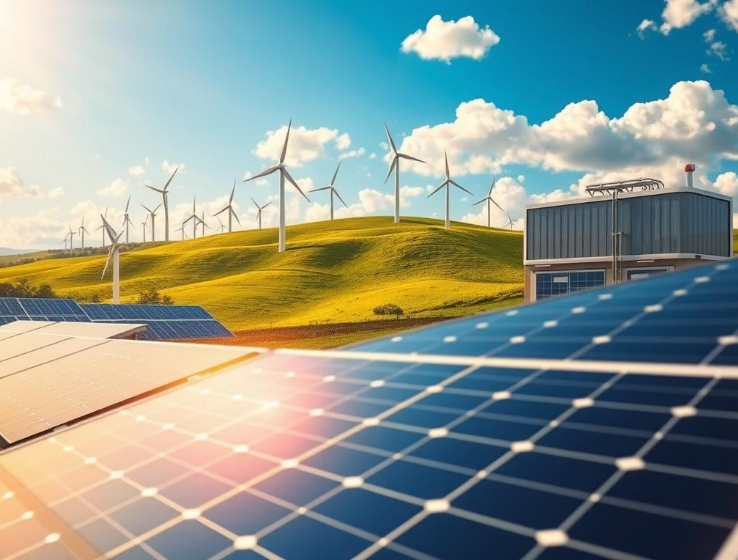

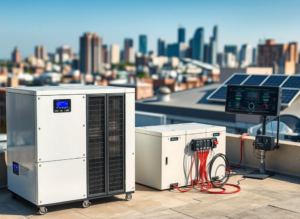
In the United States, a stunning 64% of electricity generated is lost during transmission and distribution, highlighting the critical need for distributed energy resources that bring power generation closer to consumers. The energy landscape is undergoing a transformative shift toward decentralized power systems that empower communities and individual households.
Decentralized energy technologies are rapidly changing how Americans think about electricity. By leveraging innovative solutions like solar panels, small wind turbines, and advanced battery storage, communities can achieve unprecedented energy independence. These technologies are no longer futuristic concepts but practical, affordable alternatives to traditional centralized power generation.
States like California, Texas, and Hawaii are pioneering this energy revolution. Federal incentives such as the Investment Tax Credit (ITC) have made distributed energy resources more accessible than ever before. Homeowners and businesses can now generate their own clean, reliable electricity while reducing carbon footprints and increasing grid resilience.
The dramatic 90% drop in solar panel prices since 2010 has been a game-changer. This price reduction, combined with advanced storage technologies, enables everyday Americans to take control of their energy production and consumption like never before.
Understanding the Shift Toward Decentralized Power Systems
The electrical grid is undergoing a revolutionary transformation. Traditional centralized power generation, which relied on massive fossil fuel plants transmitting electricity across long distances, is giving way to more dynamic renewable energy systems. Local power generation is emerging as a game-changing approach to meeting energy needs.
Several key factors are driving this significant shift:
- Reduced transmission losses
- Enhanced energy resilience
- Lower environmental impact
- Increased consumer control
Renewable energy systems are becoming increasingly cost-effective. Solar and wind technologies have dramatically reduced installation costs, making local power generation more accessible than ever. The levelized cost of energy for these technologies now competes directly with traditional fossil fuel sources in many US markets.
Technological innovations are accelerating this transition. Smart grid technologies, advanced battery storage, and sophisticated energy management tools enable communities to generate, store, and distribute electricity more efficiently. States like California and New York are leading the way with progressive policies supporting distributed energy resources.
The future of energy is local, sustainable, and community-driven.
By embracing decentralized power systems, communities can achieve greater energy independence, reduce carbon emissions, and create local economic opportunities. The shift represents not just a technological upgrade but a fundamental reimagining of how we produce and consume electricity.
Solar Photovoltaic Solutions for Local Energy Independence
Solar photovoltaic technology has revolutionized residential energy systems, offering homeowners unprecedented opportunities for clean and sustainable power generation. The dramatic reduction in solar panel costs has transformed these off-grid power solutions from a luxury to an accessible energy alternative for many Americans.
Modern solar technologies provide versatile options for generating electricity directly from sunlight. Photovoltaic systems convert solar energy through semiconductor materials, creating a reliable and environmentally friendly power source for residential and community applications.
Rooftop Solar Panel Installations
Residential solar installations have become increasingly popular, with typical home systems ranging from 5-10 kilowatts. Homeowners can choose from multiple financing options:
- Direct purchase
- Solar loans
- Leasing arrangements
- Power purchase agreements (PPAs)
Community Solar Gardens and Shared Systems
For residents unable to install personal solar panels, community solar gardens provide innovative off-grid power solutions. These shared systems allow renters, condo owners, and those with unsuitable roof structures to participate in solar energy generation.
Portable and Off-Grid Solar Applications
Solar technology extends beyond residential installations. Portable solar generators and panels now support various applications:
- RV and boat power systems
- Emergency backup power
- Remote cabin electricity
- Disaster relief operations
Emerging solar technologies continue to expand the potential of residential energy systems, making sustainable power more accessible and affordable for diverse communities across the United States.
Wind Energy Technologies at Small and Medium Scale
Wind energy represents a powerful frontier in small-scale renewable energy solutions. Microgeneration technologies have revolutionized how individual properties and communities can harness wind power, transforming traditional energy consumption models.
Small wind turbines offer remarkable potential for decentralized power generation. These systems typically range from 1 to 100 kilowatts, making them ideal for residential, agricultural, and small commercial applications.
- Horizontal-axis wind turbines (HAWTs) provide maximum efficiency
- Vertical-axis wind turbines (VAWTs) excel in urban and turbulent environments
- Installation costs range between $3,000-$8,000 per kilowatt
Different wind turbine designs cater to specific geographic conditions. The Great Plains states offer exceptional wind resources, while mountain and Midwestern regions demonstrate significant potential for small-scale renewable energy generation.
| Turbine Type | Power Output | Best Application |
|---|---|---|
| Residential HAWT | 1-10 kW | Home energy offset |
| Agricultural VAWT | 10-50 kW | Farm power supplement |
| Community Wind | 50-100 kW | Shared local generation |
Modern microgeneration technologies address previous challenges like noise and wildlife impacts. Contemporary small wind turbines operate at just 45-55 decibels, making them increasingly neighborhood-friendly.
Strategic site assessment remains crucial for successful wind energy implementation. Factors like average wind speed, local zoning regulations, and terrain significantly influence system performance and feasibility.
Battery Storage Systems That Enable Energy Autonomy
Energy storage solutions have revolutionized the way we think about power generation and consumption. As renewable energy sources become increasingly prevalent, battery technologies provide critical energy resilience for homes and businesses across the United States.
Lithium-Ion and Alternative Battery Technologies
Modern battery technologies have transformed energy storage capabilities. Lithium-ion batteries dominate the market, offering impressive performance characteristics:
- High energy density
- Rapid charging capabilities
- Long operational lifespan
- Efficient power conversion
Home Energy Storage Solutions
Residential battery systems now provide homeowners unprecedented control over their energy consumption. These compact units allow families to:
- Store excess solar energy
- Reduce electricity bills
- Maintain power during grid outages
Grid-Interactive Storage Systems
Advanced energy storage solutions are creating intelligent connections between individual homes and broader electrical networks. These innovative systems enable:
| Storage Function | Grid Benefit |
|---|---|
| Peak Demand Management | Reduced Grid Strain |
| Emergency Backup | Enhanced Power Reliability |
| Renewable Integration | Stabilized Energy Supply |
As energy storage technologies continue advancing, consumers can expect increasingly sophisticated and affordable solutions that enhance personal and community energy resilience.
Decentralized Affordable Energy Technologies for Rural and Urban Communities
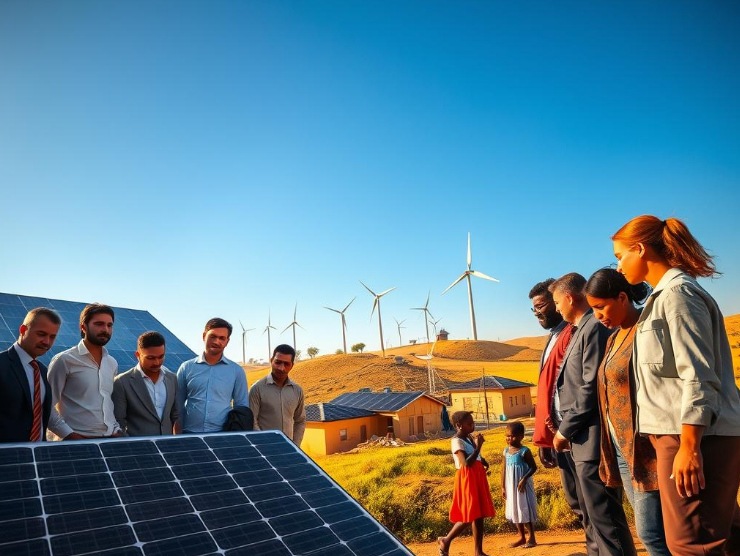
Community energy projects are transforming how rural and urban areas approach power generation. Cost-effective energy systems are breaking traditional barriers of electricity distribution, empowering local communities to take control of their energy infrastructure.
Rural communities face unique challenges in power generation. Distant from centralized power plants, these areas require innovative solutions that address:
- High transmission infrastructure costs
- Vulnerability to electrical grid disruptions
- Limited access to renewable energy options
Innovative approaches are emerging across different regions. Agricultural operations in Midwestern states like Nebraska and Iowa are installing solar arrays and wind turbines to power irrigation systems. Rural electric cooperatives are developing community solar projects that provide renewable energy alternatives.
“Decentralized energy technologies are not just about power generation—they’re about community empowerment.” – Renewable Energy Expert
Urban environments present different challenges, including limited installation space and complex building configurations. Rooftop solar installations, community solar programs, and integrated photovoltaic solutions are creating opportunities for city residents to participate in sustainable energy production.
Key strategies for implementing community energy projects include:
- Developing inclusive financing mechanisms
- Creating no-upfront-cost solar programs
- Supporting nonprofit renewable energy initiatives
By focusing on cost-effective energy systems, communities can build resilient, sustainable power infrastructure that meets local needs while reducing environmental impact.
Micro-Hydropower and Small-Scale Hydroelectric Systems
Sustainable energy technologies are revolutionizing power generation through distributed energy resources, with micro-hydropower emerging as a promising solution for localized electricity production. These small-scale hydroelectric systems offer a unique approach to renewable energy that can provide consistent power for rural and remote communities.
Small-scale hydropower represents an innovative approach to generating electricity using water resources. Unlike massive dam projects, these systems minimize environmental impact while delivering reliable renewable energy.
Run-of-River Hydropower Options
Run-of-river hydropower technologies leverage natural water flow without significant water storage. These systems utilize several key components to generate electricity:
- Intake structures that channel water
- Penstocks for water redirection
- Specialized turbines matching water conditions
- Generators for electricity conversion
Pico-Hydro Systems for Individual Properties
Pico-hydro systems represent the smallest scale of distributed energy resources, typically generating under 5 kW of power. These compact systems can provide electricity for individual homes and remote properties with minimal infrastructure requirements.
| System Type | Power Output | Typical Cost Range |
|---|---|---|
| Residential Pico-Hydro | 1-5 kW | $5,000-$20,000 |
| Small Community System | 5-100 kW | $20,000-$100,000 |
Property owners interested in sustainable energy technologies can implement these systems in regions with consistent water flow, particularly in mountainous or rural areas with suitable stream conditions.
Biomass and Biogas Technologies for Distributed Generation
Clean energy solutions are transforming how communities generate power through innovative biomass and biogas technologies. These renewable energy systems convert organic materials into electricity, heat, and fuel, offering sustainable alternatives to traditional fossil fuel generation.
Biomass technologies leverage organic materials from agricultural and forestry waste to create energy. Farms and lumber operations can transform crop residues and wood waste into valuable power sources. The process involves several key technologies:
- Direct combustion systems burning wood chips
- Gasification converting solid biomass into synthetic gas
- Combined heat and power (CHP) systems
Biogas represents another powerful clean energy solution. Through anaerobic digestion, bacteria break down organic matter in oxygen-free environments, producing methane-rich gas. Dairy farms, wastewater treatment plants, and landfills are prime candidates for biogas generation.
| Technology | Primary Feedstock | Energy Output |
|---|---|---|
| Biomass Combustion | Wood Chips, Crop Residues | Heat and Electricity |
| Biogas Digestion | Manure, Organic Waste | Methane Gas, Electricity |
These renewable energy systems offer multiple benefits, including waste management, reduced greenhouse gas emissions, and potential revenue streams through energy credits. While initial investments can be significant, long-term sustainability and environmental advantages make biomass and biogas compelling clean energy solutions for diverse communities.
Smart Grid Integration and Energy Management Tools
Grid modernization represents a revolutionary approach to electricity infrastructure, transforming traditional power systems into intelligent, responsive networks. Energy resilience has become a critical priority for communities seeking to create more reliable and adaptive electrical grids.
Modern energy management tools are reshaping how electricity is generated, distributed, and consumed. The traditional one-way power flow model is rapidly evolving into a dynamic, interactive system that empowers consumers and increases overall grid efficiency.
Microgrids and Local Distribution Networks
Microgrids represent a breakthrough in localized power management. These sophisticated systems can:
- Disconnect from the main electrical grid during emergencies
- Generate power through local renewable sources
- Provide continuous electricity to critical infrastructure
- Enhance community energy resilience
Demand Response and Load Management Technologies
Advanced technologies are enabling smarter energy consumption patterns. Innovative solutions include:
- Smart thermostats that optimize heating and cooling
- Electric vehicle charging management systems
- Real-time energy consumption monitoring
- Automated load balancing mechanisms
These technologies not only reduce electricity costs but also support grid modernization by creating more flexible and responsive energy ecosystems. By intelligently managing power distribution, communities can achieve greater energy independence and sustainability.
Conclusion
The landscape of energy production in the United States is undergoing a profound transformation. Decentralized affordable energy technologies are reshaping how Americans generate, store, and consume power. From rooftop solar panels in California to wind turbines in Texas, communities are embracing local energy solutions that offer greater independence and sustainability.
Solar photovoltaic systems, wind energy technologies, battery storage, and innovative biogas solutions represent more than just alternative energy sources. They embody a strategic shift toward resilient, flexible power generation. The economic and environmental benefits of these decentralized affordable energy technologies extend far beyond individual households, creating opportunities for local job creation and reducing carbon footprints across diverse regions.
Technological advancements continue to drive down costs and improve efficiency. Smart grid integration and energy management tools are making these distributed energy systems more accessible and practical for urban and rural communities alike. As policy support grows and public awareness increases, the momentum behind decentralized energy solutions becomes increasingly unstoppable.
Looking forward, the energy landscape will be defined by local empowerment, technological innovation, and a commitment to sustainable power generation. Americans have an unprecedented opportunity to participate in this energy revolution, transforming how we think about electricity production and consumption. The future of energy is local, clean, and increasingly within our control.
FAQ
What are decentralized energy technologies?
Decentralized energy technologies are power generation systems that produce electricity close to the point of use, moving away from large centralized power plants. These include solar panels, small wind turbines, battery storage systems, and microgrids that enable homeowners, businesses, and communities to generate their own electricity independently.
How much can I save by installing solar panels?
Savings vary by location, but homeowners can typically reduce electricity bills by 70-100% with a properly sized solar installation. The average payback period is 6-10 years, with potential savings of $10,000-$30,000 over the system’s 25-30 year lifetime, depending on local electricity rates and solar resources.
Are battery storage systems worth the investment?
Battery storage systems provide multiple benefits, including energy independence, backup power during outages, and potential savings through time-of-use rate optimization. With falling costs and increasing grid instability, many homeowners find battery storage increasingly cost-effective, especially in areas with frequent power interruptions or high electricity rates.
Can I use renewable energy if I rent or live in an apartment?
Yes! Community solar programs allow renters and apartment dwellers to subscribe to off-site solar installations. Many states now offer virtual net metering, enabling you to receive credit for solar energy generated elsewhere, making renewable energy accessible to those without suitable roof space or property ownership.
What government incentives exist for renewable energy?
The federal Investment Tax Credit (ITC) offers a 30% tax credit for solar installations, with additional state and local incentives available. Many states provide net metering, property tax exemptions, and direct rebates for renewable energy systems, making clean energy more affordable for homeowners and businesses.
How reliable are small-scale wind turbines?
Modern small wind turbines are surprisingly reliable, with manufacturers like Bergey Windpower offering systems that can operate for 20+ years with minimal maintenance. Performance depends on local wind resources, with the Great Plains and Midwest offering optimal conditions for wind energy generation.
What is a microgrid?
A microgrid is a localized energy system that can disconnect from the traditional electrical grid and operate autonomously. It typically combines local power generation (solar, wind, etc.), energy storage, and intelligent control systems to provide reliable power during outages or grid disruptions.
Can renewable energy work in areas with limited sunlight?
Yes! Even regions with less consistent sunlight can benefit from solar and other renewable technologies. States like Minnesota and Massachusetts have successful solar programs, demonstrating that innovative design and appropriate system sizing can make renewable energy viable in various climates.
How do I get started with decentralized energy?
Begin by assessing your energy needs and local resources. Consider a free solar assessment, explore community solar options, or start with small investments like portable solar chargers. Consult local renewable energy installers and check databases like DSIRE for available incentives in your area.
What are the environmental benefits of decentralized energy?
Decentralized energy technologies significantly reduce carbon emissions, decrease reliance on fossil fuels, and minimize transmission losses. They support local ecosystems, reduce air pollution, and contribute to climate change mitigation by generating clean, renewable energy directly where it’s consumed.