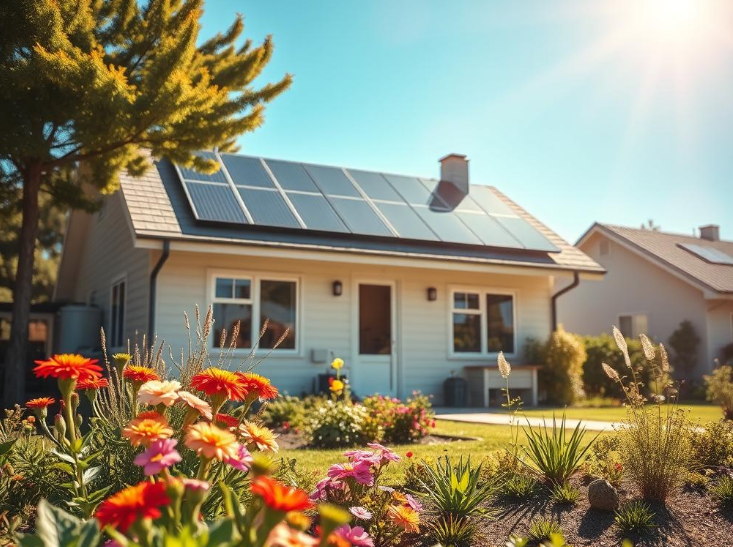


Did you know the average American household spends approximately $2,000 annually on energy bills? This startling statistic highlights the urgent need for budget friendly energy technology that can dramatically reduce monthly expenses.
Affordable renewable solutions are no longer a luxury reserved for tech enthusiasts or wealthy homeowners. Today, innovative energy technologies offer practical ways to cut utility costs without breaking the bank. Families across the United States can now access smart, cost-effective strategies to manage their energy consumption.
From solar panels to intelligent home devices, modern energy technologies provide homeowners with powerful tools to take control of their monthly bills. These solutions are designed to be accessible, scalable, and adaptable to different budget constraints and living situations.
This comprehensive guide will explore multiple affordable renewable solutions that can help you transform your home into an energy-efficient powerhouse. We’ll dive into practical technologies, smart strategies, and budget-conscious approaches that make reducing energy costs easier than ever before.
Whether you’re a homeowner looking to trim expenses or an environmentally conscious consumer seeking sustainable options, these budget friendly energy technologies offer a pathway to significant savings and reduced environmental impact.
Introduction to Budget-Friendly Energy Technologies
Budget friendly energy technology has transformed how homeowners approach energy consumption. These innovative solutions are no longer reserved for wealthy individuals but have become accessible to everyone seeking to reduce monthly utility expenses.
Modern energy technologies offer remarkable opportunities for cost-effective solutions. The evolution of renewable and efficient technologies has dramatically decreased installation and maintenance costs, making them attractive investments for average households.
- Reduced manufacturing expenses
- Increased market competition
- Advanced technological innovations
Understanding the concept of total cost of ownership is crucial when evaluating budget friendly energy technology. These technologies aren’t just about initial purchase prices but about long-term financial and environmental benefits.
| Technology | Average Initial Cost | Annual Savings |
|---|---|---|
| Solar Panels | $15,000 | $1,500 |
| Smart Thermostats | $250 | $180 |
| LED Lighting | $100 | $75 |
Homeowners can now embrace energy-efficient solutions that simultaneously reduce carbon footprints and generate significant financial savings. The convergence of technological advancement and environmental consciousness has made budget friendly energy technology a smart choice for modern households.
Benefits of Renewable Energy Sources
Renewable energy has transformed from an experimental concept to a practical solution for homeowners seeking affordable renewable solutions. The landscape of energy production is shifting, offering innovative ways to reduce monthly utility expenses while supporting environmental sustainability.
Exploring renewable energy options provides multiple pathways to lower energy costs and increase household efficiency. Homeowners can now select from several accessible technologies that deliver significant financial and environmental advantages.
Solar Energy: A Cost-Effective Solution
Solar technology has experienced dramatic cost reductions, making residential installations increasingly attractive. Modern solar options include:
- Full rooftop solar panel systems
- Solar water heaters
- Portable solar chargers
- Small-scale panel installations
Wind Power: Harnessing Natural Forces
Low-cost wind power has emerged as an exciting alternative for properties with adequate wind resources. Homeowners can explore:
- Residential wind turbines
- Community wind projects
- Small-scale wind energy systems
Geothermal Energy: Stability and Savings
Ground-source heat pumps leverage stable underground temperatures, providing highly efficient heating and cooling solutions. These systems offer long-term savings despite moderate initial installation costs.
| Renewable Source | Initial Cost | Annual Savings | Payback Period |
|---|---|---|---|
| Solar Panels | $15,000 – $25,000 | $1,200 – $1,500 | 10-15 years |
| Wind Turbine | $10,000 – $70,000 | $800 – $1,200 | 6-12 years |
| Geothermal | $10,000 – $25,000 | $500 – $1,500 | 5-10 years |
Selecting the right renewable energy solution depends on individual property characteristics, local climate, and specific energy requirements. Careful assessment helps homeowners maximize their investment in sustainable energy technologies.
The Role of Energy Efficiency in Reducing Bills
Energy efficiency represents a powerful strategy for slashing household expenses. By focusing on intelligent consumption and smart technologies, homeowners can significantly reduce their monthly utility bills without sacrificing comfort.
Reducing energy consumption goes beyond simple cost-cutting. It’s about creating a smarter, more responsive home environment that adapts to your specific needs while minimizing waste.
Smart Thermostats: Intelligent Temperature Control
Inexpensive smart thermostats have revolutionized home temperature management. These intelligent devices learn your household’s patterns and automatically adjust heating and cooling to optimize energy usage.
- Popular models like Google Nest and Ecobee can reduce energy costs by up to 15%
- Remote control capabilities prevent unnecessary heating and cooling
- Typical payback period is 1-2 years through reduced utility expenses
“Smart thermostats transform how we think about home energy management” – Energy Innovation Expert
Energy Star Appliances: Performance with Savings
Energy saving appliances certified by Energy Star provide significant long-term financial benefits. These advanced devices consume substantially less electricity compared to standard models.
| Appliance Type | Average Annual Savings | Energy Efficiency |
|---|---|---|
| Refrigerator | $70-$100 | 15-20% lower consumption |
| Washing Machine | $50-$75 | 25% less water and electricity |
| Dishwasher | $40-$60 | 12% more energy-efficient |
Strategic appliance replacement can lead to substantial long-term savings and reduced environmental impact.
Home Insulation Techniques for Energy Conservation
Effective home insulation is a critical strategy for reducing energy consumption and lowering monthly utility bills. Many homeowners overlook the significant impact that proper economical home insulation can have on their home’s energy efficiency. By understanding and implementing smart insulation techniques, residents can create more comfortable living spaces while minimizing energy waste.
Types of Insulation to Consider
Selecting the right insulation is crucial for DIY energy efficiency upgrades. Different materials offer unique benefits depending on your home’s specific needs:
- Fiberglass Batts: Most common and budget-friendly option
- Blown-in Cellulose: Environmentally friendly and excellent for filling irregular spaces
- Foam Board: High insulation value with minimal thickness
- Spray Foam: Superior air sealing capabilities
DIY Insulation Projects: Budget-Friendly Options
Homeowners can implement several cost-effective insulation strategies without professional help:
- Seal air leaks around windows and doors
- Install weatherstripping
- Add insulation to attic spaces
- Use caulk to close small gaps
- Install insulated outlet covers
When undertaking economical home insulation projects, always prioritize safety and consider your specific climate zone. Some complex insulation tasks might require professional expertise to ensure optimal results.
Pro Tip: Proper insulation can reduce heating and cooling costs by up to 15% annually.
Utilizing Solar Power at Home
Solar power has become an increasingly attractive option for homeowners seeking cost-effective energy solutions. As technology advances and prices drop, cost-effective solar panels are transforming how Americans think about residential energy production.
The potential for solar energy extends beyond traditional rooftop installations. Homeowners now have multiple pathways to harness solar power and reduce their electricity expenses.
Solar Panels: Initial Investment vs Long-Term Savings
Investing in cost-effective solar panels requires careful consideration of several key factors:
- Initial system costs range from $15,000 to $25,000
- Federal tax credits can offset up to 30% of installation expenses
- Average payback period is 7-10 years
- Potential annual savings of $1,500 on electricity bills
Different panel types offer varied benefits. Monocrystalline panels provide highest efficiency, while polycrystalline options present more budget-friendly alternatives.
Community Solar Programs: Shared Solutions
Not all homeowners can install personal solar systems. Community solar programs offer an innovative alternative, allowing participants to purchase or lease solar shares from local solar farms.
- No rooftop installation required
- Ideal for renters and apartment residents
- Typical savings between 5-15% on electricity costs
- Flexible participation options
By exploring both individual and community-based solar strategies, homeowners can unlock significant energy savings and contribute to sustainable power generation.
Smart Home Devices for Energy Management
The digital revolution has transformed how homeowners control and monitor energy consumption. Smart home technologies offer unprecedented insights and management capabilities for reducing electricity costs. Inexpensive smart thermostats and intelligent devices now empower consumers to take control of their energy usage like never before.
Modern smart home technologies provide multiple ways to track, control, and optimize household energy consumption. These innovative solutions help residents understand their electricity patterns and make informed decisions about energy use.
Energy Monitors: Real-Time Usage Insights
Energy monitoring devices have become game-changers in home energy management. These sophisticated systems offer comprehensive tracking of electricity consumption:
- Real-time monitoring of total household energy usage
- Detailed breakdown of individual appliance consumption
- Smartphone app integration for instant insights
Popular energy monitoring systems like Sense and Emporia provide homeowners with granular data about their electricity consumption. Inexpensive smart thermostats can be easily integrated with these monitoring systems for enhanced control.
Smart Plugs: Control at Your Fingertips
Smart plugs represent an affordable solution for transforming traditional appliances into intelligent, energy-efficient devices. These compact technologies enable precise control and scheduling:
- Eliminate standby power consumption
- Schedule device operations during off-peak hours
- Track individual device energy usage
| Smart Plug Brand | Price Range | Key Features |
|---|---|---|
| TP-Link Kasa | $10-$25 | Voice assistant compatibility, energy monitoring |
| Wemo | $15-$30 | Apple HomeKit integration, scheduling |
| Amazon Smart Plug | $15-$20 | Alexa voice control, easy setup |
By leveraging these smart home technologies, households can significantly reduce energy waste and lower monthly electricity bills through intelligent monitoring and control strategies.
Government Incentives for Energy Technology Adoption
Transforming affordable renewable solutions from a dream to reality, government incentives play a crucial role in making energy technologies accessible to homeowners across the United States. These financial support mechanisms dramatically reduce the upfront costs of renewable energy investments.
Navigating the landscape of government support requires understanding multiple layers of financial assistance. Homeowners can leverage various incentive programs to significantly offset the initial expenses of sustainable energy upgrades.
Federal Tax Credits for Renewable Energy
The federal government offers substantial tax credits for renewable energy investments. These credits provide direct financial relief for homeowners pursuing affordable renewable solutions:
- Solar Panel Installations: Up to 30% tax credit
- Geothermal Heat Pump Systems: 30% credit for qualifying installations
- Small Wind Turbine Systems: Credits covering up to 30% of installation costs
- Battery Storage Technologies: Eligible for federal tax incentives
State and Local Rebates: Maximizing Savings
Beyond federal incentives, state and local programs offer additional financial support for renewable energy projects. Homeowners can explore multiple avenues to reduce their investment costs.
| Incentive Type | Potential Savings | Typical Requirements |
|---|---|---|
| State Tax Credits | 5-25% of project cost | Varies by state regulations |
| Utility Rebates | $500-$2,000 | Energy-efficient upgrades |
| PACE Financing | Full project funding | Property ownership |
Pro tip: Check the Database of State Incentives for Renewables & Efficiency (DSIRE) to discover specific programs in your area and maximize your potential savings.
Understanding Energy Audits and Their Importance
Energy audits represent a critical step in implementing budget friendly energy technology for homeowners seeking to reduce their monthly utility expenses. These comprehensive assessments provide a detailed roadmap for improving home energy efficiency and identifying potential cost-saving opportunities.
What is an Energy Audit?
An energy audit is a professional evaluation of a home’s energy consumption and efficiency. Professional auditors use specialized tools to analyze various aspects of your home’s energy performance, helping you understand where and how you can implement budget friendly energy technology most effectively.
- Identifies energy waste and inefficiencies
- Provides customized recommendations for improvements
- Uses advanced diagnostic equipment
How to Prepare for an Energy Audit
Maximizing the value of an energy audit requires careful preparation. Homeowners can take several steps to ensure a comprehensive assessment:
- Gather utility bills from the past 12 months
- Create a list of comfort issues or problem areas
- Ensure clear access to attics, crawl spaces, and mechanical rooms
- Prepare specific questions about energy efficiency
| Audit Type | Cost | Depth of Assessment |
|---|---|---|
| DIY Assessment | Free | Basic |
| Utility-Provided Audit | Low-Cost | Moderate |
| Professional Audit | $300-$600 | Comprehensive |
By investing in an energy audit, homeowners can unlock significant savings and create a more efficient living environment. The insights gained can guide strategic investments in budget friendly energy technology, ultimately reducing monthly utility bills and improving home comfort.
The Future of Budget-Friendly Energy Solutions
The energy landscape is transforming rapidly, bringing exciting affordable renewable solutions to homeowners across the United States. Technological innovations are making sustainable energy more accessible, efficient, and cost-effective than ever before.
The next generation of energy technologies promises to revolutionize how we generate, store, and consume power. Breakthrough developments are addressing key challenges in renewable energy infrastructure, creating more intelligent and adaptable systems.
Innovation in Energy Storage Technologies
Energy storage represents a critical frontier in affordable renewable solutions. Emerging battery technologies are solving traditional limitations in renewable energy systems:
- Advanced lithium-ion batteries with increased capacity
- Solid-state battery technologies offering improved safety
- Sodium-ion batteries promising lower production costs
Companies like Tesla and LG Chem are developing home battery systems that enable homeowners to store excess solar energy and reduce grid dependence.
Emerging Trends in Sustainable Energy
Several groundbreaking trends are reshaping the renewable energy landscape:
- Building-integrated photovoltaics like solar shingles
- Smart grid technologies with dynamic pricing
- Artificial intelligence for energy system optimization
- Community microgrids enhancing energy resilience
These innovations are making affordable renewable solutions more practical and attractive for budget-conscious homeowners seeking to reduce monthly energy expenses.
Tips for Reducing Energy Consumption at Home
Reducing energy consumption doesn’t always require expensive technology or major investments. Small changes in daily habits and simple DIY energy efficiency upgrades can significantly lower your monthly utility bills. Homeowners can implement numerous strategies to cut energy usage without breaking the bank.
Simple Changes that Make a Difference
Implementing cheap LED lighting is one of the most effective ways to reduce energy consumption. Traditional incandescent bulbs waste substantial energy through heat generation, while LED alternatives consume up to 75% less electricity.
- Replace all household bulbs with LED alternatives
- Install low-flow showerheads to reduce hot water consumption
- Use power strips to eliminate phantom energy loads
- Close curtains strategically to improve home temperature regulation
“Every small change contributes to significant energy savings over time.” – Energy Conservation Expert
Behavioral Strategies for Lower Energy Usage
DIY energy efficiency upgrades extend beyond physical modifications. Changing personal habits can dramatically reduce energy consumption without any financial investment.
- Adjust thermostat settings by 1-2 degrees
- Run full loads in dishwashers and washing machines
- Use cold water for laundry when possible
- Unplug chargers and electronics when not in use
- Shift energy-intensive activities to off-peak hours
By combining these simple strategies, homeowners can potentially reduce energy consumption by 10-25% annually, resulting in substantial cost savings and environmental benefits.
The Impact of Budget-Friendly Energy Technologies on Communities
Budget-friendly energy technology is transforming local communities far beyond individual household savings. These innovative solutions are creating powerful economic and social ripple effects that strengthen entire regions through sustainable practices.
Local Job Creation in Renewable Energy Sectors
The renewable energy industry is generating significant employment opportunities across multiple sectors. Specialized job markets are emerging that provide stable, well-paying careers in sustainable technologies.
- Solar panel installation technicians
- Energy efficiency consultants
- Green infrastructure engineers
- Renewable energy project managers
According to recent workforce data, these budget-friendly energy technology jobs represent one of the fastest-growing employment segments in the United States. The careers are typically localized, ensuring economic benefits remain within communities.
Community Resilience through Energy Independence
Distributed energy generation strategies are empowering communities to become more self-sufficient. Microgrids and community solar projects are creating innovative solutions that protect against energy disruptions and price volatility.
| Energy Independence Strategy | Community Benefits |
|---|---|
| Community Solar Projects | Shared renewable energy access |
| Local Microgrids | Enhanced electrical grid reliability |
| Energy Efficiency Programs | Reduced utility costs for low-income households |
By investing in budget-friendly energy technology, communities are building resilient infrastructure that supports economic growth, environmental sustainability, and social equity.
Conclusion: Taking Action towards Sustainable Savings
Embarking on a journey of budget friendly energy technology doesn’t have to be overwhelming or expensive. Small steps can lead to significant savings and meaningful environmental impact. Your path to energy efficiency begins with understanding that every action counts.
“The best time to start saving energy was yesterday. The next best time is now.” – Energy Conservation Expert
Strategic approaches to reducing energy consumption can transform your home into an efficient, cost-effective sanctuary. Consider these practical starting points:
- Conduct a free home energy audit to identify potential savings
- Replace traditional light bulbs with LED alternatives
- Seal air leaks around windows and doors
- Invest in smart power strips to reduce phantom energy consumption
Budget friendly energy technology offers multiple benefits beyond immediate cost savings. Implementing energy-efficient solutions can increase your property’s value, reduce carbon footprint, and create a more comfortable living environment.
Remember, sustainable savings are not about perfection but consistent improvement. Start small, track your progress, and gradually expand your energy conservation strategies. Each step brings you closer to a more efficient and economical home.
Your commitment to budget friendly energy technology represents an investment in both your financial future and the planet’s well-being. Take action today, and watch your energy expenses shrink while your home becomes more sustainable.
Additional Resources for Energy Technology Enthusiasts
Exploring affordable renewable solutions requires access to reliable information and expert guidance. The U.S. Department of Energy’s Energy Saver website offers comprehensive resources for homeowners seeking to reduce energy consumption. Individuals can find detailed guides on implementing energy-efficient technologies and learning about the latest sustainable home improvements.
Professionals and enthusiasts can tap into valuable networks like the Alliance to Save Energy and the American Council for an Energy-Efficient Economy (ACEEE). These organizations provide research, tools, and community support for those interested in affordable renewable solutions. Online platforms such as the Database of State Incentives for Renewables & Efficiency (DSIRE) help residents discover financial incentives and rebates for energy upgrades.
Digital tools play a crucial role in understanding energy consumption. The Energy Star Home Energy Yardstick allows homeowners to compare their energy use with similar households. Solar calculators like PVWatts enable users to estimate potential solar panel performance. Certification organizations such as the North American Board of Certified Energy Practitioners (NABCEP) offer directories of qualified solar installers and energy professionals.
Community forums and social media groups dedicated to sustainable living provide practical insights and personal experiences with renewable technologies. By connecting with other homeowners and energy enthusiasts, individuals can learn practical strategies for implementing affordable renewable solutions and navigating the complex landscape of energy efficiency.
FAQ
How much can I really save by implementing budget-friendly energy technologies?
Homeowners can typically save between 10-30% on monthly utility bills by implementing strategic energy technologies. Savings vary depending on specific upgrades, but examples include reducing heating/cooling costs by 15% with smart thermostats, cutting lighting expenses by 75% with LED bulbs, and potentially offsetting 50-100% of electricity costs with solar panel installations.
Are solar panels still expensive for average homeowners?
Solar panel costs have dramatically dropped over the past decade, with average residential systems now ranging from $15,000-$25,000 before federal tax credits. With the current 30% federal Investment Tax Credit, out-of-pocket costs can be significantly reduced. Many regions also offer additional state and local incentives that make solar more affordable than ever.
What are the easiest and cheapest energy-saving upgrades I can make?
The most cost-effective upgrades include: installing LED light bulbs ($1-$5 per bulb), using smart power strips to reduce phantom energy load ($20-$40), adding weatherstripping to doors and windows (under $50), and programming a smart thermostat ($100-$250) to optimize heating and cooling efficiency.
Do I need professional help to improve my home’s energy efficiency?
Not always. Many energy-efficient upgrades are DIY-friendly, such as adding insulation, sealing air leaks, installing weatherstripping, and replacing air filters. However, for complex projects like solar panel installation or comprehensive home energy audits, professional assistance is recommended to ensure optimal results and safety.
How do government incentives help reduce energy technology costs?
Federal, state, and local incentives can significantly offset energy technology costs. The federal solar tax credit offers 30% of installation expenses, many states provide additional tax credits or rebates, and utility companies often offer cash incentives for energy-efficient appliances and home upgrades.
Are energy-efficient appliances worth the investment?
Energy Star certified appliances typically use 10-50% less energy than standard models. While they may cost more upfront, they can save $100-$400 annually in energy costs. When replacing old appliances, choosing energy-efficient models provides long-term financial and environmental benefits.
What is the most cost-effective renewable energy technology for homes?
Solar panels remain the most accessible and cost-effective renewable energy technology for most homeowners. With continually dropping installation costs, favorable tax incentives, and potential net metering benefits, solar offers the best balance of affordability and energy production for residential properties.
How can I track my home’s energy consumption?
Smart energy monitors like Sense, Emporia, and Eyedra provide real-time tracking of whole-home and individual appliance energy usage. These devices typically cost $100-$300 and connect to your smartphone, helping you identify energy waste and optimize consumption patterns.