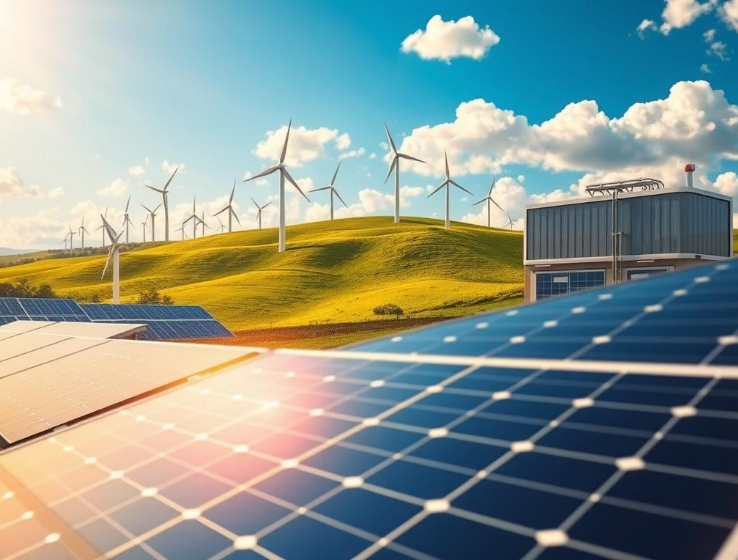

Approximately 733 million people worldwide live without electricity, representing a critical challenge in global development. Affordable energy technology is rapidly transforming this landscape, offering renewable power solutions that promise to revolutionize energy access in underserved communities.
The dawn of innovative renewable power solutions is reshaping how communities approach electricity generation. Cutting-edge affordable energy technology enables regions previously disconnected from power grids to leap directly into sustainable energy infrastructure.
Developing nations are experiencing unprecedented technological breakthroughs that dramatically reduce energy costs. Solar panels, wind turbines, and advanced battery storage systems are creating pathways for communities to generate their own electricity efficiently and economically.
These transformative technologies represent more than technical achievements. They are powerful tools for economic empowerment, educational advancement, and improved healthcare access. By democratizing electricity, affordable energy technology is unlocking potential in regions long constrained by energy poverty.
This exploration will dive deep into the innovative technologies, policy frameworks, and success stories driving global electricity access. From rural villages to emerging urban centers, the renewable energy revolution is just beginning.
Introduction to Affordable Energy Technology
The global energy landscape is undergoing a transformative revolution, driven by affordable energy technology that promises to reshape how communities access and utilize power. Low-cost clean energy solutions are breaking traditional barriers, offering innovative approaches to electricity generation and distribution.
Affordable energy technology represents a critical breakthrough in addressing global electricity challenges. These technologies focus on creating sustainable, cost-effective power solutions that can reach underserved communities worldwide.
Definition and Core Characteristics
At its core, affordable energy technology encompasses:
- Decentralized power generation systems
- Low-cost clean energy infrastructure
- Efficient renewable energy solutions
- Scalable electricity distribution networks
Global Energy Landscape Overview
The current energy ecosystem reveals stark disparities between developed and developing regions. Approximately 789 million people worldwide lack access to electricity, highlighting the urgent need for innovative, affordable energy technology.
Key challenges in the global energy landscape include:
- High infrastructure development costs
- Limited access to traditional power grids
- Economic constraints in rural and remote areas
- Environmental sustainability concerns
Emerging affordable energy technology offers a promising pathway to address these challenges, enabling communities to leapfrog traditional energy infrastructure through innovative, cost-effective solutions.
Key Players in Affordable Energy Technology
The landscape of sustainable energy innovations is rapidly transforming, driven by visionary companies and groundbreaking startups. These organizations are reshaping how electricity reaches underserved communities through creative technological solutions.
Notable Companies Driving Energy Innovation
Several established companies are making significant strides in sustainable energy innovations. Their approaches demonstrate remarkable commitment to expanding energy access globally.
- M-KOPA: Pioneering pay-as-you-go solar systems in East Africa
- d.light: Providing solar lighting to over 100 million people across 70 countries
- Schneider Electric: Developing comprehensive energy access solutions
- Engie: Committed to bringing electricity to 20 million people in Africa
Startups Disrupting Traditional Energy Models
Innovative startups are revolutionizing energy distribution through cutting-edge technologies and unique business models.
| Startup | Innovation | Geographic Focus |
|---|---|---|
| Okra Solar | Smart micro-grid controllers | Southeast Asia |
| Husk Power Systems | Biomass and solar mini-grids | Rural India and Africa |
“The future of energy is not about massive infrastructure, but intelligent, distributed solutions that empower local communities.” – Clean Energy Expert
These companies are leveraging sustainable energy innovations through innovative financing, IoT connectivity, and modular designs. Their approach dramatically reduces costs while improving service delivery in underserved markets.
Renewable Energy Sources Driving Affordability
The global energy landscape is experiencing a revolutionary transformation, with renewable technologies reshaping how communities access affordable solar solutions and cost-effective renewable resources. Innovative approaches are dramatically reducing energy costs while expanding electricity access to underserved populations.
Renewable energy technologies have become increasingly sophisticated, offering practical and economic alternatives to traditional power generation methods. The dramatic cost reductions in solar and wind technologies have created unprecedented opportunities for sustainable energy development.
Solar Energy Advancements
Solar technology has undergone remarkable improvements, making affordable solar solutions more accessible than ever before. Key developments include:
- Photovoltaic panel efficiency increases of up to 22%
- Reduced manufacturing costs by approximately 90%
- Development of lightweight, flexible solar panels
- Integration of solar technologies into residential and commercial infrastructure
Wind Energy Innovations
Wind energy has emerged as another critical component of cost-effective renewable resources. Technological breakthroughs have transformed wind power generation:
- Improved turbine design with higher energy capture rates
- Development of compact, community-scale wind solutions
- Enhanced storage capabilities for consistent energy supply
- Reduced installation and maintenance expenses
These advancements demonstrate the remarkable potential of renewable energy to provide sustainable, affordable electricity solutions across diverse global contexts.
The Role of Government Policies
Government policies play a critical role in accelerating the adoption of budget-friendly green power technologies. These frameworks create essential pathways for renewable energy development and accessibility across diverse communities.

Strategic Incentives for Energy Technology Development
Governments worldwide are implementing innovative strategies to support budget-friendly green power initiatives. These approaches include:
- Feed-in tariffs guaranteeing renewable energy prices
- Tax credits for solar installations
- Subsidized financing programs
- Grants for rural electrification projects
Countries like India have demonstrated remarkable progress through targeted programs. The Pradhan Mantri Sahaj Bijli Har Ghar Yojana scheme successfully expanded household electricity access by creating supportive policy environments.
Regulatory Frameworks Shaping Energy Markets
Effective regulations are crucial for driving budget-friendly green power adoption. Key regulatory considerations include:
| Regulatory Area | Impact on Green Power |
|---|---|
| Mini-grid Licensing | Streamlines renewable energy infrastructure development |
| Net Metering Policies | Enables consumers to sell excess electricity back to grid |
| Technical Equipment Standards | Ensures quality and reliability of green power technologies |
Strategic policy design remains essential in accelerating affordable energy access. By removing bureaucratic barriers and creating supportive ecosystems, governments can significantly impact budget-friendly green power deployment.
Innovations in Energy Storage Solutions
Energy storage technologies are revolutionizing how we generate, distribute, and consume electricity. As renewable energy sources continue to expand, advanced energy efficiency technologies are becoming crucial in addressing the intermittent nature of solar and wind power.
The landscape of battery technology has transformed dramatically in recent years. Cutting-edge developments are making energy storage more accessible, efficient, and affordable for communities worldwide.
Battery Technology Breakthroughs
Modern battery innovations are pushing the boundaries of energy efficiency technologies. Key developments include:
- Lithium-ion batteries with 89% cost reduction since 2010
- Lithium iron phosphate batteries offering improved safety
- Sodium-ion batteries using more abundant materials
- Flow batteries for large-scale energy storage
Impact on Energy Distribution
These advanced storage solutions are transforming energy distribution models. Micro-grids and distributed energy systems now offer unprecedented flexibility and reliability.
Key benefits of innovative energy storage include:
- Enabling 24-hour power generation from renewable sources
- Reducing transmission infrastructure costs
- Providing reliable backup power during outages
- Creating more resilient and adaptive energy networks
The future of energy efficiency technologies lies in smart, adaptable storage solutions that can transform how we generate and consume electricity.
Case Studies: Successful Implementation
Renewable power solutions are transforming energy access across diverse landscapes, bringing low-cost clean energy to communities that once struggled with unreliable electricity. Real-world implementations demonstrate the profound impact of innovative energy technologies.
Rural Electrification Breakthroughs
Rural communities have witnessed remarkable transformations through strategic renewable energy interventions. Several pioneering projects highlight the potential of low-cost clean energy solutions:
- Bangladesh’s solar home system program installed over 6 million off-grid systems
- Lighting Africa distributed 40 million solar products across African communities
- Nigerian mini-grid projects extended electricity to previously unserved villages
Urban Affordable Energy Solutions
Urban areas are not left behind in the renewable energy revolution. Innovative approaches are making clean energy accessible and affordable in city environments:
- Solar kiosks providing charging services in informal settlements
- Pay-as-you-go solar systems for apartment buildings
- Community solar projects enabling renters to access renewable energy
These case studies demonstrate how renewable power solutions can dramatically improve economic opportunities, educational access, and quality of life. The cost savings and reliability improvements represent more than technological advances—they symbolize hope and progress for communities worldwide.
Challenges Facing Affordable Energy Technology
The path to widespread affordable energy technology adoption is fraught with complex obstacles that continue to challenge innovators and policymakers. Despite remarkable technological advances, significant barriers persist in transforming the global energy landscape.
Financial Barriers to Adoption
Affordable energy technology faces substantial financial hurdles that prevent rapid deployment. Low-income communities struggle with critical funding challenges:
- High upfront capital requirements
- Limited access to financial institutions
- Insufficient credit mechanisms
- High-risk perception among investors
Small-scale energy entrepreneurs encounter unique financial constraints. Securing patient capital remains difficult, with international investment complicated by currency risks and delicate balance between commercial viability and end-user affordability.
Infrastructure Limitations
Technological potential often gets constrained by underlying infrastructure deficiencies. Key challenges include:
- Inadequate transportation networks
- Weak technical installation capabilities
- Fragmented supply chains for replacement parts
- Underdeveloped telecommunications infrastructure
Regulatory frameworks in many regions remain underdeveloped, creating additional complications for affordable energy technology integration. Grid interconnection problems and stakeholder coordination continue to impede widespread technological adoption.
Overcoming these challenges requires collaborative efforts between governments, private sectors, and international development organizations.
Future Trends in Affordable Energy Tech
The landscape of sustainable energy innovations is rapidly evolving, promising transformative solutions for global energy challenges. Emerging technologies are set to revolutionize how we generate, store, and distribute energy, making access more affordable and efficient.
Cutting-Edge Technologies Reshaping Energy Solutions
Several groundbreaking technologies are poised to drive significant changes in energy conservation systems:
- Perovskite solar cells with improved efficiency
- Advanced solid-state battery technologies
- Artificial intelligence for energy optimization
- Blockchain-powered energy trading platforms
Global Energy Access Predictions
The next decade will witness remarkable progress in energy accessibility. Technological advancements are expected to dramatically reduce costs and expand renewable energy infrastructure.
| Technology | Projected Impact | Year of Potential Breakthrough |
|---|---|---|
| Green Hydrogen | Industrial & Transportation Sectors | 2025-2030 |
| Smart Grid Solutions | Enhanced Energy Distribution | 2024-2027 |
| Ultra-Efficient Appliances | Off-Grid Energy Management | 2025-2028 |
The future of energy is digital, decentralized, and increasingly accessible. Sustainable energy innovations will continue breaking barriers, bringing affordable and clean energy to communities worldwide.
Conclusion: The Path Forward for Affordable Energy
The journey of affordable energy technology represents a transformative global opportunity to reshape access to electricity. As renewable energy costs continue to plummet, innovative solutions are emerging that promise to bridge the energy access gap for millions worldwide. Sustainable investment and strategic technological development have become critical pathways toward universal electricity availability.
Affordable energy technology is not merely a technical solution but a powerful catalyst for socioeconomic development. By enabling communities to access clean, reliable electricity, these technologies unlock potential for education, healthcare, economic productivity, and environmental sustainability. The convergence of solar, wind, and storage innovations has dramatically reduced barriers to entry for underserved populations.
Importance of Continued Investment
Strategic investments remain essential for scaling affordable energy technology. Governments, private sector entities, and international development organizations must collaborate to create robust funding mechanisms. Research and development funding will be crucial in driving next-generation technological breakthroughs that can make electricity more accessible and efficient.
The Global Impact of Energy Access
The broader implications of expanding energy access extend far beyond electricity provision. By empowering communities with reliable power, affordable energy technology can drive economic opportunity, improve healthcare outcomes, enhance educational experiences, and contribute to global climate mitigation efforts. The potential for transformative change is immense, making continued commitment to this sector a critical global priority.
FAQ
What is affordable energy technology?
Affordable energy technology refers to innovative solutions that reduce the cost of electricity generation and distribution, making clean and reliable power accessible to communities with limited financial resources. These technologies include distributed solar systems, micro-grids, efficient appliances, and low-cost renewable energy infrastructure designed to provide electricity at a price point that matches local economic conditions.
How do solar technologies contribute to affordable energy access?
Solar technologies have dramatically reduced costs, with photovoltaic panel prices decreasing by approximately 90% over the past decade. Innovations like high-efficiency monocrystalline cells, bifacial panels, and integrated solar roofing systems have made solar home systems viable for families earning just a few dollars per day, enabling electricity access in remote and underserved regions.
What are some challenges in deploying affordable energy technologies?
Key challenges include upfront capital requirements, limited financing options for low-income households, inadequate infrastructure in remote areas, lack of technical maintenance capacity, and weak regulatory frameworks. Financial barriers such as high interest rates and limited credit history can prevent widespread adoption, even when the total cost of ownership is favorable.
Which companies are leading innovations in affordable energy technology?
Notable companies include M-KOPA, which provides pay-as-you-go solar systems in East Africa, d.light, offering solar lighting to over 100 million people, Okra Solar with smart micro-grid controllers, and Husk Power Systems, which builds biomass and solar mini-grids in rural India and Africa.
How do government policies support affordable energy technology?
Governments support affordable energy through various incentives such as feed-in tariffs, tax credits, rebates for solar installations, and subsidized financing programs. Examples include India’s national electrification scheme and Kenya’s removal of VAT on solar products, which significantly reduce costs and create enabling environments for budget-friendly green power deployment.
What role does energy storage play in affordable energy solutions?
Energy storage technologies, particularly lithium-ion batteries, have seen cost reductions of 89% since 2010, enabling more reliable renewable energy systems. Advanced batteries like lithium iron phosphate and sodium-ion solutions help transform intermittent solar resources into 24-hour power sources, making electricity more consistent and accessible in off-grid communities.
What emerging technologies show promise for future affordable energy access?
Promising technologies include perovskite solar cells with higher efficiency, solid-state batteries, artificial intelligence for energy optimization, blockchain for peer-to-peer energy trading, and ultra-efficient appliances designed specifically for off-grid contexts. These innovations aim to further reduce costs and improve performance of sustainable energy solutions.
How does affordable energy technology impact developing regions?
Affordable energy technology enables economic opportunities by powering productive uses, improves health outcomes by replacing toxic fuel sources, enhances education through extended study hours, promotes gender equality, and contributes to climate change mitigation. It represents a transformative tool for socioeconomic development in energy-poor regions.