
Did you know that the United States could potentially save $321 billion by transitioning to clean energy solutions by 2030? As energy costs continue to rise, affordable alternatives to fossil fuels are becoming increasingly attractive for households and businesses across the nation.
The global energy landscape is undergoing a dramatic transformation. Renewable technologies have dramatically decreased in cost, making sustainable energy more accessible than ever before. Solar, wind, and other clean energy solutions are no longer just environmentally responsible choices—they’re smart economic decisions.
Homeowners and businesses now have unprecedented opportunities to reduce energy expenses while minimizing environmental impact. Advanced technologies have made affordable alternatives to fossil fuels not just a possibility, but a practical reality for millions of Americans.
This article explores cutting-edge energy technologies that offer realistic pathways to reducing fossil fuel dependency. We’ll dive into practical solutions that can help families and organizations save money, increase energy independence, and contribute to a more sustainable future.
The Rising Cost of Fossil Fuel Dependency
Energy costs have become a critical challenge for American households and businesses. The volatile nature of fossil fuel pricing creates significant economic uncertainty and financial strain across multiple sectors.
Fossil fuel dependency exposes consumers and industries to unpredictable market fluctuations. Renewable energy costs have become increasingly competitive, offering a more stable alternative to traditional energy sources.
Economic Impact on Households and Businesses
The financial burden of fossil fuel energy is substantial. Families and companies face escalating expenses that directly impact their budgetary planning:
- Average household energy costs continue to rise
- Small businesses struggle with unpredictable utility expenses
- Energy cost savings become increasingly critical for economic stability
Environmental Consequences of Continued Fossil Fuel Use
Fossil fuel consumption creates profound environmental challenges. Climate change impacts extend far beyond immediate ecological concerns, generating significant economic repercussions.
| Environmental Impact | Economic Cost |
|---|---|
| Air Quality Degradation | $150 billion annual healthcare expenses |
| Water Pollution | $72 billion cleanup and mitigation costs |
| Extreme Weather Events | $500 billion potential annual damages |
Geopolitical Vulnerabilities in Energy Supply
Dependence on fossil fuel imports creates significant national security risks. Diversifying energy sources through renewable technologies offers strategic advantages and reduces geopolitical tensions.
Transitioning to renewable energy is not just an environmental imperative, but an economic and strategic necessity.
Understanding Renewable Energy Economics
Sustainable energy options have transformed dramatically in recent years, challenging traditional perceptions about renewable energy costs. The economics of low-cost renewable energy now present a compelling alternative to fossil fuel dependence, making clean energy more accessible than ever before.
The key to understanding renewable energy economics lies in analyzing the levelized cost of energy (LCOE). This comprehensive metric considers all expenses associated with an energy system throughout its lifetime, revealing that solar and wind technologies have become increasingly competitive with traditional power sources.
- Initial investment costs for renewable systems have dropped by up to 90% in the past decade
- Operational expenses remain significantly lower than fossil fuel alternatives
- Energy payback periods have shortened dramatically
Technological advancements have been crucial in driving down costs. Improvements in manufacturing processes, increased production scale, and heightened market competition have made sustainable energy options more economically attractive. Residential and commercial users can now expect substantial long-term financial benefits from renewable energy investments.
The future of energy is not just green—it’s increasingly affordable.
Financial considerations now strongly favor renewable energy. Wind and solar projects typically recoup their initial costs within 5-10 years, with system lifespans extending 20-30 years. Low-cost renewable energy solutions are no longer a distant dream but a present-day reality for conscientious energy consumers.
Solar Power: Harnessing the Sun’s Energy Affordably
Solar energy has emerged as a powerful fossil fuel alternative, transforming how Americans think about green energy technologies. The sun provides an incredible renewable resource that can dramatically reduce electricity costs and environmental impact for homeowners and communities.
Residential solar panel systems represent a smart investment for homeowners seeking to break free from traditional energy sources. Modern solar technologies have become increasingly efficient and affordable, making them an attractive option for reducing carbon footprints.
Residential Solar Panel Systems and Their ROI
Investing in solar panels offers significant financial benefits for homeowners. Typical residential systems can provide:
- 5-10 kilowatts of power generation
- Initial installation costs between $15,000-$25,000
- Return on investment within 6-12 years
“Solar energy is no longer a future technology—it’s a present-day solution for sustainable home energy,” says renewable energy expert Dr. Emily Rodriguez.
Community Solar Programs for Renters and Low-Income Households
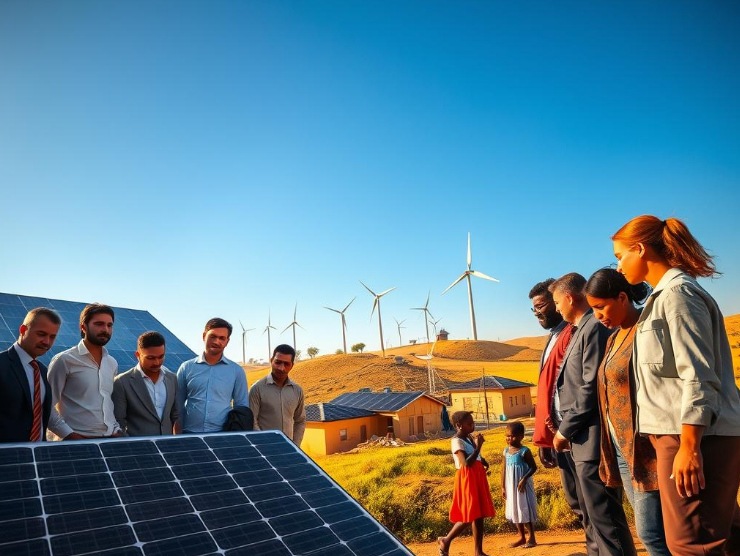
Not everyone can install rooftop solar, but community solar programs open doors for those who rent or live in multi-unit buildings. These innovative green energy technologies allow participants to subscribe to shared solar arrays, receiving electricity credits without personal installation.
Key advantages of community solar include:
- No upfront installation costs
- Flexibility for renters
- Access to solar savings for apartment dwellers
By embracing solar power, Americans can significantly reduce dependence on fossil fuel alternatives while supporting a cleaner energy future.
Wind Energy Solutions for Residential and Commercial Use
Wind energy represents a powerful pathway to energy independence for homeowners and businesses seeking clean power sources. Unlike traditional fossil fuel systems, wind turbines offer a sustainable approach to generating electricity that can significantly reduce energy costs and environmental impact.
Residential wind energy solutions come in various scales, making them adaptable to different property types and energy needs. Rural properties with consistent wind resources are particularly well-suited for these systems. Key considerations for implementing wind energy include:
- Minimum average wind speeds of 10 mph
- Property size of at least one acre
- Compliance with local zoning regulations
- Professional wind resource assessment
The initial investment for small wind systems ranges from $15,000 to $50,000, depending on specific site conditions and energy requirements. Farmers and commercial property owners can benefit from larger turbines (50-100 kilowatts) that provide more substantial energy generation and faster financial returns.
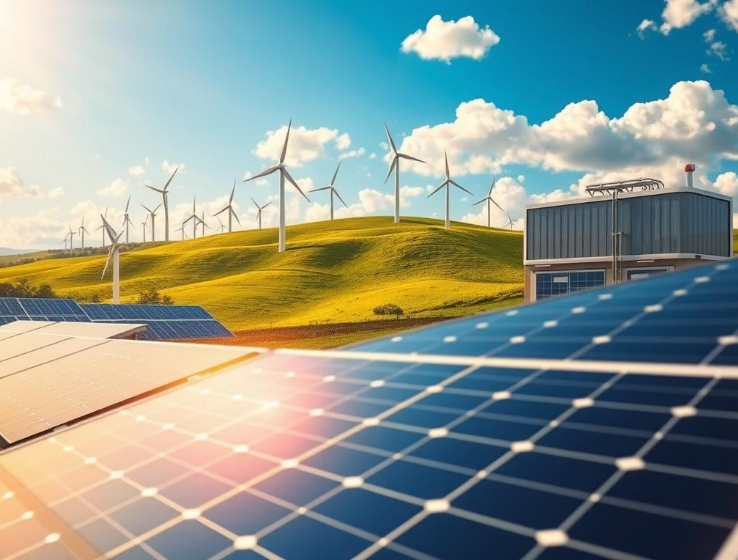
Innovative hybrid renewable energy systems combining wind and solar technologies maximize energy independence. These integrated approaches ensure more consistent power generation across different weather conditions, reducing reliance on grid electricity and protecting against utility rate increases.
Wind energy transforms how we think about clean power sources, putting sustainable electricity generation directly into the hands of property owners.
Affordable Alternatives to Fossil Fuels
Renewable energy systems offer innovative solutions for reducing carbon footprint while providing cost-effective alternatives to traditional fossil fuel technologies. Homeowners and businesses can explore multiple sustainable energy options that minimize environmental impact and lower long-term energy expenses.
Geothermal Heating and Cooling Systems
Geothermal heat pumps represent a cutting-edge approach to temperature management. These renewable energy systems leverage the earth’s consistent underground temperature to provide efficient heating and cooling. By circulating fluid through underground pipes, geothermal systems can achieve remarkable energy efficiency levels.
- Initial installation costs: $15,000-$30,000
- Energy savings: 30-60% reduction in heating and cooling expenses
- System lifespan: 20-25 years
Biomass Energy from Organic Waste
Biomass energy transforms organic materials into usable heat and electricity. Rural homeowners can particularly benefit from this carbon footprint reduction strategy by utilizing wood pellets, agricultural residues, and municipal waste as renewable fuel sources.
- Pellet stove costs: $3,000-$8,000
- Ideal for properties with access to organic waste materials
- Lower heating costs compared to oil or propane
Hydroelectric Power for Small-Scale Applications
Micro-hydroelectric systems offer an exceptional renewable energy solution for properties with flowing water resources. These systems generate electricity by harnessing the power of streams with sufficient flow and elevation drop.
- System costs: $5,000-$20,000
- Electricity generation: 1-10 kilowatts
- Extremely reliable renewable energy source
By exploring these diverse renewable energy systems, individuals can significantly reduce their carbon footprint while investing in sustainable, cost-effective energy solutions.
Energy Storage Technologies Making Renewables Practical
Renewable energy technologies are revolutionizing how we think about sustainable power solutions. The key challenge has always been storing energy efficiently for times when solar panels or wind turbines aren’t generating electricity. Modern energy storage technologies are solving this critical problem, making eco-friendly energy more reliable and practical for homes and businesses.
Battery storage systems have emerged as a game-changing technology in renewable energy. These innovative systems capture excess energy generated during peak production and store it for use during low-generation periods. Popular residential options like the Tesla Powerwall and LG Chem RESU provide homeowners with unprecedented energy independence.
- Typical residential battery storage capacity: 10-20 kilowatt-hours
- Average installation costs: $8,000-$15,000
- Typical battery lifespan: 10-15 years
The advantages of energy storage extend beyond simple power backup. Intelligent battery systems now offer multiple operational modes, including:
- Self-consumption optimization
- Time-of-use rate arbitrage
- Emergency backup during grid outages
“Energy storage is the missing piece that transforms renewable energy from an intermittent source to a reliable power solution.” – Clean Energy Expert
Emerging technologies like flow batteries and compressed air storage promise even more exciting developments in sustainable power solutions. These innovations are making eco-friendly energy not just an environmental choice, but an economically smart decision for consumers and businesses alike.
Government Incentives and Financing Options for Clean Energy
Navigating the world of alternative energy sources becomes significantly more attractive when financial support enters the picture. Green technology investments are now more accessible than ever, thanks to a robust network of government incentives and innovative financing options.
The federal government and individual states have developed comprehensive programs to make renewable energy more affordable for households and businesses. These initiatives aim to reduce the financial barriers that often prevent people from transitioning to clean energy solutions.
Federal Tax Credits and State Rebate Programs
Homeowners and businesses can benefit from significant financial advantages when investing in alternative energy sources. The federal Investment Tax Credit (ITC) offers substantial benefits:
- Deduct a percentage of solar installation costs from federal taxes
- Potential savings of thousands of dollars
- Eligibility varies based on installation year
State-level incentives complement federal programs, including:
- Cash rebates for renewable energy system installations
- Performance-based incentives
- Property tax exemptions
- Sales tax exemptions
Low-Interest Loans and Green Energy Financing
Multiple financing options now make green technology investments more accessible:
- Property Assessed Clean Energy (PACE) programs
- On-bill financing through utilities
- Specialized green energy loans
- Solar leases and power purchase agreements
Consumers can explore resources like the Database of State Incentives for Renewables & Efficiency (DSIRE) to find location-specific programs tailored to their unique needs.
Energy Efficiency: The Most Cost-Effective Strategy
Reducing energy consumption represents the most powerful and affordable approach to minimizing fossil fuel dependency. Energy efficiency solutions offer immediate financial benefits while supporting renewable energy benefits across residential and commercial settings.
Smart home technologies have revolutionized how households manage energy consumption. These innovative solutions provide targeted strategies for reducing electricity usage and lowering utility bills.
Smart Home Technologies That Reduce Energy Consumption
- Programmable thermostats optimize heating and cooling schedules
- Smart power strips eliminate phantom energy loads
- LED lighting reduces electricity consumption by up to 75%
- Real-time energy monitoring systems track consumption patterns
Typical investments in smart home technologies range from $50 to $250, with most devices achieving payback periods between one and three years. These technologies complement renewable energy systems by reducing overall energy requirements.
Insulation and Weatherization Upgrades
Building envelope improvements represent another critical energy efficiency strategy. Proper insulation and weatherization can dramatically reduce heating and cooling expenses.
| Upgrade Type | Energy Savings | Typical Cost Range |
|---|---|---|
| Attic Insulation | 10-20% reduction | $1,000-$2,500 |
| Window Upgrades | 15-25% reduction | $3,000-$10,000 |
| Air Sealing | 5-15% reduction | $500-$1,500 |
Combining energy efficiency measures with renewable energy generation creates a synergistic approach that maximizes fossil fuel displacement while minimizing total investment requirements.
Conclusion
The path to clean energy adoption represents more than an environmental choice—it’s a strategic investment in America’s energy future. Homeowners and businesses now have unprecedented opportunities to break free from fossil fuel dependency through diverse renewable technologies tailored to unique geographic and financial circumstances.
Energy transition strategies are no longer theoretical concepts but practical solutions available today. From solar panels in California to wind turbines in Texas and geothermal systems in the Northeast, Americans can select renewable energy options that match their specific needs, budget, and local resources. The key is understanding that no single solution fits all, but multiple pathways exist toward sustainable energy independence.
Federal and state incentives have dramatically reduced the financial barriers to clean energy adoption. Tax credits, rebates, and innovative financing programs can offset initial investments, making renewable technologies increasingly accessible. By taking incremental steps—whether upgrading home insulation, installing smart thermostats, or planning larger solar installations—individuals can meaningfully contribute to reducing carbon emissions while simultaneously lowering their energy costs.
The renewable energy landscape continues to evolve, offering increasingly sophisticated and affordable solutions. As technology improves and economies of scale take effect, clean energy will become not just an alternative but the preferred choice for environmentally conscious and financially savvy Americans seeking long-term energy resilience and economic stability.
FAQ
What are the most affordable renewable energy technologies for homeowners?
Solar panels and small-scale wind turbines are currently the most cost-effective renewable energy technologies for residential use. Solar panel systems typically range from $15,000-$25,000 before federal tax credits, while small wind turbines can cost between $15,000-$50,000, depending on property size and local wind resources.
How long does it take to recoup the investment in renewable energy systems?
The payback period for renewable energy systems varies by technology and location, but typically ranges from 6-12 years for solar installations, with systems lasting 20-30 years. Factors like local electricity rates, available incentives, and energy consumption patterns significantly impact the financial return.
Are there renewable energy options for people who rent or live in apartments?
Yes, community solar programs provide an excellent option for renters and apartment dwellers. These programs allow participants to subscribe to a portion of a larger solar array and receive credits on their electricity bills without requiring any property modifications or upfront installation costs.
What government incentives are available for renewable energy installations?
The federal Investment Tax Credit (ITC) currently allows homeowners to deduct a significant percentage of solar installation costs from their federal taxes. Additionally, many states offer rebates, tax exemptions, and performance-based incentives that can further reduce the overall cost of renewable energy systems.
How do energy storage technologies improve renewable energy reliability?
Battery storage systems like the Tesla Powerwall allow homeowners to store excess renewable energy generated during peak production times and use it during low generation periods or power outages. These systems provide energy independence and typically cost between $8,000-$15,000 installed.
What is the most cost-effective way to reduce energy consumption?
Energy efficiency improvements are typically the most cost-effective strategy. Simple measures like installing smart thermostats, LED lighting, and improving home insulation can reduce energy consumption by 20-30% with relatively low upfront investments of $50-$5,000.
Can renewable energy work in areas with inconsistent sunlight or wind?
Hybrid renewable energy systems that combine multiple technologies, such as solar and wind, can provide more consistent energy generation. Additionally, advanced battery storage technologies help mitigate intermittency issues by storing excess energy for use during low production periods.
What are the environmental benefits of switching to renewable energy?
Transitioning to renewable energy significantly reduces carbon emissions, improves air quality, decreases dependence on fossil fuels, and helps mitigate climate change impacts. Each residential solar installation can offset approximately 3-4 tons of carbon emissions annually.