
More than 40 million American households now experience power outages each year, leaving families without electricity for an average of five hours. This troubling trend is pushing homeowners to explore ways to reduce grid dependence energy and gain control over their own power supply.
Energy independence is no longer just for the wealthy or off-grid adventurers. Today, affordable technologies make it possible for average families to cut their utility bills and strengthen their homes against blackouts. Smart energy management systems and residential energy reduction techniques have become accessible tools that work together to lower costs while keeping the lights on.
The price of electricity keeps climbing across the United States. Homeowners are spending thousands of dollars yearly on power they could generate themselves. Solar panels, wind turbines, battery storage, and smart home devices offer practical ways to fight rising energy costs without breaking the bank.
This article walks you through the most effective ways to reduce grid dependence energy at your home. You will learn about proven technologies that fit different budgets and living situations. From understanding your current energy needs to installing affordable renewable systems, every step toward independence saves money and protects your family’s comfort.
Energy independence brings real benefits beyond lower bills. You gain peace of mind knowing your home has backup power during emergencies. You help the environment by using clean energy instead of fossil fuels. You take charge of your energy future instead of depending on utility companies and aging grid systems.
Smart energy management systems let you track and control how much power your home uses each day. Residential energy reduction techniques help you waste less energy on heating, cooling, and appliances. These simple changes cut expenses while making your house more efficient and comfortable.
The sections ahead explain each technology in detail. You will discover financial help through government programs and tax breaks. Real homeowners share their success stories showing what works in different climates and budgets. By the end, you will know exactly how to start your journey toward a more independent home.
Understanding Grid Dependence and Its Implications
Most American households depend entirely on centralized power systems that deliver electricity through aging infrastructure. This reliance creates vulnerabilities that affect millions of families every year. Understanding what grid dependence means helps homeowners make informed decisions about their energy future and recognize the value of taking control over their power supply.
What Is Grid Dependence?
Grid dependence describes the condition where your home relies completely on the electrical grid for all power needs. Your electricity flows from distant power plants through transmission lines, substations, and local distribution networks before reaching your house. This system works well under normal conditions, yet it creates problems when storms damage infrastructure or demand spikes during extreme weather.
The average American household experiences power outages lasting several hours per year. Some regions face even longer disruptions. When the grid fails, your home loses power until utility companies restore service. This vulnerability affects families, businesses, and critical services like hospitals.
Why Reducing Grid Dependence Matters
Several factors make reducing grid dependence energy consumption increasingly important for American homeowners:
- Electricity rates rise faster than inflation, straining household budgets
- Extreme weather events become more frequent and damage grid infrastructure
- Aging power plants and transmission systems reduce reliability
- Centralized energy production creates dependency on utility company decisions
- Energy conservation programs through utilities help communities but leave individual homes vulnerable
While energy conservation programs offer guidelines for reducing consumption, they don’t provide the autonomy homeowners want. True energy independence comes from generating and storing your own power. Demand-side energy management puts control directly in your hands, allowing you to shape your energy use around your schedule and needs.
Benefits of Energy Independence
Investing in technologies that help you reduce grid dependence energy reliance brings multiple advantages:
| Benefit Category | Impact on Homeowners |
|---|---|
| Financial Savings | Lower monthly electricity bills and protection from rate increases |
| Power Security | Continuous electricity during grid outages and weather emergencies |
| Environmental Protection | Reduced carbon footprint through renewable energy generation |
| Property Value | Homes with renewable energy systems sell for 3-4% more on average |
| Community Contribution | Participation in demand-side energy management reduces strain on the grid |
Energy independence means you control your power destiny. Instead of waiting for utility companies to fix problems, you generate electricity during sunny days and windy nights. Storage systems keep power available when weather prevents generation. Smart home technology optimizes when you use energy, working alongside your renewable systems for maximum efficiency.
“The transition to home energy independence represents the most significant shift in American power consumption since electrification became widespread in the early 1900s.”
Participating in demand-side energy management strengthens the entire electrical system. When millions of homes reduce peak-hour consumption through smart scheduling, the grid operates more efficiently. This reduces the need for expensive emergency power plants that only run during peak demand periods.
Key Technologies for Reducing Grid Dependence
Homeowners seeking to reduce grid dependence energy consumption have access to powerful technologies that work together to create energy independence. These tools transform how households generate, store, and use electricity. The most effective approach combines multiple technologies into an integrated system that addresses different aspects of home energy needs.
Understanding each technology type helps you determine which solutions fit your situation. Some options require specific environmental conditions, while others work in most homes. Smart energy management systems tie everything together, optimizing performance across all your renewable energy investments.
Solar Power Systems
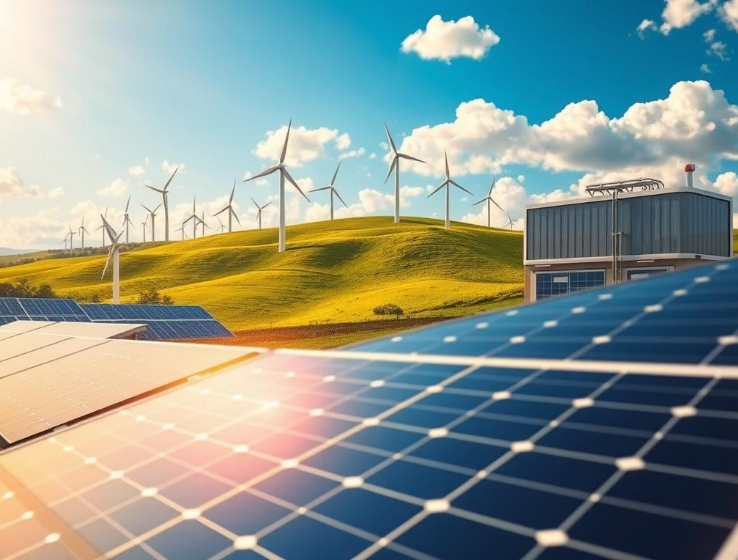
Solar panels represent the most popular residential energy reduction techniques for American homeowners. Photovoltaic technology converts sunlight into electricity without moving parts or ongoing fuel costs. Installation costs have dropped significantly over the past decade, making solar accessible to more families.
Solar systems work by capturing daylight and converting it directly into usable power for your home. They produce electricity during peak daylight hours, which aligns well with typical household energy consumption patterns. Most solar installations include components that tie your home to the grid, allowing you to sell excess power back during peak production periods.
Wind Turbines for Home Use
Small wind turbines offer another renewable generation option for properties with adequate wind resources. These systems work best in locations with consistent wind patterns and sufficient space for proper installation. Wind energy complements solar power by producing electricity during different weather conditions and times of day.
Residential wind generators range from modest systems producing a few kilowatts to larger installations generating substantial household power. Wind turbines operate continuously whenever wind speeds meet minimum thresholds, making them valuable for reducing grid dependence energy needs year-round.
Energy Storage Solutions
Battery storage systems serve as the essential link between energy generation and consumption. These units capture excess power produced by solar panels or wind turbines for use when generation drops. Without storage, homeowners remain dependent on grid power during cloudy days, calm weather, or nighttime hours.
Modern battery technologies have become more affordable and efficient. Storage solutions enable true energy independence by ensuring consistent power availability regardless of weather or time of day. They also protect your home during grid outages, providing backup power when external power sources fail.
Smart Home Energy Management Systems
Smart energy management systems represent the intelligent core of modern residential energy independence. These platforms monitor real-time energy production, consumption, and storage levels. They automatically optimize when and how electricity flows through your home.
Smart home technology enables residential energy reduction techniques that minimize waste. These systems learn your household patterns and adjust heating, cooling, and appliance operation to match your energy availability. Integration with solar panels, wind turbines, and batteries creates a coordinated system that maximizes efficiency and sustainability.
| Technology Type | Primary Function | Best Climate Conditions | Lifespan |
|---|---|---|---|
| Solar Panels | Generate electricity from sunlight | Sunny climates with clear skies | 25-30 years |
| Wind Turbines | Generate electricity from wind movement | Consistent wind patterns | 20-25 years |
| Battery Storage | Store excess energy for later use | All climates | 10-15 years |
| Smart Management Systems | Monitor and optimize energy flow | All locations | 5-10 years |
These four technology categories work most effectively when combined. Solar and wind generation supplies power, batteries store it, and smart systems manage distribution. Together, they create comprehensive solutions for reducing grid dependence energy consumption in modern American homes.
- Solar systems generate power during daylight hours
- Wind turbines produce energy during cloudy periods
- Battery storage enables 24/7 energy availability
- Smart systems optimize overall performance
The integration of these technologies represents the future of residential energy independence. Choosing the right combination depends on your location, budget, and energy goals. Later sections of this article explore each technology in greater depth to help you make informed decisions about your home energy systems.
Harnessing Solar Energy for Home Use
Solar panels represent one of the most practical ways to reduce grid dependence energy consumption in American households. Installing solar technology allows homeowners to generate clean electricity directly from sunlight, decreasing reliance on traditional utility providers. This shift toward renewable energy supports broader energy conservation programs while enabling families to take control of their power supply.
Solar energy systems work by converting sunlight into usable electricity through photovoltaic cells. As demand-side energy management gains importance across the United States, solar installations help distribute energy production more evenly throughout the day. Peak sunlight hours typically align with high-demand periods when grid stress is greatest, making solar an intelligent choice for reducing pressure on electrical infrastructure.
Types of Solar Panels Available
Three main categories of solar panels serve residential applications, each offering distinct advantages:
- Monocrystalline panels deliver the highest efficiency rates, typically ranging from 17% to 22%. These panels perform well in limited space and maintain strong output during cloudy conditions. Most premium residential installations use monocrystalline technology.
- Polycrystalline panels cost less than monocrystalline options while providing solid efficiency between 15% and 17%. These panels suit homeowners seeking value without sacrificing substantial performance.
- Thin-film panels offer the lowest cost and work better in high-temperature environments. Their lower efficiency (10% to 13%) requires more space for equivalent power generation.
Panel warranties typically span 25 years, with degradation rates averaging 0.5% annually. Most quality panels continue generating 80% of their original output after 25 years.
Installation Considerations
Successful solar installation requires careful planning and professional assessment. Several factors determine your system’s effectiveness:
| Installation Factor | Impact on Performance | Key Details |
|---|---|---|
| Roof Orientation | Critical | South-facing roofs receive maximum sunlight in the Northern Hemisphere. East or west-facing roofs still work effectively. |
| Shading Patterns | Significant | Trees, buildings, and structures casting shadows reduce output substantially. Morning and afternoon shade impacts production differently. |
| Roof Condition | Important | Roofs should be in good condition before installation. Repairs after panel placement cost more and disrupt the system. |
| Local Climate | Moderate | Sunnier regions produce more energy. Cloudy areas still generate useful output through diffuse light. |
| Permits and Codes | Required | Local building departments mandate inspections. Certified installers handle this process and ensure compliance. |
Rooftop installations work best for most homes, though ground-mounted systems offer flexibility for properties with optimal ground space. Work exclusively with certified installers familiar with your area’s building codes and requirements.
Financial Incentives for Solar Adoption
Government support makes solar installation increasingly affordable. The Federal Investment Tax Credit currently allows homeowners to deduct 30% of installation costs from federal taxes through 2032. This substantial incentive directly reduces your out-of-pocket expenses and accelerates payback timelines.
Many states offer additional rebates and tax credits ranging from $1,000 to $5,000 depending on location and system size. These energy conservation programs lower installation costs significantly while promoting residential renewable energy adoption.
Net metering policies enable homeowners to sell excess electricity back to utility companies, creating credits against future consumption. This arrangement transforms solar systems into revenue-generating assets during months with surplus production. Different states offer varying net metering terms, so research your local utility’s specific policies.
Typical residential solar systems cost between $15,000 and $25,000 before incentives, dropping to $10,500 to $17,500 after federal tax credits. Payback periods generally range from 6 to 12 years, after which the system generates essentially free electricity for its remaining lifespan. Your specific savings depend on local electricity rates, sunlight availability, and system size.
Demand-side energy management through solar adoption reduces overall grid stress while providing households with energy independence. As technology costs continue declining and incentive programs expand, residential solar becomes an increasingly practical investment for reducing grid dependence energy consumption across America.
Exploring Home Wind Energy Solutions
Wind energy represents a powerful way to reduce grid dependence energy consumption at home. Unlike solar panels that need sunlight, wind turbines generate power during different times of day and seasons. This makes wind systems an excellent complement to solar installations. Many utility customer engagement strategies now include wind energy assessments to help homeowners understand if this technology suits their properties.
Residential energy reduction techniques work best when homeowners combine multiple renewable sources. Wind turbines capture energy during nighttime, winter months, and cloudy days when solar output drops. This combination creates a more balanced and reliable energy generation system throughout the year.
Suitable Locations for Wind Turbines
Wind turbines require specific conditions to perform effectively. Your property needs consistent wind speeds of at least 10 mph to justify the investment. Trees, buildings, and other obstructions can reduce wind flow significantly.
Key location requirements include:
- Minimum one-acre property size for most residential turbines
- Clear, unobstructed access to prevailing winds
- Local zoning compliance and height restrictions
- Distance from property lines and neighbors
- No nearby trees or structures blocking wind patterns
Check your local building codes before installing any system. Many neighborhoods have height restrictions that limit turbine placement.
Choosing the Right Wind Generator
Residential turbines come in two main styles. Horizontal-axis turbines look like airplane propellers and work well in consistent wind conditions. Vertical-axis turbines spin like eggbeaters and handle wind from any direction, making them suitable for turbulent areas.
Sizing matters for your residential energy reduction techniques goals. Most homeowners benefit from 1-10 kW systems based on their energy needs and local wind resources. Tower height affects performance significantly. Higher towers capture stronger, more consistent winds. Manufacturers like Bergey Windpower and Southwest Windpower offer certified residential systems with proven reliability.
Consider these selection factors:
- Annual energy production estimates for your location
- Noise levels and vibration concerns
- Warranty coverage and manufacturer support
- Grid connection options if available
- Installation costs and timeline
Maintenance and Longevity of Turbines
Quality wind turbines typically last 20 years or longer with proper care. Annual inspections keep systems running efficiently and safely. Regular maintenance protects your investment in reducing grid dependence energy usage.
| Maintenance Task | Frequency | Purpose |
|---|---|---|
| Visual inspection | Annual | Check for blade damage, corrosion, and loose bolts |
| Bearing lubrication | Every 2-3 years | Reduce friction and wear on moving parts |
| Brake system check | Annual | Ensure safety mechanisms function properly |
| Electrical connections | Annual | Prevent corrosion and power loss |
| Tower inspection | Annual | Verify structural integrity and safety |
Wind turbines require less maintenance than many people expect. Most systems operate reliably with minimal issues when installed correctly. Professional technicians can handle complex repairs if problems arise. Investing in utility customer engagement strategies that include wind energy monitoring helps you track performance and catch maintenance needs early.
The Role of Energy Storage in Reducing Grid Dependence
Energy storage systems form the backbone of true energy independence. Without proper storage, homeowners cannot fully reduce grid dependence energy needs because renewable sources produce power inconsistently. Batteries capture excess energy generated during peak production times and release it when you need it most. This technology transforms how families use renewable energy throughout the day and night.
Storage systems enable behavior-based energy efficiency by learning your household patterns. Smart batteries adjust automatically when to store, use, or distribute power based on your daily routines. This intelligence maximizes savings while minimizing reliance on utility companies.
Understanding Battery Storage Systems
Home battery systems work by storing electrical energy in chemical form. When your solar panels or wind turbines generate more power than you use, the excess goes into the battery. During evenings, cloudy days, or power outages, the battery supplies electricity to your home.
Key performance measures include:
- Usable capacity — measured in kilowatt-hours (kWh), showing how much energy the battery stores
- Power output — measured in kilowatts (kW), indicating how much electricity flows at once
- Depth of discharge — the percentage of stored energy you can safely use
- Round-trip efficiency — how much energy remains after storing and retrieving it
Most homes need 10 to 15 kWh of storage capacity for daily independence. Larger systems provide backup during extended cloudy periods or equipment maintenance.
Comparing Different Battery Technologies
Homeowners can choose from several battery options. Each type offers different advantages for specific situations and budgets.
| Battery Type | Cost Range | Lifespan | Maintenance | Best Use |
|---|---|---|---|---|
| Lithium-Ion (Tesla Powerwall) | $12,000 – $15,000 | 10-15 years | Minimal | Primary home storage |
| Lithium-Ion (LG Chem) | $7,000 – $10,000 | 10-15 years | Minimal | Budget-conscious homeowners |
| Lithium-Ion (Enphase) | $3,000 – $5,000 per unit | 10-15 years | Minimal | Scalable systems |
| Lead-Acid | $3,000 – $6,000 | 5-8 years | Regular monitoring | Off-grid cabins |
| Saltwater Batteries | $5,000 – $8,000 | 20+ years | Minimal | Environmentally conscious buyers |
Lithium-ion batteries dominate the residential market because they offer excellent efficiency and long lifespans. Lead-acid batteries cost less but require regular maintenance and replacement more often. Saltwater batteries represent an emerging technology with impressive longevity and environmental benefits.
Integrating Storage with Renewable Sources
Battery systems work alongside solar panels and wind turbines to create complete energy solutions. The integration method affects system performance and demand-side energy management potential.
Two main configuration approaches exist:
- AC-coupled systems — batteries connect to your home’s electrical panel, compatible with most existing solar installations
- DC-coupled systems — batteries connect directly to solar equipment, offering slightly higher efficiency and lower costs
Hybrid inverters manage energy flow between renewable sources, batteries, and your home. These smart devices ensure optimal distribution automatically. Many systems enable participation in demand-side energy management programs. Utilities offer financial incentives when you reduce consumption during peak hours, adding extra savings to your investment.
Battery backup protects your family during grid outages. Even when the power company experiences problems, your stored energy keeps essential systems running. This security combines with financial returns to make storage an essential investment for true energy independence.
Smart Home Technologies to Maximize Energy Efficiency
Smart home technology transforms how your house uses energy every single day. These intelligent systems work together to reduce waste and lower your dependence on the power grid. By using smart energy management systems, homeowners can cut energy costs while keeping their homes comfortable. The best part is that these tools do most of the work without you having to think about it constantly.
Smart devices create what experts call behavioral energy savings solutions. They learn your habits and adjust automatically. This approach makes energy-saving choices without forcing you to sacrifice comfort or convenience. Behavior-based energy efficiency means your home gets smarter over time, remembering when you wake up, leave for work, and return home.
Smart Thermostats and Their Benefits
Smart thermostats like Nest, Ecobee, and Honeywell Home learn your temperature preferences automatically. Studies show these devices can reduce heating and cooling energy use by 10 to 23 percent. They use geofencing technology to detect when nobody is home, dropping the temperature to save power. When you head back, the system warms up your space before you arrive.
These thermostats offer remote control through your phone. You can adjust temperatures from anywhere, anytime. The learning algorithms notice patterns in your daily routine and season changes. Over weeks, your thermostat becomes a customized climate controller that matches your lifestyle perfectly. This represents true behavior-based energy efficiency in action.
Energy Monitoring Systems
Whole-home energy monitors show you exactly where your power goes. Devices like Sense, Emporia, and Curb track electricity use at the circuit level. Real-time data helps with consumer energy behavior modification by making invisible energy use visible and clear.
These monitors identify energy-wasting appliances and phantom power drains. Phantom loads happen when devices draw power even when turned off. Once you see which appliances waste the most electricity, you can take action. Many homeowners change their habits after discovering where energy disappears. This knowledge drives meaningful conservation choices.
| Monitor Brand | Circuit-Level Tracking | Real-Time Alerts | Mobile App Access | Appliance Identification |
|---|---|---|---|---|
| Sense | Yes | Yes | Yes | Yes |
| Emporia Vue | Yes | Yes | Yes | Yes |
| Curb Energy Monitor | Yes | Yes | Yes | Yes |
| Sense Plus | Yes | Yes | Yes | Yes |
Automating Energy Use for Savings
Smart plugs and connected appliances shift energy use to the best times. Smart energy management systems can run dishwashers and laundry during peak solar production hours. This approach maximizes your use of generated power instead of buying from the grid.
Home automation platforms can pre-cool homes before peak rate periods arrive. Electric vehicle chargers can schedule charging for times when solar panels produce the most power. Smart refrigerators adjust their operation based on time-of-use rates. Each small automation adds up to significant yearly savings.
- Schedule heavy appliances during solar peak hours
- Pre-cool your home before expensive peak rate times
- Charge electric vehicles when solar production is highest
- Automate lighting based on occupancy and daylight
- Set water heaters to run during off-peak hours
- Use smart plugs to eliminate phantom power drain
These behavioral energy savings solutions work best when combined. Smart thermostats, energy monitors, and automated systems create an intelligent home that uses less grid power. Your home becomes more efficient without you feeling any difference in comfort. This is the future of residential energy management.
Government Programs Supporting Energy Independence
Homeowners interested in technology to reduce grid dependence energy have access to substantial financial support. Federal, state, and local governments offer programs designed to make renewable energy systems affordable. These incentives can cover 30-50% of total installation costs, making energy independence achievable for many households. Understanding these programs requires research and planning before purchasing equipment.
Federal Tax Incentives
The Investment Tax Credit (ITC) represents the primary federal incentive for homeowners. Currently, you can deduct 30% of solar panel installation costs from your federal taxes. This credit applies to battery storage systems, small wind turbines, and geothermal heat pumps.
Claiming this credit requires filing Form 5695 with your tax return. The credit has no maximum limit, meaning larger installations receive greater deductions. These incentives contain sunset provisions that reduce benefits over time, creating urgency for installation decisions.
- Solar energy systems qualify for 30% tax credit
- Battery storage systems receive tax credit support
- Small wind generators are eligible for credits
- Geothermal heat pump installations qualify
- No annual income limit restrictions apply
State Programs and Grants
Individual states offer varying incentive levels beyond federal support. Some states provide additional tax credits, property tax exemptions, or sales tax exemptions for renewable installations. Many states have established energy conservation programs to accelerate adoption of grid-independence technologies.
The Database of State Incentives for Renewables & Efficiency (DSIRE) provides comprehensive information about your specific state’s offerings. This resource helps identify all available programs in your location.
| Incentive Type | Description | Typical Benefit |
|---|---|---|
| State Tax Credits | Additional deductions beyond federal credits | 10-30% of installation costs |
| Property Tax Exemptions | Exclude renewable systems from property taxes | Long-term savings |
| Sales Tax Exemptions | Remove sales tax from equipment purchases | 5-10% equipment savings |
| Direct Rebates | Cash payments for installations | $500-$5,000 per system |
| Energy Conservation Programs | State-sponsored efficiency initiatives | Varying based on program |
Local Utility Rebates
Many utility companies offer rebates through utility customer engagement strategies and utility behavioral programs. These programs reduce peak demand and defer expensive infrastructure upgrades while helping customers reduce costs. Rebates apply to solar installations, battery storage, and energy efficiency improvements.
Some utilities provide performance-based incentives that pay homeowners based on actual energy production. These payments continue over multiple years, creating ongoing financial benefits. Contact your local utility company to learn about available programs in your area.
Combining federal, state, and local incentives significantly reduces upfront costs. Research all available programs before purchasing equipment. Work with installers experienced in incentive applications to maximize your benefits and successfully reduce grid dependence energy consumption.
How to Assess Your Home’s Energy Needs
Before investing in renewable energy systems or advanced technologies, understanding your current energy consumption is essential. A thorough assessment helps you identify where energy waste occurs in your home and establishes a baseline for measuring future improvements. This process guides your decisions about which residential energy reduction techniques will deliver the greatest impact. Taking time to evaluate your home’s energy profile ensures that any technology investments fit your actual needs and budget.
Conducting an Energy Audit
An energy audit reveals how much power your home uses and where inefficiencies exist. You can choose between a professional audit or a do-it-yourself approach.
Professional energy audits use specialized equipment like thermal imaging cameras and blower door tests to detect air leaks, insulation gaps, and heat loss. Certified auditors from companies like Carrier or Lennox provide detailed reports that identify specific problem areas.
DIY audits start with reviewing your utility bills from the past year. Look for seasonal patterns and compare your consumption to similar homes in your area using EPA tools. Next, inspect your home for obvious issues:
- Check insulation levels in your attic and basement
- Feel around windows and doors for drafts
- Test HVAC system performance
- Examine appliance age and condition
- Assess lighting efficiency throughout your home
Understanding your baseline consumption is vital for properly sizing solar panels, wind turbines, or battery storage systems that help you reduce grid dependence energy usage effectively.
Identifying Areas for Improvement
American homes typically waste energy in predictable ways. Common culprits include inadequate insulation, air leaks around openings, outdated HVAC systems, and inefficient appliances. Many homeowners overlook phantom loads—the power used by devices in standby mode. These small drains add up quickly over time.
Behavioral patterns also affect consumption significantly. Leaving lights on, running appliances at inefficient times, and maintaining uncomfortable thermostat settings all increase energy use. Addressing these issues through behavior-based energy efficiency creates immediate savings without expensive upgrades.
| Energy Waste Source | Impact on Monthly Bill | Residential Energy Reduction Technique | Difficulty Level |
|---|---|---|---|
| Air leaks around doors and windows | 15-20% of heating/cooling costs | Weatherstripping and caulking | Easy |
| Inadequate attic insulation | 10-25% of HVAC costs | Add insulation to R-38 minimum | Moderate |
| Inefficient water heater | 12-18% of total usage | Upgrade to EnergyStar model or add insulation blanket | Moderate |
| Phantom power loads | 5-10% of total usage | Use power strips and unplug devices | Easy |
| Outdated appliances | 10-15% of total usage | Replace with EnergyStar certified models | High cost, easy implementation |
| Inefficient lighting | 5-12% of total usage | Switch to LED bulbs throughout home | Easy |
| Thermostat mismanagement | 10-15% of HVAC costs | Install smart thermostat, adjust settings | Easy |
Setting Realistic Energy Reduction Goals
Establish achievable targets based on your audit findings. Most homes can reduce consumption by 20-30% through efficiency improvements and energy savings through behavioral change. Setting these goals before purchasing renewable energy systems keeps your investment reasonable.
Create a prioritized action plan with specific targets:
- Reduce HVAC waste by 15% through thermostat adjustments and maintenance
- Cut water heating costs by 20% with insulation improvements
- Lower phantom loads by 50% using power management strategies
- Decrease lighting energy use by 80% by switching to LEDs
- Improve overall consumption by 25% through behavior-based energy efficiency practices
Track your progress monthly against baseline consumption. Success with these initial steps demonstrates that you can achieve meaningful energy savings through behavioral change. This foundation strengthens your path toward true energy independence while minimizing the size and cost of solar, wind, or storage systems needed to reduce grid dependence energy entirely.
The Financial Aspects of Investing in Energy Independence
Making the move toward energy independence requires careful financial planning. Many homeowners wonder whether the upfront costs of renewable energy systems make sense for their budgets. Understanding the money side of these investments helps you make smart choices about reduce grid dependence energy systems. This section walks you through costs, payment options, and how to measure your return on investment.
Costs vs. Long-term Savings
Energy independence systems come with different price tags. Solar panel installations typically run between $15,000 and $25,000 before any financial incentives. Battery storage systems cost $8,000 to $15,000. Small wind turbines range from $15,000 to $50,000 depending on their size. Smart home energy management systems are more affordable at $200 to $2,000.
The good news is that these costs pay back over time. The average American household spends $1,500 to $2,000 per year on electricity bills. A solar system could save you $30,000 to $60,000 over 25 to 30 years. When you combine these generation technologies with residential energy reduction techniques, your overall system costs drop significantly. Using less energy means you need smaller, cheaper systems.
| Technology Type | Typical Cost Range | Annual Savings Potential | Payback Period |
|---|---|---|---|
| Solar Panel System (5 kW) | $15,000 – $25,000 | $1,200 – $1,800 | 8 – 14 years |
| Battery Storage System | $8,000 – $15,000 | $400 – $800 | 10 – 20 years |
| Small Wind Turbine | $15,000 – $50,000 | $1,500 – $2,500 | 6 – 20 years |
| Smart Home Management System | $200 – $2,000 | $200 – $400 | 1 – 5 years |
Financing Options for Homeowners
You have several ways to pay for energy independence systems. Each option has different benefits and drawbacks for your situation.
- Cash Purchase: Paying upfront means you own the system completely and get all tax credits and savings immediately. You need significant funds available.
- Solar Loans: These loans let you buy and own the system while spreading costs over time. You keep tax credits and all long-term savings.
- Home Equity Loans or HELOCs: You borrow against your home’s value at potentially lower rates. Interest may be tax-deductible for some homeowners.
- PACE Financing: Property Assessed Clean Energy programs attach repayment to your property tax bill. These work even with lower credit scores.
- Power Purchase Agreements (PPAs) or Leases: You pay nothing upfront and get reduced electricity rates. You don’t own the system or receive tax credits.
Evaluating Return on Investment (ROI)
Calculating your ROI helps you understand if an energy independence system makes financial sense. Start by adding up your system costs and subtracting available incentives. Next, estimate your yearly energy production using your location’s solar or wind data. Compare this against your current electricity rates and factor in future rate increases.
Most solar systems in the United States break even in 6 to 12 years depending on your location, available rebates, and local electricity costs. After the payback period ends, everything you save is pure profit. If you stay in your home for at least 7 to 10 years, these investments typically pay for themselves.
Your ROI improves when you use demand-side energy management strategies. Smart thermostats, LED lighting, and better insulation cut your energy needs before you install generation equipment. Smaller systems cost less and reach payback faster. Programs offering net metering credits for extra power you produce back to the grid increase your savings significantly.
Homeowners who combine reduce grid dependence energy systems with residential energy reduction techniques see the fastest returns. This dual approach reduces both your upfront costs and the time it takes to break even financially.
Case Studies: Successful Grid Independence
Real homeowners across America are discovering practical ways to reduce grid dependence energy consumption through customized renewable solutions. These case studies show that success comes in many forms. Families in different regions face unique climate challenges and budget constraints. Their journeys reveal what works best for various situations. By examining these real-world examples, you can understand how consumer energy behavior modification helps achieve lasting results.
Real-life Examples of Homeowners
A family in Arizona installed a 7kW solar array with battery backup and achieved 85% grid independence within two years. Their investment of $18,500 qualified for federal tax credits worth $5,550. The system generates excess power during peak summer months, which they store for winter use.
A Vermont couple combined 5kW solar panels with a small 5kW wind turbine to address seasonal variations in their region. Wind strength peaks during winter when solar production drops. Their total investment reached $28,000, but they now produce most of their electricity year-round.
A California homeowner maximized benefits through net metering while participating in energy conservation programs offered by their utility company. Smart energy monitoring helped them shift usage patterns to times when their panels generated power. They reduced grid reliance by 80% and earned credits for excess power sent back to the system.
A Texas resident prioritized battery storage after experiencing extended power outages. They installed a 10kWh battery system paired with 6kW solar panels. While their upfront cost was $25,000, they gained energy security that protected their family during grid failures.
Analyzing Different Approaches
These homeowners took different paths based on their priorities. Climate suitability shaped each choice. Arizona’s abundant sunshine made solar dominant. Vermont’s seasonal patterns demanded wind power. Budget constraints influenced whether families focused on solar alone or combined multiple technologies.
Consumer energy behavior modification played a vital role in every success story. Families adjusted daily habits to maximize self-consumption of generated power. They ran washing machines and dishwashers during peak solar hours. Smart thermostats helped reduce heating and cooling during expensive peak times. These changes required awareness but produced real savings.
| Location | Primary Technology | System Size | Initial Investment | Grid Dependence Reduction | Timeline to ROI |
|---|---|---|---|---|---|
| Arizona | Solar with Battery | 7kW Solar / 10kWh Battery | $18,500 | 85% | 7-8 years |
| Vermont | Solar and Wind | 5kW Solar / 5kW Wind | $28,000 | 80% | 10-12 years |
| California | Solar with Net Metering | 6kW Solar | $15,000 | 80% | 6-7 years |
| Texas | Solar with Large Battery | 6kW Solar / 10kWh Battery | $25,000 | 75% | 9-10 years |
Lessons Learned from Successful Projects
Proper system sizing emerged as the most critical factor. Undersized systems fail to meet needs. Oversized systems waste money on unused capacity. Professional energy audits helped each homeowner find the right balance.
Working with experienced installers made a real difference. Qualified contractors understood local building codes and utility requirements. They navigated interconnection processes smoothly. Poor installation choices created performance problems that took years to resolve.
Starting with efficiency improvements produced surprising results. Families who upgraded insulation, sealed air leaks, and installed efficient appliances first needed smaller renewable systems. This approach saved money and shortened payback periods.
These homeowners learned that 100% grid independence isn’t realistic or cost-effective for most people. Reducing grid dependence energy by 70-90% offers the best balance between investment and savings. During rare extreme weather, grid connection provides backup power at minimal cost.
- Energy monitoring systems track real-time production and usage
- Regular maintenance keeps equipment running at peak efficiency
- Consumer energy behavior modification continues to deliver benefits
- Energy conservation programs through utilities offer additional savings opportunities
- Battery storage provides security during grid outages
Monitoring systems proved invaluable for maintaining optimal performance. Homeowners could see exactly when their systems generated and used power. This visibility encouraged continued consumer energy behavior modification. Families stayed motivated to adjust habits that reduced their utility bills.
Success depends on matching solutions to individual circumstances. No single approach works for everyone. Climate, budget, goals, and property characteristics shape the best strategy for each household. These real examples demonstrate that reducing grid dependence is achievable when planning aligns with actual needs and resources.
Future Innovations in Energy Independence Technology
The energy landscape continues to shift as new technologies emerge. Homeowners can look forward to breakthroughs that will make it easier to reduce grid dependence energy consumption. These innovations promise to lower costs while improving performance. Understanding what lies ahead helps you make smart decisions about your home’s energy future.
Emerging Trends in Renewable Energy
Perovskite solar cells represent a major step forward in panel technology. These cells offer higher efficiency rates at lower costs than traditional silicon panels. Companies like Tesla and SunPower are investing in research to bring these cells to market soon. Building-integrated photovoltaics (BIPV) are turning homes into power plants. Solar roof tiles and solar windows blend energy generation into your home’s structure seamlessly. These products make energy collection invisible and beautiful.
Solid-state batteries promise to revolutionize energy storage. They pack more power into smaller spaces while staying safer than current models. Vehicle-to-home (V2H) technology allows your electric vehicle to act as a mobile battery. Owners of Nissan Leaf and Chevy Bolt models can already test this feature. Your car becomes a backup power source when the grid goes down. Smart energy management systems powered by artificial intelligence learn your patterns and optimize usage automatically. You no longer need to adjust settings manually. These systems reduce grid dependence energy use without requiring constant attention from you.
The Role of Smart Grids
Smart grids reshape how electricity flows between homes and utilities. Two-way communication replaces the old one-directional model. This technology enables better utility customer engagement strategies that benefit everyone. Virtual power plants combine home battery systems into networks. These networks provide power back to the grid when demand spikes. Time-of-use rates reward you for using electricity during off-peak hours. Your smart home devices can shift heavy tasks like laundry and dishwashing to cheaper times.
Grid participation becomes easier with smart grid technology. You gain options to balance independence with connection to the broader system. Some days you export power. Other days you draw from the grid. This flexibility makes energy independence practical for more households. Utility customer engagement strategies emphasize partnership rather than simple consumption. Your home becomes part of the solution to grid stability.
Potential Impact of Policy Changes on Home Energy Solutions
Government policies shape the economics of home energy systems. Federal tax credits for solar and battery installations may expand in the coming years. State renewable portfolio standards push utilities toward clean energy sources. These policies create markets for residential renewable technology. Net metering rules determine whether you earn credits for excess power. Changes to these policies affect your return on investment. Acting while favorable incentives exist makes financial sense.
Building codes increasingly require solar-ready or EV-ready infrastructure in new homes. This shift lowers future upgrade costs. Your home gains value with energy independence features built in. Policy uncertainty means the best moment to invest is now with proven technologies. Don’t wait for perfect future innovations when effective solutions exist today. Smart energy management systems can reduce your bills immediately. Solar panels, batteries, and wind turbines deliver results regardless of what happens next. Take action based on the comprehensive information throughout this article. Energy independence remains an achievable goal that provides financial, environmental, and security benefits for American homeowners.
FAQ
What exactly does grid dependence mean, and how does it affect my home?
Grid dependence refers to the reliance on centralized power generation and distribution systems controlled by utility companies to meet all of your home’s electricity needs. This dependence makes you vulnerable to power outages caused by aging infrastructure, extreme weather events, equipment failures, and grid instability. It also exposes you to rising electricity costs and eliminates your control over energy expenses. Understanding grid dependence is the first step toward recognizing how technologies like solar panels, wind turbines, battery storage, and smart energy management systems can provide greater autonomy over your energy supply.
Why should I consider reducing my grid dependence when utility companies provide reliable service?
While utility companies generally provide reliable service, several compelling reasons support reducing grid dependence. The aging American electrical infrastructure is increasingly vulnerable to outages—the U.S. experienced a significant increase in power interruptions over the past decade. Rising electricity rates consistently outpace inflation, with the average household spending $1,500-$2,000 annually on electricity. Additionally, reducing grid dependence through residential energy reduction techniques provides protection against future rate increases, ensures power availability during outages, increases your home’s resilience, and reduces your environmental impact. Behavior-based energy efficiency and renewable energy generation also enable participation in demand-side energy management, allowing you to contribute to grid stability while benefiting from incentive programs offered by many utilities.
What are the main benefits of achieving energy independence?
Energy independence offers multiple significant benefits including substantial long-term cost savings (potentially $30,000-$60,000 over 25-30 years), protection against power outages and grid failures, reduced environmental impact through decreased reliance on fossil fuels, increased home property value (homes with solar systems sell faster and at higher prices), greater control over energy expenses and budgeting, participation in utility energy conservation programs that may offer additional incentives, and enhanced energy security for your household. The psychological benefit of reducing dependence on centralized systems and knowing your power generation is locally controlled is also important to many homeowners. Additionally, behavioral energy savings solutions implemented alongside generation technologies make these benefits achievable without requiring sacrifice to comfort or lifestyle.
What are the four primary technology categories for reducing grid dependence?
The four primary technology categories are solar power systems (the most popular and accessible option using photovoltaic panels), wind turbines for home use (viable for properties with adequate wind resources and space), energy storage solutions (battery systems that store generated power for use during peak hours or outages), and smart home energy management systems (intelligent monitoring and automation technologies that optimize energy consumption and maximize the value of generated power). These technologies work best in combination, creating integrated systems where solar panels generate electricity, batteries store excess power, smart thermostats and energy monitors optimize consumption patterns, and automation systems shift energy-intensive tasks to times of peak generation or off-peak pricing. The synergy between these technologies enables comprehensive residential energy reduction techniques and smart energy management systems that maximize self-sufficiency.
Are solar panels the only option for homeowners interested in renewable energy?
No, while solar panels represent the most accessible and popular option for most American homeowners, multiple renewable energy options exist. Small-scale wind turbines are viable for properties with adequate wind resources (minimum average wind speeds of 10 mph), minimal obstructions, and sufficient space (typically at least one acre). Wind energy complements solar by often generating power during different conditions—nighttime hours, winter months, and cloudy days when solar production is minimal. Many homeowners benefit from combining multiple generation technologies to create diverse energy sources that address seasonal and daily variations. Additionally, behavioral energy savings solutions and consumer energy behavior modification through smart appliances and thermostats can reduce overall energy needs, making any renewable energy system more effective regardless of which generation technology you choose.
How do solar panel types differ, and which is best for my home?
The three main solar panel types each offer different advantages. Monocrystalline panels feature the highest efficiency rates (20-22%), take up less roof space, and maintain better performance in low-light conditions but cost more per watt. Polycrystalline panels offer moderate efficiency (15-17%), cost less than monocrystalline options, and work well in most residential applications. Thin-film panels have the lowest efficiency (10-13%) but cost less upfront, perform better in high-temperature conditions, and offer more flexible installation options. Your choice depends on factors including available roof space, budget, climate conditions, aesthetic preferences, and how much space you’re willing to dedicate to solar generation. Most homes achieve optimal results with monocrystalline or polycrystalline panels, and your installer can recommend the best option based on your specific roof conditions, orientation, shading patterns, and energy goals. All quality solar panels come with 25-30 year warranties and degrade only about 0.5% annually, ensuring reliable performance throughout their lifespan.
What installation considerations should I evaluate before committing to solar panels?
Critical installation considerations include roof condition and orientation (south-facing roofs in the Northern Hemisphere receive optimal sunlight), shading analysis (trees, buildings, and other obstructions significantly reduce production), local climate patterns (cloud cover and seasonal variations affect annual output), permitting requirements that vary by municipality, and whether to install rooftop or ground-mounted systems based on your available space and aesthetic preferences. You should also evaluate whether your roof needs replacement—replacing the roof after solar installation is expensive and disruptive. Working with certified installers familiar with local building codes, electrical standards, and utility interconnection requirements ensures your system is properly designed, safely installed, and eligible for all available incentives. Your installer should also explain your home’s structural capacity to support panels and calculate realistic energy production estimates based on your specific location, roof characteristics, and local weather patterns.
What financial incentives are available to reduce the cost of solar installation?
Multiple financial incentives significantly reduce solar installation costs. The federal Investment Tax Credit (ITC) currently allows homeowners to deduct approximately 30% of total installation costs from their federal taxes (though this percentage is scheduled to decrease after 2032). Many states offer additional tax credits, property tax exemptions, sales tax exemptions, or direct rebates for renewable energy installations—visit the Database of State Incentives for Renewables & Efficiency (DSIRE) to research your state’s specific programs. Net metering policies in many states allow you to sell excess solar power back to the grid, generating credits that offset electricity purchased during non-production hours, effectively creating a sophisticated utility behavioral program that benefits both individual customers and grid stability. Many utilities also offer rebates or performance-based incentives as part of their energy conservation programs. Combining federal, state, and local incentives can cover 30-50% of total system costs, dramatically improving your return on investment and accelerating your payback period.
Is my home suitable for a wind turbine, and what conditions are necessary?
Wind turbines require specific conditions to be effective. Your property should have average wind speeds of at least 10 mph (you can assess this through local weather data or professional wind assessments), minimal obstructions from trees and buildings that slow wind flow, adequate property size (typically at least one acre), and compliance with local zoning regulations and height restrictions. Many municipalities have maximum turbine height limits, setback requirements from property lines, and noise ordinances that may restrict residential wind installation. Some utility customer engagement strategies now include wind energy assessments to help customers determine whether their location is suitable. Even in ideal locations, wind turbines typically require higher upfront investments and more permitting complexity than solar systems. However, wind energy complements solar effectively by generating power during nighttime hours, winter months, and cloudy days, making it an excellent choice for homeowners in favorable wind resource areas looking to maximize their residential energy reduction techniques through diverse generation sources.
What size wind turbine is appropriate for residential use?
Residential wind turbines typically range from 1 kW to 10 kW capacity, depending on your energy needs, available wind resources, and budget. A small 1-3 kW turbine works well for homes in moderate wind areas and can significantly reduce grid dependence when combined with solar panels and energy efficiency improvements. A 5-10 kW turbine suits homes in excellent wind locations or with higher energy consumption goals. Your installer should calculate your annual energy consumption, research your location’s average wind speeds, and model realistic energy production to recommend appropriate turbine sizing. Most residential systems don’t generate enough power to achieve 100% grid independence but substantially reduce grid dependence energy consumption when properly sized and located. Tower height significantly affects performance—your turbine should be mounted 30 feet or higher to minimize ground turbulence and capture stronger upper-level winds, though local height restrictions may limit this. Professional installation by certified technicians ensures your system meets all safety and electrical codes while maximizing performance potential.
How do I maintain a residential wind turbine, and what is its expected lifespan?
Residential wind turbines require regular maintenance to ensure safe, efficient operation. Annual inspections by qualified technicians should include visual inspections of blades for damage, bearing lubrication to prevent wear, brake system checks to ensure safety functionality, electrical connections verification, and corrosion assessment. Most high-quality residential wind turbines are designed to last 20-30 years with proper maintenance, though some components like batteries and inverters may require replacement during this period. Routine maintenance costs typically range from $100-$300 annually for small turbines. Regular servicing prevents expensive repairs and maintains optimal performance. The realistic lifespan and maintenance requirements are important considerations when evaluating whether wind energy aligns with your preferences and capabilities. Unlike solar panels, which have minimal maintenance requirements beyond occasional cleaning, wind turbines require more active owner involvement and professional service. Many homeowners choose to combine wind and solar systems because solar’s minimal maintenance requirements offset wind’s higher service needs, creating a balanced approach to renewable energy generation.
How does battery storage enable true grid independence?
Battery storage systems are the critical technology that transforms intermittent renewable energy generation into reliable, continuous power supply. Solar panels generate electricity during daylight hours, but energy demand peaks during mornings, evenings, and nighttime when solar production is minimal. Wind turbines generate power during windy conditions that don’t always align with usage patterns. Battery systems store excess energy generated during peak production times for use during low-generation periods, enabling you to use the power you’ve generated rather than exporting it to the grid or purchasing power from utilities. This storage capability allows homeowners to achieve true energy independence by providing 24/7 power from renewable sources. Battery storage also enables backup power during grid outages, ensuring that critical appliances, lighting, and communication devices remain operational even when the centralized grid fails. The integration of batteries with solar panels, wind turbines, and smart energy management systems creates a comprehensive system where stored energy is automatically deployed to minimize grid reliance while smart systems optimize when to store, consume, or export power. This combination represents the most effective approach to behavior-based energy efficiency and demand-side energy management at the household level.
What battery technologies are available for home energy storage?
Several battery technologies are available for residential energy storage, each with distinct advantages and limitations. Lithium-ion batteries dominate the residential market and include popular products like Tesla Powerwall, LG Chem, Enphase, and Generac PWRcell. These systems offer excellent energy density, long lifespan (10-15 years or more), minimal maintenance, high round-trip efficiency (85-95%), and declining costs. They’re ideal for most homeowners pursuing grid independence. Lead-acid batteries, including flooded and sealed varieties, are less expensive upfront but require regular maintenance, have shorter lifespans (5-10 years), lower energy density, and lower round-trip efficiency (70-85%). Saltwater batteries are an emerging technology offering non-toxic, non-flammable characteristics and environmental advantages, though they’re currently more expensive and less widely available. Your choice depends on budget, available space, maintenance preferences, environmental priorities, and how long you plan to remain in your home. Most homeowners achieving optimal energy independence with residential energy reduction techniques and smart energy management systems choose lithium-ion batteries despite higher upfront costs because their superior performance, longevity, and declining expenses provide better long-term value and reliability.
How do smart thermostats contribute to reducing energy consumption?
Smart thermostats like Nest, Ecobee, and Honeywell Home represent practical behavioral energy savings solutions that optimize heating and cooling automatically without requiring constant manual adjustment. These devices learn your household’s temperature preferences and daily patterns, adjusting settings automatically to maintain comfort while minimizing energy waste. Features like geofencing detect when occupants leave home and reduce conditioning to conserve energy, then restore comfort settings before arrival. Learning algorithms analyze weeks of data to anticipate your needs and preferences. Remote control through smartphone apps allows adjustments from anywhere, preventing energy waste from heating or cooling unoccupied homes. Studies demonstrate that smart thermostats reduce HVAC energy consumption by 10-23%, translating to $100-$300 in annual savings for typical households. Unlike traditional programmable thermostats that require manual setting changes, smart thermostats enable behavior-based energy efficiency automatically. They provide detailed energy use reports that increase awareness of heating and cooling patterns. For homeowners pursuing grid dependence reduction through solar and battery systems, smart thermostats reduce overall energy needs, allowing smaller and more affordable renewable energy systems while maintaining comfort. The technology represents an excellent first step toward consumer energy behavior modification, making visible the impact of temperature settings and usage patterns on energy consumption and bills.
What is the purpose of whole-home energy monitoring systems?
Whole-home energy monitoring systems like Sense, Emporia Vue, and Curb provide real-time visibility into household electricity consumption at granular detail levels, enabling consumer energy behavior modification by making energy use transparent and understandable. These systems identify which appliances consume the most electricity, reveal energy-wasting phantom loads from devices left in standby mode, track consumption patterns throughout the day and across seasons, and highlight opportunities for behavior-based energy efficiency improvements. By making invisible electricity consumption visible, monitoring systems motivate homeowners to change behaviors—you can immediately see the energy impact of leaving air conditioning running, using inefficient appliances, or maintaining excessive heating levels. Some systems automatically identify individual appliances and their consumption, allowing you to prioritize efficiency improvements by targeting the highest-consuming devices. For homeowners combining renewable energy generation with storage and smart home technologies, detailed energy monitoring optimizes when to use stored battery power, when to draw from the grid versus stored energy, and when to charge batteries from renewable generation. This information enables smart automation decisions that maximize self-consumption of generated power while minimizing grid dependence. Energy monitoring also validates the effectiveness of conservation efforts, showing how much energy reduction you’ve achieved through behavior modification and efficiency improvements, providing satisfaction and motivation for continued conservation.
How can home automation help shift energy consumption to reduce grid dependence?
Smart home automation systems use intelligent scheduling and control to shift energy-intensive tasks to times when renewable energy generation is abundant or when utility rates are lowest, effectively reducing grid dependence and expenses. Water heaters can be scheduled to heat during peak solar production hours, storing thermal energy for later use. Dishwashers and laundry machines can automatically run during afternoon solar generation periods when your system is generating maximum power. Electric vehicle charging can be delayed until evening when your batteries are fully charged and solar production has stopped, prioritizing stored renewable energy over grid electricity. Air conditioning systems can pre-cool homes before peak rate periods established by time-of-use utility programs, maintaining comfort while reducing peak demand charges. Pool pumps can operate during solar production hours, using renewable energy exclusively. Heat pump systems can operate during favorable conditions rather than peak demand periods. Smart plugs eliminate phantom loads by cutting power to devices in standby mode. This sophisticated coordination between generation, storage, and consumption represents advanced smart energy management systems that maximize the benefits of residential energy reduction techniques. Automation creates behavior-based energy efficiency without requiring occupants to constantly monitor conditions or manually adjust systems—the intelligence is embedded in the system itself. For homeowners pursuing energy independence, home automation ensures that every kilowatt of generated renewable power is used as efficiently as possible before any grid electricity is needed.
What federal tax incentives are currently available for renewable energy systems?
The primary federal tax incentive is the Investment Tax Credit (ITC), which currently allows homeowners to deduct approximately 30% of total installation costs for solar energy systems directly from federal taxes owed. This credit applies to photovoltaic panels, inverters, batteries, and installation labor. The ITC is scheduled to decrease after 2032, creating urgency for homeowners considering solar installation. Solar tax credits are available for both primary residences and second homes. The credit doesn’t require you to owe taxes to benefit—unused credits can be carried forward to future years. Energy storage systems also qualify for tax credits when paired with solar, allowing batteries to be included in the 30% deduction calculation. Small wind turbines (up to 100 kW) qualify for a 30% federal tax credit through 2032. Geothermal heat pumps for heating and cooling also receive federal tax credits. Unlike rebates that reduce upfront costs, tax credits reduce the taxes you owe, potentially providing thousands of dollars in annual tax reductions. To claim these credits, you must work with certified installers, and systems must meet specific technical requirements. Consulting with tax professionals ensures you properly claim all available credits, as they’re complex and subject to periodic modifications through legislation.