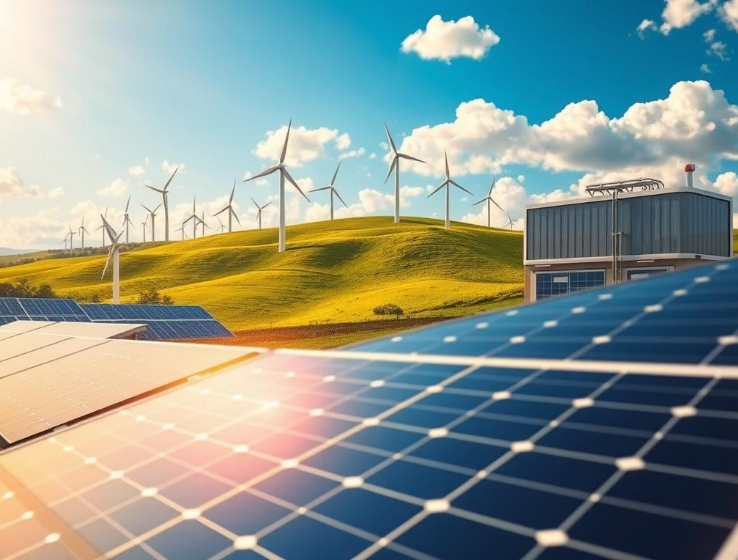

A staggering 68% of American households now spend more than $2,000 annually on energy costs, driving an urgent need for innovative energy solutions that deliver both performance and affordability. The landscape of efficient affordable energy technologies is rapidly transforming how consumers approach power consumption and sustainability.
Modern energy technologies are breaking traditional barriers, offering homeowners and businesses unprecedented opportunities to reduce utility expenses while maintaining reliable power sources. These innovative energy solutions represent a critical shift in how Americans think about energy consumption and environmental responsibility.
Cutting-edge technologies are now making it possible to achieve significant cost savings without compromising on performance. From solar panels to advanced battery storage systems, efficient affordable energy technologies are becoming more accessible, scalable, and adaptable to diverse residential and commercial needs.
The current energy market demands intelligent solutions that balance economic practicality with technological sophistication. Consumers are increasingly seeking energy technologies that provide long-term value, reduced carbon footprints, and increased energy independence.
As utility costs continue to rise and grid reliability becomes more uncertain, investing in advanced energy technologies is no longer just an environmental choice—it’s a strategic financial decision for forward-thinking individuals and organizations across the United States.
The Growing Demand for Cost-Effective Energy Solutions
American households and businesses are experiencing a significant shift in energy consumption strategies. The pursuit of cost-effective energy solutions has become more than an environmental statement—it’s now a critical financial decision. Rising electricity prices and unpredictable utility rates are driving consumers to explore sustainable energy options that promise both economic relief and improved energy independence.
Several key factors are accelerating this transformation:
- Increasing electricity costs across major metropolitan areas
- Growing concerns about grid reliability during extreme weather events
- Technological advancements in renewable energy systems
- Generational preferences for sustainable technologies
Millennials and Gen Z homeowners are particularly proactive in adopting energy-efficient technologies. They view sustainable energy options not just as an ecological choice, but as a smart financial investment. Businesses are equally motivated, recognizing that energy efficiency can significantly improve operational expenses and corporate sustainability goals.
Regional variations play a crucial role in energy technology adoption. What works in California’s solar-rich environment might differ from strategies in the wind-powered Midwest or the hydro-dependent Pacific Northwest. This diversity underscores the importance of tailored, localized approaches to cost-effective energy solutions.
Energy independence is no longer a luxury—it’s becoming a necessary strategy for economic resilience.
The momentum behind sustainable energy options continues to grow, driven by a combination of technological innovation, economic pressures, and a collective desire for more reliable, affordable energy systems.
Understanding Energy Efficiency and Its Economic Impact
Energy efficiency solutions have become crucial in today’s sustainable technology landscape. Homeowners and businesses are increasingly seeking green energy technology that delivers both environmental and economic benefits.
Modern energy systems require careful evaluation to maximize performance and minimize costs. Consumers must understand the key factors that determine technological efficiency and potential long-term savings.
What Makes Energy Technology Efficient
Several critical metrics define energy efficiency solutions:
- Energy Star ratings
- Conversion efficiency percentage
- Capacity factor
- Total system performance
Long-Term Cost Savings Through Energy Efficiency
Green energy technology investments can dramatically reduce utility expenses over time. The right solutions create substantial financial advantages through reduced operational costs.
| Technology | Initial Investment | Annual Savings | Payback Period |
|---|---|---|---|
| Solar Panels | $15,000 | $1,200 | 12.5 years |
| LED Lighting | $500 | $300 | 1.7 years |
| Heat Pump | $5,000 | $600 | 8.3 years |
Measuring Return on Investment in Energy Systems
Effective evaluation of energy efficiency solutions requires understanding complex financial metrics:
- Simple payback period
- Net present value calculation
- Internal rate of return analysis
- Energy price inflation considerations
Strategic investments in green energy technology can transform long-term economic outcomes for both residential and commercial properties.
Solar Power: Harnessing Affordable Clean Energy
Solar power has emerged as a transformative renewable energy solution for homeowners and businesses across the United States. The dramatic cost reductions in photovoltaic technology have made affordable clean energy more accessible than ever before. Residential solar installations now offer unprecedented opportunities for energy independence and sustainable living.
Key advantages of solar technology include:
- Significant reduction in electricity bills
- Minimal maintenance requirements
- Long-term system performance (25-30 year lifespan)
- Potential increase in property value
Modern solar systems provide multiple configuration options to meet diverse energy needs. Homeowners can choose between:
- Grid-tied systems
- Hybrid installations
- Off-grid solutions
“Solar technology represents the future of renewable energy solutions, combining environmental responsibility with economic practicality.” – Clean Energy Research Institute
Emerging technologies like bifacial panels and solar shingles are expanding installation possibilities. Regional variations in solar viability mean potential adopters should assess local conditions, including latitude, utility rates, and net metering policies to maximize their renewable energy investments.
The declining costs of photovoltaic systems have made solar an increasingly attractive option for those seeking affordable clean energy. With federal tax incentives and state-level support, solar power continues to become more financially accessible for American households.
Wind Energy Solutions for Residential and Commercial Use
Wind energy represents a powerful renewable energy solution for both homeowners and communities seeking cost-effective energy alternatives. The versatility of wind technologies offers innovative approaches to generating clean electricity across different scales and settings.
Small-Scale Wind Turbines for Home Applications
Residential wind systems provide an exciting opportunity for property owners to generate their own electricity. These compact turbines typically range from 400 watts to 20 kilowatts, making them suitable for properties with specific wind resource characteristics.
- Minimum wind speed requirement: 10 mph
- Ideal for rural and open landscape properties
- Two primary turbine design options:
- Vertical-axis turbines
- Horizontal-axis turbines
Community Wind Projects and Shared Benefits
Community wind initiatives present innovative cost-effective energy solutions for individuals unable to install personal wind systems. These collaborative projects allow multiple participants to invest in larger, more efficient turbines.
| Project Type | Participants | Key Benefits |
|---|---|---|
| Subscription Model | Renters, Urban Residents | Shared Investment, Lower Costs |
| Virtual Net Metering | Property Owners | Energy Credits, Reduced Utility Bills |
Wind energy works best integrated with other renewable energy solutions, creating a diversified approach to sustainable power generation. By combining wind with solar technologies, property owners can achieve more consistent and reliable electricity production.
Efficient Affordable Energy Technologies Transforming the Market
The landscape of energy technologies is undergoing a remarkable transformation. Innovative energy solutions are reshaping how Americans generate, store, and consume electricity. These efficient affordable energy technologies are no longer niche alternatives but mainstream solutions driving significant market change.
Key developments are revolutionizing energy systems across residential and commercial sectors:
- Hybrid inverter systems integrating solar generation and battery storage
- Smart panels enabling intelligent energy distribution
- AI-powered energy management platforms
- Advanced digital connectivity solutions
Technological convergence is creating powerful synergies that dramatically improve energy efficiency. Manufacturers are continuously reducing costs while enhancing performance, making these innovative energy solutions increasingly accessible to average consumers.
The economic rationale for adopting efficient affordable energy technologies has never been stronger. Digital platforms now enable households to participate in demand response programs, transforming energy consumers into active market participants. Residential and commercial users can now optimize their energy consumption, reduce costs, and contribute to a more sustainable grid infrastructure.
Energy technology is no longer about alternative choices—it’s becoming the intelligent, economically rational path forward.
As manufacturing innovations continue and digital technologies advance, we are witnessing a fundamental shift in how Americans approach energy consumption. The future of energy is decentralized, intelligent, and increasingly within reach for everyone.
Battery Storage Systems and Grid Independence
Battery storage technologies are revolutionizing how we approach energy efficiency solutions. These sophisticated systems provide homeowners and businesses with unprecedented control over their energy consumption, enabling low-cost sustainable energy strategies that reduce reliance on traditional power grids.
Lithium-Ion Battery Technologies
Modern battery storage relies heavily on lithium-ion technology, which offers remarkable advantages for energy management. These advanced systems provide critical benefits:
- High energy density
- Rapid charging capabilities
- Extended operational lifespan
- Reduced maintenance requirements
Innovative battery chemistries are expanding the potential of energy efficiency solutions. Lithium iron phosphate (LiFePO4) batteries represent a significant breakthrough, offering improved safety and longer-term reliability compared to traditional lithium-ion designs.
Smart Storage Solutions for Cost Reduction
Intelligent battery management systems transform how consumers interact with electricity. By leveraging time-of-use rates and advanced energy storage techniques, these systems can dramatically reduce electricity expenses.
Key strategies for minimizing energy costs include:
- Load shifting during off-peak hours
- Peak demand management
- Maximizing solar energy self-consumption
- Participating in utility virtual power plant programs
Implementing smart battery storage represents a powerful approach to achieving low-cost sustainable energy. Homeowners can potentially reduce electricity expenses by 30-50% through strategic energy management and intelligent storage solutions.
Heat Pump Technology for Sustainable Heating and Cooling
Heat pump technology emerges as a game-changing solution in sustainable energy options, revolutionizing how residential and commercial spaces manage temperature control. These innovative systems represent a significant leap in green energy technology, offering unprecedented efficiency in heating and cooling environments.
Unlike traditional heating methods, heat pumps work by transferring heat rather than generating it. This unique approach allows them to achieve remarkable efficiency ratings between 200-400%, dramatically reducing energy consumption compared to conventional systems.
- Air-source heat pumps ideal for moderate climates
- Cold-climate heat pumps performing efficiently at low temperatures
- Ground-source (geothermal) heat pumps leveraging underground temperature stability
- Ductless mini-split systems perfect for targeted cooling and heating
The dual functionality of heat pumps provides significant advantages. A single system can both heat and cool spaces, eliminating the need for separate HVAC equipment. While initial installation costs might be higher, operational savings typically result in payback periods of 5-10 years, making them an attractive long-term investment in sustainable energy options.
Heat pump technology continues to advance, becoming increasingly viable across different climate zones. State and federal efficiency programs increasingly recognize these systems as a critical component of green energy technology, promoting their adoption through various incentives and rebates.
LED Lighting and Smart Home Energy Management
Modern homes are transforming through innovative energy efficiency solutions that make lighting smarter and more cost-effective. LED technology has revolutionized how we think about illumination, offering substantial energy savings and advanced control mechanisms.
Intelligent Lighting Controls and Automation
Smart lighting systems represent cutting-edge cost-effective energy solutions for homeowners. These sophisticated technologies enable precise control over residential lighting through multiple innovative features:
- Motion-activated sensors that automatically manage lighting
- Smartphone-controlled dimming and scheduling
- Adaptive brightness based on natural light conditions
- Integration with home automation platforms
Homeowners can reduce lighting energy consumption by up to 50% through intelligent control systems. Smart switches and occupancy sensors learn household patterns, optimizing energy usage without sacrificing comfort.
Calculating Energy Savings from LED Upgrades
LED technology delivers remarkable energy efficiency solutions with compelling financial benefits. Typical LED bulbs consume 75-80% less electricity compared to traditional incandescent options and last significantly longer.
Calculating potential savings involves examining:
- Current bulb wattage
- Hours of daily operation
- Local electricity rates
- Replacement bulb efficiency
Many households recoup LED upgrade investments within months, making these solutions an intelligent approach to reducing energy expenses.
Geothermal Energy Systems for Long-Term Reliability
Geothermal energy represents one of the most promising renewable energy solutions for homeowners seeking sustainable and low-cost sustainable energy alternatives. These innovative systems harness the earth’s consistent underground temperatures to provide efficient heating and cooling for residential and commercial properties.
The core advantage of geothermal energy systems lies in their remarkable efficiency and reliability. Ground-source heat pumps (GSHP) tap into the stable temperatures beneath the earth’s surface, typically ranging between 50-60°F at depths of 6-10 feet.
Types of Geothermal Systems
- Horizontal Closed-Loop Systems: Ideal for properties with extensive land area
- Vertical Closed-Loop Systems: Best for limited surface space
- Open-Loop Systems: Utilize groundwater where geological conditions permit
Initial installation costs for geothermal systems range from $15,000 to $30,000. Despite the upfront investment, these systems offer significant long-term savings. Operational costs can be 30-60% lower than conventional HVAC systems, with potential lifecycle savings exceeding $50,000.
| System Component | Typical Lifespan | Performance Benefit |
|---|---|---|
| Ground Loops | 50+ Years | Consistent Temperature Regulation |
| Heat Pump Units | 20-25 Years | High Energy Efficiency |
Geothermal systems work effectively across the United States, with economic viability varying by local energy costs, climate, and available incentives. Homeowners should consider site assessment, installation requirements, and professional installation to maximize the system’s potential.
Microgrids and Decentralized Energy Networks
Innovative energy solutions are transforming how communities approach power distribution. Microgrids represent a cutting-edge approach to sustainable energy options, creating resilient and flexible power networks that revolutionize traditional electricity infrastructure.
These intelligent energy systems allow local communities to generate, store, and manage electricity independently from centralized grids. By integrating multiple energy sources, microgrids provide enhanced reliability and flexibility for urban and rural environments.
Building Resilient Community Energy Systems
Microgrid technologies offer significant advantages for community infrastructure:
- Increased power reliability during natural disasters
- Reduced vulnerability to widespread electrical failures
- Enhanced energy independence for critical facilities
- Lower overall energy costs through distributed generation
Communities can leverage these innovative energy solutions to create robust, self-sustaining power networks that adapt quickly to changing energy demands.
Integration with Renewable Energy Sources
Sustainable energy options are seamlessly incorporated into microgrid designs. These networks can efficiently combine:
- Solar photovoltaic arrays
- Wind turbine generation
- Battery storage systems
- Combined heat and power technologies
Smart controllers optimize energy flows, balancing supply and demand in real-time while maximizing renewable energy utilization. By creating local energy ecosystems, microgrids transform how communities approach power generation and consumption.
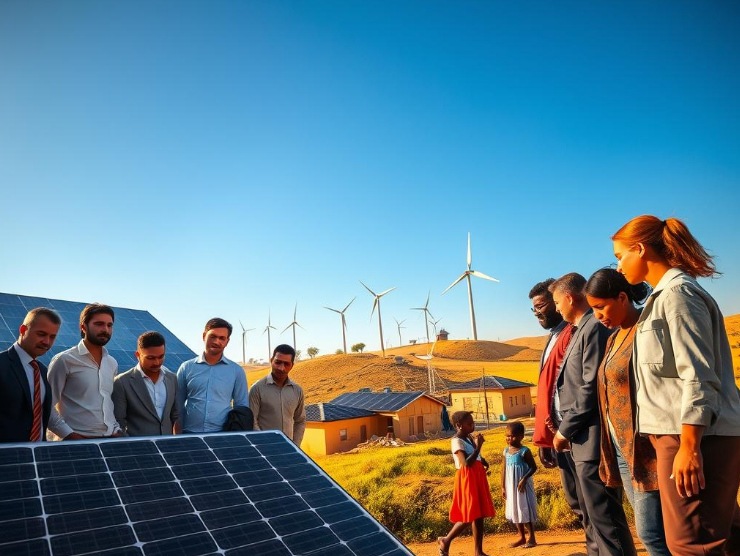
The future of energy lies in decentralized, intelligent networks that empower communities to take control of their power infrastructure.
Government Incentives and Financing Options for Green Energy Technology
Navigating the world of affordable clean energy requires understanding the financial support available to consumers. The U.S. government offers multiple incentives that make green energy technology more accessible and affordable for homeowners and businesses.
Federal tax credits provide significant financial relief for renewable energy investments. The Investment Tax Credit (ITC) currently offers a substantial 30% tax credit for solar installations through 2032. This incentive dramatically reduces the upfront costs of adopting green energy technology.
- Federal Solar Investment Tax Credit: 30% through 2032
- Battery Storage Credits: Up to 30% for qualified systems
- Wind Energy Incentives: Production Tax Credit for qualifying installations
State-level programs complement federal incentives, creating additional opportunities for savings. Each state offers unique benefits that can significantly reduce the cost of renewable energy systems.
| State | Tax Credit | Rebate Program |
|---|---|---|
| California | $1,000 solar credit | Net metering available |
| New York | 25% tax credit | NY-Sun Incentive Program |
| Massachusetts | 15% state credit | SMART Program support |
Financing options have expanded to make affordable clean energy more attainable. Homeowners can explore:
- Solar loans with low-interest rates
- Property Assessed Clean Energy (PACE) programs
- Power purchase agreements
- Home equity financing options
Experts recommend carefully comparing financing terms to maximize long-term savings. The right combination of federal, state, and local incentives can substantially reduce the cost of green energy technology investments.
Conclusion
The landscape of renewable energy solutions has dramatically transformed in recent years. Homeowners and businesses across the United States now have unprecedented opportunities to invest in efficient affordable energy technologies that simultaneously reduce costs and support environmental sustainability. From solar panels to advanced heat pumps, the range of available options has never been more accessible or compelling.
Technological innovations have significantly lowered barriers to entry for renewable energy adoption. Smart storage systems, intelligent lighting controls, and decentralized energy networks are no longer futuristic concepts but practical solutions for energy independence. The combination of declining technology costs, attractive government incentives, and improved performance makes these renewable energy solutions increasingly attractive for diverse property types and energy consumption patterns.
Strategic investment in energy technologies is about more than immediate savings. By considering total lifecycle costs and long-term benefits, Americans can transform their approach to energy consumption. The collective impact of individual choices in adopting efficient affordable energy technologies extends beyond personal financial gains, contributing to broader economic resilience and environmental stewardship.
The future of energy is not waiting—it’s happening now. Consumers are empowered to take action by conducting energy audits, exploring multiple technology options, and making informed decisions that align with their specific circumstances. As innovations continue to emerge, the potential for clean, cost-effective energy will only grow, making now the perfect time to invest in sustainable energy solutions.
FAQ
What are affordable energy technologies?
Affordable energy technologies are innovative solutions that provide cost-effective and efficient ways to generate, store, and manage energy. These include solar panels, wind turbines, heat pumps, LED lighting, battery storage systems, and smart home energy management technologies that help reduce overall energy consumption and costs while maintaining high performance.
How can I determine if renewable energy solutions are right for my home?
Assess your home’s energy needs by conducting an energy audit, evaluating your current electricity consumption, and considering factors like roof orientation for solar, local wind resources, and available space for renewable energy installations. Consulting with local energy professionals can help you identify the most cost-effective energy solutions tailored to your specific property and location.
What are the primary benefits of investing in green energy technology?
Green energy technology offers multiple benefits, including significant long-term cost savings, reduced carbon footprint, increased energy independence, protection against rising utility rates, potential property value increase, and access to government incentives and tax credits. These sustainable energy options provide both financial and environmental advantages for homeowners and businesses.
How long does it take to recoup the initial investment in renewable energy systems?
The payback period varies depending on the technology and local energy prices. Typically, solar panel systems can pay for themselves in 7-10 years, while LED lighting upgrades might have a payback period of just 1-2 years. Heat pumps and energy-efficient technologies often provide returns through reduced energy bills within 5-10 years, making them innovative energy solutions with compelling financial benefits.
Are there government incentives for adopting energy-efficient technologies?
Yes, numerous federal, state, and local incentives exist, including the federal Investment Tax Credit (ITC) offering up to 30% tax credit for solar installations, state-level rebates, and utility company incentive programs. These financial supports make affordable clean energy more accessible and reduce the upfront costs of energy technology investments.
What is the most cost-effective renewable energy technology for residential use?
Solar panels are currently the most cost-effective energy solution for most residential properties. They have become increasingly affordable, with prices dropping by over 70% in the past decade. When combined with battery storage and smart energy management systems, solar provides an excellent balance of performance, reliability, and economic value.
How do battery storage systems improve energy efficiency?
Battery storage systems enable low-cost sustainable energy by storing excess energy generated during peak production times for use during high-demand periods. They help reduce electricity costs through load shifting, provide backup power during outages, and maximize the self-consumption of renewable energy generated on-site.
Can renters benefit from energy-efficient technologies?
Renters can still adopt energy efficiency solutions such as portable solar generators, smart power strips, energy-efficient appliances, LED lighting, and smart home devices. Community solar programs and shared renewable energy projects also provide opportunities for renters to participate in sustainable energy initiatives without making permanent property modifications.