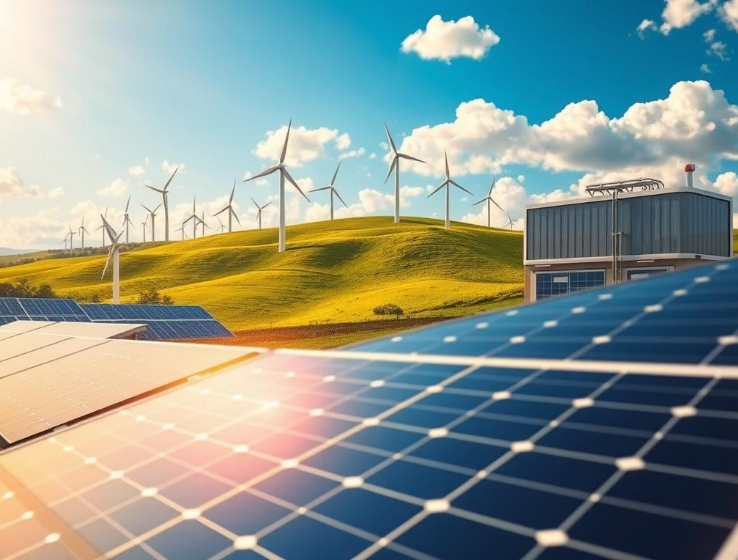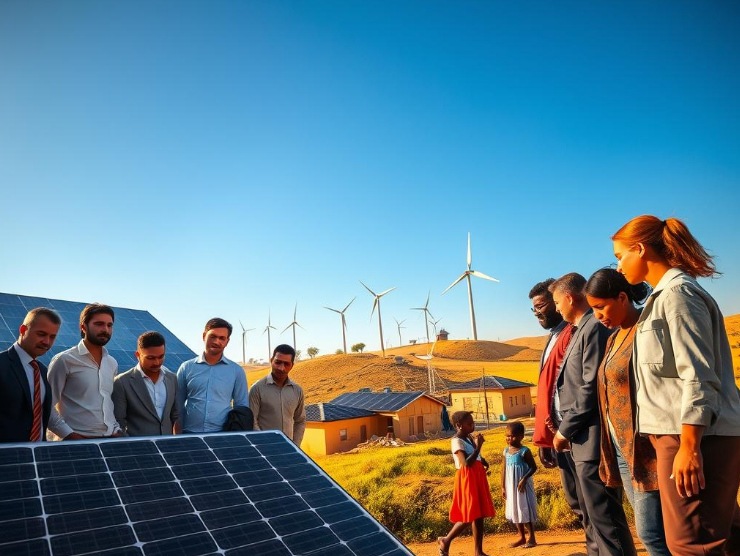


Nearly 733 million people worldwide live without electricity, a staggering reality that underscores the urgent need for sustainable energy development in emerging markets. The global energy landscape is rapidly transforming, with affordable energy technologies emerging as critical solutions for underserved communities.
Traditional centralized grid infrastructure has failed to reach remote regions due to prohibitive costs and challenging terrain. Innovative affordable energy technologies are now bridging this critical infrastructure gap, providing hope for economic empowerment in developing nations.
From solar microgrids in rural Africa to wind energy solutions in Southeast Asian villages, these technologies represent more than just power generation. They are pathways to economic development, education, and improved quality of life for millions of people trapped in energy poverty.
Sustainable energy development is no longer a distant dream but an achievable reality. Emerging markets are pioneering cost-effective, scalable solutions that can transform entire communities, demonstrating that affordable energy technologies can be the key to unlocking economic potential in the world’s most underserved regions.
The Energy Access Challenge in Developing Nations
Energy poverty remains a critical global challenge that impacts millions of people in developing nations. The lack of clean energy access creates profound barriers to economic development, education, and quality of life for communities across the world.
Understanding the Energy Poverty Gap
The energy poverty gap extends far beyond simple electricity connection. Clean energy access represents a fundamental human right that enables social and economic transformation. Millions of people in rural areas struggle with limited or no electricity, which dramatically impacts their daily lives.
- Children cannot study after dark
- Healthcare facilities lack reliable power for critical medical equipment
- Small businesses cannot extend operating hours
- Agricultural productivity remains constrained
Economic Barriers to Traditional Energy Infrastructure
Conventional grid extension presents significant economic challenges for developing regions. Energy poverty solutions must address the complex financial barriers that prevent traditional infrastructure development.
The economic obstacles include:
- High infrastructure costs per distribution line
- Low population density in rural areas
- Limited economic return for utility companies
- Challenging geographical terrains
These challenges create a critical need for innovative, decentralized energy technologies that can provide affordable and sustainable power solutions for underserved communities.
Solar Power Solutions for Rural Electrification
Rural communities worldwide are experiencing a transformative energy revolution through low-cost solar panels and innovative off-grid energy systems. These technological breakthroughs are providing sustainable electricity solutions where traditional power infrastructure remains challenging or impossible.
Solar photovoltaic technology has emerged as a game-changing solution for rural electrification. The dramatic cost reductions in solar technology—plummeting more than 90% since 2010—have made off-grid energy systems increasingly accessible to developing regions.
- Pico-solar products (1-10 watts) provide basic lighting and phone charging
- Solar home systems (50-200 watts) support household electrical needs
- Community-scale solar installations power critical infrastructure
Innovative companies like M-KOPA in Kenya have successfully deployed pay-as-you-go solar systems, connecting over 1 million homes. These solutions offer immediate energy independence without waiting for traditional grid expansion.
Beyond household electricity, solar technologies are revolutionizing agricultural productivity. Solar water pumping and irrigation systems are transforming farming capabilities in remote areas, enabling communities to overcome water scarcity and improve crop yields.
Key advantages of low-cost solar panels include minimal maintenance requirements, modular scalability, and leveraging abundant solar resources in energy-poor regions. By providing reliable, affordable electricity, these off-grid energy systems unlock economic opportunities and enhance quality of life for rural populations.
Affordable Energy Technologies Emerging Markets Are Adopting Today
Developing countries are rapidly transforming their energy landscapes through innovative renewable energy solutions. The energy transition in developing countries has accelerated, driven by technological advancements and creative implementation strategies that make clean energy more accessible and affordable.
The current energy technology landscape in emerging markets demonstrates remarkable diversity and adaptability. Key technologies are reshaping how communities approach power generation and distribution:
- Solar photovoltaic systems
- Micro-hydro power generation
- Biomass gasification technologies
- Hybrid renewable energy networks
Cost-Effective Implementation Strategies
Successful renewable energy solutions in developing countries rely on strategic approaches that minimize costs while maximizing impact. Local manufacturing capabilities have become crucial in reducing technology expenses and creating domestic job opportunities.
- Community ownership models
- Public-private partnerships
- Social enterprise development
Scalability and Sustainability Factors
The potential for scaling renewable energy technologies depends on several critical factors. Modular design allows incremental expansion, while robust technical and financial frameworks ensure long-term viability.
Emerging markets are proving that sustainable energy transition isn’t just about environmental benefits—it’s about creating economic opportunities, enhancing local capabilities, and driving social transformation through innovative energy technologies.
Mini-Grid Systems and Decentralized Energy Networks
Distributed energy resources are revolutionizing power infrastructure in remote and underserved regions. Micro-grid technology emerges as a powerful solution bridging the gap between individual solar systems and traditional electrical grids. These localized energy networks provide flexible, resilient power generation for communities previously disconnected from reliable electricity.
Mini-grid systems typically serve multiple customers through innovative power generation strategies. Their key characteristics include:
- Hybrid power generation combining solar, diesel, and battery storage
- Local low-voltage distribution networks
- Smart metering and advanced control systems
- Capacity ranging from 10 kW to several megawatts
Rural communities benefit dramatically from micro-grid technology. Anchor loads like schools, health centers, and small businesses create steady demand, supporting the economic viability of these decentralized energy networks. Countries such as Nigeria, Tanzania, and India have successfully implemented mini-grid programs, demonstrating the transformative potential of distributed energy resources.
Technological advancements continue to enhance mini-grid performance. Remote monitoring capabilities, sophisticated battery storage, and intelligent control systems make these networks increasingly efficient and reliable. By addressing both technical and economic challenges, micro-grid technology offers a sustainable pathway to electrification for underserved populations.
Biomass and Biogas Technologies for Local Communities
Renewable energy solutions are transforming rural communities through innovative biomass and biogas technologies. These community energy projects offer sustainable pathways to address energy efficiency challenges in agricultural regions worldwide.
Biomass technologies provide powerful opportunities for converting agricultural waste into valuable energy resources. Farmers can now transform crop residues into productive energy solutions that benefit entire communities.
Agricultural Waste Conversion Methods
Agricultural waste conversion involves several cutting-edge techniques:
- Biomass gasification systems converting crop residues into combustible gas
- Briquetting technologies that compress organic materials into dense fuel sources
- Pelletization processes creating standardized biomass fuel
Community-Scale Biogas Digesters
Biogas digesters represent a breakthrough in local energy production. Anaerobic digestion transforms organic materials like animal manure and food waste into methane-rich fuel for cooking and electricity generation.
Key benefits of community biogas systems include:
- Renewable cooking and lighting fuel
- High-quality organic fertilizer production
- Improved community sanitation
- Reduced reliance on traditional energy sources
These innovative technologies empower rural communities to create sustainable, localized energy solutions that protect both economic and environmental interests.
Wind Energy Innovations for Low-Income Regions
Power generation alternatives are transforming energy access in developing nations, with small-scale wind turbines emerging as a critical solution for remote communities. Wind energy technologies offer remarkable potential for regions struggling with traditional electricity infrastructure.
Small-scale wind turbines provide unique advantages for low-income areas:
- Low maintenance requirements
- Minimal infrastructure needs
- Complementary generation to solar systems
- Cost-effective long-term energy production
Innovative design approaches are making wind energy more accessible. Engineers have developed turbines specifically adapted to challenging environmental conditions, creating power generation alternatives that can operate efficiently in varied wind speeds and terrains.
Key technological innovations include:
- Simplified mechanical structures
- Locally manufacturable components
- Enhanced performance at lower wind speeds
- Improved durability in harsh conditions
Wind resources in coastal regions, highlands, and areas with consistent trade winds present extraordinary opportunities for small-scale wind turbines. Community-based projects demonstrate how these technologies can provide reliable electricity to previously underserved populations.
Strategic implementation requires careful site assessment, understanding local wind patterns, and developing maintenance capabilities. Despite challenges, wind energy represents a promising pathway to sustainable electricity for emerging markets.
Energy Storage Solutions and Battery Technologies
Energy storage systems play a critical role in transforming renewable energy into reliable power sources for developing markets. Photovoltaic systems increasingly depend on advanced battery technologies to provide consistent electricity when solar generation fluctuates.
The evolution of energy storage has revolutionized how communities access electricity. Renewable energy sources like solar and wind generate power intermittently, creating a significant challenge for continuous power supply.
Lithium-Ion Alternatives for Cost Reduction
Traditional lithium-ion batteries dominate the market, but emerging alternatives offer promising solutions for cost-effective energy storage:
- Lead-acid batteries with lower upfront costs
- Saltwater batteries with improved environmental performance
- Sodium-ion batteries using abundant materials
- Flow batteries with potential for long-duration storage
These technologies aim to reduce the financial barriers preventing widespread adoption of photovoltaic systems in developing regions.
Second-Life Battery Applications
Electric vehicle batteries reaching the end of their automotive lifecycle present an innovative opportunity for energy storage systems. By repurposing batteries with 70-80% remaining capacity, communities can access affordable storage solutions.
Successful pilot projects across Africa and Asia demonstrate the potential of second-life batteries in:
- Mini-grid installations
- Solar home systems
- Rural electrification projects
The integration of these battery technologies enables more reliable and sustainable electricity access for underserved communities.
Financing Mechanisms and Investment Opportunities
Financing remains a critical challenge for affordable energy technologies in developing markets. Climate finance has emerged as a powerful tool to bridge the investment gap for energy infrastructure projects in underserved regions.
Innovative financing mechanisms are transforming how energy access projects secure capital:
- Pay-as-you-go (PAYG) models enabling affordable energy consumption
- Impact investments targeting social and environmental returns
- Specialized debt funds focused on distributed renewable energy
International development finance institutions play a crucial role in energy infrastructure investment. The World Bank, International Finance Corporation, and regional development banks provide critical support through:
- Concessional loans
- Grant programs
- Risk mitigation strategies
“Unlocking capital is key to accelerating energy access in emerging markets”
Microfinance institutions are expanding their reach by offering targeted loans for solar home systems and energy-efficient technologies. Institutional investors increasingly recognize the potential of climate finance, viewing these investments as opportunities for portfolio diversification with meaningful social impact.
Policy frameworks significantly influence investment attractiveness. Clear regulatory environments, fair tariff structures, and transparent grid interconnection rules can dramatically reduce perceived risks for potential investors in energy infrastructure projects.
Conclusion
The journey of rural electrification programs reveals a powerful narrative of technological innovation and human potential. Green energy technologies are reshaping how developing markets approach energy infrastructure, offering sustainable solutions that go beyond traditional electricity provision. These technologies represent more than just power generation—they are catalysts for social and economic transformation.
Emerging markets are pioneering a revolutionary approach to energy access. By embracing distributed renewable energy systems, communities are leapfrogging outdated centralized grid models. Solar, wind, biomass, and innovative storage technologies are creating pathways to economic opportunity, improved healthcare, and enhanced educational outcomes for millions of people previously disconnected from reliable energy sources.
The ecosystem supporting rural electrification programs continues to evolve. Innovative financing mechanisms, local entrepreneurship, and increasing political commitment are driving significant progress. Technology providers are focusing on affordability, reliability, and local appropriateness—key factors in creating sustainable energy solutions that truly meet community needs.
Looking forward, the potential of green energy technologies remains immense. Digital integration, smart technologies, and productive use applications promise to transform energy from a basic service to an economic development catalyst. While challenges remain, the pathway to universal energy access is clear. The tools exist today to empower communities, drive economic growth, and create a more sustainable global future.
FAQ
What are affordable energy technologies?
Affordable energy technologies are cost-effective solutions designed to provide electricity and energy services in developing and emerging markets. These technologies include solar photovoltaic systems, small wind turbines, biomass and biogas solutions, and mini-grid networks that can be deployed quickly and efficiently in areas without traditional electrical infrastructure.
Why are traditional electrical grids challenging to implement in rural developing regions?
Traditional electrical grids face significant barriers in rural developing regions due to high infrastructure costs, which can range from $5,000 to $15,000 per distribution line kilometer. Low population density, challenging terrain, and limited economic viability make grid extension economically unfeasible for many utility companies.
How do pay-as-you-go (PAYG) solar systems work?
Pay-as-you-go solar systems allow customers to purchase small solar home systems through incremental payments, typically using mobile money platforms. Companies like M-KOPA in Kenya have connected over 1 million homes using this innovative financing model, making solar energy accessible to low-income households.
What are mini-grid systems?
Mini-grid systems are localized energy distribution networks serving multiple customers within a specific community, typically generating 10 kW to several megawatts of power. These systems often combine multiple generation sources like solar, diesel backup, and battery storage to provide reliable electricity to villages and small towns.
What types of renewable energy are most effective in emerging markets?
Solar photovoltaic technology has emerged as the leading renewable energy solution in emerging markets due to dramatic cost reductions, modular scalability, and minimal maintenance requirements. Hybrid systems combining solar with wind, biomass, or battery storage are particularly effective in providing consistent and reliable energy access.
How do energy storage technologies impact renewable energy deployment?
Energy storage technologies are critical for transforming intermittent renewable sources like solar and wind into reliable, dispatchable power. Lithium-ion batteries and emerging alternatives like second-life EV batteries enable energy generation to be stored and used when sunlight or wind are unavailable, ensuring consistent electricity supply.
What challenges do affordable energy technologies face in emerging markets?
Key challenges include high upfront costs, limited technical expertise, complex financing mechanisms, and the need for robust local maintenance infrastructure. Additionally, ensuring technology quality, developing appropriate regulatory frameworks, and creating sustainable business models remain crucial for widespread adoption.
How do biomass and biogas technologies benefit rural communities?
Biomass and biogas technologies convert local agricultural waste into energy, providing multiple benefits including renewable cooking fuel, electricity generation, waste management, and high-quality organic fertilizer. These solutions particularly benefit rural communities by creating local energy sources and reducing reliance on traditional biomass like firewood.
What role do international organizations play in promoting affordable energy technologies?
International organizations like the World Bank, International Finance Corporation, and regional development banks provide critical support through concessional loans, grants, risk mitigation instruments, and technical assistance. They help bridge financing gaps, support policy development, and de-risk investments in emerging market energy access projects.
How are emerging markets approaching energy transition differently from developed countries?
Emerging markets are often leapfrogging traditional centralized grid infrastructure by directly implementing decentralized, renewable energy solutions. This approach allows them to build more flexible, sustainable energy systems that can be rapidly deployed, avoiding the capital-intensive and time-consuming process of traditional grid expansion.