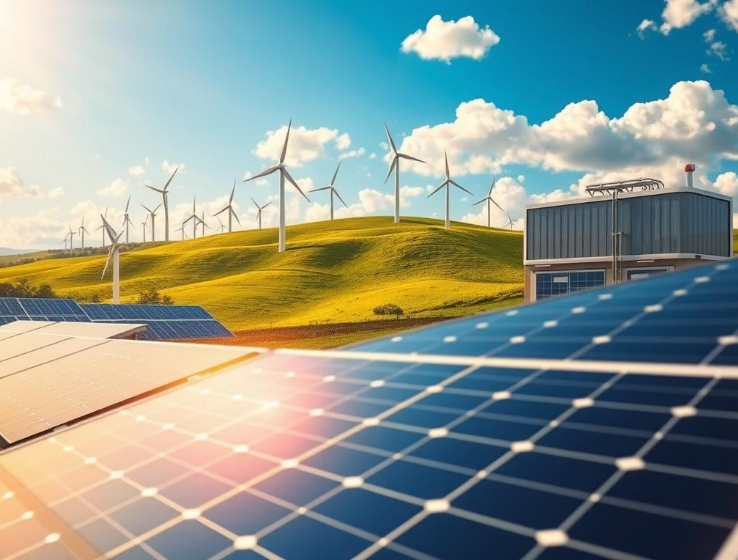

Approximately 40% of U.S. households experience energy challenges due to extreme temperature variations, revealing a critical need for robust climate-resilient power systems. Energy infrastructure in regions spanning from Alaska to Arizona faces unprecedented stress from temperature fluctuations that can compromise traditional power generation methods.
Innovative extreme weather energy solutions are transforming how communities manage energy reliability. Cutting-edge technologies now enable power generation and storage in environments ranging from arctic tundras to scorching deserts, providing sustainable alternatives that were previously considered impossible.
Climate-resilient power systems represent more than technological advancement—they are economic lifelines for communities vulnerable to harsh environmental conditions. These solutions reduce energy costs, increase grid stability, and provide critical infrastructure protection against unpredictable weather patterns.
Modern energy technologies are breaking traditional limitations. Solar panels designed for subzero temperatures, wind turbines engineered to withstand extreme heat, and geothermal systems that function across diverse climatic zones are now practical, affordable options for diverse geographical regions.
This exploration will reveal how advanced energy technologies are revolutionizing power generation in challenging environments, offering hope and practical solutions for communities facing complex climate challenges.
Understanding Energy Challenges in Extreme Weather Conditions
Extreme weather conditions pose significant challenges for traditional energy systems. Renewable energy in harsh climates requires innovative solutions that can withstand temperature fluctuations and unpredictable environmental stresses. Energy efficiency in extreme temperatures becomes a critical concern for communities and infrastructure designers.
The impact of temperature extremes on energy systems can be devastating. Power grids face unprecedented challenges when confronted with severe weather events, leading to potential failures and widespread disruptions.
Critical Vulnerabilities in Traditional Energy Infrastructure
- Reduced performance of electrical systems during temperature spikes
- Increased maintenance requirements in harsh climates
- Higher energy consumption for heating and cooling
- Potential grid instability during extreme weather events
Real-world examples highlight the urgent need for climate-resilient energy solutions. The 2021 Texas winter storm demonstrated how vulnerable traditional energy systems can be when confronted with unexpected environmental challenges.
Why Climate-Resilient Energy Solutions Are Essential
Developing energy technologies that can operate effectively in renewable energy harsh climates is no longer optional. Communities require robust systems that can:
- Maintain consistent energy supply
- Reduce infrastructure vulnerability
- Minimize economic disruption
- Enhance overall energy efficiency in extreme temperatures
Adapting energy infrastructure to extreme weather is not just a technological challenge, but a critical necessity for community resilience.
Innovative approaches to energy design are transforming our understanding of how power systems can survive and thrive in challenging environmental conditions.
Solar Power Solutions for Hot and Cold Climates
Solar technology has dramatically transformed how we approach energy generation in challenging environments. Modern solar panels are engineered to perform exceptionally well in both scorching deserts and freezing landscapes, challenging traditional assumptions about renewable energy limitations.
Solar panels for extreme weather have become increasingly sophisticated. Manufacturers now develop specialized panels that can withstand intense temperature variations while maintaining peak performance. These innovative solar panels excel in hot climate power solutions by incorporating advanced materials and design strategies.
- Monocrystalline panels offer superior low-light performance
- Thin-film technologies provide exceptional heat tolerance
- Bifacial panels capture reflected light in snowy environments
In hot climates, solar panels are designed with unique cooling technologies that prevent efficiency loss. Reflective mounting systems and strategic installation angles maximize energy production in desert regions. Interestingly, solar panels actually become more efficient in cold temperatures when sunlight is abundant.
The cost of solar technology continues to decrease, making these advanced systems more accessible. Federal and state incentives in the United States further reduce installation expenses, making solar a compelling option for homeowners and businesses in diverse climatic conditions.
Modern solar solutions prove that renewable energy can thrive in even the most challenging environments.
Key considerations for extreme weather solar installations include robust warranty coverage, specialized maintenance protocols, and selecting panels specifically engineered for your local climate challenges.
Wind Energy Systems Designed for Harsh Environments
Wind turbines have evolved dramatically to meet the challenges of extreme climate conditions. Innovative engineering now enables wind energy technology to operate effectively in some of the world’s most demanding environments, from Arctic regions to scorching deserts.
The development of wind turbines for harsh environments represents a critical breakthrough in cold climate energy technology. Engineers have created specialized solutions that address unique environmental challenges, ensuring reliable energy production in extreme conditions.
Cold Climate Wind Turbine Innovations
Cold climate wind turbines now feature advanced technologies to combat extreme weather challenges:
- Heated blade systems prevent ice accumulation
- Special low-temperature lubricants maintain equipment performance
- Robust materials resistant to cold-weather brittleness
- Advanced de-icing technologies
Successful implementations in Nordic countries and Alaska demonstrate the effectiveness of these wind turbines in harsh environments. The technologies protect critical components from extreme cold while maintaining optimal energy generation.
Desert and High-Temperature Wind Solutions
Wind energy systems for high-temperature regions have equally impressive innovations:
- Dust-resistant designs with sealed components
- Enhanced cooling systems for generators
- Corrosion-resistant protective coatings
- Specialized maintenance protocols for arid conditions
These advancements make wind turbines increasingly versatile, capable of generating clean energy in environments once considered too challenging for wind power generation.
Geothermal Heating and Cooling for Temperature Extremes

Geothermal heating and cooling systems represent a groundbreaking solution for managing energy in extreme climate conditions. These innovative technologies leverage the earth’s stable underground temperatures to provide consistent heating and cooling performance, regardless of surface weather challenges.
Geothermal systems excel in extreme climates by utilizing the constant underground temperature, which remains between 50-60°F year-round. This unique characteristic allows for remarkable energy efficiency in both scorching deserts and freezing arctic regions.
- Ground-source heat pumps work effectively in temperatures ranging from -30°F to 110°F
- Reduce heating and cooling costs by 30-60% compared to traditional systems
- Ground loops can last over 50 years with minimal maintenance
Homeowners can benefit from significant financial incentives for geothermal extreme climates installations. The current federal tax credit of 30% through the Inflation Reduction Act makes these systems more affordable than ever.
| System Type | Best for Climate | Efficiency Rating |
|---|---|---|
| Horizontal Loop | Moderate Climates | 3.5-4.0 COP |
| Vertical Loop | Extreme Temperature Regions | 4.0-5.0 COP |
| Water Source | Coastal/Lake Areas | 4.5-5.5 COP |
Installation considerations for extreme climate heating cooling vary by region. Northern installations require deeper ground loops to avoid frost, while desert regions need specialized drilling techniques to manage soil conditions.
Geothermal energy represents the most reliable renewable heating and cooling technology for challenging environmental conditions.
Hybrid geothermal systems offer additional flexibility, combining underground heat exchange with supplemental heating or cooling methods to ensure optimal performance in the most demanding climates.
Affordable Energy Technologies Extreme Climates: Cost-Effective Options
Navigating the world of affordable renewable energy systems requires strategic planning and smart investment. Cost-effective climate energy solutions are within reach for homeowners and businesses looking to minimize expenses while maximizing environmental benefits.
Implementing renewable energy technologies doesn’t have to break the bank. Smart approaches can significantly reduce initial investment and long-term operational costs.
Budget-Friendly Installation Methods
Innovative strategies can make renewable energy more accessible:
- Phased implementation to spread out costs
- Community solar programs
- Group purchasing cooperatives
- Power purchase agreements (PPAs)
“The key to affordable renewable energy is strategic planning and creative financing.” – Clean Energy Institute
Long-Term Savings and ROI Considerations
Understanding the financial landscape of cost-effective climate energy investments is crucial for making informed decisions.
| Energy Technology | Average Initial Cost | Estimated Payback Period |
|---|---|---|
| Solar Panel System | $15,000 – $25,000 | 7-10 years |
| Wind Turbine | $30,000 – $50,000 | 6-12 years |
| Geothermal Heat Pump | $10,000 – $25,000 | 5-10 years |
Calculating personal ROI involves considering utility rates, available incentives, and local climate conditions. Investing in climate-appropriate systems can dramatically reduce energy expenses and provide long-term financial benefits.
Battery Storage Systems for Extreme Weather Reliability
Energy storage technologies have become critical for maintaining power reliability during extreme weather events. Weather-resistant energy infrastructure now depends on advanced battery systems that can withstand harsh temperature fluctuations and challenging environmental conditions.
Modern battery storage solutions offer remarkable capabilities for energy resilience:
- Lithium iron phosphate (LiFePO4) batteries with superior temperature tolerance
- Advanced thermal management systems for optimal performance
- Solid-state battery technologies with enhanced climate adaptability
The cost of battery storage has dramatically decreased by approximately 90% over the past decade, making these technologies more accessible for homeowners and businesses in regions with extreme climate challenges.
Key advantages of specialized battery storage include:
- Seamless backup power during multi-day extreme weather events
- Integration with renewable energy systems for true energy independence
- Smart management systems that optimize charging based on weather forecasts
Strategic energy storage in extreme conditions can provide critical power support during hurricanes, winter storms, and summer heat waves. Federal Investment Tax Credits and state-specific incentives further enhance the financial appeal of these advanced battery systems.
Resilient energy storage is no longer a luxury but a necessity in an increasingly unpredictable climate landscape.
Hybrid Energy Systems That Maximize Efficiency
Climate-resilient power systems are revolutionizing how we approach renewable energy in extreme environments. Hybrid renewable energy systems combine multiple energy sources to create more robust and adaptable power solutions that can withstand challenging weather conditions.
The power of hybrid energy systems lies in their ability to overcome individual technology limitations. By strategically combining different renewable sources, these innovative solutions provide consistent and reliable energy across diverse climate challenges.
Combining Multiple Renewable Sources
Effective hybrid systems leverage the strengths of different energy technologies:
- Solar-wind hybrid configurations maximize generation potential
- Geothermal-solar pairings offer consistent base load power
- Battery storage integration ensures continuous electricity supply
Smart Grid Integration for Climate Adaptation
Modern hybrid renewable energy systems go beyond simple generation. They integrate intelligent controllers that optimize energy production and consumption based on real-time environmental conditions.
| Energy Source | Peak Performance Conditions | Complementary Characteristics |
|---|---|---|
| Solar Panels | Sunny days | High daytime generation |
| Wind Turbines | Windy periods | Consistent overnight generation |
| Geothermal | Constant underground temperatures | Stable base load power |
By embracing hybrid renewable energy systems, communities can develop climate-resilient power systems that adapt to environmental challenges while ensuring consistent, sustainable energy production.
Real-World Applications and Success Stories
Renewable energy technologies have proven their resilience in extreme weather conditions across the United States. From Alaska’s frozen landscapes to Arizona’s scorching deserts, innovative extreme weather energy solutions are transforming how communities generate and consume power.
Several remarkable case studies demonstrate the effectiveness of renewable energy in harsh climates:
- Fairbanks, Alaska: Solar installations successfully generate electricity despite sub-zero temperatures, challenging traditional assumptions about cold-climate solar viability
- Rural Wyoming: Wind-solar hybrid systems provide reliable off-grid power through brutal winter conditions
- Phoenix, Arizona: Geothermal heat pumps dramatically reduce cooling costs during 115°F summer temperatures
“Renewable energy is not just a theoretical concept—it’s a practical solution for communities facing extreme environmental challenges.” – Clean Energy Research Institute
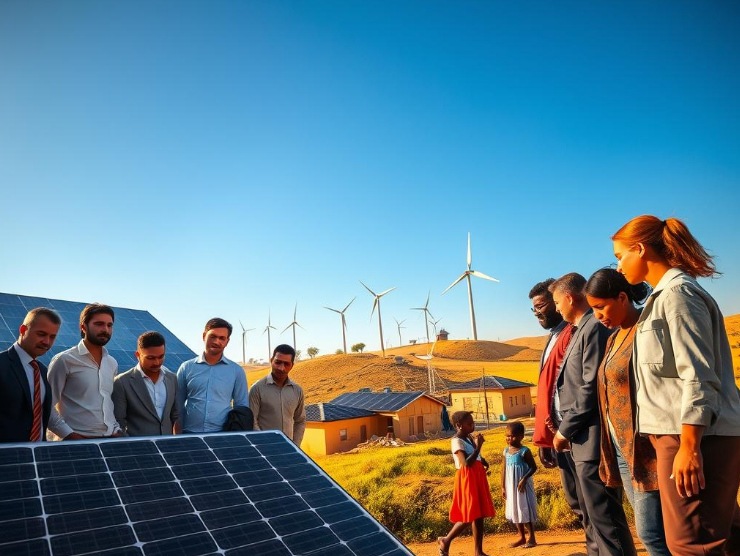
Indigenous communities have been particularly innovative in implementing renewable energy technologies. The Navajo Nation, for instance, has developed solar and wind projects that provide sustainable power in some of the most challenging terrain in the United States.
Agricultural operations are also leveraging these technologies. Farms in Minnesota and North Dakota use advanced renewable energy systems to maintain climate-controlled environments, reducing operational costs and increasing energy independence.
These real-world applications prove that renewable energy technologies can thrive in even the most demanding climate conditions, offering hope and practical solutions for communities nationwide.
Conclusion
The landscape of affordable energy technologies for extreme climates represents a critical frontier in modern energy infrastructure. Renewable solutions like solar, wind, and geothermal systems have emerged as powerful tools for communities facing challenging environmental conditions. These innovative technologies offer more than just power generation—they provide resilience, cost savings, and sustainable alternatives to traditional energy approaches.
Investing in climate-resilient energy technologies is no longer optional but essential. As weather patterns become increasingly unpredictable, regions across the United States need robust, adaptable energy systems that can withstand temperature extremes. Hybrid energy solutions and advanced battery storage technologies have proven particularly effective in mitigating risks associated with harsh environmental conditions.
Homeowners and communities can now leverage multiple affordable energy technologies designed specifically for extreme climates. Strategic implementation of these systems not only reduces long-term energy costs but also increases energy independence. Financial incentives, technological advancements, and growing market competition have made these solutions more accessible than ever before.
The future of energy resilience lies in proactive planning and strategic technology selection. By carefully assessing local climate challenges and exploring tailored renewable energy solutions, individuals and communities can build more sustainable, reliable, and economically sound energy infrastructures. The time to act is now—embracing these innovative technologies will secure both environmental and financial benefits for years to come.
FAQ
What are the most affordable energy technologies for extreme climates?
The most affordable energy technologies for extreme climates include solar power, wind energy systems, geothermal heat pumps, and hybrid energy solutions. These technologies are designed to perform efficiently in both extremely hot and cold environments, offering cost-effective alternatives to traditional energy systems.
How do solar panels perform in cold climates?
Contrary to popular belief, solar panels actually perform more efficiently in cold temperatures. Monocrystalline panels work well in low-light conditions, and technologies like bifacial panels can capture reflected light from snow. Special mounting techniques and snow-shedding designs help maintain performance during winter months.
Are renewable energy systems cost-effective in extreme weather regions?
Yes, renewable energy systems can be highly cost-effective in extreme weather regions. Federal tax credits, state incentives, and long-term energy savings make these technologies increasingly affordable. Systems like geothermal heat pumps can reduce heating and cooling costs by 30-60% compared to conventional systems.
What are the benefits of battery storage in extreme climates?
Battery storage systems provide crucial energy reliability during extreme weather events. Technologies like lithium iron phosphate batteries offer superior temperature tolerance and can maintain power during multi-day outages. They integrate well with solar and wind systems, providing energy independence and potentially generating income through grid services.
How do wind turbines work in extremely cold environments?
Modern wind turbines for cold climates feature specialized innovations such as blade heating systems, cold-resistant lubricants, and de-icing technologies. These improvements allow wind turbines to operate effectively in sub-zero temperatures, with successful installations in regions like Nordic countries, Canada, and Alaska.
Can I install renewable energy systems in a desert climate?
Absolutely! Renewable technologies like solar panels and wind turbines have specialized designs for desert environments. These include dust-resistant components, heat-tolerant materials, and cooling systems that protect equipment from extreme temperatures. Many desert regions offer excellent solar and wind resources.
What financial incentives are available for renewable energy installations?
Current financial incentives include the 30% federal tax credit through the Inflation Reduction Act, state-specific rebates, utility incentives, and various financing options. Many programs offer zero-down installations, leasing options, and power purchase agreements that make renewable energy accessible with minimal upfront costs.
How do hybrid energy systems improve climate resilience?
Hybrid energy systems combine multiple renewable sources like solar, wind, and battery storage to create more reliable and efficient power generation. These systems optimize energy production based on current conditions, provide backup during extreme weather, and can significantly reduce overall energy costs.