
Nearly 70% of American households experienced at least one power outage in 2022, highlighting the critical need for reliable energy resilience systems. As power grid vulnerabilities become increasingly common, homeowners and businesses are seeking affordable energy backup solutions that protect against unexpected electrical disruptions.
Energy resilience is no longer a luxury but a necessity. Modern technologies now offer cost-effective ways to ensure continuous power without requiring massive financial investments. From solar systems to portable power stations, innovative options exist for every budget and energy requirement.
This article explores practical, affordable energy backup technologies that can safeguard your home or business. We’ll dive into strategies that provide peace of mind during power outages, extreme weather events, and grid instability. Whether you’re a homeowner or business owner, understanding these energy resilience systems can help you make informed decisions about protecting your electrical infrastructure.
Emerging technologies are making energy backup more accessible than ever. By examining various options, you’ll discover how to create a robust power strategy that doesn’t drain your finances while maintaining critical electrical services during unexpected interruptions.
Understanding Energy Resilience in Modern Homes and Businesses
Energy resilience has become a critical consideration for homeowners and businesses across the United States. As power grid challenges continue to grow, understanding backup power solutions becomes increasingly important for maintaining continuous energy security.
What Energy Resilience Means for Your Property
Energy resilience goes beyond simple emergency power backup. It represents a comprehensive approach to maintaining power and operational capabilities during unexpected disruptions. For residential and commercial properties, this means:
- Ensuring critical systems remain functional during grid failures
- Minimizing economic and productivity losses from power interruptions
- Creating sustainable energy independence strategies
The Growing Need for Backup Power Systems
Recent data highlights the increasing vulnerability of electrical infrastructure. Power outages in the United States have become more frequent, with several key factors driving the demand for energy security solutions:
- Aging electrical grid infrastructure
- Rising extreme weather events
- Increased electricity consumption
- Regional power supply constraints
How Climate Change Impacts Energy Security
Climate change has emerged as a significant threat to reliable electricity access. Extreme weather events like hurricanes, wildfires, and intense storms are challenging traditional backup power systems. Businesses and homeowners must now consider more robust energy resilience strategies that can withstand unpredictable environmental conditions.
Proactive energy planning is no longer optional—it’s essential for maintaining consistent power and protecting critical infrastructure.
The True Cost of Power Outages
Power outages create significant financial burdens for homeowners and businesses across the United States. Understanding the true costs of power interruptions reveals why power outage protection is crucial for maintaining economic stability.
The financial impact of unexpected electricity disruptions extends far beyond simple inconvenience. Residential and commercial properties face substantial monetary losses during extended blackouts.
- Refrigerated food spoilage: $50-$250 per incident
- Lost work productivity: $50-$500 per day
- Business revenue losses: Up to $5,000 per hour
- Electronic equipment damage: $200-$2,000
Backup power costs become increasingly justifiable when examining potential financial risks. Homeowners experience multiple hidden expenses during prolonged power interruptions.
| Outage Duration | Estimated Total Cost | Primary Expense Categories |
|---|---|---|
| 4-8 Hours | $300-$800 | Food Spoilage, Work Interruption |
| 24 Hours | $800-$2,500 | Food Loss, Productivity, Hotel Stays |
| 3-7 Days | $2,500-$10,000 | Property Damage, Extended Disruption |
Critical considerations like medical equipment dependency and potential safety risks further underscore the importance of reliable backup power systems.
Investing in affordable backup power solutions represents a strategic approach to risk management. By understanding potential financial vulnerabilities, homeowners and businesses can make informed decisions about protecting their assets and maintaining operational continuity.
Affordable Energy Backup Solutions
Finding cost-effective battery storage solutions has become a critical priority for homeowners and businesses seeking reliable energy backup. The market offers a range of affordable battery systems designed to provide peace of mind during unexpected power disruptions.
Budget-Friendly Battery Storage Options
Consumers can now access affordable battery systems with options ranging from compact portable units to more comprehensive home backup solutions. These systems offer flexible energy storage capabilities at various price points:
- Portable power stations ($500-$1,500)
- Entry-level home battery systems ($2,000-$3,500)
- Modular battery solutions with scalable capacities
Comparing Costs Across Different Technologies
| Technology | Initial Cost | Maintenance | Lifespan |
|---|---|---|---|
| Portable Power Stations | $500-$1,500 | Low | 3-5 years |
| Home Battery Systems | $2,000-$5,000 | Medium | 10-15 years |
| Solar-Plus-Storage | $5,000-$15,000 | Low | 20+ years |
Long-Term Savings and Return on Investment
Investing in cost-effective battery storage goes beyond immediate backup needs. The true value lies in potential energy bill reductions and protection against power outages. Homeowners can expect payback periods ranging from 5-10 years, depending on energy consumption and local electricity rates.
Strategic selection of affordable battery systems can provide substantial long-term benefits, transforming energy backup from an expense to a smart investment.
Solar Power Systems for Energy Independence
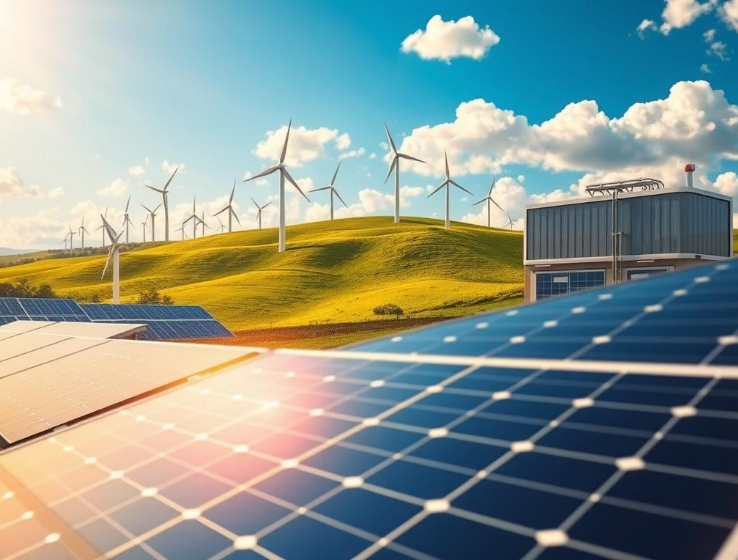
Solar power has emerged as a game-changing solution for renewable energy backup and energy independence. Homeowners across the United States are discovering the incredible potential of solar backup systems to provide reliable power and reduce electricity costs.
Understanding solar power goes beyond simply installing panels. A complete solar backup system requires strategic planning and specific components to ensure continuous energy supply during grid disruptions.
- Grid-tied systems with battery storage offer the most flexible backup solution
- Solar panels generate electricity during daylight hours
- Battery storage preserves excess energy for nighttime or outage use
Modern solar installations have become increasingly affordable. The average residential solar system now costs between $15,000 and $25,000 before federal tax credits. With potential savings of 40-70% on electricity bills, these systems represent a smart long-term investment in renewable energy backup.
Key considerations for solar backup systems include:
- Roof orientation and sunlight exposure
- Total household energy consumption
- Local climate conditions
- Budget and financing options
Pro tip: Most solar panel systems come with 25-year warranties, ensuring decades of reliable energy production and backup capabilities.
Selecting the right solar backup system requires careful evaluation of your specific energy needs. Consulting with local solar professionals can help you design a customized solution that maximizes efficiency and provides robust energy independence.
Battery Storage Technologies That Won’t Break the Bank
Residential energy storage has become increasingly accessible for homeowners looking to enhance their home energy backup capabilities. The evolving battery technology landscape offers multiple options for budget-conscious consumers seeking reliable power solutions.
Lithium-Ion vs Lead-Acid Batteries: A Comprehensive Comparison
Choosing the right battery technology is crucial for effective home energy backup. Two primary battery types dominate the residential energy storage market:
- Lithium-Ion BatteriesHigher upfront costs ($400-$800 per kWh)
- Longer lifespan (10-15 years)
- Higher efficiency (95%+)
- Deeper discharge capabilities (80-100% usable capacity)
- Lead-Acid BatteriesLower initial investment ($150-$300 per kWh)
- Shorter lifespan (3-7 years)
- Limited discharge depth (50% usable capacity)
- Require more maintenance
Emerging Battery Technologies at Lower Price Points
The residential energy storage market continues to evolve with innovative battery technologies that promise more affordable home energy backup solutions:
- Lithium Iron Phosphate (LiFePO4) Batteries
- Enhanced safety features
- Longer operational lifespan
- More stable performance
- Sodium-Ion Batteries
- Lower-cost alternative
- Emerging technology with potential cost advantages
Modular battery systems now allow homeowners to start with minimal capacity and expand as their budget permits. Typical capacity recommendations range from 5-10 kWh for essential circuits to 20-40 kWh for whole-home backup, making residential energy storage more flexible and accessible than ever before.
Portable Power Stations and Generator Alternatives
Portable backup power has revolutionized emergency power supply options for homes and outdoor enthusiasts. These innovative devices provide flexible energy solutions that go beyond traditional generators, offering quiet, clean, and convenient power when you need it most.
Modern portable power stations come in various sizes and capacities, catering to different energy needs. Consumers can choose from compact models perfect for charging devices to robust units capable of powering entire home circuits during emergencies.
- Small 200Wh units ideal for personal electronics
- Mid-range 1000Wh stations for essential appliances
- Large 2000Wh+ models for extended backup power
Key advantages of portable power stations include:
- Silent operation
- Zero emissions
- Indoor-safe usage
- Instant power availability
- Solar recharging capabilities
| Power Station Type | Capacity | Typical Price Range | Best Use |
|---|---|---|---|
| Compact | 200-500Wh | $200-$500 | Phones, laptops, small devices |
| Medium | 1000-1500Wh | $500-$1500 | Essential home appliances |
| Large | 2000Wh+ | $1500-$3000 | Whole home backup |
When selecting a portable backup power solution, consider your specific energy requirements. Calculate your total wattage needs by listing essential devices and their power consumption. This approach ensures you choose an emergency power supply that matches your precise demands.
Beyond emergency preparedness, these versatile power stations offer additional value for outdoor activities like camping, tailgating, and remote work, making them a smart investment for multiple scenarios.
Hybrid Systems That Maximize Efficiency and Affordability
Energy resilience has become a critical concern for homeowners and businesses seeking reliable power solutions. Hybrid power systems offer an innovative approach to addressing energy challenges by combining multiple sources of electricity to create more robust and cost-effective backup strategies.
Modern grid-independent power solutions are revolutionizing how we think about energy management. These intelligent systems provide flexibility and cost savings by intelligently integrating different power sources.
Combining Solar with Grid Power
Hybrid solar systems represent a smart approach to energy resilience. They leverage multiple power sources to create a comprehensive energy solution:
- Grid electricity serves as the primary power source
- Solar panels reduce daily energy costs
- Battery storage provides critical backup during outages
The key advantage of these hybrid power systems is their ability to optimize energy consumption. Net metering programs allow users to credit excess solar production against grid consumption, creating additional financial benefits.
Integrating Multiple Energy Sources
Advanced energy management takes hybrid systems to the next level by combining:
- Solar panels
- Battery storage
- Backup generators
Smart energy management systems can automatically switch between sources based on availability, cost, and backup needs. This approach allows for staged investment, making grid-independent power more accessible to budget-conscious consumers.
The future of energy resilience lies in flexible, integrated power solutions that adapt to changing needs and technologies.
Government Incentives and Financing Options for Energy Backup
Investing in renewable backup technology has become more affordable thanks to various government incentives and financing programs. These financial support mechanisms can significantly reduce the upfront costs of energy storage systems, making them more accessible for homeowners and businesses.
Federal Tax Credits for Renewable Energy
The federal government offers substantial energy storage incentives that can dramatically lower your investment costs. The Investment Tax Credit (ITC) provides a remarkable 30% credit for solar energy systems and battery storage through 2032. This means a $15,000 solar-plus-storage system could effectively cost just $10,500 after tax credits.
- 30% tax credit for solar and battery installations
- Applies to both equipment and installation costs
- Eligibility for residential and commercial properties
State and Local Energy Support Programs
Energy storage incentives vary widely across different states and local jurisdictions. Homeowners can explore multiple financing options to make renewable backup technology more attainable:
- State-specific tax credits
- Upfront rebate programs
- Property tax exemptions for solar equipment
- Performance-based incentives
Utility companies often provide additional support through:
- Battery storage rebates
- Demand response programs
- Special time-of-use electricity rates
To maximize your savings, research local programs using resources like the Database of State Incentives for Renewables & Efficiency (DSIRE) and consult with local utility providers about available incentives.
Implementing Your Energy Backup Strategy on a Budget
Creating resilient energy systems doesn’t have to drain your wallet. The key is strategic planning and a thoughtful approach to energy independence solutions. Start by conducting a comprehensive energy audit to understand your current power consumption and identify potential efficiency improvements.
Your energy backup strategy should focus on prioritizing critical loads that ensure safety and basic functionality during power disruptions. Consider the following essential elements:
- Identify critical power needs (medical equipment, refrigeration, communication devices)
- Calculate actual power requirements for essential appliances
- Determine desired backup duration
- Evaluate budget constraints
A staged approach can help manage costs while building robust energy independence solutions. Begin with affordable options like portable power stations for essential loads, then gradually expand your resilient energy systems as budget allows.
When selecting backup power solutions, compare these key factors:
| Solution Type | Initial Cost | Scalability | Maintenance |
|---|---|---|---|
| Portable Power Station | Low | Limited | Minimal |
| Small Battery System | Medium | Moderate | Low |
| Solar + Battery | High | High | Moderate |
Pro tip: Always check local permits, seek professional installation for complex systems, and verify installer credentials to ensure safe and compliant implementation of your energy backup strategy.
Conclusion
Energy resilience has emerged as a critical priority for American households and businesses facing increasing grid instability. Affordable energy backup solutions now offer practical paths to protect against power interruptions without requiring massive financial investments. From portable power stations to comprehensive solar systems, homeowners have more options than ever to build robust backup power solutions.
The landscape of backup power technologies has dramatically transformed, making energy independence more accessible. Solar power systems, battery storage technologies, and hybrid configurations provide scalable approaches to managing energy risks. Innovative portable power stations start at just a few hundred dollars, while more advanced systems can integrate multiple energy sources to create comprehensive protection strategies.
Government incentives play a significant role in making these affordable energy backup solutions even more attractive. Federal tax credits, state rebates, and local energy programs can substantially reduce initial investment costs. Smart consumers can leverage these programs to develop resilient energy strategies that protect against climate-related disruptions and provide long-term financial benefits.
Taking the first step toward energy independence doesn’t require an all-or-nothing approach. Start by assessing your specific energy needs, researching available technologies, and exploring incremental investments. As grid challenges continue to increase, proactive planning with backup power solutions will become increasingly crucial for maintaining household and business continuity.
FAQ
What is energy resilience?
Energy resilience refers to the ability to maintain power during grid outages and disruptions, covering both short-term backup capabilities and long-term energy independence strategies. It means having reliable power systems that can sustain essential operations during unexpected electricity interruptions.
How much does a basic backup power system cost?
Backup power solutions range from $200 for portable power stations to $3,000 for entry-level home battery systems. Prices vary depending on capacity, technology, and intended use, with options available for different budgets and energy needs.
Are solar panels effective for backup power?
Solar panels alone do not provide backup power without battery storage or specific inverter configurations. A proper solar-plus-storage system can provide reliable backup during grid outages, offering both daily energy savings and emergency power capabilities.
What government incentives are available for energy backup systems?
The federal Investment Tax Credit (ITC) offers a 30% tax credit for solar and battery storage systems through 2032. Additionally, many states and local utilities provide rebates, grants, and special financing programs to reduce the cost of energy backup technologies.
How long can a portable power station provide backup?
Portable power stations range from 200Wh models lasting a few hours to 2,000Wh+ units capable of powering essential appliances for 1-2 days, depending on the specific device and your power consumption needs.
What are the main types of backup battery technologies?
The two primary battery technologies are lithium-ion and lead-acid. Lithium-ion batteries offer longer lifespans and better performance, while lead-acid batteries are more budget-friendly but require more frequent replacement.
How do I determine the right backup power system for my home?
Start by conducting an energy audit to understand your power needs. Calculate essential load requirements, determine desired backup duration, evaluate your budget, and compare different solutions like portable power stations, battery systems, or solar-plus-storage configurations.
Can I expand my backup power system over time?
Yes, many modular battery systems and hybrid energy solutions allow you to start small and expand your backup power capacity as your budget and needs change. This approach makes energy resilience more accessible and affordable.