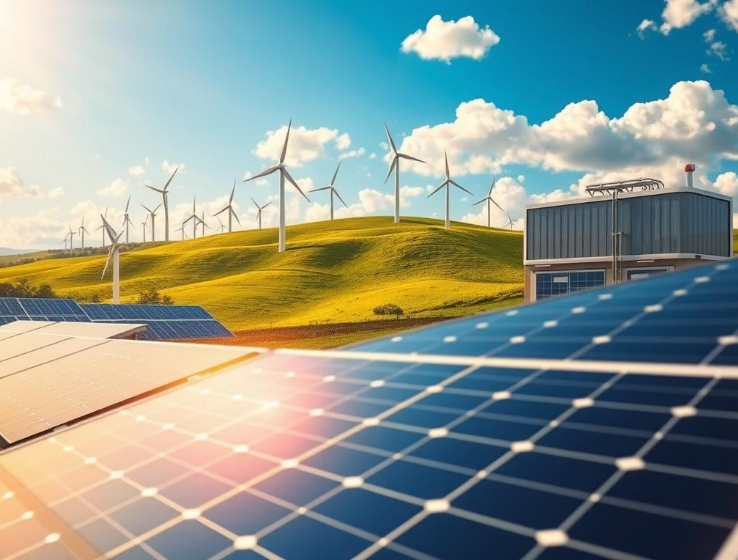

Did you know that American households spend an average of $2,200 annually on energy costs, with potential savings of up to 30% through smart technology investments? The landscape of affordable energy technologies is rapidly transforming how we approach home and business energy consumption.
Cost-effective energy solutions are no longer a distant dream but a practical reality for homeowners and small businesses across the United States. Renewable energy investments have become increasingly accessible, offering significant long-term energy savings that can dramatically reduce monthly utility expenses.
Modern energy technologies provide innovative ways to cut costs while simultaneously reducing environmental impact. From solar panel systems to smart home energy management, these solutions represent a strategic approach to managing energy consumption and financial resources.
This comprehensive guide will explore cutting-edge technologies that not only promise immediate relief from high energy bills but also deliver substantial economic benefits over time. By understanding these affordable energy technologies, you can make informed decisions that transform your energy consumption and financial outlook.
Understanding the Economics of Modern Energy Solutions
Navigating the world of energy technologies requires a strategic approach to energy cost analysis. Homeowners and businesses increasingly seek ways to reduce utility bills while making smart energy investments. The key to success lies in understanding the economic principles behind energy solutions.
When evaluating energy technologies, several critical financial metrics come into play:
- Energy payback period: Time required to recover initial investment
- Return on investment (ROI): Potential financial gains from energy upgrades
- Total cost of ownership: Long-term expenses beyond initial purchase
The most effective energy investments go beyond simple upfront costs. Smart consumers analyze potential savings across multiple dimensions. This includes considering factors like:
- Equipment lifespan
- Maintenance expenses
- Energy price inflation
- Potential home value increases
Financing options can dramatically improve the economics of energy technology adoption. Programs like energy loans, PACE financing, and utility rebates make initial investments more accessible. The goal is to transform energy expenses from a constant burden into a strategic long-term investment.
The cheapest option upfront rarely proves most economical over time.
Careful energy investment returns analysis helps consumers make informed decisions tailored to their unique circumstances, including home size, local climate, and current energy consumption patterns.
Solar Panel Systems: Initial Investment vs. Lifetime Returns
Solar energy has transformed from an expensive novelty to an affordable home improvement strategy. Photovoltaic systems now offer homeowners a smart path to reducing energy costs and increasing property value. The solar revolution has dramatically changed residential energy solutions.
Residential Solar Installation Costs in 2024
Understanding residential solar costs is crucial for homeowners considering this energy upgrade. Current solar panel installations typically range between $15,000 and $25,000 before incentives. Key factors influencing pricing include:
- Roof condition and solar exposure
- System size and energy requirements
- Equipment quality
- Local labor rates
- Permitting expenses
Federal and State Incentives That Reduce Upfront Expenses
Solar tax credits can significantly reduce your initial investment. The federal Investment Tax Credit offers a substantial 30% credit for solar energy installations through 2032. State-specific programs provide additional financial benefits:
- Net metering programs
- Solar renewable energy certificates
- Local utility rebates
Calculating Your Solar Payback Period
Solar energy ROI becomes most apparent when calculating the payback period. Most residential solar systems achieve full cost recovery within 6-12 years. With panels lasting 25-30 years, homeowners can enjoy approximately 15-20 years of essentially free electricity after the initial investment.
Potential solar panel savings can reach thousands of dollars annually, making this an attractive long-term investment for environmentally conscious homeowners.
Heat Pump Technology: Efficient Heating and Cooling for Less
Heat pump technology represents a game-changing solution for energy-efficient HVAC systems. These innovative devices transfer heat instead of generating it, making them significantly more efficient than traditional heating and cooling methods. By leveraging the principles of heat transfer, heat pumps can provide comfortable temperatures while dramatically reducing heating and cooling costs.
Different heat pump technologies offer unique advantages for homeowners seeking optimal energy savings:
- Air-source heat pumps: Most common and affordable option
- Ductless mini-split systems: Flexible installation for homes without existing ductwork
- Cold-climate heat pumps: Effective in regions with extreme temperature variations
The financial benefits of heat pump technology are substantial. Homeowners can expect to reduce their HVAC expenses by 30-50% compared to conventional systems. With installation costs ranging from $4,000 to $8,000, the heat pump ROI becomes increasingly attractive when considering federal tax credits and utility rebates.
| Heat Pump Type | Average Installation Cost | Estimated Annual Savings |
|---|---|---|
| Air-Source Heat Pump | $4,000 – $8,000 | $300 – $1,000 |
| Ductless Mini-Split | $2,000 – $6,000 | $250 – $850 |
| Cold-Climate Heat Pump | $5,000 – $10,000 | $400 – $1,200 |
Modern heat pump technology offers remarkable efficiency improvements. The federal Energy Efficient Home Improvement Credit provides up to $2,000 for qualifying heat pump installations, further enhancing the financial attractiveness of these systems.
“Heat pumps represent the future of home temperature control, delivering unprecedented energy efficiency and cost savings.” – Energy Efficiency Experts
Potential heat pump adopters should consider their local climate, existing home infrastructure, and current heating system when evaluating this technology. With payback periods typically ranging from 5-10 years, heat pumps emerge as a smart long-term investment in home comfort and energy management.
LED Lighting and Smart Home Energy Management
Modern homeowners are discovering powerful ways to reduce energy consumption through smart technology and efficient lighting solutions. LED lighting savings and home automation energy strategies offer remarkable opportunities to cut electricity costs while enhancing home comfort and efficiency.
Smart home efficiency begins with two key technologies that deliver immediate and long-term benefits: LED lighting and intelligent home energy control systems.
The True Cost Savings of LED Conversion
LED lighting upgrades represent one of the most accessible energy-saving investments for homeowners. These advanced bulbs deliver exceptional performance with significant economic advantages:
- 75-80% less energy consumption compared to traditional incandescent bulbs
- 25-50 times longer operational lifespan
- Lighting upgrade costs range from $2-5 per bulb
- Potential annual electricity bill reduction of $200-300
Selecting ENERGY STAR certified LED products ensures optimal performance and maximum energy savings. Homeowners can expect complete lighting conversion payback within a single year.
Smart Thermostats and Automated Energy Control
Smart thermostat benefits extend far beyond basic temperature management. These intelligent devices transform home energy consumption through advanced features:
- 10-23% reduction in heating and cooling expenses
- Intelligent scheduling and occupancy detection
- Remote control capabilities
- Typical device costs between $120-250
- Many utility companies offer rebates of $50-100
By integrating smart thermostats with additional home automation energy technologies like smart plugs and energy monitors, homeowners can gain unprecedented insight into their energy usage patterns.
Affordable Energy Technologies Savings Through Home Insulation Upgrades
Homeowners seeking significant energy efficiency upgrades can unlock substantial savings through strategic home weatherization. Insulation savings represent one of the most cost-effective methods to reduce energy consumption and lower utility bills.
The core of effective home weatherization focuses on creating a robust thermal envelope. This approach targets key areas where energy loss typically occurs:
- Attic insulation
- Wall cavity sealing
- Window and door air sealing
- Basement and crawl space protection
Attic insulation costs typically range from $1,500 to $3,500 for an average home. The potential return on investment is impressive, with homeowners potentially reducing heating and cooling expenses by up to 20%. Different insulation materials offer varied benefits:
- Fiberglass batts: Most affordable ($0.64-$1.19 per square foot)
- Blown-in cellulose: Moderate cost ($1.00-$2.00 per square foot)
- Spray foam: Premium option ($1.50-$3.50 per square foot)
Air sealing benefits extend beyond immediate energy savings. Proper insulation helps prevent moisture issues, reduces noise transmission, and improves overall home comfort. Homeowners can leverage federal tax credits, state programs, and utility rebates that often cover 10-50% of insulation upgrade costs.
The U.S. Department of Energy recommends prioritizing insulation upgrades to maximize energy efficiency and reduce long-term utility expenses.
Professional energy audits can help identify specific weatherization opportunities, ensuring targeted and effective home energy efficiency upgrades.
Wind Energy Solutions for Residential and Small Business Use
Residential wind energy represents an innovative approach to sustainable power generation for properties with suitable wind resources. Unlike solar technologies, home wind generation requires careful site assessment to ensure optimal performance and cost-effectiveness.
Properties located in areas with consistent wind speeds averaging 10 mph or higher can significantly benefit from distributed wind power solutions. The right wind energy system can dramatically reduce electricity costs and decrease reliance on traditional grid power.
Small-Scale Wind Turbine Options
Homeowners have multiple small wind turbines to choose from, ranging in capacity and design:
- 1-2 kW systems: Ideal for supplemental power ($4,000-$8,000 installed)
- 5-15 kW systems: Can offset most household electricity needs ($15,000-$50,000 installed)
- Horizontal-axis wind turbines (HAWTs): More efficient, require more space
- Vertical-axis wind turbines (VAWTs): Work better in turbulent wind conditions
Critical considerations for residential wind installations include:
- Tower height (minimum 30 feet above obstructions)
- Local zoning regulations
- Noise level restrictions
- Available federal and state incentives
Hybrid Wind-Solar Systems
Wind-solar hybrid systems offer a robust solution for consistent renewable energy generation. These integrated systems combine wind turbines with solar panels to provide more stable power output, particularly during periods when one technology might underperform.
Hybrid systems maximize energy independence by leveraging complementary generation profiles. Wind often produces more electricity during winter and nighttime, while solar generates power during sunny daytime hours. Advanced control systems manage these multiple energy sources efficiently.
Potential homeowners should anticipate payback periods of 10-20 years, depending on local wind resources and system configuration. Professional site assessment remains crucial for successful wind energy implementation.
Energy-Efficient Appliances That Pay for Themselves
Upgrading to ENERGY STAR appliances represents a smart strategy for reducing household energy costs. These efficient appliances can dramatically cut energy consumption, offering significant savings over their lifetime. The average home can reduce energy expenses by 10-50% by choosing the right appliances.
When considering appliance upgrade costs, focus on the most energy-intensive devices. Refrigerators and water heaters are prime candidates for efficiency improvements:
- Refrigerator efficiency can save up to $300 over the appliance’s lifetime
- Water heater savings reach approximately 50-60% with heat pump technology
- ENERGY STAR clothes washers use 20% less energy and 30% less water
Strategic replacement timing is crucial. While you shouldn’t replace functioning appliances immediately, planning upgrades when your current devices near the end of their useful life can maximize financial benefits. Advanced technologies like inverter-driven appliances and heat pump water heaters offer exceptional energy performance.
Homeowners can leverage additional financial incentives, including:
- Federal tax credits up to $2,000 for heat pump water heaters
- State rebates for energy-efficient appliance purchases
- Utility company discount programs
Selecting the right size and features matters. Oversized appliances waste energy, while smart features like eco modes and load-sensing technology optimize consumption based on actual needs.
Battery Storage Systems: Maximizing Your Energy Independence
Home battery storage has revolutionized the way homeowners manage energy consumption. These innovative systems provide critical energy independence solutions by storing excess electricity generated from solar panels or during off-peak hours. The dramatic price reduction in lithium battery systems over the past decade has made home energy storage more accessible than ever before.
Modern energy storage technologies offer homeowners unprecedented control over their electricity usage. Solar battery backup systems transform how we think about home energy management, providing reliable power during outages and reducing dependence on the electrical grid.
Comparing Battery Technologies and Costs
Understanding energy storage costs requires examining different battery technologies available in the market. Lithium-ion batteries currently dominate residential storage solutions due to their efficiency and declining prices.
- Lithium Iron Phosphate (LFP): Longest lifecycle, safest technology
- Nickel Manganese Cobalt (NMC): Higher energy density
- Lead-acid: Lower upfront cost, shorter lifespan
| Battery System | Capacity | Estimated Cost | Warranty |
|---|---|---|---|
| Tesla Powerwall 2 | 13.5 kWh | $11,000-$12,000 | 10 years |
| LG Chem RESU | 9.8-16 kWh | $9,000-$13,000 | 10 years |
| Enphase IQ Battery | 10.08 kWh | $10,000-$12,000 | 10 years |
Grid-Tied vs. Off-Grid Storage Solutions
Homeowners can choose between grid-tied and off-grid battery storage systems. Grid-tied solutions offer flexibility, allowing users to store solar energy and maintain grid connection. Off-grid systems provide complete energy independence but require more complex installation.
The federal Investment Tax Credit covers 30% of battery storage installation costs when paired with solar panels. State-specific incentives further reduce initial investments, making home battery storage an increasingly attractive option for energy-conscious homeowners.
Geothermal Systems: High Efficiency with Minimal Operating Costs
Geothermal heating cooling represents a revolutionary approach to home energy management. A ground-source heat pump harnesses the earth’s stable underground temperatures to provide incredibly efficient climate control for residential spaces.
The core advantage of geothermal systems lies in their remarkable energy efficiency. These innovative systems can achieve efficiency ratings between 300-600%, dramatically outperforming traditional heating and cooling methods. Homeowners can expect significant geothermal energy savings through this cutting-edge technology.
- Typical installation costs range from $18,000 to $45,000
- Potential energy cost reduction of 30-70% compared to conventional systems
- Payback period typically spans 5-15 years
- Ground loops can last 50+ years with minimal maintenance
Geothermal system costs might seem steep initially, but the long-term benefits are substantial. Federal tax credits now cover 30% of installation expenses, making the geothermal ROI increasingly attractive for environmentally conscious homeowners.
“Geothermal technology transforms how we think about home heating and cooling, offering an unprecedented blend of efficiency and sustainability.” – Energy Innovation Experts
Two primary geothermal system configurations exist: closed-loop and open-loop designs. Closed-loop systems circulate refrigerant through underground pipes, while open-loop systems utilize groundwater directly. Each approach offers unique advantages depending on local geological conditions.
Investing in a ground-source heat pump means embracing a future of consistent temperatures, reduced carbon footprint, and substantial long-term energy savings.
Conclusion
Investing in sustainable home savings is more accessible than ever before. The landscape of renewable energy planning has transformed, offering homeowners unprecedented opportunities to reduce energy costs and enhance property value. Strategic energy efficiency strategy can dramatically improve your home’s performance while minimizing long-term expenses.
Modern energy technologies provide flexible paths for homeowners to upgrade their living spaces. Starting with low-cost improvements like LED lighting and smart thermostats can create immediate impact. Larger investments such as solar panels or heat pump systems become increasingly attractive as technology costs decline and federal incentives remain robust.
An energy audit represents the critical first step in developing a comprehensive upgrade plan. Many utility companies offer free assessments that pinpoint the most effective improvements for your specific property. By understanding your home’s unique energy profile, you can prioritize investments that deliver maximum financial and environmental benefits.
The future of home energy is now within reach. Declining technology costs, attractive financing options, and generous incentive programs have created an ideal environment for homeowners to transform their energy infrastructure. Each improvement—no matter how small—contributes to a more sustainable, efficient, and comfortable living space.
FAQ
What are the most affordable energy technologies for homeowners?
The most affordable energy technologies include LED lighting, smart thermostats, home insulation upgrades, heat pumps, solar panel systems, and energy-efficient appliances. These technologies offer significant long-term savings by reducing energy consumption and lowering utility bills.
How much can I save by switching to LED lighting?
LED bulbs use 75-80% less energy than traditional incandescent bulbs and last 25-50 times longer. By replacing 20 bulbs in an average home, you can save $200-300 annually on electricity bills, with the entire conversion typically paying for itself in less than a year.
Are solar panels worth the investment?
Solar panels are increasingly affordable, with installation costs ranging from $15,000 to $25,000 before incentives. The federal Investment Tax Credit offers a 30% tax credit through 2032, and most systems have a payback period of 6-12 years, providing 15-20 years of essentially free electricity afterward.
What is a heat pump, and how can it save me money?
Heat pumps are highly efficient heating and cooling systems that transfer heat instead of generating it. They can reduce heating and cooling costs by 30-50% compared to traditional systems, with installation costs typically ranging from $4,000 to $8,000. Modern cold-climate heat pumps work effectively even in northern states.
How important is home insulation for energy savings?
Proper home insulation is crucial, with the Department of Energy estimating that adequate insulation and air sealing can reduce heating and cooling costs by up to 20%. Attic insulation upgrades typically cost $1,500-3,500 and can pay for themselves in 2-4 years through reduced energy bills.
What are the benefits of smart thermostats?
Smart thermostats like Nest and Ecobee can reduce heating and cooling costs by 10-23% through intelligent scheduling and remote control. Priced between $120-250, many utilities offer rebates of $50-100, allowing these devices to pay for themselves within 1-2 years.
Are battery storage systems a good investment?
Battery storage systems have become more accessible, with costs declining by nearly 90% since 2010. While they may not always pay for themselves through energy savings alone, they provide valuable backup power, increase energy independence, and maximize solar investment value.
What federal incentives are available for energy-efficient technologies?
Current federal incentives include a 30% tax credit for solar installations, up to $2,000 for heat pump installations, and credits for energy-efficient home improvements. These incentives can significantly reduce the upfront costs of adopting energy-efficient technologies.
How do I know which energy technologies are right for my home?
Conduct a home energy audit (many utilities offer these for free) to identify the most impactful improvements for your specific property. Priorities vary based on home age, current systems, local climate, and energy usage patterns.
Can energy-efficient upgrades increase my home’s value?
Yes, studies show that energy-efficient homes sell for 2-5% more than comparable conventional homes. These upgrades not only save on utility bills but can also improve comfort, indoor air quality, and overall property value.