
Did you know that about 80% of U.S. homes will have smart meters by 2023? This change shows a big move towards better energy use. Smart meters are not just new energy meters. They send data in real-time and give homeowners detailed info on their energy use.
Smart meters do more than just save time. They help use energy better, make billing more accurate, and support smart grid technology. As energy needs grow, knowing about smart meters is key for those wanting to save on energy costs.
Understanding Smart Meters: Definition and Purpose
Smart meters change how we measure and track energy use at home. They give accurate readings and help us use energy better. This is good for both homeowners and energy companies.
What is a Smart Meter?
A smart meter is a digital tool that tracks energy use like voltage and power factor. It can send and receive data, unlike old meters. This makes it a key part of managing the electrical grid.
Key Functions of Smart Meters
Smart meters do more than just read energy use. They let us see how much energy we use in real time. They also send data to energy companies automatically.
They help us understand our energy habits. They can even spot outages and predict energy needs. This helps us use energy better and helps energy companies too.
Differences Between Smart Meters and Traditional Meters
Smart meters and old meters are very different. Old meters need someone to read them, which can lead to wrong bills. Smart meters send data automatically, making bills more accurate.
This change saves money and makes energy use more efficient. It helps both homeowners and energy companies.
| Feature | Smart Meters | Traditional Meters |
|---|---|---|
| Data Reporting Frequency | Every 15 minutes to 1 hour | Monthly or bi-monthly |
| Billing Accuracy | Real-time and accurate | Estimated readings |
| Communication | Two-way communication | One-way communication |
| Consumer Insights | Detailed consumption data | Lack of real-time insights |
Benefits of Residential Smart Meters
Residential smart meters bring many benefits to the home energy scene. They help homeowners save money and manage their energy better. These perks include lower costs, better energy use, and a more reliable grid.
Cost Savings for Homeowners
Smart meters let homeowners keep an eye on their energy use. This info helps families use energy wisely, saving money. Studies show users can cut their bills by 3-5% just by using smart meter tips.
Improved Energy Efficiency
Smart meters boost energy efficiency. They show how much energy is being used, helping families spot and cut down on waste. This leads to using less energy overall, making homes more efficient.
Enhanced Grid Reliability
Smart meters also make the grid more reliable. They let utilities talk directly to homes, fixing problems faster. This keeps the power steady, making sure everyone has electricity when they need it.
The Technology Behind Smart Meters
Smart meters are key to managing energy today. They use advanced technology to send and receive data in real-time. This technology is crucial for tracking energy use accurately.
How Smart Meters Work
Smart meters track energy use in real-time. They use smart algorithms to monitor energy patterns all day. This helps both users and providers understand energy use better.
This approach is very efficient. It’s a big plus of smart meter technology.
Communication Technologies Used
Smart meters work well thanks to different communication technologies. These include:
- Power-Line Communication (PLC)
- Cellular Networks
- Wireless Mesh Networks
Each technology is chosen based on the area and existing systems. This ensures reliable data transfer and integration into smart grids.
Data Collection and Privacy
Smart meter data helps understand how we use energy. But, it also raises privacy concerns. It’s important for utilities to protect this data well.
Users should know how their data is used. This builds trust in smart meter systems.
| Communication Technology | Description | Advantages |
|---|---|---|
| Power-Line Communication (PLC) | Utilizes existing power lines for data transmission. | Cost-effective, minimizes infrastructure needed. |
| Cellular Networks | Employs cellular signaling for data communication. | Wide coverage area, reliable connectivity. |
| Wireless Mesh Networks | Uses multiple radio nodes to create a network. | Resilient and adaptable to changes in environment. |
Environmental Impact of Smart Meters
Smart meters are key in reducing energy’s environmental impact. They give real-time data on how much energy we use. This helps us use less and save more.
With smart meters, we can manage our energy better. We can change how we use it to save more. This leads to big improvements in saving energy.
Reducing Carbon Footprint
Smart meters help us cut down on carbon emissions. They let us see how much energy we use. This helps us use less and choose cleaner energy.
By knowing how much energy we use, we can make better choices. We can use less of the bad stuff and more of the good stuff. This makes our planet healthier.
Promotion of Renewable Energy Sources
Smart meters help us use more renewable energy. They give us the info we need to use energy wisely. For example, when the sun is out, we can use less electricity.
This helps us use more clean energy. It’s good for the planet and helps us use energy in a better way.
Energy Conservation Benefits
Smart meters help us save energy. They give us detailed reports on our energy use. This makes us want to use less.
Using less energy is good for the planet. It helps us live in a way that’s better for the environment. It’s a step towards a greener future.
Installation Process for Smart Meters
The smart meter installation process is simple and structured. It ensures a smooth move from old systems to new technology. Homeowners will work with technicians from smart meter companies. These technicians will replace the old meters.
What to Expect During Installation
A utility technician will visit your home for a short time, usually 30 minutes to an hour. They will talk about the benefits of the new smart meter system. They will also answer any questions you have.
This direct talk helps you understand how the smart meter works. It also shows you how it can help save energy.
Timeline for Installation
The time it takes to install a smart meter varies. It depends on where you live and the utility’s policies. Utilities often install meters in phases.
They give homeowners advance notice. You will know the exact dates and times for your installation.
Post-Installation Support
After the installation, support is key for new users. Utilities offer ongoing help. They provide access to online tools for monitoring your energy use.
They also have customer service available. This support helps you get the most out of your smart meter. It makes managing your energy better.
Common Concerns and Misconceptions
Smart meters have changed how we track energy use. But, they’ve also raised many concerns. It’s important to address these issues to build trust and understanding.
Privacy and Data Security Issues
Smart meters collect data on energy use, which worries many. Utility companies must protect this data. They need to tell customers how their data is used to build trust.
Health Concerns Related to EMF
Some people worry about health risks from smart meters’ EMF. But, studies show the radiation is much lower than from cell phones or microwaves. This helps ease concerns about smart meters.
Reliability of Smart Meter Data
Some doubt the accuracy of smart meter data. But, smart meters are built to be reliable. They have checks to ensure data is correct. Utility companies also check and calibrate these devices often.
Regulations Governing Smart Meters
Smart meter rules are key to making sure this tech is safe and works well in the U.S. These rules come from both federal and state laws. This creates a detailed plan for how smart meters are used. It’s important for both users and companies to know about these rules.
Federal Standards and Guidelines
At the federal level, groups like the Federal Energy Regulatory Commission (FERC) and the National Institute of Standards and Technology (NIST) set the rules. They make sure smart meters are safe, secure, and work right. This means smart meters can handle customer data well.
State-Level Regulations
But, state rules are different everywhere. Each state makes its own rules, working with local groups. These rules cover things like how data is shared, protecting customers, and how meters talk to each other. They make sure smart meter rules fit local needs and laws.
Utility Company Policies
Utility companies have their own rules for smart meters, based on federal and state laws. These rules say how they use customer data, balancing needs and privacy. Following these rules shows the company cares about being open and fair, building trust with customers.
Smart Meters and Demand Response Programs
Smart meters are key in managing energy. They help with demand response programs. These programs manage electricity use when it’s most needed. They encourage people to use less energy, balancing the grid.
Smart meters make these efforts work better.
What is Demand Response?
Demand response is when utilities try to get people to use less power when it’s needed most. It keeps the grid stable and stops blackouts. It also helps people save money by using power when it’s cheaper.
How Smart Meters Facilitate Demand Response
Smart meters give real-time info on how much power is being used. This lets utilities talk to users about energy needs and prices. Users can then adjust their power use to save money and help the grid.
This makes the energy grid more flexible and responsive.
Benefits for Consumers and Utilities
Demand response helps both sides. It saves users money by using power when it’s cheaper. Utilities can manage power better, avoiding outages and saving on costs.
Case Studies: Smart Meter Implementation
In the United States, many utilities have shown how smart meters can work well. They have done this in places like California and Texas. These efforts have made it easier for customers to manage their energy use and have lowered costs.
Successful Smart Meter Programs in the U.S.
Utilities like Pacific Gas and Electric in California and Oncor Electric Delivery in Texas are leaders. They use new technology and talk to customers to improve energy use and satisfaction. This approach helps lower costs for everyone.
Lessons Learned from Implementation
One key lesson is the importance of teaching customers about smart meters. By doing this, utilities can ease worries about privacy and show the benefits. This helps people accept new technology and use it to its fullest.
Consumer Feedback on Smart Meters
People have different views on smart meters. Some like them because they can see how much energy they use. But, others worry about privacy and data safety. Feedback is important for making smart meters better.
Future of Smart Meter Technology
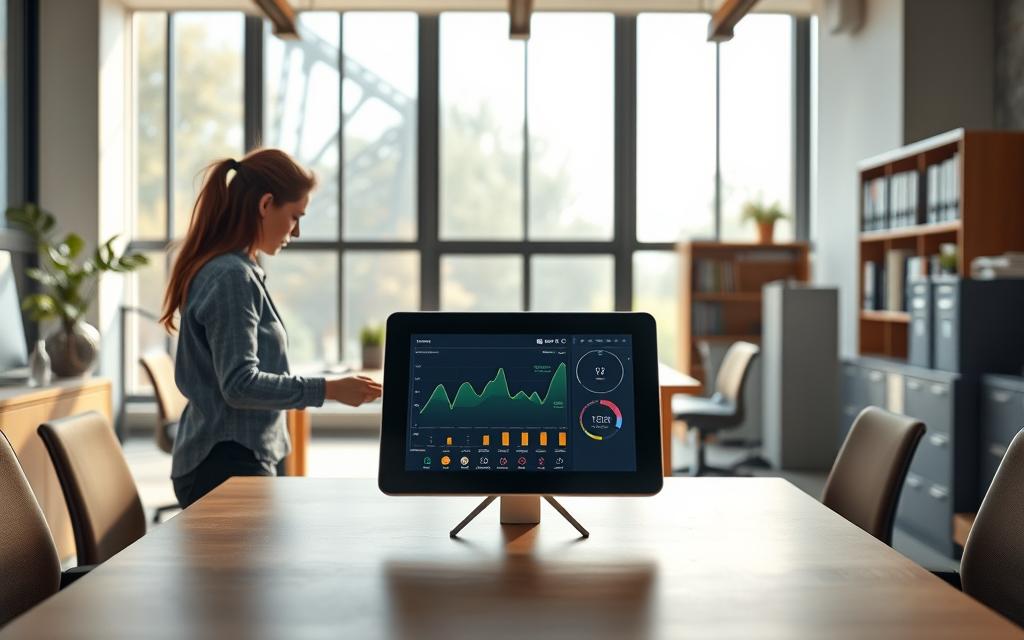
The future of smart meters looks bright, with new tech on the horizon. We can expect better connectivity and data analysis. These changes will bring in artificial intelligence, making energy use in homes smarter and more efficient.
Smart meters will soon play a bigger role in our daily lives. They will work better with our home devices, making energy use easier. This means we can use less energy when prices are low, saving us money.
But, there are still challenges ahead. Keeping our data safe from hackers is a big worry. We also need to keep investing in our energy systems. Some people might be hesitant to use new tech, so we need to teach them about its benefits.
| Challenge | Description | Potential Solution |
|---|---|---|
| Cybersecurity Threats | Increased risk of data breaches due to connected systems | Improved security protocols and encryption methods |
| Infrastructure Investment | Need for continued funding for technology updates | Government and utility partnerships for funding solutions |
| Public Resistance | Consumer hesitance towards adopting new technologies | Education campaigns to promote awareness and benefits |
Getting Involved: Consumer Advocacy
Consumers are key in shaping the future of energy management. They can do this by talking to utility providers about smart meters. By joining public forums, filling out surveys, and sharing their thoughts, they can help change utility policies.
This effort can make customer experiences better. It also helps match what consumers need with what utilities offer. So, being involved in energy management is very important.
How to Engage with Utility Providers
To talk to utility providers, start by knowing how to communicate well. Go to community meetings hosted by your local utility. Share your opinions and learn about smart meters.
Use social media, feedback forms, or direct messages to start a conversation. This helps protect consumers and makes sure their voices are heard. It creates a team effort in the energy world.
Understanding Rights as Customers
It’s crucial for consumers to know their rights with utility services and smart meters. Knowing these rights helps people ask for clarity, file complaints, or suggest changes. It gives them the power to stand up for themselves.
This knowledge lets consumers fight for their interests in the utility world. It’s important for their well-being.
Resources for Further Information
If you want to learn more about smart meters, there are many resources. State utility commissions, utility websites, and consumer groups offer lots of information. They have guides, educational materials, and support.
These resources can explain the benefits of smart meters and answer common questions. They help consumers understand energy management better. Using these resources can improve your advocacy efforts.