
Did you know smart inverter systems can boost solar energy conversion by up to 30%? These advanced technologies are changing how we use renewable energy at home. They turn the direct current (DC) from solar panels into alternating current (AC) for our homes.
Smart inverters do more than just convert energy. They manage energy flows smartly. This lets homeowners use energy better, work well with the grid, and aim for energy freedom. As key players in efficient energy use, smart inverters are vital for getting the most out of solar power and securing a green future.
What Are Smart Inverter Systems?
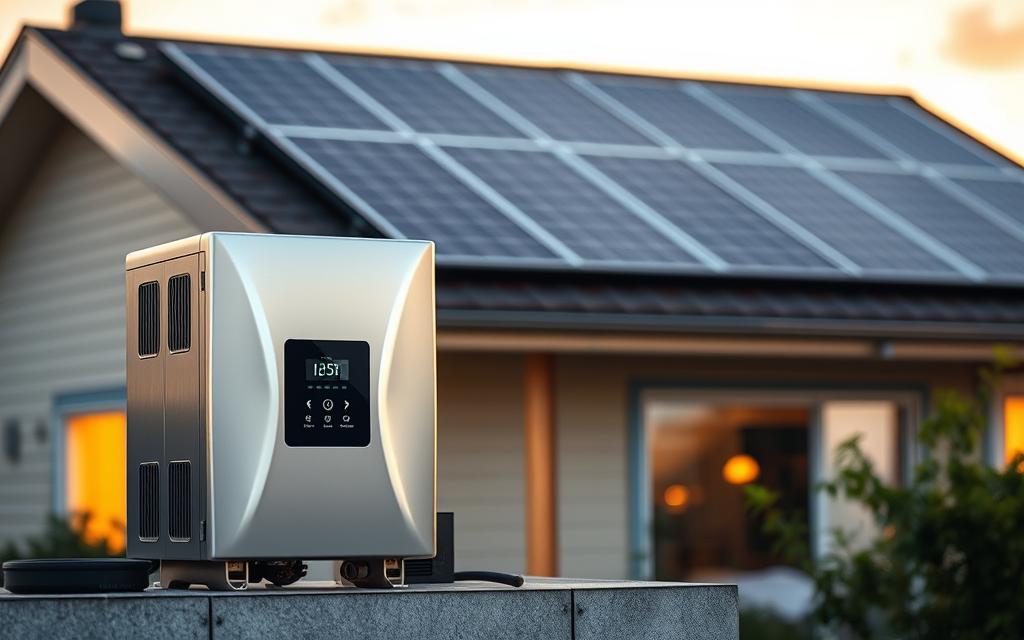
Smart inverter systems are a new step in solar technology. They make solar energy systems work better and more efficiently. These systems help manage how much energy is made and used, for homes and businesses.
By using smart inverters, people can make their energy use more efficient. They also make sure these systems work well with the grid.
Definition and Functionality
Smart inverter systems turn solar energy into electricity that we can use. They do important jobs like finding the best way to get energy from solar panels. This is called maximum power point tracking (MPPT).
These systems also adjust to changes in sunlight and weather. This means they make sure we get the most energy possible all day long. Plus, they help control the flow of electricity back to the grid, making energy use more efficient.
Key Components of Smart Inverters
Smart inverter systems have a few key parts:
- Advanced Processors: These let us watch how the system is doing and make changes as needed.
- Communication Interfaces: They help the system talk to grid-tied inverters. This makes sure everything works together well.
- Safety Features: These keep the system safe from problems and outages, making it more reliable.
Advantages of Smart Inverter Systems
Smart inverter systems offer many benefits that boost solar energy use. They help improve energy efficiency and ensure solar systems work their best.
Increased Energy Efficiency
Smart inverters can increase energy output by up to 30%. They do this by managing energy better, turning sunlight into electricity more efficiently. These systems watch how they’re doing in real-time. They adjust to get the most energy, no matter the weather.
Enhanced Grid Support and Stability
These systems also help the grid by sharing important energy data. This keeps the grid stable, especially when lots of energy is needed. Smart inverters work well with the grid, making energy distribution more reliable.
Cost Savings Over Time
Smart inverters save money in the long run. They let homeowners use energy wisely. They store extra energy made when it’s sunny. This way, people use less grid power, cutting down on bills.
| Advantage | Description |
|---|---|
| Increased Energy Efficiency | Boosts energy output by optimizing solar energy capture. |
| Enhanced Grid Support | Maintains grid stability through real-time data communication. |
| Cost Savings | Reduces utility bills by optimizing energy usage and minimizing grid reliance. |
How Smart Inverter Systems Work
Smart inverter systems are crucial for using solar energy. They make efficient energy conversion possible. This helps solar power blend well with the electrical grid. Knowing how they work shows how they manage energy better and cut down on waste.
Conversion Process Explained
Smart inverters start by changing direct current (DC) from solar panels into alternating current (AC). This makes the power good for home appliances. They use advanced technology to keep energy output high, even when sunlight changes.
Role in Energy Management
Smart inverters do more than just change power types. They help with smart grid integration, talking to the electrical grid in real-time. This lets them control energy flow, saving energy and cutting waste. They adjust power to fit what homes need, making energy use better and keeping the grid stable.
Smart Inverters vs. Traditional Inverters
The world of solar technology is always changing. This change highlights big differences between smart inverter systems and traditional inverters. Knowing these differences helps homeowners make better choices when looking into solar energy.
Efficiency Comparison
Smart inverters are more efficient than traditional string inverters. Traditional models just convert solar energy. But smart inverters have extra features like better energy management.
This means they lose less energy during conversion. They work well even when it’s partly shaded. Smart inverters can adjust to different energy needs, making them a top choice for saving energy.
Implementation and Installation Differences
Installing smart inverters is different from traditional ones. They might need extra wiring for features like remote monitoring. This can make installation take longer.
But, the extra effort is worth it because they need less maintenance and work better. As technology gets better, smart inverters become an even better option for those wanting reliable solar power.
Key Features of Modern Smart Inverter Systems
Modern smart inverter systems are changing how we manage energy. They have advanced features for better power management and energy efficiency. These systems work well in homes and businesses.
Advanced Communication Capabilities
Smart inverter systems use advanced tech for smooth communication with the grid. This lets them share data in real-time. It helps manage energy better and adjust to changing needs.
Remote Monitoring and Diagnostics
These systems let users check their solar system’s performance from anywhere. They use apps or web portals. It makes it easy to spot problems and fix them fast, keeping the system running well.
Integrability with Home Energy Systems
Smart inverters also work well with other home energy systems. They connect easily with batteries and smart home tech. This makes energy use more efficient and helps control power better.
The Role of Smart Inverters in Renewable Energy
Smart inverter systems are key to improving renewable energy. They make solar energy more efficient, ensuring it’s used or stored well. Their design lets them work with many renewable sources, making sustainable energy more reliable.
Contribution to Solar Energy Sources
Smart inverters are crucial for solar power. They manage energy flow and boost solar system efficiency. These inverters turn sunlight into usable power with little loss, helping homes use solar energy better.
Integration with Wind and Other Renewables
Smart inverters do more than just work with solar. They also connect with wind energy and other renewables. This makes energy systems more balanced and sustainable. It helps homes become energy independent, showing how vital smart inverters are for a green future.
Regulatory Standards and Compliance
Smart inverter systems and grid-tied inverters follow strict rules. These rules make sure inverters are safe, efficient, and work well. Knowing these rules is key for everyone in the solar energy field.
Overview of Standards for Inverters
Standards differ by area, but they often include safety checks, efficiency ratings, and how well they work with the grid. In the U.S., Underwriters Laboratories (UL) sets important standards. These standards help ensure smart inverters work right and safely in many situations.
They also help make sure renewable energy sources work well with the grid. This reduces the risk of electrical problems.
Importance of Compliance in Implementation
Following these standards when installing smart inverters is very important. It keeps the system safe and reliable. Knowing these standards helps installers and makers create systems that work well in their area.
If these standards are not followed, users might face safety issues or problems connecting to the grid.
| Standard | Description | Relevance |
|---|---|---|
| UL 1741 | Standard for Inverters, Converters, Controllers and Interconnection System Equipment for Use With Distributed Energy Resources | Ensures that the equipment can withstand various conditions while maintaining performance and safety. |
| IEEE 1547 | Standard for Interconnection and Interoperability of Distributed Energy Resources with Associated Electric Power Systems Interfaces | Facilitates reliable integration of smart inverters with the electrical grid. |
| IEC 62109 | Safety of Power Converters for Use in Photovoltaic Power Systems | Focuses on safety measures regarding electrical components. |
Future Trends in Smart Inverter Technology
The future of smart inverter systems looks bright. New technologies will make them work better and connect with renewable energy in new ways. Artificial intelligence is a big part of this change, leading to smarter power management.
Advancements in Artificial Intelligence
Artificial intelligence is changing smart inverters for the better. They will learn to match energy use with what’s available. This means better energy use and savings for everyone.
AI will also help smart inverters make smart choices about energy use. They’ll use data to decide how to manage energy in real time.
The Rise of Energy Management Systems
More people want systems that manage energy just for them. This need is driving the growth of energy management systems. These systems make energy use more efficient and save money.
As we focus on better power management, our energy systems will get more reliable. This will help us use renewable energy to its fullest potential.
Making the Switch: Choosing the Right Smart Inverter System
Choosing smart inverter systems needs careful thought. Look at efficiency ratings, how well they fit with your current energy setup, and the warranty. Knowing your energy use and installation needs helps make a smart choice for now and the future.
Factors to Consider
Efficient energy conversion is key. Different models suit different homes and energy needs. Also, think about installation. Some systems need a pro, while others are easier to set up. This choice affects your investment and ease of use.
Recommended Brands and Models
Top brands like SolarEdge, Enphase, and Fronius are known for their quality. The Sol-Ark inverter is great for hybrid solutions. Comparing these brands helps find a system that meets your needs now and in the future.