
Did you know that apartment dwellers can waste up to 30% more energy per square foot compared to single-family homes? This startling statistic highlights the critical need for smart energy solutions tailored specifically to compact living spaces.
Smart energy for apartments is revolutionizing how urban residents approach sustainability and cost management. Renters are no longer limited by traditional energy constraints. Modern technology offers innovative ways to create energy-efficient living spaces without permanent modifications or significant investments.
Sustainable apartment living isn’t just a trend—it’s a practical approach to reducing environmental impact and cutting utility costs. From smart thermostats to intelligent power management systems, apartment residents now have powerful tools to transform their living environments into models of energy efficiency.
This comprehensive guide will explore cutting-edge smart energy technologies designed specifically for small living spaces. We’ll dive into practical, renter-friendly solutions that can help you minimize energy consumption, maximize comfort, and create a more sustainable home—all while respecting lease agreements and space limitations.
Understanding Energy Consumption in Small Living Spaces
Apartment dwellers face unique challenges when it comes to energy efficiency. While smaller living spaces typically require less energy, hidden inefficiencies can dramatically impact your energy consumption patterns. Understanding these dynamics is crucial for renters looking to reduce energy bills and create more sustainable living environments.
Common Energy Challenges in Apartments
Apartments present several distinct energy efficiency obstacles that differ from traditional homes. These challenges can significantly affect your monthly utility expenses:
- Limited control over building infrastructure
- Shared walls that transfer heat and cold
- Outdated heating and cooling systems
- Restricted options for major appliance upgrades
- Phantom energy drain from multiple electronic devices
Older apartment buildings often suffer from poor insulation, making apartment energy saving tips critical for residents. Renters might find themselves paying for inefficiencies they cannot directly modify.
How Square Footage Impacts Your Energy Bill
Contrary to popular belief, smaller spaces don’t automatically guarantee lower energy costs. Multiple factors influence an apartment’s energy efficiency:
- Ceiling height affects heating and cooling requirements
- Unit location within the building
- Window-to-wall ratios
- Individual apartment exposure to sunlight
Understanding these nuanced energy consumption patterns empowers apartment residents to implement strategic energy efficiency approaches. By recognizing potential inefficiencies, renters can take proactive steps to minimize their energy expenses.
Benefits of Implementing Smart Energy Solutions
Smart energy solutions transform apartment living by offering multiple advantages that go beyond simple utility bill reductions. Energy consumption tracking becomes seamless with innovative technologies designed specifically for compact living spaces.
Apartment energy integration delivers significant benefits across several key areas:
- Financial AdvantagesReduced monthly utility bills
- Potential energy rebates and incentives
- Long-term cost savings technology
- Convenience FactorsRemote home environment control
- Automated scheduling
- Voice-activated device management
- Comfort ImprovementsConsistent temperature maintenance
- Elimination of temperature variations
- Enhanced indoor air quality monitoring
Smart home benefits extend beyond personal comfort. Renters can now contribute to environmental sustainability while enjoying cutting-edge technology that moves with them between apartments.
The investment in smart energy solutions provides measurable returns. Residents typically experience 10-30% energy consumption reductions, making these technologies both environmentally responsible and economically smart.
Smart Thermostats: Your First Step to Energy Efficiency
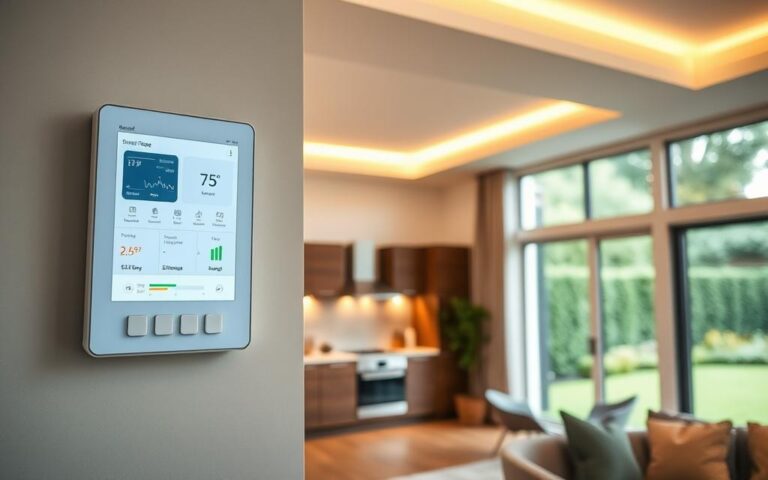
Smart home technology for renters has revolutionized energy management, with smart thermostats leading the way in efficient temperature control. These intelligent devices transform how apartment dwellers manage their home’s climate while reducing energy consumption.
Smart thermostats offer renters an unprecedented opportunity to optimize their living spaces. These renter-friendly smart devices provide programmable temperature control that adapts to individual lifestyle patterns.
Top Smart Thermostat Options for Renters
Selecting the right smart thermostat can dramatically improve energy efficiency. Consider these top recommendations:
- Google Nest Thermostat: Easy DIY smart thermostat installation with no C-wire requirement
- Ecobee SmartThermostat: Includes room sensors for multi-room temperature balancing
- Honeywell Home T9: Focuses on room-specific comfort settings
- Emerson Sensi: Budget-friendly option with straightforward setup
Installation Without Damaging Apartment Walls
Renters can enjoy smart home technology without risking their security deposit. Here are key installation strategies:
- Check system compatibility before purchasing
- Use C-wire adapters when necessary
- Photograph original thermostat setup
- Keep original thermostat for future reinstallation
Modern smart thermostats typically offer energy savings between 15-23%, making them an excellent investment for budget-conscious renters seeking to reduce utility costs.
Energy-Efficient Lighting Systems for Compact Spaces
Lighting can consume up to 20% of an apartment’s electricity, making smart lighting solutions a critical strategy for energy conservation. LED technology has revolutionized how we illuminate our living spaces, offering unprecedented efficiency and flexibility for apartment dwellers.
Modern apartments require intelligent lighting approaches that maximize both energy savings and comfort. Automated lighting control allows residents to transform their compact spaces with minimal effort:
- Smart bulbs that connect to smartphone apps
- Motion-activated LED fixtures
- Voice-controlled lighting systems
- Color-temperature adjustable options
Energy star lighting products provide significant advantages over traditional bulbs. LED bulbs consume 75% less energy and last up to 25,000 hours, making them ideal for apartments with limited electrical infrastructure.
“Smart lighting isn’t just about saving energy—it’s about creating personalized living environments that adapt to your lifestyle.”
When selecting lighting for small spaces, consider these key factors:
- Lumens vs. watts for appropriate brightness
- Color temperature for different activities
- Compatibility with existing smart home systems
Investing in smart lighting solutions might seem expensive initially, but the long-term benefits include reduced electricity bills, enhanced living experiences, and increased apartment value.
Smart Energy for Apartments: Complete Integration Guide
Transforming your apartment into a smart energy ecosystem requires strategic planning and intelligent device integration. Apartment automation goes beyond individual gadgets, creating a cohesive network that maximizes energy efficiency and convenience.

Developing an effective smart power management strategy involves carefully selecting and connecting devices that communicate seamlessly. The key is understanding how different technologies work together to create a responsive home environment.
Creating an Automated Energy Ecosystem
Building a comprehensive energy monitoring system starts with understanding your specific needs. Consider these critical steps for successful apartment automation:
- Assess current energy consumption patterns
- Identify high-impact areas for smart integration
- Select a central home automation hub
- Ensure device compatibility
Connecting Multiple Smart Devices Seamlessly
Successful device integration depends on understanding communication protocols and network capabilities. Modern home automation hubs offer solutions for apartments with complex wireless environments.
Key considerations for smooth connectivity include:
- Choose devices supporting multiple communication standards
- Invest in reliable Wi-Fi extenders
- Implement network segmentation for security
- Prioritize user-friendly control interfaces
Pro tip: Start small and gradually expand your smart home ecosystem as you become more comfortable with the technology.
Smart Plugs and Power Strips to Eliminate Phantom Energy
Phantom energy, or vampire power, silently drains your apartment’s electricity, costing you up to $200 annually. These sneaky power consumers lurk in everyday devices, consuming electricity even when they appear to be turned off.
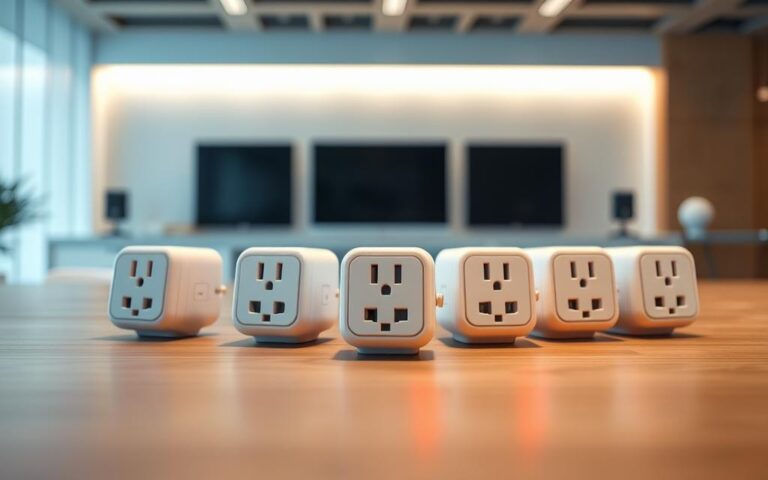
Smart outlets offer an innovative solution for standby power reduction. These intelligent devices help apartment dwellers cut unnecessary energy consumption by completely shutting down electronics not in active use.
- Monitor real-time energy consumption
- Schedule automatic power cycling
- Control devices remotely via smartphone
- Integrate with voice assistant platforms
Popular vampire power solutions include smart power strips designed for specific zones like entertainment centers, home offices, and kitchen countertops. Brands like TP-Link Kasa and Wemo Mini provide affordable options ranging from $8-$25 per unit.
Strategic placement of smart outlets can transform your apartment’s energy efficiency. Identifying which devices truly require constant power becomes crucial in maximizing vampire power elimination. Essential devices like refrigerators remain connected, while chargers, gaming consoles, and kitchen appliances can be automatically powered down.
A $50 investment in smart plugs can recover costs within 6-12 months through phantom energy reduction.
By implementing smart outlet strategies, apartment residents can significantly reduce energy waste, lower electricity bills, and contribute to environmental sustainability.
Window Solutions and Climate Control Technologies
Windows play a critical role in apartment climate control, often accounting for significant energy loss. Renters face unique challenges when trying to improve their living space’s thermal efficiency without making permanent modifications.
Effective window insulation solutions can dramatically reduce energy consumption and improve comfort. Modern apartment dwellers have multiple options to optimize their thermal window treatments without extensive renovations.
Smart Blinds and Shades for Temperature Regulation
Automated shading systems offer an innovative approach to apartment climate control. These advanced window treatments provide several key benefits:
- Automatic temperature adjustment based on sunlight and indoor conditions
- Reduced HVAC energy consumption
- Protection against UV damage
- Enhanced interior comfort
Top smart blind technologies include battery-powered options that require no electrical work. Brands like Lutron Serena and IKEA Fyrtur offer motorized solutions compatible with most apartment settings.
Budget-friendly alternatives can also improve window performance:
- Thermal curtains with insulating properties
- Removable window film blocking heat transfer
- Draft stoppers for poorly sealed windows
Strategic window management can reduce energy costs by up to 25% in small living spaces. Renters can now create an energy-efficient environment without permanent installations.
Portable and Renter-Friendly Energy Monitoring Devices
Tracking energy consumption has become crucial for apartment dwellers seeking to understand and reduce their electricity usage. Portable energy devices offer an innovative solution for renters who want to gain insights into their electricity monitoring systems without making permanent modifications to their living space.
Renters now have access to several game-changing energy consumption tracking tools that provide real-time energy feedback:
- Plug-Level Monitors: Devices like Kill A Watt meters instantly reveal the energy consumption of individual appliances
- Smart Plugs: TP-Link Kasa and similar devices combine power control with detailed energy tracking
- Whole-Apartment Monitors: Sense Energy Monitor and Emporia Vue offer comprehensive electricity consumption insights
These portable energy devices typically range from $20 to $300, providing valuable insights that can quickly offset their initial cost. Users can identify energy-hungry appliances, detect potential malfunctions, and understand their baseline power consumption.
“Knowledge is power, especially when it comes to energy consumption”
Key benefits of energy monitoring include:
- Identifying unexpected energy consumption patterns
- Measuring the impact of behavior changes
- Detecting phantom energy drain
- Prioritizing potential energy-saving upgrades
For apartment residents without individual utility meters, these monitoring devices still offer crucial insights into personal energy use, empowering renters to make informed decisions about their electricity consumption.
Appliance Upgrades That Make a Difference in Small Spaces
Apartment dwellers face unique challenges when selecting efficient kitchen appliances. Compact appliances can dramatically reduce energy consumption while maximizing limited living spaces. Approximately 30% of home energy usage stems from appliances, making smart choices crucial for budget-conscious renters.
Compact Energy Star Rated Appliances
Energy Star certified appliances offer significant advantages for small living spaces. These space-saving energy devices consume 10-50% less energy compared to standard models. Apartment residents should focus on strategic appliance selections that balance performance and efficiency.
- Portable air conditioners with proper BTU ratings
- Compact refrigerators for supplemental storage
- Energy-efficient portable dishwashers
- Front-loading washing machines
Smart Kitchen Gadgets That Reduce Consumption
Modern kitchen technology provides innovative solutions for efficient cooking and energy management. Intelligent appliances can transform how apartment residents approach daily tasks while minimizing energy expenditure.
- Multi-cookers reducing cooking time and energy
- Air fryers consuming 70% less energy than traditional ovens
- Induction cooktops with 85% energy efficiency
- Smart coffee makers with auto-shutoff features
When considering appliance upgrades, calculate potential energy savings and explore available rebates. Responsible disposal of old appliances completes the sustainable approach to kitchen efficiency.
Budget-Friendly Energy Solutions for Every Apartment Dweller
Reducing energy bills doesn’t have to break the bank. Apartment dwellers can implement affordable efficiency upgrades that make a significant impact without spending a fortune. The key is strategic, low-cost energy improvements that maximize savings.
Smart energy solutions come in various budget levels, making it possible for everyone to improve their home’s energy efficiency:
- Zero-Cost Strategies:
- Adjust thermostat settings
- Unplug devices when not in use
- Use natural light
- Run full loads in appliances
- Low-Budget Upgrades (Under $50):
- LED bulb replacements
- Basic power strips
- Outlet sealers
- Window insulation film
Tracking your energy consumption is crucial. Many utility companies offer free energy audits and online calculators to help you identify potential savings. Prioritize upgrades that provide the highest return on investment for your specific living space.
Small changes can lead to substantial energy savings over time!
Creative financing options can further reduce your investment. Look for utility rebate programs, seasonal sales, and refurbished smart devices. By approaching budget energy solutions systematically, apartment residents can significantly reduce energy bills without major financial strain.
Conclusion
Smart home implementation in apartment spaces represents a transformative approach to energy efficiency. Renters now have unprecedented opportunities to control and optimize their energy consumption without permanent modifications or significant investments. The landscape of sustainable apartment living has evolved, providing accessible technologies that empower residents to reduce utility costs and environmental impact.
Energy efficiency apartments are no longer a distant dream but a practical reality. By strategically selecting smart devices like intelligent thermostats, LED lighting, and monitoring tools, apartment dwellers can create meaningful change. The key is starting small and gradually building a comprehensive energy management ecosystem that adapts to individual lifestyle needs.
Each technological solution represents a step toward more responsible energy use. From smart plugs that eliminate phantom energy drain to compact appliances designed for minimal consumption, apartment residents can significantly reduce their carbon footprint. The journey of sustainable living begins with a single, intentional choice—whether that’s replacing a traditional bulb with an LED or installing a smart thermostat.
Your apartment can become a model of efficiency and innovation. With modern smart home technologies becoming increasingly user-friendly and affordable, there’s never been a better time to embrace energy-conscious living. Start your transformation today, one smart device at a time, and witness the positive impact on both your utility bills and environmental contribution.
FAQ
Can I install smart energy solutions in my apartment without violating my lease?
Most smart energy devices are renter-friendly and can be installed without permanent modifications. Solutions like smart plugs, portable energy monitors, smart bulbs, and battery-operated smart thermostats can be easily implemented without damaging walls or requiring landlord approval. Always take photos of original setups and keep original equipment to restore the space when moving out.
How much money can I actually save by implementing smart energy solutions?
Apartment residents can typically save 15-23% on energy bills by implementing smart technologies. Smart thermostats alone can reduce heating and cooling costs by up to 20%, while smart plugs can eliminate 5-10% of phantom energy consumption. Your actual savings depend on your current energy usage, apartment size, and specific devices implemented.
Do I need technical skills to set up smart energy devices?
Modern smart energy devices are designed for easy installation and user-friendly interfaces. Most can be set up through smartphone apps with step-by-step guidance. Many devices like smart plugs, LED bulbs, and basic energy monitors require minimal technical expertise and can be installed within minutes.
Are smart energy solutions expensive?
Smart energy solutions range from budget-friendly to premium options. Basic devices like smart plugs start at $10-$25, while comprehensive systems can cost up to $300. However, most devices pay for themselves within 6-18 months through energy savings. Many utility companies also offer rebates and incentives for energy-efficient technologies.
Can I take my smart energy devices with me when I move?
Absolutely! One of the biggest advantages for renters is the portability of smart energy devices. Unlike permanent home improvements, smart thermostats, plugs, lighting systems, and monitors can be easily uninstalled and transported to your next apartment, making them a worthwhile long-term investment.
Will smart energy devices work in older apartments with outdated electrical systems?
Yes, many smart energy solutions are designed to be compatible with various electrical systems. Wireless devices like smart plugs, battery-operated monitors, and Bluetooth/WiFi-enabled technologies can work in apartments with older infrastructure. However, it’s recommended to check specific device compatibility and consult with the manufacturer if you have concerns.
How do smart devices help reduce my carbon footprint?
Smart energy devices help reduce carbon footprint by optimizing energy consumption. They minimize unnecessary energy use through features like automatic shutoff, precise temperature control, occupancy detection, and detailed energy monitoring. By reducing overall energy demand, these devices contribute to lower greenhouse gas emissions and support more sustainable living.
Can I integrate different smart energy devices from various brands?
Many smart devices can be integrated through universal platforms like Google Home, Amazon Alexa, or Apple HomeKit. These platforms allow devices from different manufacturers to communicate and work together. When purchasing devices, look for compatibility badges and check the supported integration platforms to ensure seamless connectivity.