
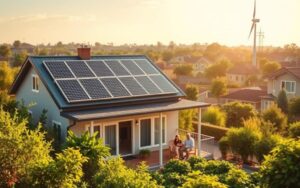
Did you know that homes use almost 20% of all energy in the U.S.? As people learn more about the environment, moving to clean energy at home is key. Switching to renewable energy cuts down on carbon emissions and saves money over time.
Choosing eco-friendly energy is now essential for living sustainably. This article will look at different ways homeowners can make the switch. We’ll give you the info and steps to use clean energy well.
Understanding Clean Energy and Its Benefits
Clean energy comes from sources like solar, wind, and geothermal. It produces electricity with less pollution. Homeowners can choose from many sustainable energy options, making it easier to leave fossil fuels behind.
What is Clean Energy?
Clean energy is made in ways that are kinder to the planet. It uses resources that can be replenished naturally. By choosing clean energy, people can help the Earth and live healthier.
Environmental Impact of Clean Energy
Switching to clean energy cuts down on pollution and greenhouse gases. It helps save natural resources and keeps ecosystems balanced. Communities enjoy cleaner air and fewer health problems.
Economic Advantages of Switching
Choosing green energy can save money in the long run. Renewable energy costs less to run after it’s set up. Plus, there are tax breaks and rebates to help make the switch affordable.
Types of Clean Energy Sources for Homes
Exploring clean energy sources helps homeowners live more sustainably. There are many renewable energy options, each with its own benefits. Knowing these choices helps homeowners pick the best for their needs.
Solar Power
Solar power is a top choice for homes. Solar panels turn sunlight into electricity. As technology gets better, costs go down and efficiency goes up.
This makes solar power affordable for many families. It can lower electricity bills and even let homeowners sell extra energy.
Wind Energy
Wind energy uses the wind to make electricity. There are small units for homes and bigger ones for communities. Homeowners can pick what fits their space and needs.
Wind energy is a great way to add to other green energy sources. It provides a reliable, sustainable power option.
Geothermal Systems
Geothermal systems use the earth’s heat to warm and cool homes. They are very efficient and can save a lot of energy over time. The cost to start might be high, but the long-term savings are worth it.
Biomass Energy
Biomass energy comes from organic materials like plants and animal waste. It helps reduce waste and can be a steady fuel source. Homeowners should check if there’s enough sustainable material in their area before choosing biomass.
Assessing Your Home’s Energy Needs
Before you start with renewable energy, it’s key to know your home’s energy needs. This means looking at where you can save energy. An energy audit is a great way to see how much energy you use and where you can cut back.
After you know where you can save, you can choose the right upgrades. This makes your home more energy-efficient and saves you money.
Conducting an Energy Audit
An energy audit is like a health check for your home. It measures how much energy you use. You can do it yourself or hire experts.
Checking your insulation, windows, and heating systems helps you find where energy is lost. This audit is important for planning how to make your home more energy-efficient.
Identifying Energy Consumption Patterns
Watching how much energy you use every day helps you find where it goes the most. This can be as simple as seeing which appliances use the most power.
Knowing this helps you make smart changes. These changes can save you a lot of money and help the planet.
Evaluating Your Roof and Space
Looking at your roof is important, especially if you’re thinking about solar panels. The condition, direction, and shade of your roof affect solar panel placement.
Understanding your roof and other factors helps you plan the best upgrades. This ensures your new systems work well and save you money.
How to Choose the Right Clean Energy System
Choosing the right clean energy system for your home is important. You need to think about your needs, how much space you have, and your local environment. This helps you make a smart choice that saves money and is efficient.
Factors to Consider
When looking at clean energy systems, there are key things to think about:
- Local Climate: Weather can affect how well systems like solar or wind work.
- Space Availability: Your property’s size and layout can affect what you can install.
- Initial Costs vs. Long-Term Savings: It’s important to weigh the upfront costs against future savings on energy bills.
Comparing Costs and Savings
It’s crucial to compare costs when looking at different clean energy systems. Knowing how long it will take to get your money back helps you decide if it’s worth it. Here’s a comparison table to help:
| Clean Energy System | Initial Cost ($) | Annual Savings ($) | Payback Period (Years) |
|---|---|---|---|
| Solar Power | 15,000 | 1,200 | 12.5 |
| Wind Energy | 25,000 | 2,000 | 12.5 |
| Geothermal Systems | 20,000 | 1,800 | 11.1 |
| Biomass Energy | 12,000 | 1,500 | 8.0 |
Local Incentives and Rebates
Many places offer incentives that can lower the cost of installation. It’s important to look into these programs. Governments often give rebates or credits for clean energy investments. Using these can help you save even more money.
Installing Clean Energy Solutions
Installing clean energy solutions needs careful planning and execution. Homeowners can choose to hire professionals or do it themselves. It’s important to know how to install systems like solar panels, wind turbines, and geothermal systems. Also, following local home energy regulations is key to avoid problems later.
Hiring a Professional vs. DIY
Deciding between hiring professionals or doing it yourself is a big choice. Professionals have the skills and experience to get the job done fast and right. On the other hand, DIY can save money but comes with its own set of challenges. Knowing safety rules and having the right training is crucial for success.
Understanding Installation Processes
Installing clean energy systems requires knowing the right steps. For solar power, placing panels in the right spot is key. Wind energy needs a spot with steady winds. Geothermal systems require checking soil and installing underground pipes. Each step is important for efficiency and performance.
Necessary Permits and Regulations
Home energy rules vary by area, so getting the right permits is crucial. Following local codes means submitting applications and passing inspections. Knowing these rules can make the installation smoother and more efficient.
Financing Options for Clean Energy
Switching to clean energy can be pricey, but there are ways to make it easier. Homeowners can look into different financing options. These include government grants, private loans, and tax breaks to help save money.
Government Grants and Loans
Government grants and loans for renewable energy can help a lot. These funds don’t need to be paid back. Homeowners can get low-interest loans that make clean energy systems affordable.
There are many federal and state programs to support sustainable living. These programs offer the financial help homeowners need.
Private Financing Solutions
Private financing options are also available. Green loans, solar leases, and power purchase agreements (PPAs) are some examples. These options have flexible payment plans that fit different budgets.
By looking at their financial situation, homeowners can find the best private financing. This makes it easier to achieve their clean energy goals.
Tax Incentives and Benefits
Tax incentives are key in reducing the cost of clean energy systems. Homeowners can get big tax credits for investing in renewable energy. This can greatly lower the cost of installation and maintenance.
By using tax incentives, homeowners can save a lot. They also help make the world a greener place.
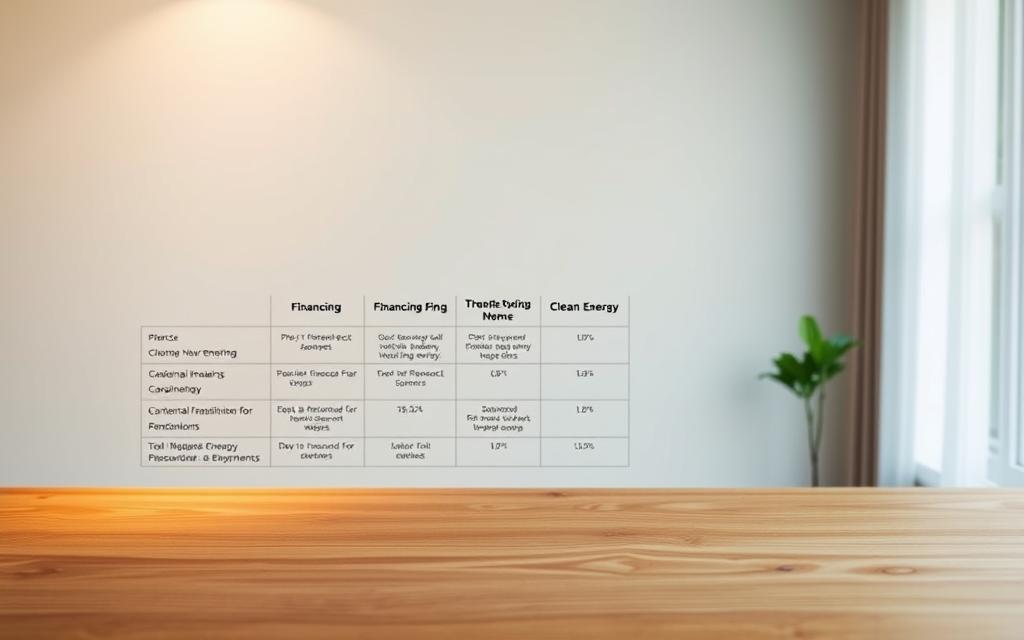
| Financing Method | Benefits | Considerations |
|---|---|---|
| Government Grants | No repayment required; helps cover upfront costs | May have specific eligibility requirements |
| Government Loans | Low-interest; allows for manageable repayments | Potentially lengthy approval process |
| Private Green Loans | Flexible terms tailored to budgets | Higher interest rates compared to government options |
| Solar Leases | Use systems without large upfront costs | No ownership of the solar system |
| Tax Incentives | Significant savings on installation | Dependent on tax situations and eligibility |
Maintenance and Performance Monitoring
Keeping clean energy systems running well is key. Regular maintenance boosts their life and efficiency. It also saves money by avoiding expensive fixes and improving energy use.
Routine Maintenance Tips
Following simple maintenance tips can extend the life of clean energy systems. Here are some important steps:
- Get regular checks from experts to spot problems early.
- Keep solar panels clean to catch more sunlight.
- Inspect wind turbine blades for damage or blockages.
- Make sure geothermal systems are clear of debris.
Monitoring Energy Output
Tracking how well clean energy systems work is vital. Homeowners can use tools to monitor energy output. This helps spot trends and areas for improvement. Some tools include:
- Real-time energy data dashboards for insights.
- Sensors for alerts on energy output changes.
- Mobile apps for tracking energy use and adjusting habits.
Troubleshooting Common Issues
Even with good maintenance, problems can occur. Knowing how to fix common issues saves time and money. Some common problems include:
- Solar panels not making enough electricity, often due to shading or dirt.
- Wind turbines being too loud, which can mean mechanical issues or need for oil.
- Geothermal systems not working well, possibly due to bad insulation or ductwork problems.
Real-Life Success Stories
Residential clean energy success stories from California and Texas show the power of renewable energy. These solar case studies highlight the big steps made in clean energy. They show what’s possible with community solar initiatives.
Case Study: Solar Adoption in California
California leads in solar energy adoption. Early users save money and see their property values rise. Savings are a big part of the state’s clean energy goal.
Many neighborhoods have solar panels. This shows how well policies work to promote renewable energy. Programs help make solar energy available to all, no matter their income.
Case Study: Wind Energy in Texas
Texas is a big player in wind energy. Its wind resources help grow wind technology for homes. Homeowners with wind turbines save money and use less traditional energy.
This leads to both environmental benefits and cost savings. It proves wind energy is a good choice for homes.
Community Initiatives for Clean Energy
Community efforts are key in promoting clean energy. Local governments, businesses, and residents work together. They find new ways to use clean energy.
Programs make community solar initiatives more accessible. They help more than just one household. Together, they invest in solar and wind projects. This leads to better energy security and prosperity for all.
Future of Clean Energy in Residential Homes
The world of clean energy in homes is changing fast. New solar panels and energy storage systems are making homes more sustainable and efficient. Bifacial solar panels and battery storage are becoming common, helping homes use more solar power even when it’s cloudy.
Policy changes are also key in shaping the future of clean energy at home. Governments are pushing for more use of renewable energy. This means more support for homeowners to switch to clean energy, like grants and easier permits.
Technology is playing a big role in clean energy too. Smart home systems with tools like smart meters are changing how we use energy. These systems help us use energy better and support a greener future.