
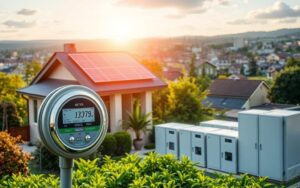
Did you know that by 2030, over 80% of new homes in the United States will have smart grid technology? This change brings many benefits, like lower energy bills and a greener lifestyle. Smart grids help use solar and wind power more efficiently.
Home energy systems are getting smarter, changing how we use energy. With the right steps, families can make their homes more efficient and eco-friendly. We’ll look at how smart grids and renewable energy can help homeowners save money and protect the environment.
What Are Renewable Energy Sources for Homes?
Renewable energy sources for homes are key in today’s world. They come from natural resources that can be replaced. Homeowners use these resources to live more sustainably.
Definition of Renewable Energy
Renewable energy comes from sources like sunlight, wind, and water. It’s different from fossil fuels, which are running out and harm the environment. Using renewable energy helps us use less traditional energy and makes our planet greener.
Key Components of Residential Renewable Energy Systems
Residential renewable energy systems have important parts. Homeowners pick different technologies to be efficient and green. Some common parts are:
- Solar photovoltaic (PV) panels, which turn sunlight into electricity.
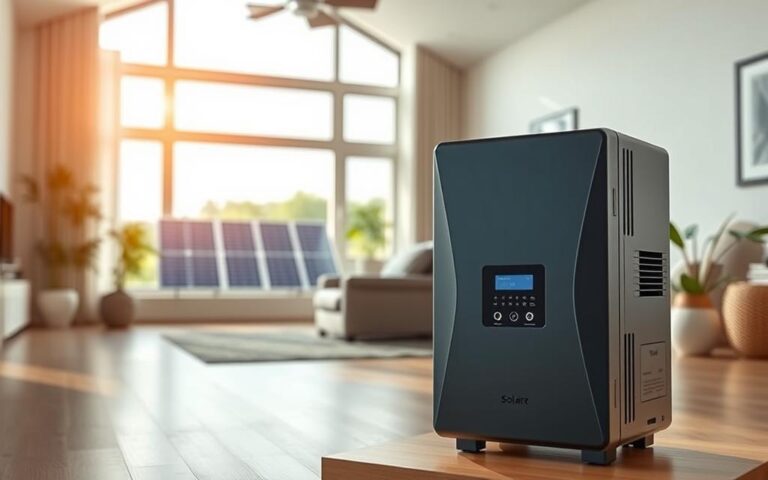
- Inverters that change DC electricity from solar panels to AC electricity we can use.
- Battery systems for storing energy, so we can use it when there’s no sunlight or wind.
- Small-scale wind turbines that make electricity from wind.
These parts work together to meet a home’s energy needs. They show how renewable energy can change our lives. By choosing solar or wind power, homeowners can cut down on energy costs and live more sustainably.
Benefits of Implementing Renewable Energy at Home
Switching to renewable energy at home brings many benefits. It makes homes more energy-efficient and saves money. It also helps the environment. More and more people are choosing eco-friendly home energy solutions.
Energy Efficiency and Conservation
Renewable energy systems make homes more energy-efficient. They cut down on energy waste, matching energy use with actual needs. Using green energy for homes can lower bills and reduce carbon emissions.
Cost Savings for Homeowners
Renewable energy can save homeowners a lot of money. Families often see their energy bills drop by up to 70% with solar panels. The cost of renewable energy at home pays off in a few years, offering long-term savings.
Environmental Impact
Renewable energy has a big impact on the environment. It cuts down on greenhouse gas emissions, helping fight climate change. Using renewable energy at home makes the planet healthier for the future.
How Home Renewable Energy Systems Work
Homeowners interested in green living should know how renewable energy systems work. These systems use natural resources to make electricity for homes. By combining solar and wind power, they create a strong system for using renewable energy at home.
Overview of Renewable Energy Infrastructure at Home
At home, renewable energy systems include solar panels, wind turbines, and batteries. Solar panels turn sunlight into electricity. Wind turbines use wind to add to the home’s power. These parts work together through a system that makes sure energy is used well.
Role of Solar and Wind Energy Sources
Solar and wind energy are key for a home’s energy independence. Solar energy gives power on sunny days. Wind energy helps in areas with good wind, cutting down on traditional energy use.
Communication Between Energy Systems
Good communication between energy systems makes them work better. Smart systems watch how much energy is made and used. This helps use power wisely, making homes run smoothly on renewable energy.
Features of Residential Renewable Energy Systems
Using renewable energy at home has many benefits. It makes homes more energy-efficient and sustainable. Homeowners looking to install solar panels and use smart grid technology need to know these benefits.
Solar Panels and Their Functions
Solar panels are key in renewable energy systems. They turn sunlight into electricity, cutting down on traditional energy use. Today’s solar panels work better, letting homes use the sun’s energy.
Home Energy Management Systems
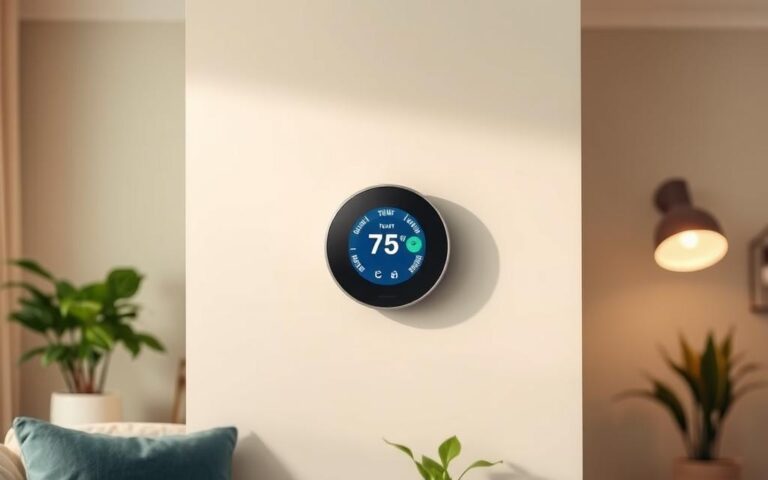
Home energy management systems (HEMS) give homeowners tools to manage their energy use. They adjust energy flow based on real-time data. Using smart grid technology, HEMS help save money and make homes more sustainable.
Integration with Smart Appliances
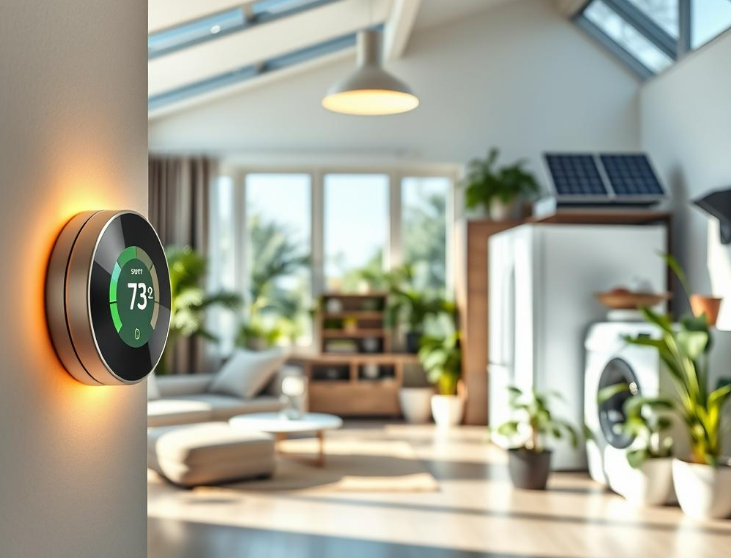
Smart appliances are a big part of home renewable energy systems. They let homeowners schedule energy use when solar energy is most available. This makes homes more efficient and eco-friendly.
| Feature | Description | Benefits |
|---|---|---|
| Solar Panels | Devices that convert sunlight into electricity | Reduces utility bills and reliance on non-renewable sources |
| Home Energy Management Systems | Systems to monitor and manage energy usage | Optimizes energy efficiency and saves costs |
| Smart Appliances Integration | Appliances that work with HEMS for better efficiency | Automates tasks and maximizes use of renewable energy |
The Role of Utility Companies in Home Renewable Energy
Utility companies are key in making homes use renewable energy. They work with homeowners to set up these systems. This helps both the companies and their customers.
Switching to clean energy at home needs new strategies from utility providers. They must make systems more efficient and reliable.
How Utility Providers Benefit from Renewable Energy Systems
Utility providers can lower their peak demand, making the grid more stable. As more homes use renewable energy, companies can offer incentives. This not only cuts costs but also makes them competitive in the energy market.
Customer Interaction and Feedback
Talking to customers is vital for renewable energy’s future. Utility providers can use feedback to improve services and solve concerns. This builds trust and shows the benefits of clean energy at home.
Demand Response Programs
Many companies have demand response programs. These programs ask customers to use less energy during peak times. This helps the grid and teaches people about renewable energy’s role in daily life.
These programs often have financial rewards. They benefit both the companies and the customers who join.
Challenges and Barriers to Implementing Renewable Energy at Home
Switching to renewable energy has many benefits. But, there are also big hurdles that stop many from making the change. It’s key for homeowners thinking about green energy to know these challenges.
High Initial Costs
Putting in renewable energy systems can cost a lot at first. For example, solar panels need a big investment. Even though you’ll save money on bills later, the start-up cost is still a big problem.
Technological Limitations
There are tech issues that make it hard to use renewable energy at home. Battery storage might not always be enough, and different systems don’t always work together well. Fixing these tech problems is crucial for making green energy more practical.
Consumer Awareness and Acceptance
Many people don’t know about the perks of renewable energy. They might not see the long-term benefits. Teaching more about green energy could help more people overcome their doubts and start using it.
Affordable Renewable Energy Solutions for Homeowners
More homeowners want affordable ways to use renewable energy at home. They aim to cut down on energy costs and use less. There are many options to make renewable energy a part of everyday life.
Energy Storage Options
Energy storage is key for getting the most out of home solar energy. Battery systems help store extra energy made during the day. This stored energy can be used when it’s needed most, saving money on bills.
Having a battery system means you can use solar energy even when it’s not sunny. This makes clean energy at home a reality.
Electric Vehicle Charging Integration
Adding EV charging stations to your home energy system is smart. It lets you charge your electric car with your own solar energy. This creates a cycle of clean energy use.
Using solar energy for your car is good for the planet. It makes your home more eco-friendly.
Solar Panel Installation Options
Installing solar panels is easier now, thanks to financing options and government help. You can choose a system that fits your needs. This way, you get the best renewable energy solutions.
With lower costs upfront and long-term savings, solar energy is a smart choice. It’s becoming more popular among homeowners.
Future Trends in Renewable Energy Technology for Homes
The world of home energy is changing fast. New tech is making renewable energy better and cheaper. This means homes can use energy in a way that’s good for the planet and saves money.
Innovations on the Horizon
New solar panels are getting better at turning sunlight into power. Also, things like lithium-ion batteries are becoming easier to use at home. These changes help homes use energy smarter and rely less on old ways.
Government Initiatives and Support
Government help is key for green energy at home. They offer tax breaks, rebates, and grants to encourage using new tech. This support makes it easier for people to switch to solar and energy-saving gadgets.
Predictions for Residential Renewable Energy Growth
Experts say more homes will use renewable energy soon. As people learn about saving money and getting government help, they’ll choose green energy more. This is a positive sign for our planet and for homes.
Case Studies of Successful Renewable Energy Installations
Looking at case studies in renewable energy shows us the real benefits of using green tech at home. In the U.S., many homes are now using solar power. This has led to big savings on utility bills and helped the environment.
When communities work together on renewable energy projects, they get even more benefits. This shows how teamwork can make a big difference in neighborhoods. It proves that homes can be both green and cost-effective.
Innovative Homes Using Solar Energy
Homeowners across the country are using solar panels to cut down on energy costs. For instance, a modern home in California installed solar panels on its roof. This setup not only meets the home’s energy needs but also makes extra electricity.
This extra power lets the homeowner get credits from the power company. It’s a win-win situation, saving money and helping the planet.
Successful Community Renewable Energy Projects
In the U.S., shared solar farms are showing how group efforts can benefit many families. The Solarize program is a great example. It lets neighbors buy solar panels together, saving money.
These projects make renewable energy more affordable and accessible. They also bring people together, showing the power of community involvement.
Lessons from Early Adoption of Renewable Technologies
Those who were first to adopt renewable energy have paved the way for others. They’ve shared their stories and successes, encouraging others to go green. Their experiences teach us about the importance of good design and regular upkeep.
These lessons help ensure that solar systems work well for a long time. They show that with the right care, renewable energy can be reliable and efficient.
| Type of Project | Location | Energy Savings | Community Benefits |
|---|---|---|---|
| Residential Solar Home | California | 75% reduction in energy bills | Excess energy credited to grid |
| Shared Solar Farm | New York | 50% savings for participating households | Community project financing |
| Innovative Community Project | Oregon | 30% savings | Increased energy independence |
Regulatory Environment and Policies Affecting Renewable Energy
It’s important for homeowners to understand the rules around renewable energy. These policies guide how systems are set up, making sure they work well and safely. Knowing these rules helps homeowners make smart choices about using renewable energy.
Government Standards for Renewable Energy Systems
Government standards set the rules for renewable energy systems. They cover how to install and how well systems should work. Following these rules keeps homes safe and helps the environment by using less energy.
Incentives Available for Homeowners
Homeowners can get help from the government to use renewable energy. There are tax breaks, grants, and rebates to make it cheaper. Knowing about these can help homeowners save money when they switch to renewable energy.
The Role of Nonprofit Organizations in Advocacy
Nonprofit groups push for better rules for using renewable energy at home. They help people understand why renewable energy is good and get involved. These groups work with lawmakers to make it easier for homeowners to use renewable energy.
Getting Started with Renewable Energy Technology
Switching to renewable energy at home boosts energy independence and cuts down on environmental harm. Homeowners looking to make this change should first figure out their energy needs. Different systems, like solar or wind, have unique needs and benefits that match different household goals.
This initial step helps decide the best option for your home.
Steps to Transition Your Home to Renewable Energy
After understanding your energy use, the next step is to look into local rules and incentives for renewable systems. Knowing the installation process and costs is key. Working with local renewable energy companies can offer valuable insights and help make the transition affordable.
Key Considerations for Homeowners
Homeowners should think about their property’s orientation, local weather, and connection to the grid when planning. These factors greatly affect how well your chosen system works.
Resources for Further Learning and Support
For more info on renewable energy, many resources are out there. Government sites and local workshops are great places to start. Talking to experts in the field can also help, offering personalized advice for your home’s energy setup.