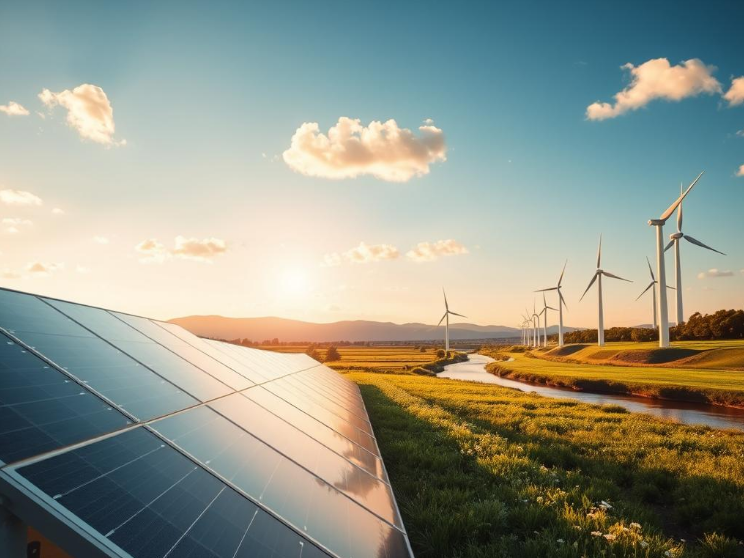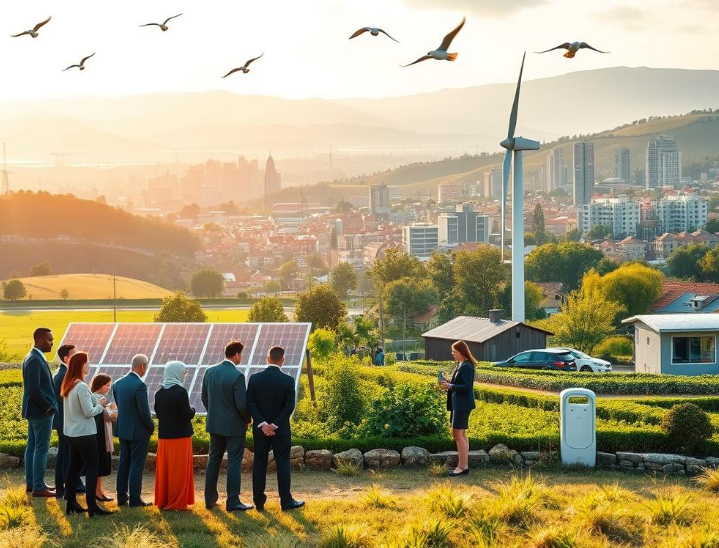


Over 750 community energy programs now operate across the United States, representing a powerful shift toward local renewable energy control. These sustainable community energy solutions are transforming how neighborhoods and rural communities approach power generation and distribution.
Renewable energy cooperatives are emerging as critical players in the national energy landscape. They enable communities to take direct ownership of their energy infrastructure, moving beyond traditional utility models and creating more resilient, environmentally responsible power systems.
Communities are discovering that local energy initiatives provide multiple benefits: reduced carbon emissions, economic opportunities, and increased energy independence. From urban solar gardens to rural wind projects, these innovative approaches demonstrate the potential of decentralized energy strategies.
The growing movement of community energy programs represents more than just technological innovation. It signifies a fundamental reimagining of energy production—placing control directly in the hands of local residents and cooperative members who understand their unique regional needs and environmental contexts.
This article explores the dynamic world of sustainable community energy solutions, showcasing how innovative cooperatives are pioneering a more democratic, efficient, and green approach to powering American communities.
The Growing Need for Community-Based Energy Independence
Communities across the United States are experiencing a critical shift towards local energy independence. The traditional centralized power grid is showing significant vulnerabilities that are pushing neighborhoods to explore alternative energy solutions.
The challenges facing our current energy infrastructure are substantial. Aging power systems, increasing electricity costs, and climate change impacts have created a compelling case for distributed energy resources. Energy democracy is emerging as a powerful model for local empowerment.
- Centralized grids are susceptible to extreme weather disruptions
- Fossil fuel market volatility drives unpredictable energy prices
- Local communities lack meaningful control over energy decisions
“Communities are realizing that energy independence is not just an environmental choice, but an economic necessity.” – Energy Policy Research Institute
Distributed energy resources like rooftop solar panels and community wind projects are transforming how local areas generate and consume power. These solutions reduce transmission losses, increase grid resilience, and keep energy investments circulating within local economies.
By embracing local energy independence, communities can create jobs, reduce carbon emissions, and build more sustainable regional energy systems. The shift represents more than technological innovation—it’s a fundamental reimagining of how we produce and consume electricity.
Understanding Cooperative Energy Models and Their Benefits
Cooperative energy systems represent a transformative approach to power generation and distribution. These innovative community-driven models empower local residents to take control of their energy production and consumption in ways traditional utilities cannot match.
Energy cooperative benefits extend far beyond simple electricity generation. These collaborative power models create unique opportunities for community engagement and sustainable development.
Democratic Ownership and Local Control
Community-powered energy cooperatives operate on a fundamental principle of democratic participation. Each member receives an equal vote, regardless of their financial investment. This approach ensures that local priorities drive decision-making processes.
- One member, one vote governance structure
- Direct community involvement in energy decisions
- Transparent operational processes
- Locally tailored energy solutions
Economic Advantages for Members
Cooperative power models deliver significant financial benefits to community members. By pooling resources, these organizations can negotiate better rates and generate economic value directly within the local ecosystem.
| Economic Benefit | Potential Impact |
|---|---|
| Reduced Energy Costs | 5-15% lower than traditional utilities |
| Patronage Dividends | Annual financial returns to members |
| Local Job Creation | Increased employment opportunities |
Environmental Impact and Carbon Reduction
Energy cooperatives are uniquely positioned to accelerate renewable energy transitions. By prioritizing environmental sustainability over profit, these organizations can implement aggressive carbon reduction strategies that traditional utilities often overlook.
- Commitment to renewable energy technologies
- Measurable carbon emission reductions
- Community-driven sustainability initiatives
Cooperative energy systems represent a powerful strategy for communities seeking greater energy independence, economic resilience, and environmental stewardship.
Solar Power Initiatives for Neighborhood Cooperatives
Neighborhood renewable energy is transforming how communities approach sustainable power generation. Community solar projects are revolutionizing local energy landscapes by empowering residents to collectively invest in solar infrastructure.
Cooperative solar initiatives offer unique advantages for urban and suburban neighborhoods. These collaborative approaches enable residents to overcome traditional barriers to solar adoption through strategic planning and shared resources.
- Solar gardens allow multiple households to subscribe to shared solar arrays
- Rooftop solar cooperatives distribute installation and maintenance costs
- Virtual net metering provides billing credits for solar production
The economic benefits of neighborhood renewable energy extend beyond individual savings. Cooperative models create opportunities for:
- Reduced per-unit installation costs
- Access to optimal solar sites for all members
- Collective bargaining with installers
- Shared maintenance responsibilities
Community solar projects demonstrate how collaborative approaches can accelerate clean energy transitions. By pooling resources and expertise, neighborhoods can create resilient, sustainable energy solutions that benefit both individual members and broader environmental goals.
Collective action transforms solar energy from an individual investment to a community-wide strategy for sustainable development.
Wind Energy Projects in Rural Community Settings
Rural landscapes across the United States are transforming into powerful hubs of community wind power. These regions offer unique advantages for local power generation, with expansive open spaces and consistent wind patterns creating ideal conditions for renewable energy development.
Rural energy cooperatives are pioneering innovative approaches to sustainable electricity production. Wind energy projects have become critical strategies for communities seeking energy independence and economic revitalization.
Small-Scale Wind Turbine Implementation
Local farms and agricultural communities can now leverage small-scale wind turbine technologies to generate their own electricity. Key considerations for successful implementation include:
- Comprehensive wind resource assessment
- Turbine size and capacity matching local energy needs
- Grid interconnection requirements
- Initial investment and long-term financial projections
Community Wind Farms and Revenue Sharing
Community-driven wind farm projects create unique economic opportunities for rural regions. These collaborative initiatives allow local residents to:
- Invest directly in renewable energy infrastructure
- Generate consistent revenue streams
- Reduce overall electricity costs
- Support local economic development
Successful wind energy cooperatives demonstrate that sustainable power generation can simultaneously address environmental concerns and economic challenges in rural communities.
Sustainable Community Energy Solutions That Transform Local Power Systems
Communities across the United States are revolutionizing their approach to energy through innovative sustainable community energy solutions. These transformative strategies shift power generation from centralized fossil fuel models to decentralized, community-owned renewable energy systems.
Distributed energy resources are changing the landscape of local power infrastructure. By integrating multiple renewable technologies, communities can create more resilient and flexible energy networks. Key components of these innovative systems include:
- Solar panel installations
- Community wind projects
- Smart energy management systems
- Local battery storage solutions
The core strength of these sustainable community energy solutions lies in their ability to empower local residents. Communities are no longer passive consumers but active participants in energy production and management. This approach dramatically reduces carbon emissions while providing economic benefits to local residents.
Technical infrastructure plays a crucial role in these energy transformations. Smart meters, advanced communication networks, and sophisticated energy management platforms enable real-time monitoring and optimization of power generation and consumption.
Transforming energy systems is about more than technology – it’s about creating resilient, sustainable communities.
Policy frameworks are critical in supporting these innovative energy models. State-level renewable energy standards and progressive interconnection rules help communities develop robust, community-owned renewable energy projects that benefit both local residents and the broader electrical grid.
Financing Options for Community Energy Projects
Transforming local energy systems requires innovative financial approaches. Community energy financing plays a critical role in making sustainable energy projects viable for neighborhoods and cooperatives across the United States.
Securing the right funding can be challenging for community energy programs. Fortunately, multiple financing strategies exist to help communities overcome initial investment barriers.
Federal and State Incentive Programs
Green energy financing becomes more accessible through government support. Key federal and state incentives include:
- Investment Tax Credit (ITC) for renewable energy projects
- USDA Rural Energy for America Program (REAP) grants
- Department of Energy funding opportunities
- State-level renewable energy credits (RECs)
Crowdfunding and Member Investment Models
Communities are increasingly turning to direct investment strategies. These innovative approaches allow local residents to become direct stakeholders in energy projects:
- Community investment campaigns
- Cooperative share offerings
- Direct public offerings (DPOs)
- Online crowdfunding platforms specialized in renewable energy
Green Bonds and Community Development Financing
Advanced financing mechanisms are expanding opportunities for community energy programs. Green bonds and specialized lending options provide alternative funding pathways:
- Community development financial institutions (CDFIs)
- Low-interest loans from state green banks
- Property Assessed Clean Energy (PACE) programs
By leveraging diverse financing strategies, communities can reduce financial risks and accelerate sustainable energy transitions.
Battery Storage and Microgrid Development for Energy Resilience
Communities across the United States are rapidly adopting microgrid technology as a cutting-edge solution to enhance energy resilience. These sophisticated energy systems combine renewable generation with advanced battery storage systems to create robust local power networks that can operate independently during grid disruptions.
Battery storage systems play a critical role in transforming community energy infrastructure. By capturing excess energy generated from solar and wind sources, these systems provide reliable power during peak demand or emergency situations. The key advantages include:
- Increased energy independence
- Reduced reliance on traditional power grids
- Enhanced reliability during extreme weather events
- Lower overall energy costs for community members
The technological landscape of energy resilience solutions continues to evolve rapidly. Lithium-ion batteries currently dominate the market, but emerging technologies like flow batteries and sodium-ion systems promise even greater efficiency and sustainability.
| Battery Technology | Storage Capacity | Typical Lifespan |
|---|---|---|
| Lithium-ion | 4-8 hours | 10-15 years |
| Flow Batteries | 6-10 hours | 20-25 years |
| Sodium-ion | 3-6 hours | 15-20 years |
Microgrid development represents a pivotal strategy for communities seeking to build robust, sustainable energy infrastructure. By integrating renewable generation, battery storage systems, and intelligent control mechanisms, local areas can create resilient power networks that withstand disruptions and support critical infrastructure during emergencies.
Case Studies of Successful Energy Cooperatives Across America
Community energy case studies reveal powerful insights into transformative cooperative power models across urban and rural landscapes. These real-world examples demonstrate how local communities are revolutionizing energy production through innovative collaborative approaches.
Urban community energy initiatives have emerged as groundbreaking solutions to traditional power distribution. Cities are developing unique strategies that empower residents to take control of their energy infrastructure.
Urban Community Solar Gardens
Minneapolis stands out as a pioneering example of urban community energy transformation. The city’s solar garden program enables residents to collectively invest in solar infrastructure, creating multiple benefits:
- Reduced individual energy costs
- Increased renewable energy capacity
- Enhanced community engagement
- Lower carbon emissions
“Community solar represents the future of urban energy independence” – Clean Energy Research Center
Rural Electric Cooperative Transitions
Rural communities are equally dynamic in reimagining energy production. Cooperative power models in states like Texas and New Mexico demonstrate remarkable transitions from traditional to renewable energy sources.
Pedernales Electric Cooperative in Texas provides a compelling case study. By investing in solar and wind technologies, they’ve successfully:
- Reduced dependency on fossil fuels
- Created local green energy jobs
- Stabilized electricity rates for members
- Developed sustainable regional energy infrastructure
These community energy case studies prove that collaborative approaches can drive meaningful sustainable energy transformations across diverse geographic contexts.
Overcoming Challenges in Implementing Community Energy Systems
Developing neighborhood renewable energy projects presents complex challenges for local communities seeking energy independence. Community energy cooperatives face significant obstacles that require strategic planning and innovative solutions.
Key challenges in establishing local energy systems include:
- Regulatory barriers limiting distributed generation
- Technical complexities of grid integration
- High upfront capital investment requirements
- Community consensus and engagement difficulties
Regulatory hurdles remain one of the most significant energy cooperative challenges. Utility companies often resist distributed generation models that disrupt traditional power distribution networks. Communities must develop comprehensive advocacy strategies to navigate these complex policy landscapes.
| Challenge Category | Primary Obstacles | Potential Solutions |
|---|---|---|
| Regulatory | Interconnection restrictions | Policy advocacy and coalition building |
| Technical | Grid integration complexities | Professional consulting and technical partnerships |
| Financial | High initial investment costs | Creative financing and grant opportunities |
Technical expertise represents another critical barrier for neighborhood renewable energy initiatives. Small communities often lack specialized knowledge required for successful implementation. Partnering with experienced developers and joining regional energy networks can provide essential support.
Financial constraints frequently impede local energy independence efforts. Creative financing approaches—including community bonds, crowdfunding, and targeted grants—can help overcome economic barriers. Demonstrating long-term economic benefits becomes crucial in gaining community support.
Successful community energy systems require persistent collaboration, strategic planning, and a commitment to overcoming systemic challenges. By addressing regulatory, technical, and financial obstacles systematically, communities can transform their energy landscapes.
Conclusion
Clean energy communities are transforming the American energy landscape, proving that sustainable community energy solutions are not just possible but increasingly practical. Cooperative energy systems offer a powerful pathway for local groups to take control of their energy production, reduce carbon emissions, and create economic opportunities directly within their neighborhoods.
The journey toward community-driven energy independence requires commitment, strategic planning, and collaborative effort. From solar gardens in urban settings to wind energy projects in rural areas, communities across the United States are demonstrating the potential of locally controlled energy systems. These initiatives showcase how cooperative approaches can simultaneously address environmental challenges and economic development goals.
Communities ready to pursue sustainable energy transformation should start by conducting comprehensive energy assessments, exploring financing options, and connecting with existing successful cooperative models. The roadmap to energy democracy is clear: engage local stakeholders, leverage available incentives, and build momentum through strategic pilot projects that demonstrate tangible benefits.
As renewable energy technologies continue to advance and become more accessible, community-based energy solutions represent a critical strategy for creating resilient, sustainable local economies. By embracing these innovative approaches, communities can drive meaningful change, reduce their carbon footprint, and build a more equitable and sustainable energy future for all.
FAQ
What are community energy cooperatives?
Community energy cooperatives are member-owned organizations that democratically control local energy systems, focusing on generating renewable energy through solar, wind, or other sustainable technologies. These cooperatives allow community members to collectively invest in, generate, and manage their own clean energy resources, prioritizing local benefits and environmental sustainability.
How do solar community projects work?
Solar community projects typically involve shared solar arrays where multiple households or members can purchase or subscribe to portions of a larger solar installation. These projects enable residents who cannot install individual rooftop systems to access solar energy, benefit from economies of scale, and receive credits on their utility bills for the power generated.
What financing options exist for community energy projects?
Community energy projects can access multiple financing mechanisms, including federal and state tax incentives, USDA Rural Energy grants, crowdfunding platforms, member investments, green bonds, community development financing, and specialized loan programs designed to support renewable energy initiatives.
Why are battery storage and microgrids important for community energy?
Battery storage and microgrids enhance energy resilience by storing excess renewable energy and allowing communities to operate independently during grid outages. They provide critical backup power, stabilize local energy systems, reduce dependency on centralized grids, and enable more efficient management of locally generated renewable energy.
Can rural communities effectively implement renewable energy?
Rural communities are often ideal for renewable energy implementation, particularly wind energy. They typically have more available land, stronger and more consistent wind resources, and existing cooperative structures that facilitate collective energy development. Rural areas can benefit from both small-scale turbines and larger community wind farms.
What challenges do community energy projects face?
Community energy projects often encounter regulatory barriers, complex utility interconnection requirements, high upfront costs, technical integration challenges, and the need to build community consensus. Successful projects address these challenges through strategic planning, innovative financing, community engagement, and partnerships with experienced energy developers.
How do energy cooperatives differ from traditional utility companies?
Unlike investor-owned utilities focused on profits, energy cooperatives are member-owned organizations that prioritize community benefits. Each member typically has an equal vote, regardless of investment size, and surplus revenues are often returned to members through patronage dividends, emphasizing democratic control and local economic development.
What environmental benefits do community energy projects provide?
Community energy projects directly contribute to carbon reduction by replacing fossil fuel-generated electricity with renewable sources. They enable local carbon emissions tracking, promote clean energy adoption, support sustainable infrastructure, and empower communities to take direct action against climate change through collaborative, locally controlled energy systems.