
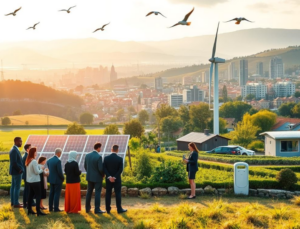
Did you know that renewable energy systems now generate over 20% of United States electricity, with potential to power nearly every community from bustling cities to remote farmlands? Clean energy infrastructure is revolutionizing how Americans think about power generation and consumption.
Sustainable energy solutions for urban and rural areas are no longer a distant dream but an immediate reality. Innovative technologies are breaking down traditional barriers between metropolitan and countryside energy approaches, creating adaptable strategies that meet diverse community needs.
The transformation of our energy landscape requires understanding each region’s unique characteristics. Rural communities can leverage agricultural resources, while urban centers optimize compact technological solutions. Both environments share a critical goal: developing resilient, environmentally responsible power systems that reduce carbon emissions and enhance economic stability.
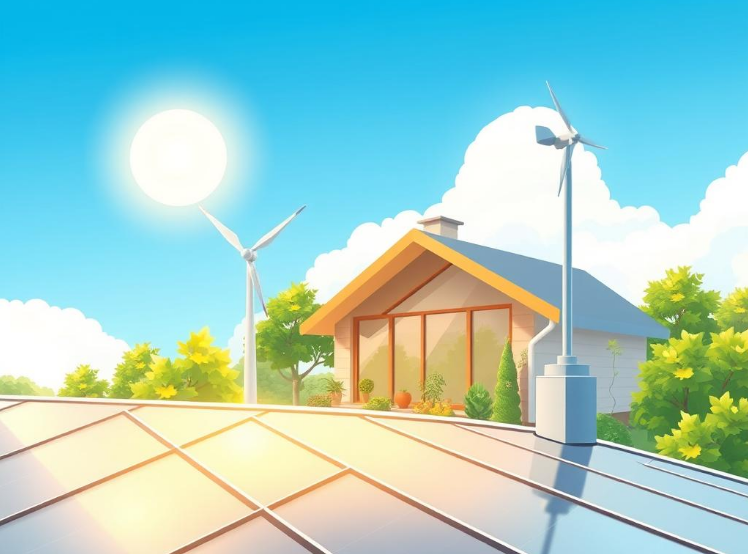
From solar panels on city rooftops to wind turbines in agricultural fields, renewable energy systems are proving their versatility. Each community can now customize clean energy infrastructure to match its specific geographical and economic conditions, driving a nationwide sustainable energy revolution.
The Growing Need for Clean Energy Across All Communities
The global energy landscape is undergoing a critical transformation. Communities nationwide are facing unprecedented challenges in energy production, distribution, and accessibility. Climate change mitigation has become an urgent priority for urban and rural areas alike, driving innovative approaches to sustainable energy solutions.
Modern society confronts a complex energy crisis that demands comprehensive strategies. The challenges extend far beyond simple power generation, touching on critical issues of energy access equity and environmental sustainability.
Understanding the Energy Crisis in Modern Context
The energy crisis reveals profound disparities in power infrastructure across different communities. Key challenges include:
- Aging electrical grid systems
- Increasing energy demand
- Fossil fuel dependency
- Escalating infrastructure costs
Urban centers experience unique pressures like peak demand and heat island effects, while rural regions struggle with limited grid access and higher energy expenses. These dynamics underscore the critical need for adaptable community energy projects.
Interconnected Energy Challenges
Rural and urban environments play complementary roles in the energy transition. Cities consume massive energy volumes, but rural landscapes offer expansive potential for renewable generation. Strategic collaboration between these settings can unlock unprecedented opportunities for sustainable development.
Energy access equity remains a fundamental goal. Marginalized communities often bear the heaviest burden of energy poverty, making innovative solutions not just desirable but essential for social and environmental justice.
Solar Power: A Versatile Solution for Every Setting
Solar power stands at the forefront of distributed energy resources, offering unprecedented flexibility for both urban and rural communities. Photovoltaic systems have revolutionized local power generation, transforming how we think about energy production and consumption.
Cities are discovering innovative ways to integrate solar technology into dense environments. Rooftop installations on residential buildings, commercial structures, and municipal facilities maximize limited urban spaces. Creative solutions include:
- Solar panels on parking structures
- Integrated solar windows in high-rise buildings
- Community solar programs for shared urban arrays
Rural areas present unique advantages for solar deployment. Large land parcels and fewer shading obstacles create ideal conditions for expansive solar farms. Agrivoltaics enable farmers to generate electricity while continuing agricultural production, turning unused land into productive energy resources.
Key benefits of solar power across different settings include:
- Energy independence
- Reduced electricity costs
- Minimal environmental impact
- Scalable infrastructure
Off-grid solar systems with battery storage provide reliable electricity to remote locations, addressing energy challenges in isolated communities. Financial incentives, including federal tax credits and state-level rebates, make solar investments increasingly attractive for homeowners and businesses alike.
Wind Energy Adaptations for Different Landscapes
Wind power generation has revolutionized how we approach green energy technology across diverse environments. From bustling urban centers to expansive rural landscapes, wind energy solutions are transforming the way communities generate electricity.
The versatility of wind energy technologies allows for innovative off-grid solutions that meet unique local needs. Different landscapes present distinct challenges and opportunities for harnessing wind power.
Urban Wind Turbines and Rooftop Systems
Cities are discovering creative ways to integrate wind power generation into existing infrastructure. Vertical-axis wind turbines (VAWTs) have emerged as a game-changing technology for urban environments.
- Compact design suitable for rooftop installations
- Ability to capture wind from multiple directions
- Reduced noise compared to traditional turbines
“Urban wind systems represent the future of sustainable city energy solutions” – Clean Energy Institute
Large-Scale Wind Farms in Rural Regions
Rural landscapes offer expansive opportunities for wind energy development. The Great Plains and coastal regions have become prime locations for utility-scale wind power generation.
| Region | Wind Power Potential | Average Turbine Capacity |
|---|---|---|
| Texas | High | 2-3 Megawatts |
| Iowa | Very High | 2.5-3.5 Megawatts |
These large-scale wind farms provide significant economic benefits to rural communities. Landowners can generate additional income through lease agreements while maintaining agricultural activities around the turbines.
- Tower heights exceeding 300 feet
- Rotor diameters over 400 feet
- Minimal land use disruption
Whether in urban or rural settings, wind energy continues to prove itself as a flexible and powerful green energy technology that can adapt to virtually any landscape.
Sustainable Energy Solutions Urban Rural Communities Are Adopting Today
The clean energy transition is transforming communities across the United States through innovative sustainable energy solutions. Urban and rural areas are developing unique approaches to renewable energy adoption that address their specific environmental and economic needs.
Cities are leading the charge with groundbreaking initiatives:
- New York City implementing large-scale building energy efficiency retrofits
- San Francisco launching community choice aggregation programs
- Chicago developing resilient neighborhood microgrid systems
Rural communities are equally innovative in their sustainable energy strategies:
- Iowa and Kansas farmers generating income through wind turbine installations
- Rural electric cooperatives in Minnesota transitioning to renewable portfolios
- Native American communities creating energy sovereignty through solar microgrids
“Sustainable energy is not just an environmental solution, but an economic opportunity for communities nationwide.” – Clean Energy Research Institute
Financing mechanisms are crucial in supporting these renewable energy adoptions. Green banks, community investment funds, and public-private partnerships are enabling both urban and rural regions to invest in clean energy infrastructure.
The clean energy transition is creating jobs, reducing carbon emissions, and providing energy independence for communities of all sizes. From rooftop solar in metropolitan areas to wind farms in agricultural regions, sustainable energy solutions are reshaping America’s energy landscape.
Biomass and Biogas: Converting Waste into Power
Waste-to-energy systems represent a groundbreaking approach to addressing environmental challenges while generating renewable energy. These innovative technologies transform organic waste into valuable power sources, creating sustainable solutions for both rural and urban communities.
Modern energy efficiency programs are increasingly focused on converting waste materials into clean, sustainable energy. The process of transforming organic waste into power offers multiple environmental benefits, including significant carbon footprint reduction.
Agricultural Waste Opportunities in Rural Areas
Farmers are discovering powerful opportunities to turn agricultural waste into energy through advanced biomass and biogas technologies. These systems provide multiple advantages:
- Convert animal manure into usable biogas
- Generate electricity from crop residues
- Produce nutrient-rich fertilizer as a byproduct
- Reduce waste management costs
Municipal Waste-to-Energy Programs in Cities
Urban areas are implementing sophisticated waste conversion technologies that transform municipal solid waste into electricity. These programs demonstrate the potential of integrated energy solutions.
| City | Waste Processing Capacity | Energy Generated |
|---|---|---|
| San Francisco | 500 tons/day | 15 MW |
| Los Angeles | 1,000 tons/day | 30 MW |
| Chicago | 750 tons/day | 22 MW |
These waste-to-energy systems offer comprehensive environmental solutions by simultaneously addressing waste management challenges and generating renewable energy. Communities can significantly reduce landfill volumes while creating sustainable power sources.
Hydroelectric and Micro-Hydro Systems
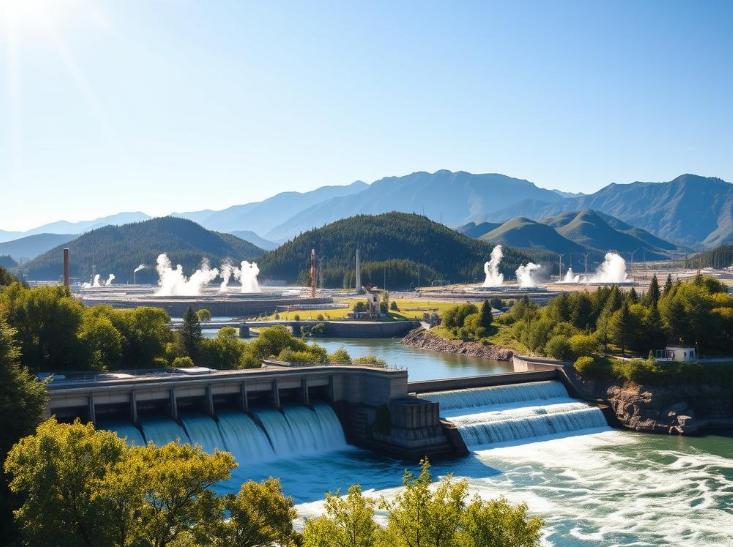
Renewable water power represents a critical component of resilient power systems across the United States. Hydroelectric technologies offer unique advantages for generating clean energy in both urban and rural settings. From massive dam projects to small micro-hydro installations, water-based power generation provides sustainable solutions for diverse communities.
Micro-hydro systems have emerged as particularly innovative smart energy systems for properties with suitable water resources. These compact installations can generate electricity using minimal water flow, making them ideal for remote locations or small-scale energy needs.
- Requires minimal water flow (typically under 100 kilowatts)
- Provides continuous power generation
- Operates with low environmental impact
- Offers long-term energy production (50+ years)
The key considerations for implementing micro-hydro systems include:
- Sufficient water flow rate
- Adequate vertical drop (head)
- Legal water rights permissions
- Appropriate turbine selection
Different turbine types like Pelton, Turgo, and crossflow can be matched to specific water conditions, ensuring optimal energy generation. Run-of-river systems have become particularly popular, minimizing ecological disruption while providing reliable renewable energy.
Water power represents a stable and consistent renewable energy source that can strengthen local energy infrastructure.
Rural and urban communities can benefit from these innovative hydroelectric approaches, creating more resilient power systems that reduce dependence on traditional energy sources.
Geothermal Energy Applications in Various Environments
Geothermal energy represents a powerful approach to sustainable development, offering innovative solutions for heating and cooling across different landscapes. By harnessing the Earth’s consistent underground temperatures, communities can achieve remarkable energy independence through geothermal heating cooling technologies.
Geothermal systems tap into the planet’s natural thermal resources, providing efficient climate control for both urban and rural environments. These technologies work by utilizing the stable ground temperatures that remain consistent regardless of surface weather conditions.
District Heating Systems for Urban Neighborhoods
Urban areas can leverage advanced geothermal district heating systems to create sustainable energy networks. These innovative solutions offer multiple benefits:
- Centralized thermal energy distribution
- Reduced individual building infrastructure costs
- Lower carbon emissions
- Enhanced energy efficiency
Cities like Boise, Idaho demonstrate the long-term potential of geothermal district heating, with systems operating successfully for decades.
Ground-Source Heat Pumps for Rural Properties
Rural communities can dramatically improve their energy independence through ground-source heat pump technologies. These systems provide comprehensive climate control by extracting thermal energy directly from the ground.
Key advantages for rural properties include:
- 25-50% lower operational costs compared to traditional systems
- Reduced reliance on fossil fuels
- Extended equipment lifespan (25+ years)
- Flexible installation options
Property owners can expect installation costs between $10,000-$30,000, with potential tax credits and long-term savings making these systems increasingly attractive for sustainable development.
Energy Storage and Smart Grid Technologies
The future of sustainable energy depends on advanced battery storage solutions and intelligent grid technologies. Smart energy systems are revolutionizing how communities generate, store, and consume electricity across urban and rural landscapes.
Distributed energy resources have transformed the traditional power grid into a more flexible and resilient network. Modern battery storage solutions enable households and businesses to:
- Store excess renewable energy
- Provide backup power during outages
- Optimize electricity consumption costs
- Participate in demand response programs
Cutting-edge technologies like lithium-ion batteries and advanced metering infrastructure are making renewable energy more practical and accessible. Smart grid technologies can now integrate various energy sources, from rooftop solar to electric vehicle charging systems, creating more efficient and responsive power networks.
Key advantages of modern smart energy systems include:
- Enhanced grid reliability
- Reduced carbon emissions
- Lower electricity costs
- Increased energy independence
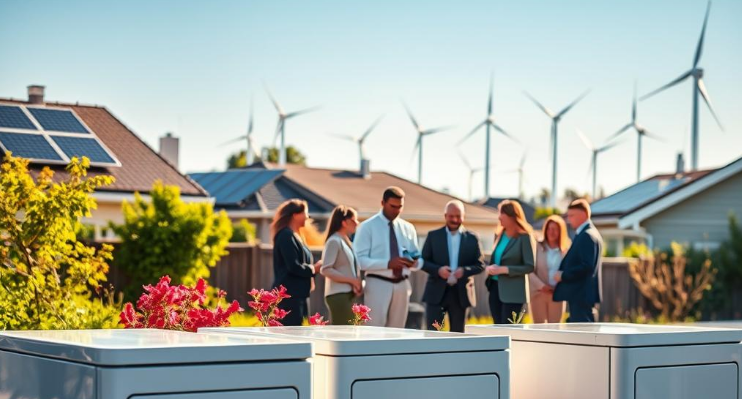
Rural and urban communities are experiencing significant benefits from these innovative technologies. Microgrids and virtual power plants demonstrate how distributed energy resources can create more resilient and sustainable energy ecosystems.
Conclusion
The journey toward sustainable energy represents a critical pathway for climate change mitigation across urban and rural communities in the United States. Our exploration reveals a diverse landscape of renewable energy solutions that can transform how we generate, distribute, and consume power. From solar panels on city rooftops to wind turbines in agricultural fields, community energy projects are proving that clean energy is not just possible—it’s already happening.
Each region brings unique strengths to the sustainable energy future. Urban centers offer technological innovation and concentrated energy demand, while rural areas provide expansive landscapes perfect for large-scale renewable installations. The synergy between these environments demonstrates that no single community is left behind in the energy transition. Advanced technologies like smart grids, energy storage systems, and adaptive renewable technologies are breaking down traditional barriers between different geographic settings.
Individuals and local governments play crucial roles in accelerating renewable energy adoption. By supporting policy initiatives, investing in community energy projects, and making informed personal choices, every American can contribute to a cleaner, more resilient energy ecosystem. The economic benefits are clear: reduced energy costs, new job opportunities, and increased energy independence strengthen local economies while protecting our environmental resources.
Our sustainable energy future is not a distant dream but an unfolding reality. The technologies exist, the economic incentives are growing, and communities nationwide are taking bold steps toward clean energy transformation. As we continue to innovate and collaborate, we move closer to an energy system that supports both environmental health and economic prosperity for generations to come.
FAQ
What are sustainable energy solutions for urban and rural areas?
Sustainable energy solutions include solar power, wind energy, biomass, biogas, hydroelectric systems, and geothermal technologies. These renewable energy sources can be adapted to different environments, with urban areas using rooftop solar, small wind turbines, and district heating, while rural regions can implement large-scale wind farms, agricultural waste-to-energy projects, and ground-source heat pumps.
How do renewable energy technologies differ between cities and countryside?
Urban areas typically focus on distributed energy resources like rooftop solar, compact wind turbines, and integrated energy systems that maximize limited space. Rural regions have advantages in large-scale renewable installations, including expansive solar farms, wind turbines on agricultural land, and biomass systems using agricultural waste. Both settings aim to create efficient, localized energy solutions tailored to their specific environmental and infrastructure constraints.
Are sustainable energy solutions cost-effective?
Yes, renewable energy technologies have become increasingly cost-competitive and economically viable. Falling technology costs, government incentives, tax credits, and long-term energy savings make sustainable solutions attractive. Many communities are finding that renewable energy not only reduces environmental impact but also provides economic benefits through job creation, reduced energy costs, and increased energy independence.
What are the primary challenges in implementing renewable energy?
Key challenges include initial installation costs, grid integration, energy storage limitations, regulatory barriers, and site-specific technical considerations. Urban areas may face space constraints and complex zoning regulations, while rural regions might struggle with grid access and transmission infrastructure. However, advancing technologies and supportive policies are increasingly addressing these challenges.
How can individuals support sustainable energy transition?
Individuals can support the transition by installing residential solar panels, participating in community solar programs, advocating for renewable energy policies, choosing energy-efficient appliances, and supporting local renewable energy initiatives. Educating oneself about sustainable technologies and their benefits is also crucial in driving broader adoption.
What role do energy storage technologies play in renewable energy?
Energy storage is critical for managing the intermittent nature of renewable sources like solar and wind. Battery systems, pumped hydroelectric storage, and smart grid technologies help balance energy supply and demand, provide backup power, and increase the reliability of renewable energy systems in both urban and rural settings.
Can rural communities benefit from renewable energy?
Absolutely. Rural areas often have significant advantages for renewable energy, including ample land for large-scale installations, agricultural waste for biomass energy, and consistent wind or solar resources. Many rural communities are generating additional income through renewable energy projects, creating jobs, and achieving greater energy independence.