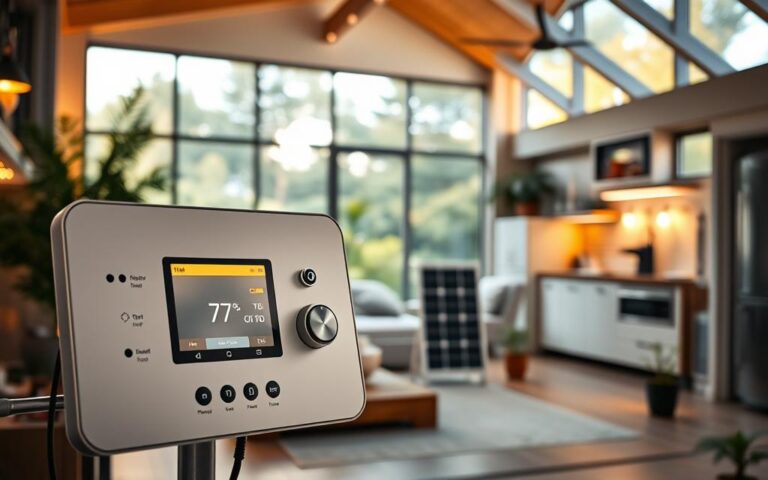


Ever thought you might be spending too much on energy every month? A DIY Home Energy Audit can show you where you’re using too much power. It also lets you take charge of your utility bills. By checking your home’s energy use carefully, you can find ways to save money this weekend. We’ll show you the important steps for a home energy check. This will help you make smart changes and cut costs.
Key Takeaways
- A DIY Home Energy Audit can significantly reduce your utility bills.
- Identifying air leaks and insulation quality is crucial for energy savings.
- Regular assessments of your HVAC systems can enhance efficiency.
- Utilizing energy auditing apps can simplify your evaluation process.
- Federal and state incentives can supplement your energy-saving efforts.
- Documenting findings during your audit is vital for long-term improvement.
Understanding What a Home Energy Audit Is
A Home Energy Audit checks how efficiently your home uses energy. It identifies where energy may be wasted. This helps to find hidden problems that make energy bills high and reduce comfort.
Definition and Purpose
The main goal of a Home Energy Audit is to pinpoint energy waste. Techniques like infrared imaging show how well your home is using energy. This helps make your home more efficient and cuts down on costs.
Benefits of Conducting an Audit
Conducting a Home Energy Audit brings many benefits:
- Lower energy bills: Fixing energy waste lowers your monthly expenses.
- Enhanced comfort: Your home stays evenly warm or cool, making it more comfortable.
- Increased property value: Homes with energy-efficient features are more attractive to buyers.
- Environmental impact: Saving energy helps the planet by reducing your carbon footprint.
Preparing for Your Home Energy Audit
Getting ready for a home energy audit is key to checking your house’s energy use properly. You need the right tools and information to make the process smooth and the results accurate. It’s important to collect some equipment and look at old utility bills before starting your audit.
Tools and Supplies You’ll Need
- Flashlight for better visibility in dim corners
- Blower door test kit to identify air leaks
- Thermal camera to detect insulation issues
- Notepad for documenting your observations
- Moisture meter for assessing dampness
Gathering Utility Bills for Analysis
It’s essential to look at your old utility bills to understand how you use energy. Reviewing this data helps target your energy check better. Spot patterns or times when your energy use went up. This step will guide you to set smart goals for saving energy, making your audit count.
Inspecting Your Home’s Exterior
Checking your home’s exterior carefully is key for a good residential energy audit. This step helps you find areas that might lose energy. It’s important to look for air leaks, check insulation, and review windows and doors. Each part is essential for saving energy.
Checking for Air Leaks
Air leaks can really make your energy use go up. Try the “smoke pencil” technique to find drafts. Gently move the smoke pencil near windows, doors, and other spots where air might escape. Watching the smoke move can show where leaks are. Fixing these leaks can drop your energy bills and make your home more comfortable through the seasons.
Evaluating Insulation Quality
The insulation in your attic and walls is big for how efficient your home is. Start by looking at areas where you can see the insulation. Check how thick it is and if it’s in good shape. Look for any gaps or wet spots, as these can lower how well the insulation works. Good insulation keeps your home warm in winter and cool in summer, making energy use better.
Assessing Windows and Doors
Windows and doors often let energy escape. Look for any gaps, bad seals, or old weather stripping. Feel for drafts, which mean the sealing isn’t enough. Think about getting thermal curtains or new windows to save more energy. Addressing these issues can really help you save money in the long run.
Evaluating Heating and Cooling Systems
Checking your heating and cooling systems is key for a more energy-efficient home. This helps find problems that could cause high energy bills. By improving HVAC and ductwork, your home’s energy usage can get better.
Checking HVAC Efficiency
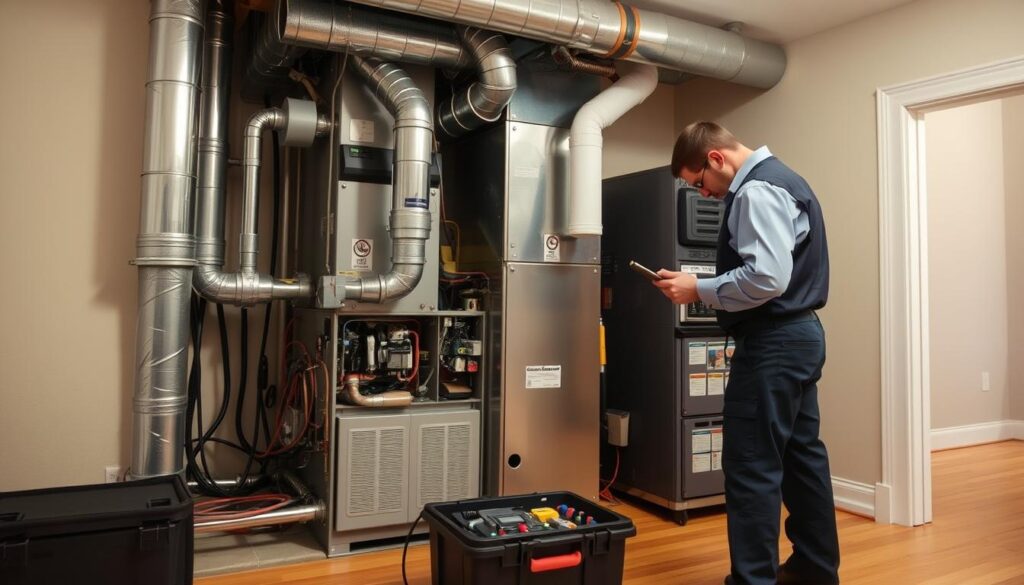
To look at HVAC efficiency, first check how old your unit is and its maintenance history. Older systems may not work as well, using more energy. Check the SEER rating to see how efficient your system is. A higher SEER means lower energy bills. Keeping your system maintained, like changing filters, also saves energy.
Inspecting Ductwork for Leaks
Making sure your ductwork is sealed and insulated can make your HVAC system work better. Look for any wear or gaps at joints and connections. You can use a smoke pencil to find leaks. Fixing these leaks stops energy waste and makes your home more efficient. Check your ducts yourself to keep them in top shape.
Analyzing Indoor Energy Use
Learning how much energy you use inside is key to finding ways to use less electricity and spend less money. Looking closely at your appliances and lights is part of this. You learn which ones use too much energy and see how you can switch to better ones.
Identifying Energy-Hungry Appliances
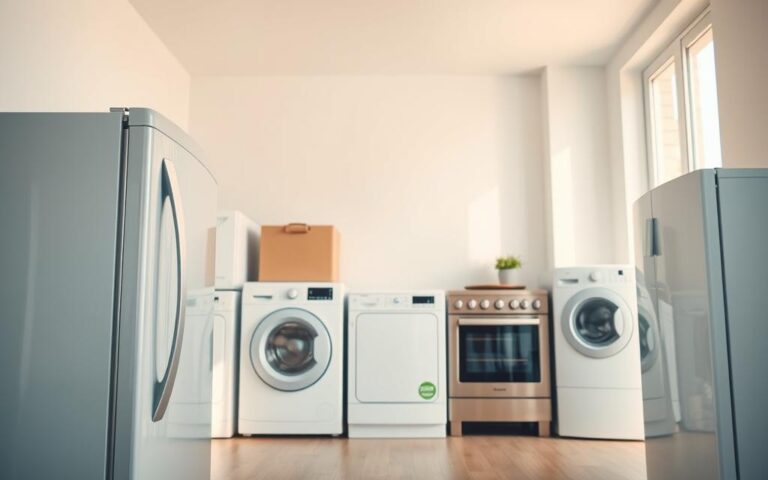
First, check the big appliances in your house. Things like fridges, washers, and heaters can make your energy bill go up. It’s smart to use energy monitors to know exactly how much they use. Then, see how they stack up against newer, more efficient models.
| Appliance Type | Average Annual Consumption (kWh) | Energy-Efficient Model Consumption (kWh) |
|---|---|---|
| Refrigerator | 700 | 400 |
| Washing Machine | 500 | 300 |
| Water Heater | 4,500 | 3,500 |
Assessing Lighting and Electrical Use
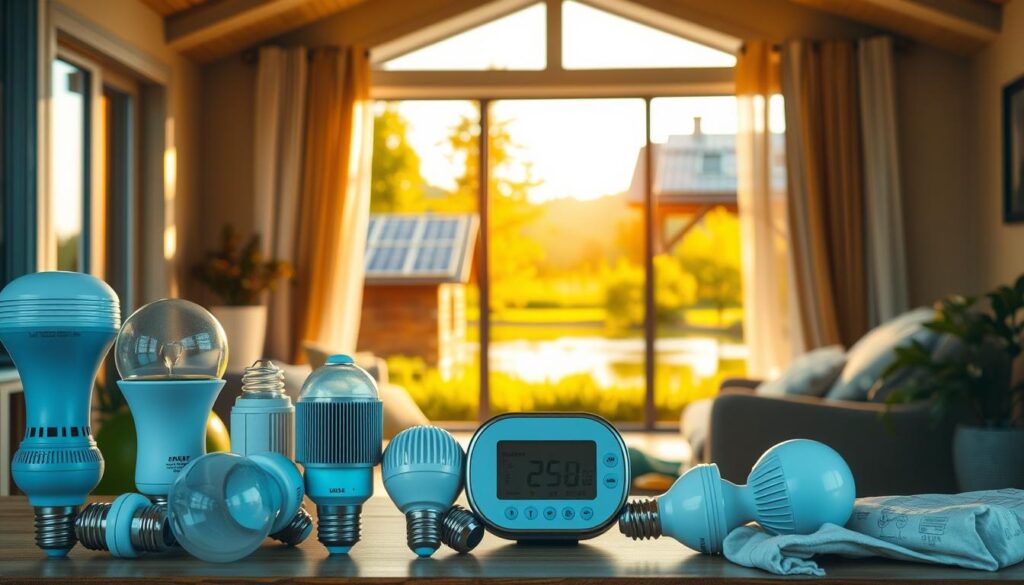
Then, look at how your home is lit. Old-school bulbs use more energy than newer ones, like LEDs. Checking your lighting and choosing right can lower how much energy you use. Using dimmers and smart lights can make things even better.
Conducting a Room-by-Room Assessment
Checking your home for energy efficiency is best done step by step. Look at every room on its own. This helps you see where changes can make a big difference. With this careful check, you can plan better ways to save energy in each area.
Prioritizing Areas for Improvement
First, figure out which rooms use the most energy or are not efficient. The kitchen and living room often use a lot of energy. This can really add to your bills. Think about how often you use the room, if there are appliances that use a lot of power, if it’s drafty or poorly insulated, and how much sunlight it gets.
- Room usage frequency
- Energy-hungry appliances present
- Poor insulation or draft issues
- Natural light availability
Documenting Findings for Each Space
Writing down what you find in each room is key. Note the state of insulation, drafts, and how well appliances work. Pictures can also help. Put your notes in a table to make sense of them easier. This can help you decide what to fix first. See the example below:
| Room | Issues Identified | Recommended Improvements |
|---|---|---|
| Living Room | Drafts from windows; outdated lighting | Seal gaps; replace bulbs with energy-efficient LEDs |
| Kitchen | Old refrigerator; inefficient dishwasher | Upgrade appliances; check for energy star ratings |
| Bedroom | Poor insulation in ceiling; unused electrical devices | Improve ceiling insulation; unplug devices |
Using Energy Auditing Apps and Tools
Using energy auditing apps and tech can make your DIY energy check-up much better. These tools help you easily collect and study how energy is used in your home. They are designed to make the audit simpler and show you how you use energy.
Popular Apps for DIY Audits
EnergyHub and Sense are top apps for energy auditing. They let you see your energy use as it happens, giving insights into how much energy your home uses. By using these tools, you can find out which parts of your home use too much energy and need work.
| App Name | Features | Platform | Cost |
|---|---|---|---|
| EnergyHub | Real-time monitoring, appliance tracking | iOS, Android | Free; premium features available |
| Sense | Energy insights, usage trends, device detection | iOS, Android | $299 (hardware cost) |
How Technology Can Simplify Your Audit
Using tech for energy audits makes collecting and analyzing data easier. These apps help you understand your home’s energy flow. You can see energy use in real-time, set goals, and get alerts about unusual use. This turns a big task into something you can handle, helping you cut your energy bills.
Implementing Energy-Saving Recommendations
After finishing your home energy audit, it’s time for the next steps. Effective energy-saving tips can greatly lessen your energy bills. They also make your living environment more sustainable. By acting on simple and major improvements, your home’s energy efficiency will improve.
Simple Fixes to Lower Energy Bills
Begin with easy, low-cost changes for a big impact. Add weather stripping around doors and windows to stop drafts. Fix leaks in your home’s exterior to boost comfort. Upgrade to ENERGY STAR-certified appliances to cut down energy use and save money. Switch to LED lighting to further reach your energy efficiency goals.
Long-Term Improvements for Efficiency
For lasting, eco-friendly home upgrades, focus on your home’s structure. Improve your attic and wall insulation to keep heat in, easing the strain on your HVAC system. Smart thermostats achieve better temperature control and energy use. These steps are vital for saving energy and enhancing your home’s comfort.
Incentives and Rebates for Energy Efficiency
Many homeowners don’t know about the incentives and rebates available. These can greatly lower the cost of making your home more energy-efficient. By using federal energy rebates and local energy-saving programs, upgrades become more affordable. This also helps in making the environment better. It’s important to know about these options to save more money.
Federal and State Programs
The federal government offers big incentives for saving energy. You might get tax credits, grants, or direct rebates for making your home more energy-efficient. State programs can add even more help. They provide extra money and help based on what your area needs most.
Local Utility Company Offers
Local utility companies are key in promoting energy efficiency. They offer rebates for buying energy-efficient appliances and for making your house better insulated. Many also give free checks to find ways to save energy in your home. Joining these programs can cut your utility bills quickly. It makes your home better at saving energy too.
| Program Type | Examples | Potential Savings |
|---|---|---|
| Federal Energy Rebates | Tax Credits for Solar Panels, Energy-Efficient Windows | Up to 30% off costs |
| State Programs | Rebates for Insulation, Heating, and Cooling Upgrades | $200 – $1,500 depending on improvements |
| Utility Company Programs | Direct Rebates for Appliance Replacements, Incentives for High-Efficiency Lighting | Varies by program, often $50 – $500 |
Common Mistakes to Avoid During the Audit
Doing a home energy audit can find ways to be more efficient and save cash. However, making mistakes during the audit lessens its value. Knowing what often goes wrong helps you dodge issues in the review. Getting familiar with important audit sections and checking them well makes the audit better.
Overlooking Key Areas
Missing important places during the audit can skip chances to save energy. People often forget areas like basements, attics, and crawl spaces. These spots may have bad insulation or leaks affecting your house’s energy use. Look at every corner of your house to make sure you’ve checked everywhere crucial.
Skipping Documentation
It’s vital to write down what you find during an energy audit. Not doing so can cause mix-ups when making changes. Note your findings, including problems found and possible fixes. This way, you keep track of everything and handle audit mistakes better later.
Reviewing Your Audit and Next Steps
After you finish your home energy audit, it’s key to review your findings closely. Take time to look over your results and make a plan that can save energy. Start by figuring out which areas need quick action based on what you found. This helps you decide what to do first and how to use your resources well.
Creating an Action Plan
Making a clear plan is crucial to make real changes from your audit. Set clear goals and when you want to achieve them. Say you find drafts or old appliances, pick deadlines to fix these. A good plan keeps you on track and motivates you as you use less energy.
Scheduling Follow-Up Audits
Booking future energy audits is smart to make sure your changes last. These checks help you see if your updates work and where to improve more. Doing this regularly keeps your home running efficiently, adjusting your plan to control costs.