
Did you know that heating and cooling systems consume nearly 48% of the average home’s total energy usage in the United States? This staggering statistic highlights the critical need for intelligent heating cooling systems that can dramatically reduce energy consumption and costs.
Smart HVAC energy solutions are transforming how we manage indoor climate control. By leveraging advanced technologies, homeowners and businesses can now implement energy-efficient climate control strategies that optimize temperature management while reducing environmental impact.
Automated temperature management has become a game-changer in the world of climate control. Modern intelligent systems use sophisticated sensors, machine learning algorithms, and IoT connectivity to create responsive and adaptive heating and cooling environments.
These innovative solutions go beyond traditional thermostats. They provide real-time monitoring, predictive maintenance, and personalized comfort settings that can significantly lower energy bills and minimize carbon footprints across residential and commercial spaces.
As energy costs continue to rise and environmental concerns become more pressing, smart HVAC technologies offer a promising pathway to more sustainable and efficient climate control solutions.
Understanding the Impact of HVAC Systems on Energy Consumption
HVAC systems represent a critical component of residential energy usage, dramatically influencing both household expenses and environmental sustainability. Understanding HVAC energy consumption provides homeowners with valuable insights into managing their energy efficiency and reducing overall carbon footprint.
The Role of Heating and Cooling in Residential Energy Bills
Heating and cooling costs typically account for 40-50% of residential energy expenses in the United States. These substantial energy usage statistics reveal the significant financial impact of climate control systems on household budgets.
- Winter heating can increase monthly energy bills by up to 30%
- Summer cooling represents another major expense in warm regions
- Different climate zones experience varied energy consumption patterns
“Efficient HVAC management can lead to substantial savings and reduced environmental impact.” – Energy Efficiency Expert
Environmental Considerations and Carbon Footprint Reduction
Traditional HVAC systems contribute significantly to greenhouse gas emissions. Residential energy efficiency improvements can dramatically reduce the carbon footprint HVAC systems generate, creating both economic and environmental benefits.
| Region | Average Annual HVAC Energy Consumption | Potential Reduction with Smart Systems |
|---|---|---|
| Southwest | 5,500 kWh | 20-30% |
| Midwest | 4,800 kWh | 25-35% |
| Northeast | 4,200 kWh | 15-25% |
Smart technology and energy-efficient upgrades offer homeowners powerful tools to optimize their HVAC systems, reduce energy consumption, and minimize environmental impact.
How Smart Thermostats Revolutionize Temperature Control
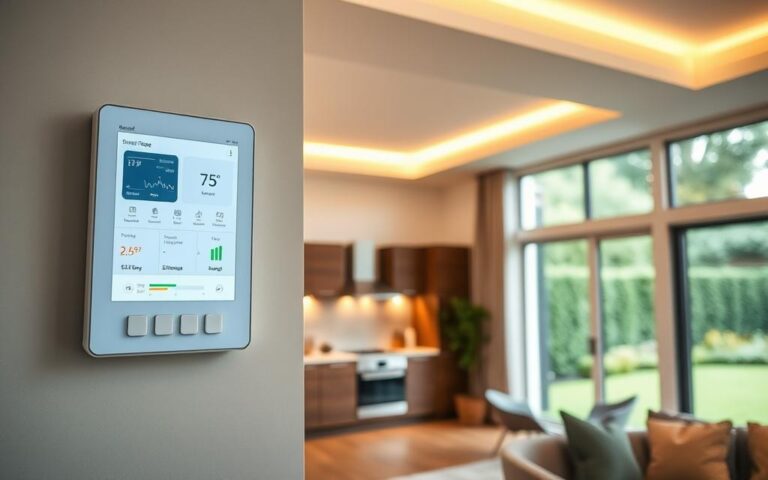
Smart thermostats have transformed temperature control technology, offering homeowners unprecedented control over their indoor climate. These advanced devices go far beyond traditional programmable thermostats, providing intelligent solutions that maximize comfort and energy efficiency.
The key features of modern WiFi thermostats include:
- Remote smartphone app control
- Voice assistant integration with Alexa and Google Assistant
- Learning algorithms that adapt to household patterns
- Detailed energy usage reporting
Learning thermostats like the Nest and Ecobee represent the pinnacle of temperature management. These intelligent devices study your daily routines and automatically adjust temperatures to optimize both comfort and energy savings. Homeowners can typically expect 10-23% reduction in heating and cooling costs by implementing smart thermostat technology.
Installation considerations are straightforward for most residential HVAC systems. Compatibility with forced air, heat pumps, and radiant systems ensures widespread adoption. The user experience is intuitive, allowing precise climate control through mobile applications and web interfaces.
Smart thermostats are not just a technology upgrade—they’re a strategic approach to home energy management.
By leveraging advanced sensors and machine learning, programmable thermostats provide actionable insights into household energy consumption. These devices represent the most accessible entry point for homeowners seeking intelligent, efficient climate control solutions.
Advanced Zoning Systems for Targeted Climate Management
Modern homeowners are discovering the power of HVAC zoning systems to transform their indoor comfort and energy efficiency. These innovative climate control solutions provide unprecedented flexibility in managing temperature across different areas of a home or building.
Multi-zone climate control represents a breakthrough in personalized comfort management. Traditional heating and cooling approaches treated entire buildings as a single thermal environment, wasting energy and creating uneven temperatures.
Multi-Zone HVAC Configurations
A sophisticated zone-based temperature control system divides living spaces into distinct areas with independent climate management. Key components include:
- Smart dampers installed within ductwork
- Multiple independent thermostats
- Central control panel for coordinating airflow
Smart Dampers and Airflow Optimization
Airflow management has reached new heights with smart dampers. These advanced devices automatically redirect conditioned air precisely where needed, preventing energy waste and ensuring optimal comfort in each zone.
Residential applications demonstrate significant benefits:
- Bedrooms can maintain cooler temperatures for sleeping
- Sun-exposed living areas receive targeted cooling
- Unoccupied spaces receive minimal conditioning
Homeowners implementing these HVAC zoning systems can expect energy savings of 20-30% compared to traditional single-zone approaches, making them an intelligent investment in both comfort and efficiency.
Smart HVAC Energy Solutions for Modern Homes and Businesses
Smart HVAC solutions are transforming how we manage temperature and energy consumption across residential and commercial environments. These intelligent climate systems offer unprecedented control and efficiency for property owners seeking to optimize their heating and cooling strategies.
Residential smart climate systems provide homeowners with cutting-edge technologies that dramatically reduce energy waste. Key features include:
- Whole-home integration with smart platforms
- Personalized temperature scheduling
- Remote climate management via smartphone apps
- Energy consumption tracking and optimization
Commercial HVAC automation takes intelligent climate control to another level. Building automation systems enable businesses to implement sophisticated strategies that balance comfort, operational efficiency, and cost management. Intelligent HVAC controls allow enterprises to:
- Monitor real-time energy consumption
- Adjust climate settings based on occupancy
- Implement zone-specific temperature management
- Reduce overall operational expenses
The return on investment for smart HVAC solutions is compelling. Residential installations typically see energy savings of 10-15% within the first two years, while commercial implementations can achieve even more significant cost reductions through comprehensive building automation systems.
Integrating IoT Technology with Heating and Cooling Equipment
The Internet of Things (IoT) has transformed HVAC management, turning traditional heating and cooling systems into intelligent, responsive networks. Connected HVAC systems now leverage cutting-edge wireless HVAC sensors to deliver unprecedented control and efficiency.
IoT HVAC technology represents a quantum leap in building climate management. Smart building sensors enable real-time monitoring and intelligent decision-making, creating environments that adapt instantaneously to changing conditions.
Wireless Sensors and Real-Time Monitoring
Modern HVAC systems utilize advanced wireless sensors that track multiple environmental parameters:
- Temperature variations
- Humidity levels
- Air quality indicators
- Equipment performance metrics
“Wireless sensors transform HVAC systems from static equipment into dynamic, responsive networks.” – HVAC Technology Institute
Machine Learning Algorithms for Predictive Maintenance
Predictive HVAC maintenance powered by machine learning algorithms revolutionizes equipment management. These intelligent systems analyze operational data to anticipate potential failures before they occur.
Key benefits of AI-driven maintenance include:
- Reduced unplanned equipment downtime
- Extended system lifespan
- Significant cost savings
- Enhanced energy efficiency
By integrating IoT technology, HVAC systems are no longer just climate control devices. They are now sophisticated, self-optimizing platforms that deliver unprecedented comfort and efficiency.
Energy-Efficient Heat Pumps and Their Smart Capabilities
Modern energy-efficient heat pumps represent a revolutionary approach to home heating and cooling. Unlike traditional heating systems that generate heat through combustion, these innovative devices transfer heat, making them significantly more efficient. Smart heat pump technology has transformed how homeowners manage indoor climate control.
Variable-speed heat pumps offer exceptional performance across different temperature ranges. These advanced systems can adapt their output precisely to match heating and cooling demands, reducing energy waste and improving overall comfort.
- Air-source heat pumps from manufacturers like Carrier and Mitsubishi
- Ground-source (geothermal) systems with superior efficiency
- Ductless mini-split configurations for targeted climate management
Cold climate heat pumps have dramatically expanded the usability of this technology. Innovative models now maintain efficiency even in temperatures below zero Fahrenheit, making them practical for northern regions of the United States.
| Heat Pump Type | Energy Efficiency | Annual Cost Savings |
|---|---|---|
| Traditional Air-Source | 250-300% efficient | 25-40% |
| Cold Climate Heat Pumps | 300-400% efficient | 40-50% |
| Geothermal Systems | 400-500% efficient | 50-70% |
Heat pump automation takes efficiency to the next level. Smart controls enable these systems to operate intelligently, managing defrost cycles and coordinating with auxiliary heat sources only when necessary. By integrating with time-of-use electricity rates, homeowners can further reduce operational expenses while maintaining optimal comfort.
The future of home climate control lies in smart, energy-efficient heat pump technology that adapts to both environmental conditions and homeowner preferences.
Automated Scheduling and Occupancy-Based Climate Control
Smart home technology is revolutionizing how we manage heating and cooling systems. Automated HVAC scheduling has emerged as a game-changing solution for energy-conscious homeowners and businesses seeking optimal comfort and efficiency.
Modern climate control systems leverage sophisticated technologies to create intelligent, responsive environments. Occupancy sensors HVAC technology enables unprecedented precision in temperature management, eliminating wasteful energy consumption.
Geofencing Technology for HVAC Automation
Geofencing thermostats represent a cutting-edge approach to adaptive climate control. These smart systems use smartphone location data to create virtual boundaries that trigger automatic temperature adjustments.
- Automatically adjust temperature when residents leave home
- Restore comfortable settings upon return
- Prevent energy waste in unoccupied spaces
Learning Patterns and Adaptive Temperature Adjustments
Presence detection HVAC systems go beyond simple scheduling. Advanced algorithms learn and predict occupancy patterns, creating personalized climate management experiences.
| Technology Feature | Energy Savings Potential |
|---|---|
| Geofencing | 15-20% |
| Adaptive Learning | 20-30% |
| Occupancy Sensing | 10-15% |
Smart climate control technologies are transforming how we interact with our living and working spaces, delivering unprecedented comfort and energy efficiency.
Smart Ventilation Systems That Balance Comfort and Efficiency
Indoor air quality management has become a critical concern for homeowners and building managers seeking optimal comfort and energy efficiency. Smart ventilation systems offer an innovative solution that goes beyond traditional air circulation methods, providing intelligent control of indoor environments.
Energy recovery ventilation (ERV) systems represent a breakthrough in modern climate control. These advanced technologies capture and transfer energy from exhaust air to incoming fresh air, dramatically reducing heating and cooling loads. The benefits of ERV HRV systems include:
- Improved air quality through continuous fresh air exchange
- Significant energy savings by minimizing temperature transfer
- Reduced humidity and moisture management
- Decreased overall HVAC system strain
Demand-controlled ventilation takes smart air management to the next level. By utilizing advanced CO2 sensors and air quality monitors, these systems adjust ventilation rates in real-time based on actual occupancy and pollution levels. This approach ensures optimal air circulation only when needed, preventing unnecessary energy consumption.
Modern smart ventilation systems integrate seamlessly with comprehensive HVAC controls. Manufacturers like Panasonic and Zehnder have developed sophisticated solutions that coordinate with heating and cooling equipment, maintaining perfect indoor comfort while minimizing energy waste.
Smart ventilation isn’t just about air movement—it’s about creating intelligent, responsive indoor environments that prioritize both human health and energy efficiency.
For homeowners and businesses looking to optimize their indoor climate, investing in smart ventilation systems represents a forward-thinking approach to energy management and air quality control.
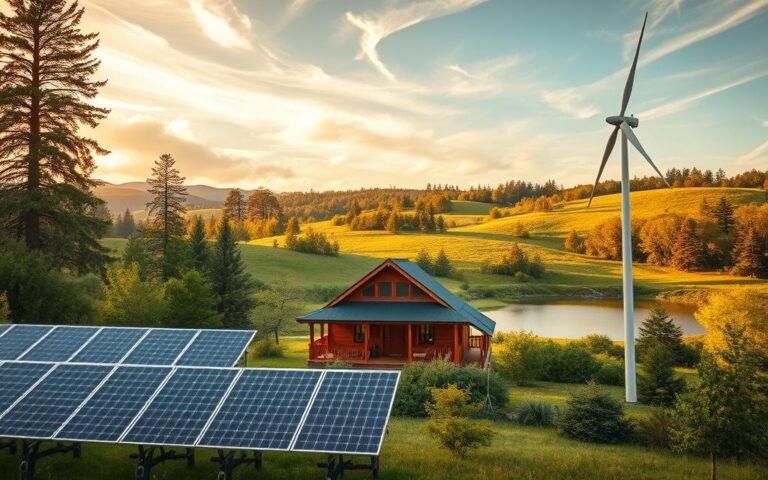
Renewable Energy Integration with Smart HVAC Systems
The future of home climate control is shifting towards sustainable climate control solutions that leverage renewable energy sources. Solar HVAC systems are revolutionizing how homeowners manage heating and cooling while reducing their carbon footprint.
Photovoltaic HVAC integration represents a groundbreaking approach to energy management. Homeowners can now power their climate control systems directly through solar energy, creating a more efficient and environmentally friendly solution.
Advanced Solar-Powered Climate Control Technologies
Modern renewable energy heating cooling systems offer several key advantages:
- Direct solar power conversion for HVAC operations
- Intelligent energy storage using advanced battery systems
- Real-time energy optimization and grid interaction
- Significant reduction in electricity consumption
Solar-powered heat pumps are particularly impressive in their ability to maximize energy efficiency. These systems can capture solar energy and convert it into heating or cooling power with minimal waste.
By integrating renewable energy technologies, homeowners can dramatically reduce their energy costs and environmental impact.
The economic benefits of these systems are substantial. Typical installations can achieve payback periods between 7-12 years, with decades of reduced operating costs and enhanced property value.
Monitoring and Analytics Platforms for Energy Optimization
Modern HVAC energy monitoring platforms have transformed how businesses and homeowners track and optimize climate control systems. These advanced analytics platforms HVAC provide deep insights into energy consumption patterns, enabling data-driven climate control strategies that can significantly reduce operational costs.
Key features of comprehensive HVAC performance dashboards include:
- Real-time energy usage tracking
- Detailed equipment performance metrics
- Predictive maintenance alerts
- Comparative efficiency analysis
Sophisticated software solutions now offer granular visibility into heating and cooling systems. These platforms collect critical data points such as:
- Runtime hours
- Cycle frequency
- Temperature differentials
- Energy consumption per cooling/heating degree day
Professional facility managers leverage these tools to monitor multiple buildings simultaneously, identifying performance gaps and optimization opportunities. The most advanced systems can help reduce energy consumption by 5-15% through intelligent data analysis and automated recommendations.
Smart monitoring transforms raw HVAC data into actionable efficiency insights.
By integrating machine learning algorithms, modern analytics platforms can predict maintenance needs, suggest configuration adjustments, and provide comprehensive energy consumption reports that help users make informed decisions about their climate control systems.
Conclusion
Smart HVAC technology has transformed from a luxury innovation to a critical solution for modern homes and businesses. Energy savings conclusion reveals that intelligent climate control adoption can dramatically reduce energy consumption by 20-35%, presenting a compelling argument for upgrading existing heating and cooling systems.
Smart HVAC benefits extend beyond mere cost savings. These advanced systems provide precise temperature management, improved air quality, and significant environmental impact reduction. Homeowners and business owners now recognize that investing in cutting-edge HVAC technology represents a strategic approach to managing energy resources while maintaining optimal comfort levels.
The future HVAC technology landscape promises even more sophisticated solutions. Emerging innovations like artificial intelligence integration, advanced machine learning algorithms, and seamless renewable energy coordination will continue to push the boundaries of what intelligent climate control can achieve. Property owners who proactively adapt to these technological advancements will position themselves at the forefront of energy efficiency and sustainability.
For those considering an upgrade, consulting with certified HVAC professionals remains crucial. These experts can provide personalized assessments, recommend tailored smart solutions, and ensure proper system configuration. As energy costs rise and environmental concerns intensify, embracing smart HVAC technology is no longer optional but a strategic necessity for modern living and working spaces.
FAQ
What are smart HVAC energy solutions?
Smart HVAC energy solutions are advanced technological systems that optimize heating, cooling, and ventilation through automated controls, IoT connectivity, and intelligent algorithms. These solutions use smart thermostats, sensors, and integrated technologies to improve energy efficiency, reduce utility costs, and enhance overall climate control in residential and commercial buildings.
How much can I save by implementing smart HVAC technologies?
Homeowners typically save between 10-35% on energy costs by implementing smart HVAC technologies. These savings come from precise temperature management, automated scheduling, occupancy-based controls, and real-time energy monitoring that eliminate unnecessary heating and cooling.
Are smart HVAC systems compatible with existing heating and cooling equipment?
Most smart HVAC solutions are designed to be broadly compatible with existing systems. Manufacturers like Nest, Ecobee, and Honeywell offer smart thermostats and controllers that can integrate with various HVAC equipment, including traditional forced-air systems, heat pumps, and multi-zone configurations.
Do smart HVAC systems require professional installation?
While some smart thermostats are DIY-friendly, professional installation is recommended for complex systems like zoned HVAC configurations, heat pumps, and whole-home automation. Professional technicians ensure proper integration, optimal performance, and compatibility with your specific building infrastructure.
How do smart HVAC systems improve indoor air quality?
Smart ventilation systems use advanced sensors to monitor air quality, humidity, and pollutant levels. They automatically adjust airflow, introduce fresh outdoor air when conditions are optimal, and coordinate with filtration systems to maintain healthier indoor environments while minimizing energy waste.
Can smart HVAC systems work with renewable energy sources?
Yes, modern smart HVAC technologies are designed to integrate seamlessly with renewable energy sources like solar panels and geothermal systems. These systems can optimize energy consumption by prioritizing renewable energy usage, storing excess power, and coordinating with battery storage solutions.
What types of buildings can benefit from smart HVAC energy solutions?
Smart HVAC technologies are versatile and beneficial for residential homes, apartments, commercial offices, retail spaces, and multi-tenant buildings. The scalable nature of these systems allows customization for different building sizes and usage patterns.
How do machine learning algorithms improve HVAC performance?
Machine learning algorithms analyze historical performance data, occupancy patterns, and environmental conditions to predict maintenance needs, optimize temperature settings, and automatically adjust system operations. This predictive approach can reduce equipment failures, extend system lifespan, and improve overall energy efficiency.
What is geofencing in smart HVAC systems?
Geofencing is a technology that uses smartphone location data to automatically adjust HVAC settings based on occupant proximity. When residents leave a predefined geographic area, the system adjusts temperature to save energy, and when they return, it restores comfortable settings automatically.
Are there privacy concerns with smart HVAC technologies?
Reputable smart HVAC manufacturers prioritize user privacy, offering opt-in features, encrypted data transmission, and transparent privacy policies. Users have control over data sharing and can typically customize privacy settings through mobile apps and web interfaces.