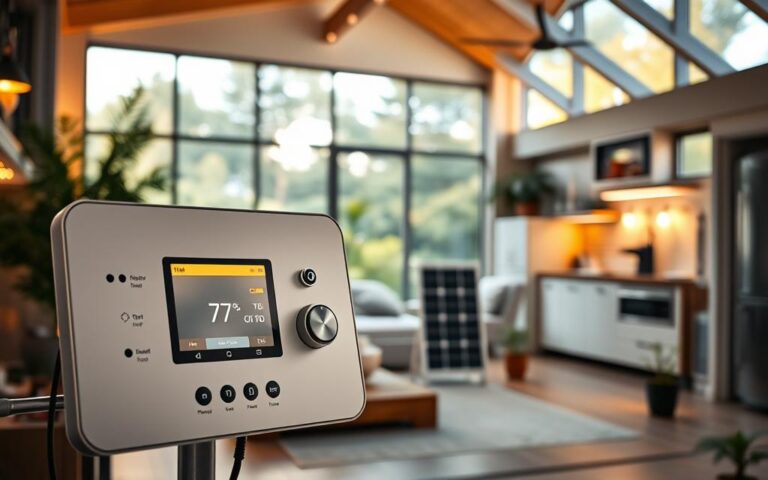

Nearly 51,000 home electrical fires occur annually in the United States, causing devastating property damage and risking family safety. Smart energy alerts are transforming how homeowners protect their living spaces from electrical hazards.
Modern homes are increasingly powered by complex networks of connected devices, creating unprecedented electrical challenges. Smart energy alerts provide an innovative solution to monitor and manage home power safety with unprecedented precision and real-time responsiveness.
These intelligent systems go beyond traditional electrical monitoring by offering comprehensive protection. They track power consumption, detect abnormal electrical patterns, and instantly notify homeowners about potential risks through advanced mobile technologies.
Home power safety has entered a new era where technology proactively prevents electrical incidents before they escalate. Smart energy alerts represent a critical advancement in protecting families from potential electrical dangers while simultaneously optimizing energy efficiency.
Homeowners can now leverage cutting-edge monitoring technologies that provide peace of mind, reduce energy waste, and create safer living environments through intelligent, automated electrical management systems.
Understanding the Rising Need for Home Energy Safety
Modern homes have transformed dramatically, with electrical systems now supporting an unprecedented array of high-power devices and smart technologies. The traditional electrical infrastructure of past decades struggles to meet the complex demands of contemporary living, creating significant home energy safety challenges.
The evolution of residential electrical systems presents multiple risks that homeowners must carefully navigate. Older homes especially face increased vulnerability when supporting modern electrical loads from multiple devices and advanced technologies.
The Growing Complexity of Modern Home Electrical Systems
Contemporary homes now feature an intricate network of electrical components that far exceed original design specifications. Electrical safety systems have become critical as households integrate:
- Multiple smart home devices
- High-capacity entertainment systems
- Electric vehicle charging stations
- Advanced home office equipment
- Energy-intensive kitchen appliances
Common Electrical Hazards in Today’s Connected Homes
Electrical risks have multiplied with increasing technological complexity. Key dangers include:
- Overloaded circuits from multiple high-power devices
- Arc faults caused by damaged wiring
- Ground faults in moisture-prone areas
- Potential electrical fires from malfunctioning appliances
- Voltage fluctuations damaging sensitive electronics
Proactive monitoring through advanced electrical safety systems can dramatically reduce these risks, protecting both property and personal safety in our increasingly connected homes.
How Smart Energy Monitoring Technology Works
Smart energy monitoring technology represents a sophisticated approach to understanding and managing home power consumption. At its core, these systems install directly at the electrical panel, utilizing advanced sensors to track electricity flow in real-time.
The technology relies on several key components to deliver comprehensive power consumption monitoring:
- Current transformers (CTs) that measure electrical current
- Voltage sensors for precise electrical measurements
- Advanced processing units for data analysis
- Machine learning algorithms for pattern recognition
Innovative sensing technology enables these systems to collect intricate data about electrical usage, including:
- Voltage levels
- Current flow
- Power factor
- Frequency of electrical signals
Smart energy monitoring goes beyond simple measurement. Machine learning algorithms create baseline consumption patterns for different appliances and times of day. This intelligent approach allows the system to detect unusual power consumption patterns that might indicate potential electrical issues or inefficiencies.
Connectivity is crucial in modern smart energy monitoring systems. Most devices use Wi-Fi or cellular connections, enabling homeowners to receive real-time alerts and monitor their energy usage remotely through smartphone apps.
The technology’s ability to recognize individual appliance electrical signatures—a process called disaggregation—sets these systems apart from traditional energy monitoring methods. By understanding the unique electrical fingerprint of each device, smart energy monitoring provides unprecedented insights into home power consumption.
The Power of Smart Energy Alerts in Real-Time Protection
Modern homes demand intelligent safety solutions that go beyond traditional electrical monitoring. Real-time energy alerts have revolutionized electrical fire prevention, providing homeowners with unprecedented protection against potential electrical hazards.
Smart energy monitoring systems represent a critical advancement in home safety technology. These sophisticated networks continuously analyze electrical consumption patterns, identifying potential risks before they escalate into dangerous situations.
Detecting Abnormal Power Consumption Patterns
Advanced sensors track electrical usage across multiple circuits, quickly recognizing unusual consumption behaviors. Key detection capabilities include:
- Identifying appliances drawing excessive current
- Detecting overloaded circuit conditions
- Recognizing prolonged device operation
- Monitoring unexpected power spikes
“Prevention is always more effective than reaction when it comes to electrical safety.” – Electrical Safety Foundation
Preventing Electrical Fires Through Early Warning Systems
Electrical fire prevention reaches new heights with intelligent alert technologies. These systems can detect critical warning signs such as:
- Arc fault conditions
- Ground fault risks
- Circuit overheating
- Sustained electrical overloads
By providing instant smartphone notifications, homeowners gain crucial minutes to investigate and mitigate potential electrical dangers. Real-time energy alerts transform passive electrical systems into proactive safety networks, dramatically reducing home fire risks.
Smart energy monitoring isn’t just a technological luxury—it’s an essential safety investment for modern households.
Automating Your Home’s Energy Management for Enhanced Safety
Modern energy management systems transform home safety through intelligent automation. These advanced systems go beyond simple monitoring, actively protecting your living space from potential electrical hazards.
Automated energy control offers multiple layers of protection for homeowners. Key safety features include:
- Automatic power shutoff for forgotten appliances
- Geofencing technology to manage home devices
- Circuit-level monitoring and protection
- Real-time risk assessment and intervention
Smart home energy management systems can detect dangerous scenarios instantly. For example, if a clothes iron is left on for an extended period, the system will automatically power down the device, preventing potential fire risks.
Geofencing capabilities take safety to the next level. When residents leave home, these systems can:
- Disable high-risk electrical circuits
- Reduce overall power consumption
- Trigger security protocols
- Prepare the home for energy-efficient modes
By integrating sophisticated sensors and intelligent algorithms, energy management systems provide continuous protection without constant human intervention. Homeowners gain peace of mind knowing their electrical infrastructure is continuously monitored and protected.
Key Features to Look for in Energy Alert Systems
Selecting the right energy alert system requires careful consideration of advanced circuit monitoring technology and smart notification capabilities. Modern homeowners need comprehensive solutions that provide deep insights into their electrical infrastructure while ensuring maximum safety and efficiency.
Choosing an effective energy alert system involves understanding key technological capabilities that protect your home’s electrical network. These sophisticated systems go beyond basic energy tracking, offering intelligent monitoring and proactive protection.
Circuit-Level Monitoring Capabilities
Advanced circuit monitoring technology enables granular visibility into your home’s electrical system. By tracking individual circuits, these systems can:
- Identify specific electrical issues with pinpoint accuracy
- Detect potential overload risks before they escalate
- Provide detailed insights into each circuit’s energy consumption
- Highlight inefficient appliance performance
Mobile App Integration and Remote Notifications
Energy alert notifications have revolutionized home electrical safety through seamless smartphone integration. Top-tier systems offer robust mobile applications that deliver:
- Real-time power consumption tracking
- Customizable alert thresholds
- Historical energy usage reports
- Instant notifications for potential electrical anomalies
Modern energy monitoring solutions transform how homeowners interact with their electrical systems, providing unprecedented control and peace of mind through intelligent technology.
Reducing Fire Risks with Automated Power Shutoffs

Modern homes face increasing electrical risks that demand innovative safety solutions. Automated shutoff systems represent a critical breakthrough in fire risk reduction, providing homeowners with an advanced layer of protection against potential electrical hazards.
Smart energy monitoring technologies now enable rapid detection of dangerous electrical conditions. These automated systems can identify critical warning signs faster than traditional circuit breakers, preventing potential fire scenarios before they escalate.
- Detect arc faults in damaged wiring
- Monitor sustained power overloads
- Recognize ground fault conditions
- Track rapid power fluctuations
The key advantages of automated shutoff systems include:
| Feature | Benefit |
|---|---|
| Instant Response | Faster than human intervention |
| Precision Detection | Identifies subtle electrical anomalies |
| Configurable Sensitivity | Customizable safety thresholds |
Intelligent algorithms distinguish between genuine hazards and normal electrical variations, ensuring that automated shutoff systems provide robust protection without unnecessary interruptions.
By implementing these advanced safety technologies, homeowners can significantly reduce electrical fire risks and protect their property and loved ones from potential disaster.
Energy Automation and Appliance Protection
Modern homes are packed with expensive electronics and high-power devices that require sophisticated protection. Surge protection devices have become critical for safeguarding valuable appliances from unexpected electrical damage.
Appliance protection systems offer comprehensive defense against electrical threats that can compromise your home’s most important investments. These intelligent solutions go beyond traditional power strips by providing advanced monitoring and real-time protection.
Protecting High-Power Devices from Electrical Surges
Electrical surges can strike unexpectedly, potentially destroying expensive home equipment in seconds. Smart energy automation provides multi-layered protection through several key strategies:
- Detecting incoming power fluctuations
- Diverting excess voltage safely
- Automatically disconnecting vulnerable circuits
- Monitoring power consumption patterns
Surge protection devices now integrate sophisticated technologies that can:
- Identify potential electrical risks before damage occurs
- Protect critical appliances like refrigerators, HVAC systems, and entertainment equipment
- Provide real-time alerts about potential electrical issues
Investing in comprehensive appliance protection systems helps prevent costly repairs and premature equipment failure. These smart solutions not only protect your devices but can also extend their operational lifespan by maintaining stable electrical conditions.
Cost Savings Through Intelligent Energy Management
Smart energy management systems are transforming how homeowners approach energy consumption and cost savings. These intelligent technologies offer more than just safety—they provide a comprehensive solution for reducing utility expenses and optimizing household energy use.
Intelligent energy management delivers significant financial benefits through several key strategies:
- Real-time consumption tracking
- Automated efficiency recommendations
- Peak hour usage optimization
Households equipped with energy monitoring systems typically reduce their energy consumption by 10-15%. This reduction stems from increased awareness and actionable insights into power usage patterns. Knowing exactly where and when energy is consumed allows homeowners to make informed decisions.
The financial advantages extend beyond simple consumption reduction. Energy cost savings emerge through:
- Detecting phantom energy loads
- Identifying inefficient appliances
- Preventing unnecessary power waste
- Scheduling energy-intensive activities during off-peak hours
Advanced systems can predict potential billing increases and provide alerts before unexpected costs accumulate. By tracking energy spending against preset budgets, homeowners gain unprecedented control over their monthly utility expenses.
Smart energy management isn’t just about saving money—it’s about making intelligent, data-driven decisions for your home’s energy ecosystem.
With intelligent energy management, homeowners can transform their approach to energy consumption, turning potential waste into meaningful savings.
Integration with Smart Home Ecosystems
Smart home integration transforms energy alert systems from standalone devices into intelligent, interconnected safety networks. Home automation systems now offer unprecedented control and protection for modern households.
Today’s advanced energy monitoring technologies seamlessly connect with popular smart home platforms, creating comprehensive safety ecosystems that go beyond traditional electrical management.
Compatibility with Voice Assistants and Home Hubs
Modern smart home integration allows users to interact with energy monitoring systems through voice assistants like Amazon Alexa, Google Assistant, and Apple HomeKit. These platforms enable simple voice commands such as:
- Checking current energy consumption
- Receiving verbal alerts about electrical issues
- Remotely controlling specific circuits
Creating Automated Safety Routines
Home automation systems now enable sophisticated safety routines that leverage multiple smart device inputs. Users can create intelligent protocols like:
- Goodnight Routine: Automatically verifies high-power devices are off
- Leaving Home Routine: Disconnects potentially hazardous appliances
- Storm Mode: Prepares home by shutting down vulnerable electronics
These integrated systems use data from motion sensors, door contacts, and weather services to make intelligent decisions about energy management and household safety.
Installation Considerations for Energy Alert Systems
Installing a smart energy alert system requires careful planning and professional expertise. Professional installation requirements are critical for ensuring safe and effective energy system installation in residential settings.
The installation process typically involves several key steps that homeowners should understand before implementing their smart energy monitoring solution:
- Assessment of existing electrical panel configuration
- Determining compatibility with home’s electrical infrastructure
- Selecting appropriate monitoring devices
- Professional electrical work and circuit mapping
Choosing a licensed electrician experienced in smart energy system installation is crucial. These professionals understand the technical nuances of integrating monitoring technologies with existing electrical systems.
| Home Type | Installation Complexity | Estimated Time |
|---|---|---|
| Modern Home | Low | 2-3 hours |
| Older Home | High | 4-6 hours |
Homeowners should budget between $200 to $500 for professional installation, depending on system complexity and home electrical configuration. Renters might consider plug-level monitors as a more flexible alternative that doesn’t require panel modifications.
After installation, configuring network connectivity and mobile app settings completes the setup process. This allows for real-time energy monitoring and customized alert preferences.
Privacy and Data Security in Smart Energy Monitoring
Smart energy monitoring systems collect detailed information about household electricity consumption. Understanding energy data privacy and smart system security becomes crucial for homeowners considering these technologies.
The data collected by smart energy systems can reveal significant insights into household behaviors. These systems track:
- Electrical consumption patterns
- Appliance usage timelines
- Occupancy detection through electrical activity
- Potential behavioral indicators
Reputable manufacturers implement robust security measures to protect user information. Key privacy protection strategies include:
- End-to-end encryption for data transmission
- Secure cloud storage with restricted access
- Regular security updates and patches
- Compliance with privacy regulations
Consumers should carefully evaluate privacy policies, focusing on critical aspects like data ownership, usage limitations, and third-party sharing restrictions. Local data processing systems often provide enhanced privacy compared to cloud-based alternatives.
Practical recommendations for maintaining smart system security include:
- Creating strong unique passwords
- Enabling two-factor authentication
- Keeping system firmware current
- Securing home Wi-Fi networks
- Regularly reviewing connected device permissions
By understanding these privacy considerations, homeowners can confidently leverage smart energy monitoring technologies while protecting their personal information.
Conclusion
Smart home safety technology has revolutionized how homeowners protect their electrical systems. The advanced energy alert systems represent a critical leap forward in preventing potential hazards and managing home power consumption. Families can now access unprecedented levels of protection and insight into their home’s electrical infrastructure.
The integration of smart energy benefits goes beyond simple monitoring. These sophisticated systems provide real-time detection of electrical anomalies, automated safety responses, and comprehensive protection for expensive home appliances. Homeowners gain the ability to prevent electrical fires, reduce energy waste, and create more intelligent living environments with minimal personal intervention.
As residential electrical systems become increasingly complex, home safety technology emerges as a critical investment for modern households. The potential cost savings, coupled with enhanced safety features, make these systems an essential consideration for proactive homeowners. By understanding and implementing these advanced monitoring solutions, families can significantly reduce risks associated with electrical malfunctions and unexpected power disruptions.
The future of home safety lies in intelligent, interconnected systems that provide comprehensive protection and energy management. Residents should carefully evaluate their specific home requirements, consult with professional electricians, and explore the range of smart energy solutions available in the market. Embracing these technologies represents a forward-thinking approach to home safety and energy efficiency.
FAQ
What are smart energy alerts?
Smart energy alerts are intelligent notification systems that monitor electrical usage patterns in homes, immediately informing homeowners about anomalies, potential hazards, or inefficiencies in their electrical systems. These systems use advanced sensors and machine learning algorithms to detect unusual power consumption, potential electrical risks, and provide real-time notifications to prevent potential safety issues.
How do smart energy monitoring systems protect my home?
These systems protect homes by continuously monitoring electrical circuits, detecting abnormal power consumption, identifying potential fire risks, and providing early warnings about issues like overloaded circuits, arc faults, ground faults, and malfunctioning appliances. They can automatically shut off power to prevent electrical fires and send instant alerts to homeowners’ smartphones.
Are smart energy alert systems difficult to install?
While installation typically requires a professional electrician, most systems can be installed within 2-4 hours. The process involves mounting a monitoring device at the main electrical panel, attaching current transformers to individual circuits, and configuring network connectivity. Newer homes with modern electrical panels generally accommodate these systems more easily.
Can these systems help me save money on electricity?
Yes, smart energy monitoring systems can help reduce electricity costs by identifying energy waste, detecting inefficient appliances, and providing insights into consumption patterns. Studies show that households with energy monitoring systems typically reduce their energy consumption by 10-15% through increased awareness and optimized usage.
How do smart energy alerts integrate with other smart home technologies?
These systems can integrate with popular voice assistants like Amazon Alexa and Google Assistant, home automation platforms such as Samsung SmartThings, and Apple HomeKit. This integration allows for voice control, automated safety routines, and coordination with other smart home devices to create a comprehensive home management ecosystem.
What about privacy and data security?
Reputable smart energy monitoring systems implement robust security measures, including end-to-end encryption, secure cloud storage, and compliance with privacy regulations. Users can protect their data by using strong passwords, enabling two-factor authentication, and carefully reviewing the system’s privacy policies.
Do these systems work in older homes?
While older homes may require some electrical panel upgrades, smart energy monitoring systems can typically be adapted to various home electrical configurations. Professional electricians can assess your home’s specific needs and recommend appropriate installation solutions to ensure compatibility and safety.
How do automated power shutoffs prevent electrical fires?
Automated power shutoffs can detect dangerous conditions like arc faults, sustained overloads, or ground faults before they become critical. These systems can disconnect power to specific circuits faster than traditional circuit breakers, preventing potential electrical fires by responding to early warning signs of electrical hazards.
What kind of alerts can I expect to receive?
You can receive various types of alerts, including notifications about abnormal power consumption, potential appliance malfunctions, circuit overloads, voltage fluctuations, and energy efficiency recommendations. These alerts can be sent via smartphone apps, text messages, or email, depending on your system’s configuration.
How much do smart energy alert systems typically cost?
Costs vary depending on the system’s complexity and the number of circuits monitored. Basic systems can start around $200-$300, while more comprehensive whole-home monitoring solutions can range from $500 to $1,500, not including professional installation. Many homeowners find the investment worthwhile due to potential energy savings and enhanced safety.