
Did you know that homes account for about 20% of global energy use? This shows how important it is to manage energy better. Thanks to IoT energy solutions, homes can now be more efficient.
These solutions include smart meters and automation systems. They help homes use less energy and support sustainable living. With the number of IoT devices set to grow from 9.7 billion in 2020 to 29 billion by 2030, learning about smart energy management is key. It helps people use energy more wisely.
Understanding IoT Energy Solutions
The Internet of Things (IoT) is changing how we manage energy at home. It connects devices to the internet, making them talk to each other smoothly. This lets us use energy smarter and manage it better.
What is IoT?
The Internet of Things is a huge network of devices that share data online. These can be simple home appliances or advanced energy systems. They collect, send, and use data to automate and control things from afar. This tech lets us see how much energy we use in real-time.
Importance of IoT in Energy Management
IoT is key in making energy use more efficient. Homes with connected devices help us keep an eye on energy use. This can save 10-20% of energy.
Using IoT, we can set up homes to control things like heating and cooling. This makes our homes more comfortable and saves energy.
Benefits of IoT Energy Solutions
IoT energy solutions bring many benefits to modern living. They make homes more energy-efficient, helping homeowners save money. They also help reduce carbon footprints, supporting sustainable living.
Enhanced Energy Efficiency
Smart technologies let us monitor energy use in real-time. This allows for adjustments that boost energy efficiency. Automated routines manage energy better than old methods, cutting down waste and promoting careful use.
Cost Savings for Homeowners
IoT energy solutions help homeowners save a lot of money. By finding and fixing energy-wasting devices, bills can drop by up to 30%. This saves money each month, helping with budgeting and encouraging energy-saving habits.
Environmental Impact Reduction
IoT technologies help reduce carbon footprints, key for sustainable living. Homes can lower greenhouse gas emissions a lot. This effort is vital in fighting climate change.
Studies show that if all European homes used these technologies, millions of tons of CO2 could be cut each year. This supports global sustainability goals.
Key Components of IoT Energy Systems
Advanced technologies are key to making IoT energy systems work well. Knowing these parts helps homeowners make smart choices about using less energy and being more efficient.
Smart Meters
Smart meters are the base for tracking energy in homes today. They give real-time info on how much energy is used. This lets homeowners see when they use the most energy.
Knowing when they use the most energy helps them save. It’s a big step in cutting down on waste and saving money.
Energy Monitoring Devices
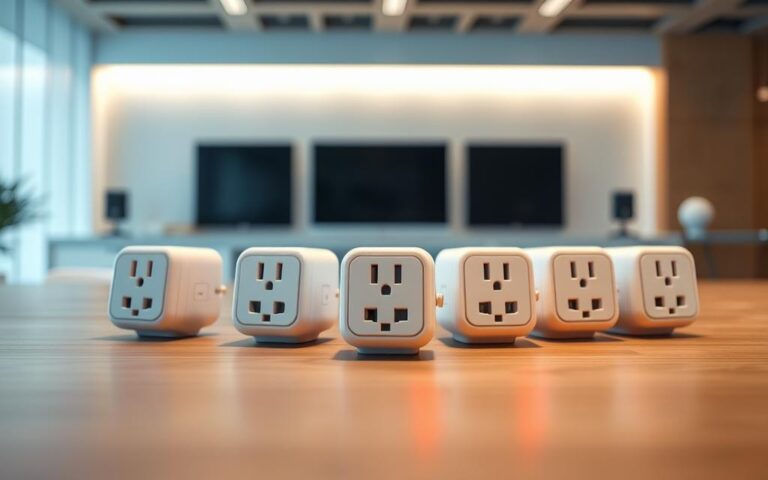
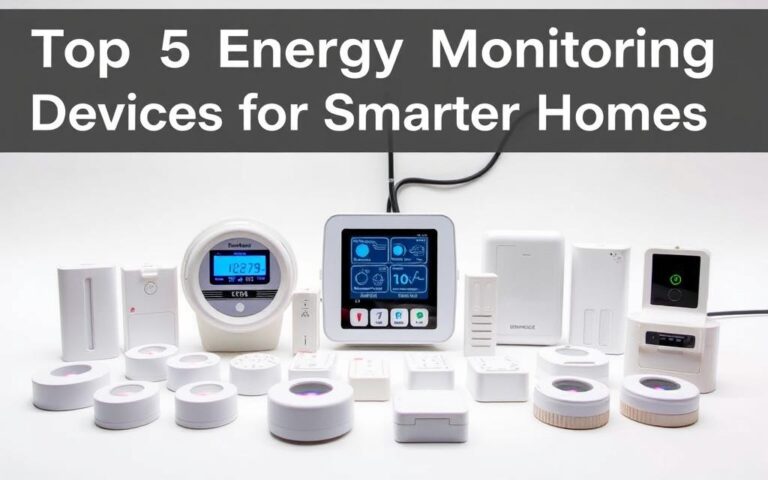
Energy monitoring systems, like smart plugs and energy monitors, let users see how much energy each appliance uses. They show which appliances use the most energy. This helps homeowners find out which ones are the biggest energy users.
By knowing this, they can change their habits to use less energy. This makes a big difference in saving energy.
Home Automation Systems
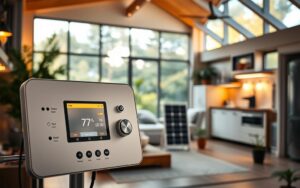
Home automation technology adds more control over energy use. Smart thermostats, for example, adjust the temperature based on when people are home and the time of day. This makes sure energy is used just right while keeping homes comfortable.
With home automation, users can control and schedule energy-using features from anywhere. This makes life easier and more efficient.
Top IoT Energy Solutions Available
Homeowners are looking for ways to use less energy. Many IoT energy solutions can help. These devices make homes more efficient and save money. Here are some of the best options available.
Nest Learning Thermostat
The Nest Learning Thermostat is a top choice for smart thermostats. It learns how you live and adjusts the temperature to save energy. This means you use less energy without feeling uncomfortable.
Ecobee SmartThermostat
The Ecobee SmartThermostat is another great option. It works well with other smart home devices. You can control your home’s temperature from anywhere, making it more energy-efficient.
Sense Energy Monitor
The Sense Energy Monitor shows how much energy your appliances use. It helps you find out which ones use the most. This way, you can use less energy overall.
| Device | Key Features | Benefits |
|---|---|---|
| Nest Learning Thermostat | Learning capability, remote access, energy use reports | Optimized heating and cooling, reduced bills |
| Ecobee SmartThermostat | Smart home integration, occupancy sensing, voice control | Convenience, comprehensive energy management |
| Sense Energy Monitor | Appliance-level tracking, real-time monitoring | Informed energy decisions, reduced waste |
Integrating IoT with Renewable Energy
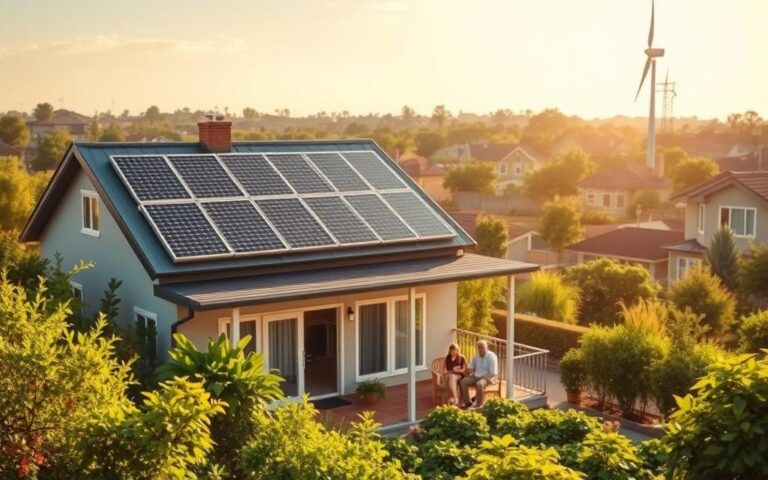
IoT technologies and renewable energy like solar panels and wind systems work together well. They help manage energy better in homes. Homeowners can use solar energy wisely by adjusting their use based on solar output.
This teamwork boosts efficiency and supports the environment.
Solar Panel Compatibility
Solar panels can now connect with smart devices. This lets them manage energy well. IoT helps these systems track energy use and adjust to get the most out of solar power.
This makes energy use more efficient and saves money on bills.
Wind Energy Solutions
Wind energy fits well with IoT for better energy management. Smart homes can adjust energy use based on wind patterns. This approach improves efficiency and encourages using different renewable energy sources.
Battery Storage Systems
Systems like the Tesla Powerwall are key in using IoT with renewable energy. They store extra energy from solar or wind. This stored energy helps during busy times, making homes energy-independent.
Data Security in IoT Energy Solutions
IoT energy solutions are becoming more popular, but we must focus on data security. Smart devices in homes offer many benefits. Yet, they also raise concerns about privacy and data protection.
It’s important to understand the risks and take steps to protect our homes. By doing so, we can make our homes safer and more reliable.
Protecting User Privacy
Smart devices gather a lot of information about us. This includes how we use energy and our personal preferences. If not protected, this data could be at risk of being stolen.
Strong security measures like encryption and access controls are key. They help keep our personal info safe. By using these steps, we build trust in IoT technology.
Cybersecurity Measures
Keeping smart homes safe is crucial. Regular updates, security patches, and secure networks help a lot. These steps lower the chance of unauthorized access.
Companies should invest in strong security frameworks. This helps them stay ahead of potential threats. By focusing on cybersecurity, we can enjoy IoT energy solutions safely.
Future Trends in IoT for Energy
The way we manage energy is changing fast, thanks to new tech. The future of IoT will make energy use more efficient. This is because of artificial intelligence in energy management. As more people use smart tech, smart grid systems become key to better energy use.
AI Integration
Artificial intelligence in energy management uses predictive analytics. It helps spot energy use patterns. With smart algorithms, systems can adjust energy use based on real-time data.
This makes energy use much better. It helps users save money and cut down on carbon emissions.
Smart Grid Technology
Smart grid technology is a big step forward in energy management. It uses real-time data to make quick changes. This lets energy providers keep up with changes in energy use.
It helps ensure a steady energy supply. This makes the energy system more balanced.
Increased User Engagement
The future of IoT will also mean more people getting involved. Homeowners can see their energy use through advanced analytics and easy-to-use interfaces. This makes them more aware and helps them make better choices.
Case Studies of Successful Implementations
Looking at energy management case studies shows how smart homes and businesses can change. These stories show how homes and big companies can save a lot of energy and money. They use IoT energy solutions to do this.
Residential Success Stories
Many homeowners have started using IoT technology and seen big cuts in their energy bills. They use smart thermostats and energy monitors to control their energy use. This has helped them save up to 30% on energy costs.
Commercial Example: Walmart
Walmart is also using IoT to save energy in its stores. They use smart systems to manage their buildings better. This has cut their costs by 10-15%.
Challenges in Adopting IoT Energy Solutions
Adding IoT energy solutions to homes comes with many challenges. Homeowners face several obstacles that can make it hard to adopt them. Knowing about initial costs and technical barriers helps light the way for those wanting to manage energy better.
Initial Costs and Investment
High initial costs are a big hurdle in using IoT energy solutions. Buying energy-saving tech, like smart appliances and monitoring devices, can be expensive. Homeowners often struggle to balance the cost now against the savings later.
This investment in energy-efficient technology can save a lot of money in the long run. It’s key to think about the immediate costs versus the future savings.
Technical Challenges
Technical issues are another big problem. Many old systems don’t connect well with new devices. This can cause problems when trying to make a home smart.
Also, different brands might not work together smoothly. These IoT adoption hurdles show why careful planning and research are crucial before starting an upgrade.

Getting Started with IoT Energy Solutions
Homeowners looking to save energy can start with IoT solutions. It’s key to know what you need first. This helps you pick the right devices for your home.
Choosing smart devices that work well together is important. Brands like Nest and Ecobee offer great options for a smarter home.
Choosing the Right Solutions
Understanding your home’s needs is the first step. Focus on devices that save a lot of energy, like smart thermostats and energy monitors. This makes your initial investment worth it and opens the door for more upgrades later.
Tips for Implementation
Start with just a few devices and add more as you get used to them. Keep an eye on how they work and make changes if needed. This way, you can stay on budget and make smart choices for your energy system.
Professional Consultation Options
If you’re not sure where to start, get help from a professional. They can guide you in picking the best devices for your home. They can also help with installation, making sure everything works right.
With expert advice, you can easily move to a more energy-efficient home. It makes the transition smoother and more effective.