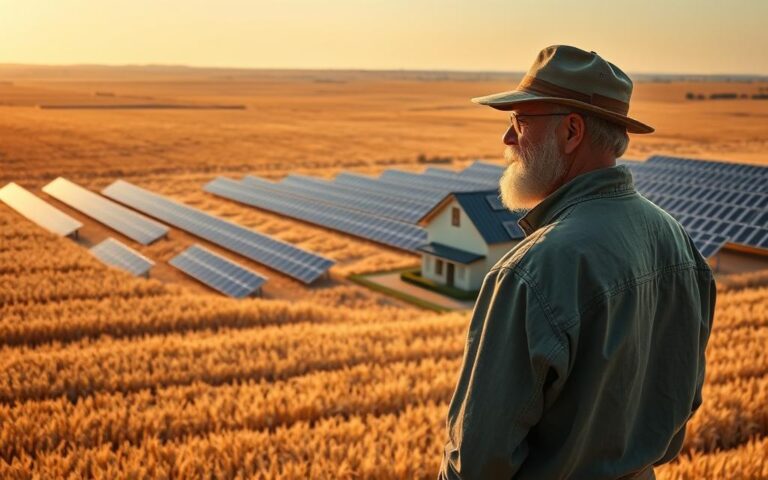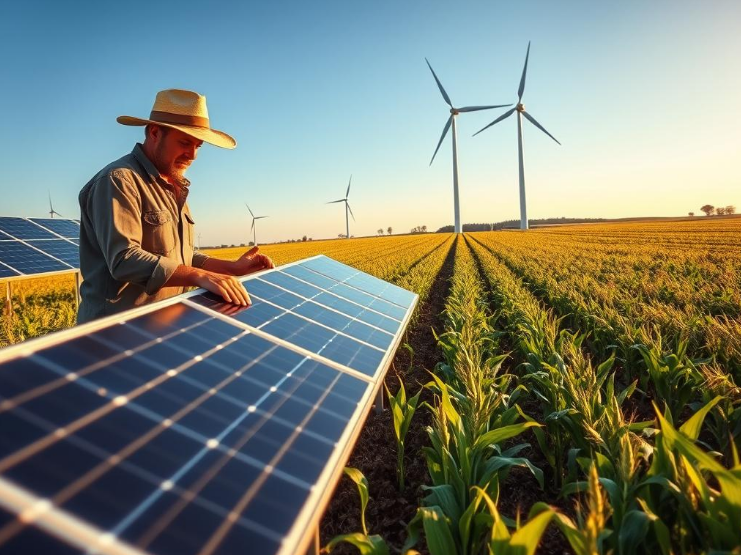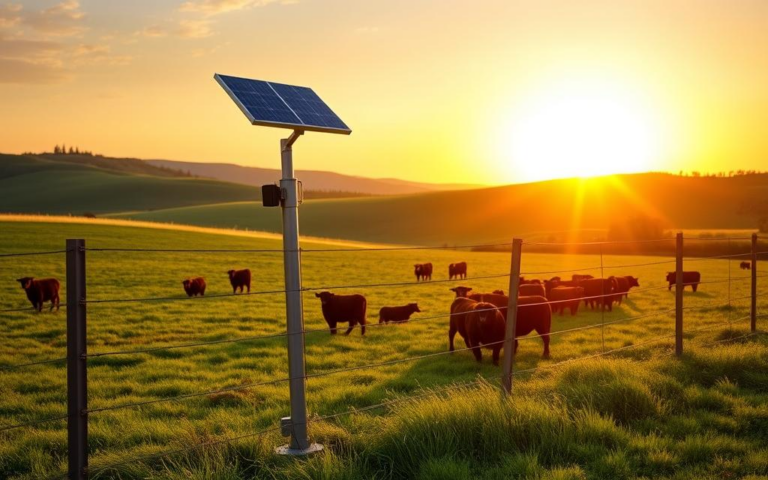

Nearly 40% of small-scale farms in the United States are now exploring renewable energy solutions to combat rising operational costs. As energy prices continue to fluctuate, family farms are discovering innovative ways to achieve sustainable farming practices while reducing their environmental footprint.
Renewable energy for small farms has transformed from a futuristic concept to a practical necessity. Modern agricultural operations face unprecedented challenges with traditional energy sources, driving farmers to seek more resilient and cost-effective alternatives.
Today’s family farms are no longer passive consumers of energy. By integrating solar, wind, biomass, and hydroelectric systems, farmers can create self-sustaining energy ecosystems that provide economic stability and environmental benefits.
This comprehensive guide explores cutting-edge renewable energy technologies specifically designed for agricultural settings. We’ll dive into practical solutions that can help small-scale farmers reduce energy expenses, increase operational independence, and contribute to a more sustainable agricultural landscape.
Understanding the Energy Needs of Small-Scale Farming Operations
Small-scale farms face unique challenges in managing energy costs for farms. A comprehensive farm energy audit helps farmers identify critical areas of energy consumption and potential savings. Understanding these energy needs is crucial for developing efficient and cost-effective agricultural operations.
Farmers must recognize the intricate energy requirements that power their daily agricultural activities. Different farm operations consume varying amounts of electricity, making a detailed energy assessment essential for sustainable management.
Daily Power Requirements for Family Farms
Typical daily energy consumption for small farms includes multiple critical systems:
- Irrigation pumping systems
- Livestock climate control
- Milk cooling equipment
- Grain drying facilities
- Machinery and equipment charging
A farm energy audit can reveal precise electricity usage across these essential operations. Tracking these consumption patterns helps farmers optimize their energy strategies and reduce overall expenses.
Seasonal Variations in Agricultural Energy Consumption
Energy demands fluctuate dramatically throughout the agricultural calendar. Farmers experience significant shifts in power requirements during different seasons:
| Season | Primary Energy Demands | Estimated Consumption |
|---|---|---|
| Spring | Planting equipment | Moderate usage |
| Summer | Irrigation systems | High consumption |
| Autumn | Harvest processing | Peak usage |
| Winter | Livestock heating | Consistent usage |
Understanding these seasonal energy patterns allows farmers to plan renewable energy solutions strategically and manage their energy costs for farms effectively.
Solar Power Systems for Agricultural Applications
Farmers are discovering the transformative power of solar energy for agricultural operations. Agricultural solar panels provide a sustainable solution to meet energy demands while reducing operational costs. Modern farms can leverage solar technologies to power everything from irrigation systems to farm equipment.
Solar power systems offer multiple benefits for small-scale and family farms. These renewable energy solutions can be implemented through various configurations:
- Roof-mounted solar panel arrays on barns and equipment sheds
- Ground-mounted solar installations in unused field areas
- Solar carports providing equipment shelter and electricity generation
Solar water pumping represents a game-changing technology for agricultural water management. Remote pastures and irrigation systems can now operate independently from grid connections, dramatically reducing electricity expenses and increasing farm efficiency.
When designing a solar power system, farmers must consider several key factors:
- Total farm energy consumption
- Available installation space
- Seasonal energy requirements
- Budget constraints
Advanced solar technologies now include battery storage options, enabling farms to maintain power during outages and store excess electricity generated during peak sunlight hours. This capability is especially crucial for livestock operations and farms with temperature-sensitive equipment.
Net metering programs allow farms to sell surplus electricity back to the local grid, creating an additional revenue stream and maximizing the return on solar investments.
Wind Energy Options for Rural Farm Properties
Farm wind power represents a promising renewable energy solution for agricultural operations seeking off-grid farming alternatives. Rural properties with expansive landscapes offer unique opportunities to harness wind energy effectively.
Farmers considering wind energy have multiple options to generate sustainable electricity. Wind turbines can provide critical power support for agricultural operations, especially in areas with consistent wind patterns.
Small-Scale Wind Turbines for Farm Use
Wind turbine systems for farms come in various sizes and capacities:
- 1-10 kW turbines for supplemental power generation
- 50-100 kW systems capable of powering entire farm operations
- Hybrid installations complementing solar power systems
Selecting the right wind turbine depends on specific farm energy requirements and local wind conditions. Horizontal and vertical axis turbines offer different performance characteristics suitable for diverse agricultural settings.
Assessing Your Property’s Wind Resource Potential
Evaluating wind resources requires careful analysis of several critical factors:
- Minimum average wind speed of 10 mph
- Terrain and landscape considerations
- Local zoning regulations
- Potential impact on neighboring properties
Farmers can utilize Department of Energy wind maps to determine their property’s wind energy potential. Understanding these resources helps make informed decisions about off-grid farming strategies and renewable energy investments.
Benefits of Renewable Energy for Small Farms
Renewable energy systems offer transformative advantages for small farms seeking to enhance their farm energy efficiency and agricultural energy independence. These innovative solutions provide multiple strategic benefits that extend far beyond simple power generation.
The financial advantages of renewable energy are particularly compelling for family farms. By investing in sustainable power technologies, farmers can:
- Reduce long-term operational costs
- Protect against volatile energy pricing
- Create additional revenue streams
- Increase property market value
Environmental benefits represent another critical dimension of renewable energy adoption. Sustainable farming practices enable agricultural operations to dramatically decrease their carbon footprint while demonstrating environmental stewardship.
“Renewable energy transforms farms from energy consumers to energy producers” – Clean Energy Research Institute
Beyond financial and ecological advantages, renewable energy systems enhance farm resilience. These technologies provide critical backup power capabilities, protecting livestock and crops during electrical grid interruptions.
| Renewable Energy Benefit | Impact on Farm Operations |
|---|---|
| Energy Cost Reduction | Up to 70% lower electricity expenses |
| Carbon Footprint Reduction | 85% decrease in greenhouse gas emissions |
| Energy Independence | Complete grid autonomy potential |
Small farms embracing renewable energy technologies position themselves at the forefront of sustainable agricultural practices, creating competitive advantages in an increasingly environmentally conscious marketplace.
Biomass and Biogas Solutions from Farm Waste
Farm biomass energy represents a groundbreaking green farming technology that transforms agricultural waste into valuable renewable energy. Small and medium-sized farms can now convert their organic waste streams into sustainable power sources, creating a circular economy within their agricultural operations.
Converting Animal Waste into Usable Energy
Anaerobic digestion systems offer farmers an innovative approach to managing animal waste while generating electricity and heat. These systems break down manure from livestock into biogas, which can be used for multiple purposes:
- Generating on-farm electricity
- Producing heat for farm buildings
- Reducing greenhouse gas emissions
- Creating nutrient-rich fertilizer as a byproduct
Crop Residue as a Renewable Fuel Source
Green farming technology enables farmers to utilize crop residues like corn stalks, wheat straw, and wood chips as renewable fuel sources. By converting these materials into biomass pellets, farms can:
- Reduce waste disposal costs
- Generate alternative heating solutions
- Decrease reliance on fossil fuels
- Create additional farm revenue streams
Implementing farm biomass energy solutions requires initial investment but offers long-term economic and environmental benefits for agricultural operations.
Hydroelectric Power for Farms with Water Resources
Farms with natural water resources can unlock a powerful renewable energy solution through micro-hydro systems. These farm power systems transform flowing water into reliable electricity, offering a consistent energy source for agricultural operations.
Not every farm can leverage hydroelectric power, but those with specific water characteristics can benefit dramatically. The key requirements for viable micro-hydro systems include:
- Minimum water flow of 10 gallons per minute
- Vertical drop or “head” of at least 10-15 feet
- Year-round water availability
Farmers can choose from two primary micro-hydro system designs:
- Run-of-river systems: Divert a portion of stream flow through a turbine and return water downstream
- Pond-based systems: Utilize existing farm water infrastructure
Implementing these farm power systems requires careful navigation of regulatory landscapes. Farmers must consider water rights, environmental permits, and potential Federal Energy Regulatory Commission (FERC) requirements for larger installations.
The financial investment in micro-hydro systems can be significant, but the long-term benefits often outweigh initial costs. Many farmers find these renewable energy solutions not only generate electricity but can also support irrigation needs, creating a dual-purpose infrastructure.
Financial Incentives and Funding Opportunities for Farm Energy Projects
Investing in renewable energy can be a game-changer for small-scale farms. Fortunately, numerous financial incentives exist to help agricultural operations transition to sustainable power sources. Understanding these renewable energy incentives can significantly reduce the initial investment cost.
The USDA energy programs offer substantial support for farmers looking to implement green energy solutions. These programs provide critical financial assistance that can make renewable energy projects more accessible and affordable.
Federal Tax Credits and Support
Farmers can benefit from several federal financial support options:
- Investment Tax Credit (ITC) covering up to 30% of solar system installation costs
- USDA Rural Energy for America Program (REAP) grants
- Modified Accelerated Cost Recovery System (MACRS) for accelerated tax depreciation
State-Level Grants and Rebates
State-specific renewable energy incentives vary by location but can include:
- Property tax exemptions for renewable energy equipment
- Sales tax waivers on green energy installations
- Additional state-level grants for agricultural renewable energy projects
Farmers should consult their local agricultural extension services and state energy offices to discover specific programs available in their region. Working with experienced renewable energy installers can help navigate these complex incentive landscapes.
Implementing Your Farm’s Renewable Energy System

Transitioning to renewable energy solutions requires careful planning and strategic implementation for small-scale farms. The journey of renewable energy installation begins with a comprehensive energy assessment that identifies your specific farm’s power requirements and potential efficiency improvements.
Key steps for successful farm energy solutions include:
- Conduct a detailed energy audit of current farm operations
- Evaluate available renewable energy resources on your property
- Consult with specialized agricultural renewable energy professionals
- Develop a customized implementation strategy
Selecting the right renewable energy system demands thorough research and expert guidance. Farmers should prioritize working with certified installers who understand agricultural energy needs and can provide comprehensive support throughout the installation process.
“Investing in renewable energy is not just about power generation, but creating a sustainable future for agricultural operations.” – Renewable Energy Expert
The implementation process typically involves several critical phases:
- Initial site assessment
- System design and planning
- Permitting and regulatory compliance
- Equipment procurement
- Professional installation
- System testing and commissioning
Farmers must also consider long-term maintenance and performance monitoring to ensure optimal returns on their renewable energy investment. Proactive maintenance can significantly extend the lifespan and efficiency of farm energy solutions.
Conclusion
Small-scale and family farms stand at a critical junction in agricultural sustainability. Renewable energy solutions offer a transformative pathway to reduce farm operating costs while building long-term resilience. The technologies explored throughout this article demonstrate that sustainable energy is no longer a distant dream but an achievable reality for farms of all sizes.
Strategic investment in renewable energy systems can dramatically reshape a farm’s economic landscape. Solar panels, wind turbines, and biomass solutions provide farmers with multiple options to generate clean energy and minimize operational expenses. By carefully assessing local resources and available incentive programs, farms can develop customized energy strategies that support both financial stability and environmental stewardship.
The agricultural sector’s future depends on innovative approaches to energy management. Farmers who proactively explore renewable technologies position themselves as leaders in sustainable agriculture. These investments not only reduce carbon footprints but also create opportunities for increased profitability, energy independence, and community leadership in the evolving agricultural landscape.
Ultimately, renewable energy represents more than a technical solution—it’s a commitment to agricultural sustainability and rural economic vitality. By embracing these technologies, family farms can secure their economic future while contributing to broader environmental conservation efforts.
FAQ
What are the primary renewable energy options for small-scale farms?
The primary renewable energy options for small-scale farms include solar power systems, wind turbines, biomass and biogas solutions, and micro-hydroelectric systems. Each technology offers unique benefits depending on the farm’s location, resources, and specific energy needs.
How much does a typical farm renewable energy system cost?
The cost varies widely based on system size and type. Solar installations can range from $15,000 to $50,000, wind turbines from $3,000 to $80,000, and biomass systems from $10,000 to $100,000. However, federal tax credits, USDA grants, and state incentives can offset up to 50% of initial installation costs.
How long does it take for a renewable energy system to pay for itself?
Most renewable energy systems for farms have a payback period of 5-15 years, depending on the technology, local energy prices, and available incentives. After this period, the energy generated is essentially free, providing long-term financial benefits.
Do I need a large farm to benefit from renewable energy?
No, renewable energy solutions are scalable and can benefit farms of all sizes. Even small family farms with limited land or resources can implement solar panels, small wind turbines, or biomass systems tailored to their specific energy requirements.
What federal incentives are available for farm renewable energy projects?
Key federal incentives include the USDA Rural Energy for America Program (REAP), which offers grants up to 25% of project costs, the Investment Tax Credit (ITC) providing 30% tax credit for solar installations, and Modified Accelerated Cost Recovery System (MACRS) for accelerated equipment depreciation.
How do I assess my farm’s renewable energy potential?
Begin with a comprehensive energy audit to understand your current consumption. Then evaluate your property’s resources like solar exposure, wind patterns, water flow, or biomass availability. Consulting with agricultural extension services and renewable energy professionals can help determine the most suitable options.
Can renewable energy systems provide backup power during outages?
Yes, many renewable energy systems can be configured with battery storage to provide backup power. This is especially crucial for farms with livestock, perishable products, or critical irrigation systems that cannot afford interruption.
What maintenance is required for renewable energy systems?
Maintenance varies by technology. Solar panels need periodic cleaning, wind turbines require annual inspections, and biomass systems need regular fuel and equipment checks. Most systems are designed for 25-30 years of service with minimal ongoing maintenance.
How do renewable energy systems impact farm property value?
Renewable energy installations typically increase property value by reducing operating costs, demonstrating technological innovation, and appealing to environmentally conscious buyers. Studies suggest these systems can add 4-6% to overall farm property value.
Are there environmental benefits beyond cost savings?
Absolutely. Renewable energy systems reduce carbon footprint, decrease reliance on fossil fuels, improve air and water quality, and position farms as environmental stewards. These systems contribute to sustainable agricultural practices and can enhance a farm’s marketability to environmentally aware consumers.