
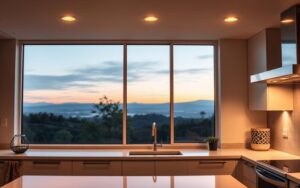
Did you know that about 25% to 30% of home heating and cooling energy is wasted? This is because of old or inefficient windows. The U.S. Department of Energy says this is a big problem.
By choosing energy-saving windows, you can make your home more comfortable. You’ll also save money on your bills and might even increase your home’s value. Getting eco-friendly windows is more than just an upgrade. It’s a key step towards living sustainably and using energy wisely.
Understanding Intelligent Energy Use
Intelligent energy use aims to make homes use energy more efficiently. Installing energy-efficient windows is key to this goal. These windows make homes more comfortable and lower energy bills, improving a home’s performance.
Definition and Importance
Energy-efficient windows help keep homes warm in winter and cool in summer. They reduce the need for heating and cooling systems. This leads to less energy use, making homes more sustainable.
Benefits of Saving Energy
Choosing eco-friendly windows has many advantages. They help save money on utility bills. Plus, they increase a home’s value, as more people want them.
These windows also improve indoor air quality. They offer long-term benefits for the environment.
Assessing Your Current Energy Consumption
Understanding how much energy your home uses is key to making it more efficient. By looking closely at your energy use, you can find ways to save. This includes looking at windows and how they affect your energy bills.
Tools for Measuring Energy Use
There are many tools to help find where energy is being wasted in your home. Here are a few:
- Energy Audits: Experts can find where heat is escaping and suggest ways to save energy.
- Smart Meters: These meters show how much energy you use in real time. They help you see patterns.
- Thermal Imaging Cameras: These cameras show where heat is leaking through windows and doors. They help you know where to improve.
Analyzing Your Energy Bills
Looking at your energy bills over time can show you trends. Pay attention to these:
- Monthly Consumption: Watch for changes in how much energy you use. This can tell you if your windows are old.
- Cost of Energy: If your bills go up when you use more energy, it might be time for new windows.
- Seasonal Changes: See how your energy use changes with the seasons. This is especially important during hot and cold months.
Smart Home Technology for Energy Efficiency
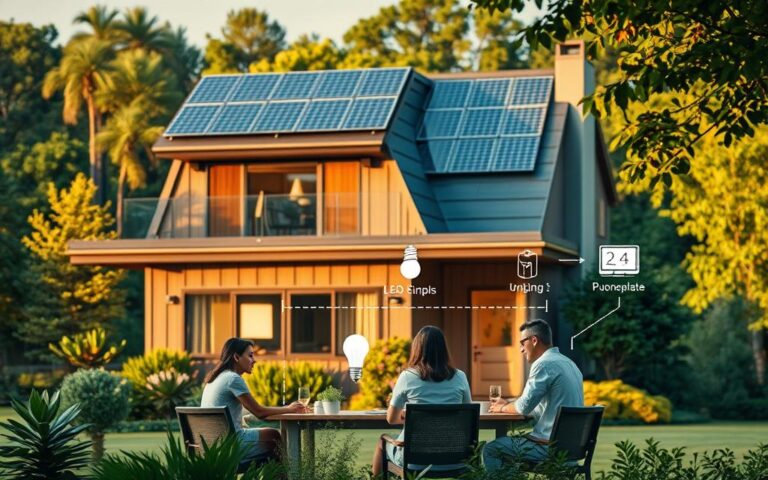
Smart home technology is key to making homes more energy-efficient. It helps use energy wisely and saves money on bills. Homeowners can make better choices about how they use energy with these tools.
Smart Thermostats
Smart thermostats are a top pick for saving energy. They learn your schedule and adjust the temperature for you. This works well with good insulation and windows, keeping your home comfortable.
Brands like Nest and Ecobee make it easy to control your home’s temperature with apps. This makes saving energy convenient and easy.
Energy Monitoring Systems
Energy monitoring systems help track how much energy you use. They show you how to use less energy. This helps you choose the right appliances for your home.
Knowing which devices use the most energy helps you make smart choices. This leads to saving energy and money.
Choosing Energy-Efficient Appliances
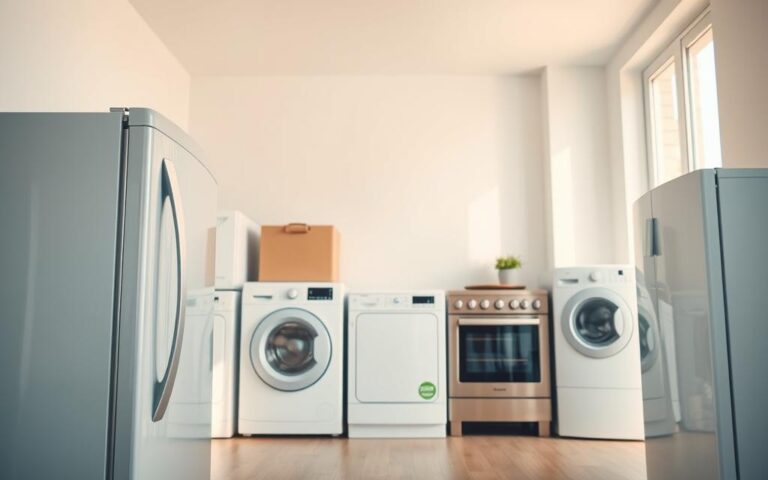
Choosing the right appliances can make your home more energy-efficient. These appliances use new technology to use less power but still work well. Using them with energy-efficient windows helps even more. It cuts down on your bills and helps the planet.
How to Identify Energy-Efficient Products
When you’re looking for energy-efficient appliances, here’s what to look for:
- Energy Star Certification: This label means the appliance meets tough standards set by the U.S. Environmental Protection Agency.
- Product Specifications: Check the energy use numbers on the product to see how efficient it is.
- Consumer Reviews: See what others say about how much energy it uses and how happy they are with it.
The Role of Energy Star Ratings
Energy Star ratings are key in finding energy-saving products. Groups like Energy Star check if products are really efficient. Always choose appliances with these ratings for the best energy savings and value.
Optimizing Heating and Cooling Systems
Efficient heating and cooling systems are key to comfort and saving energy. They work better with energy-efficient windows, saving a lot of money. Homeowners can use smart strategies to make the most of their HVAC systems, using energy wisely.
Tips for Efficient HVAC Use
- Regular maintenance keeps your HVAC units running smoothly.
- Change or clean filters every month to improve airflow and save energy.
- Keep your thermostat between 68°F and 72°F in winter and 75°F to 78°F in summer for energy efficiency.
- Smart thermostats adjust to your life, saving energy.
- Seal ductwork to stop air leaks and save conditioned air.
Zoning Systems and Their Benefits
Zoning systems let you control temperatures in different areas. This boosts comfort and saves energy. By adding zoning to energy-efficient windows, you reduce HVAC work and lower bills. Eco-friendly windows also cut down drafts and heat loss, keeping each room at the right temperature without wasting energy.
Effective Lighting Strategies
Using the right lighting can make a big difference in a home’s energy use. Homeowners can save energy and feel more comfortable by choosing the right lights. It’s important to know the difference between LED and traditional lights, and how to use natural light.
LED vs. Traditional Lighting
LED lights are a great choice over old-fashioned bulbs. They use much less energy and last longer, saving money in the long run. For example, a 10-watt LED is as bright as a 60-watt bulb, cutting down on energy use.
Natural Lighting Solutions
Using natural light is a smart way to save energy. Energy-efficient windows help let in sunlight and keep heat in. This means you need less artificial light during the day.
Adding skylights and mirrors can also bring in more natural light. This makes your home feel bright and welcoming.
Sustainable Practices for Daily Living
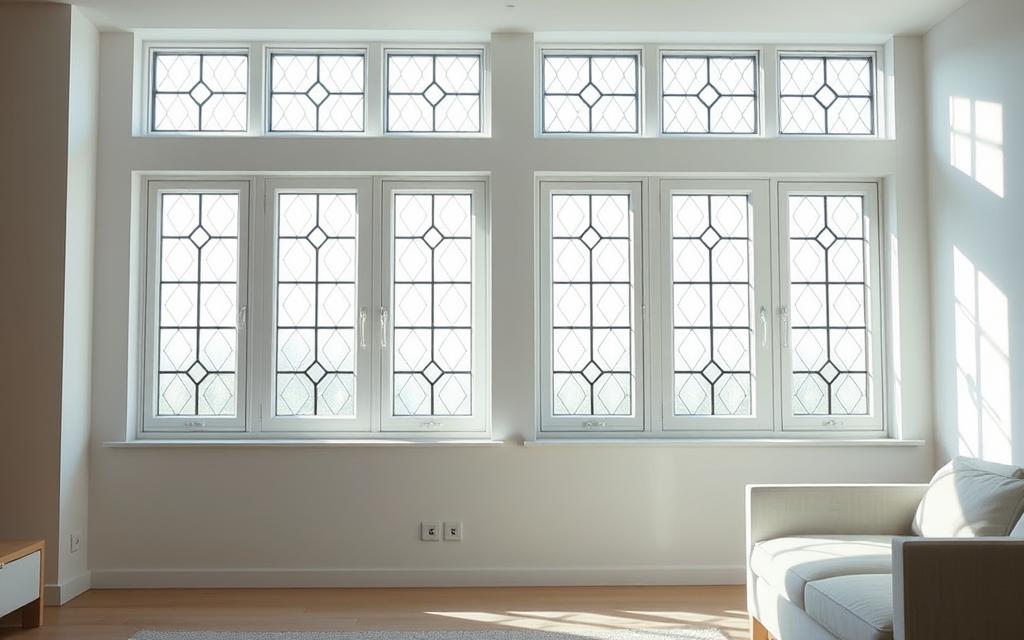
Making your daily life more sustainable can save energy and help the environment. Simple steps, like cutting down on standby power, can make a big difference. These actions not only save money but also make your home greener. Adding energy-efficient windows to your home can make it even more comfortable and efficient.
Reducing Standby Power Consumption
Standby power, or “phantom load,” uses a lot of energy in homes. Things like TVs, game consoles, and chargers use power even when off. Here are some ways to reduce this:
- Unplug devices when not in use.
- Use smart power strips to turn off many devices at once.
- Choose energy-saving appliances that use less standby power.
Water Conservation Techniques
Conserving water is key for a green home. Using less water can save money and protect the environment. Installing low-flow fixtures is a smart move that works well with energy-saving windows. Here are more ways to save water:
- Fix leaks quickly to avoid wasting water.
- Choose drought-resistant plants for your garden.
- Set up rainwater harvesting systems.
Implementing Renewable Energy Sources
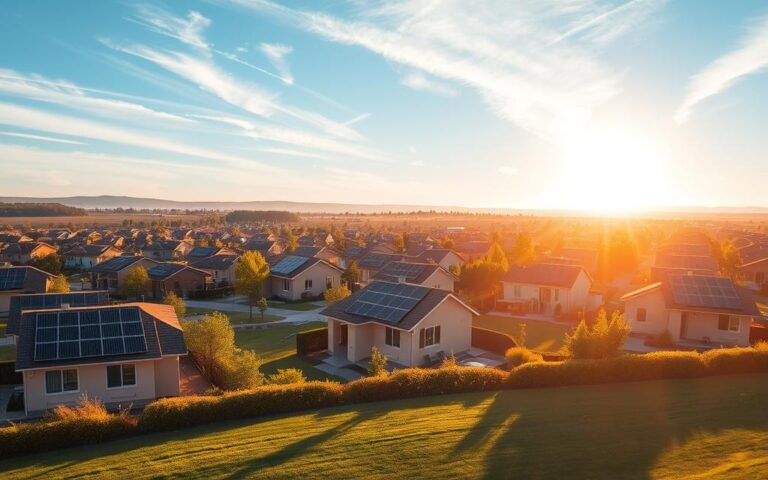
Renewable energy sources like solar and wind power are key to a green home. Homeowners can cut down on carbon emissions by adding these systems. This helps save energy and provides clean power, working well with energy-saving windows.
Solar Energy Options for Homeowners
Solar energy is a great choice for those wanting to use renewable resources. Solar panels can power homes, saving on bills. Using eco-friendly windows with solar energy boosts efficiency.
These windows help keep homes warm or cool, needing less from heating and cooling systems. This makes solar panels a smart investment.
Wind Energy and Its Potential
Wind energy is another promising option for renewable power. Small wind turbines can add extra energy, especially in windy areas. They work well with energy-saving windows, cutting down on traditional power use.
Choosing wind systems shows a dedication to the environment. It can also lower energy costs over time.
Understanding Time-of-Use Pricing
Time-of-use pricing lets homeowners manage their energy costs better. It changes electricity rates based on when you use it. This way, you can save money by using energy-efficient items during cheaper hours.
How It Works
The day is split into peak and off-peak times. Electricity costs more when it’s busy, like in the late afternoon. But, it’s cheaper when it’s quiet, like early morning.
By changing when you use big appliances, you can save a lot. Using energy-saving windows helps a lot too. It makes your home more efficient during these times.
Benefits of Shifting Energy Use
Changing when you use energy can really cut down your bills. You can:
- Save money by using energy when it’s cheaper.
- Make your energy-saving home improvements work better.
- Use less energy overall, which is good for the planet and the grid.
Using time-of-use pricing is good for your wallet and the planet. It helps you save money and live more sustainably.
Educating Your Household on Energy Conservation
Teaching your family about saving energy is key to getting the most from eco-friendly windows. When everyone helps, it makes a big difference. It teaches them to care for the planet.
Involving Family in Energy-saving Practices
Talking about saving energy with your family is important. Simple steps like turning off lights or using natural light help a lot. You can even do energy audits together to find ways to save more.
Creating an Energy-efficient Routine
Having a daily routine that saves energy is very helpful. Try to do things that use a lot of energy at times when it’s cheaper. This way, you use less energy and save money. Doing this regularly helps your family understand the value of energy-saving choices.
Future Trends in Intelligent Energy Use
The world of smart energy use is changing fast. New ideas and technologies are coming that will change how we use energy at home. These include better materials for windows and smarter home systems that save energy.
These changes aim to lower our energy bills and make our homes more comfortable and green.
Innovations on the Horizon
New technologies are going to change how we make our homes more energy-efficient. For example, new insulation and aerogel technology are making homes tighter. This means we need less energy for heating and cooling.
Also, smart thermostats with artificial intelligence are learning our energy habits. They adjust to use energy when it’s best, saving us money and energy.
The Role of Government Policies
Government actions will also shape the future of energy efficiency. Laws that offer money for energy-saving windows and upgrades encourage homeowners to make changes. As these laws get better, following them will save us money and help the planet for our kids and grandkids.