
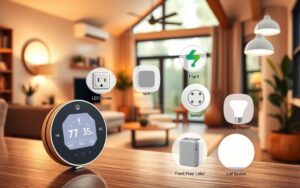
Did you know the average U.S. household spends about $2,200 a year on energy bills? This shows how important it is to use energy wisely at home. By learning how to be more efficient, you can cut down on your energy costs. Plus, it helps the planet too.
This article will show you ways to save energy at home. We’ll talk about smart technology and habits that can make a big difference. You’ll learn how to make your home more energy-efficient.
Understanding Intelligent Energy Use
Intelligent energy use means using smart strategies and tech to cut down on energy use without losing comfort. It’s more important than ever as we face climate change and higher energy costs. By using smart energy practices, homeowners can help the planet and boost their home’s value.
Definition and Importance
Intelligent energy use is about being efficient and green. It’s about finding ways to use less energy while keeping your home cozy. As we learn more about how our actions affect the planet, using energy wisely becomes even more crucial.
Key Benefits for Homeowners
Homeowners who use energy smartly get many benefits:
- Cost savings on utility bills by using less energy.
- More comfort with better heating and cooling.
- A smaller carbon footprint, helping our planet.
- Higher property value, attracting buyers who care about the environment.
Assessing Your Current Energy Consumption
Monitoring your energy use is key for homeowners wanting to save. Tools help measure how much energy you use and spot areas needing improvement. With the right info, you can make changes to use energy more wisely.
Tools for Measuring Energy Use
Smart energy tools, like smart meters, give you real-time energy use data. They show when and how much energy you use, helping you make smarter choices. Home energy audits also help find and fix energy-wasting spots.
Identifying High-Consumption Appliances
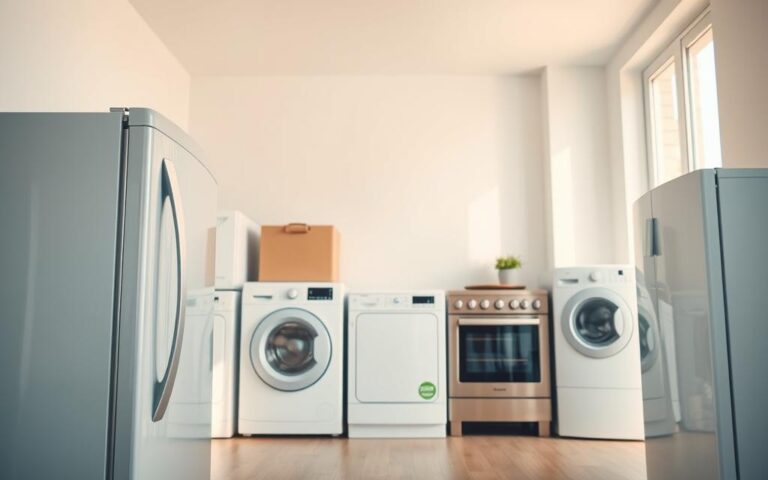
Appliances like refrigerators and washing machines use a lot of energy. Knowing which ones use the most helps you choose better ones. Look for Energy Star certified products for more efficient energy use.
Strategies for Energy Efficiency
Using energy-efficient strategies can help the environment and save money. Smart thermostats, energy-efficient appliances, and natural light can make homes more comfortable and save energy. This leads to better energy use and comfort.
Smart Thermostats and Their Benefits
Smart thermostats are key for saving energy. They learn your habits and adjust the temperature for comfort. For example, they can lower the heat or cool when you’re not home, saving up to 15% on energy costs.
With remote control, you can adjust the thermostat from anywhere. This helps use energy wisely, even when you’re not home.
Energy-Efficient Appliances
Switching to energy-efficient appliances makes a big difference. Look for the Energy Star label to ensure they use less energy. These appliances save energy and money over time.
Choosing energy-efficient appliances is good for the planet and your wallet. They help you save money and use energy wisely.
Utilizing Natural Light
Using natural light can cut down on artificial lighting costs. Simple changes like skylights, lighter paint, or rearranging furniture can brighten your home. These changes also encourage using less energy.
The Role of Renewable Energy
Looking into renewable energy solutions can really help homeowners save money and the planet. Using solar and wind energy can bring big wins, both for your wallet and the environment.
Solar Power for Homes
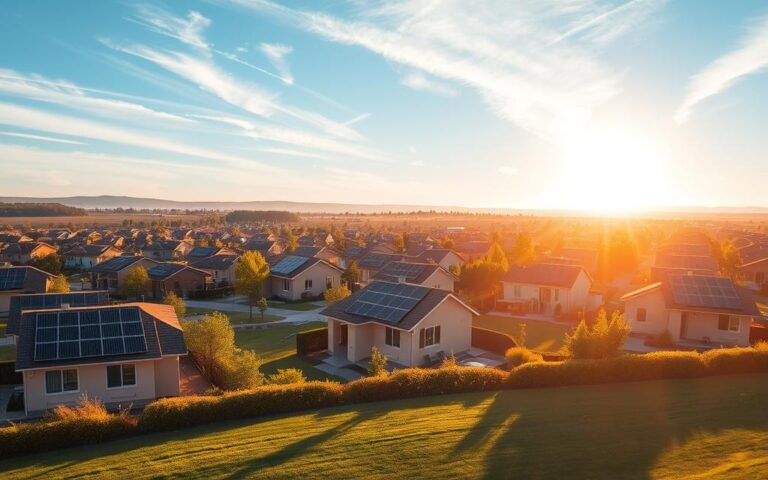
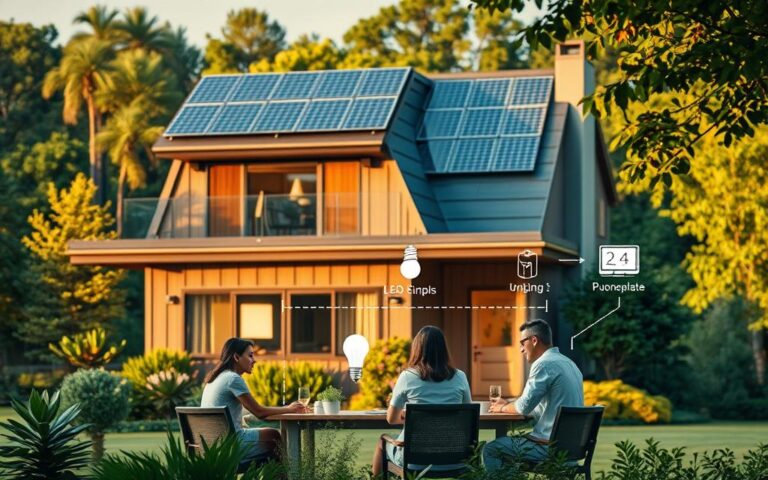
Solar energy is a top choice for home power. By putting solar panels on roofs, homes can turn sunlight into electricity. This cuts down on bills and uses less fossil fuels.
Many places offer help to get more people using solar energy. This makes it easier for homeowners to join the green movement.
Benefits of Wind Energy
Wind energy is another green choice, especially where the wind blows strong. Small turbines can be set up to catch wind and turn it into power. They save money on energy over time and help us move to cleaner energy.
Smart Home Technology
Smart home technology is key to saving energy in today’s homes. It includes smart meters and home automation. These tools help track and manage energy use. They make homes more efficient and sustainable.
The Impact of Smart Meters
Smart meters are crucial for checking energy use. They give real-time data, helping homeowners understand their energy habits. This energy consumption tracking lets users make better energy choices.
With smart meters, people can spot when they use the most energy. They can then adjust their systems to use less. This cuts down on waste and boosts efficiency.
Home Automation Systems
Home automation changes how devices work together, saving energy. It connects lights, HVAC, and more for better control. For example, lights turn off when it’s light outside, and thermostats adjust when you’re not home.
This approach makes life easier and saves energy. It’s a win-win for both convenience and savings.
| Feature | Smart Meters | Home Automation Systems |
|---|---|---|
| Real-Time Monitoring | Yes | No |
| Energy Consumption Tracking | Directly | Indirectly via integration |
| Device Coordination | No | Yes |
| Reducing Energy Waste | Yes | Yes |
| Initial Cost | Moderate | Higher |
Energy Conservation Practices
Making small changes in our daily lives can lead to big energy savings. These daily habits help us use energy more efficiently. When the whole family gets involved, it makes a bigger difference in saving energy at home.
Simple Daily Habits to Save Energy
- Encourage everyone to turn off lights when leaving a room.
- Unplug devices that aren’t in use to eliminate phantom energy consumption.
- Use energy-efficient light bulbs to reduce electricity usage for lighting.
- Consider adjusting thermostats slightly to minimize heating or cooling demands.
- Utilize natural light during the day to lessen reliance on artificial lighting.
Seasonal Energy-Saving Tips
Changing our habits with the seasons can save a lot of energy. In the summer, using ceiling fans can cool your home without needing air conditioning. In the winter, keeping your home well-insulated helps keep it warm and saves on heating costs.
Understanding Energy Rates
Energy pricing structures are key to how much homeowners pay for electricity. Time-of-use rates are a common method. They change based on when you use energy. Knowing this helps you manage your energy use and costs better.
Time-of-Use Pricing Explained
Time-of-use pricing has three main parts: peak, partial-peak, and off-peak rates. Peak times, like late afternoon and evening, have the highest rates. Off-peak hours, like late night or early morning, have lower rates. This system helps you save by using energy when it’s cheaper.
How to Choose the Right Plan
Choosing the right energy plan is important. Look at your habits and the rates offered. See if time-of-use pricing fits your daily life. By analyzing your energy use, you can find ways to save.
Consider other options like fixed rates or renewable energy plans. These can meet different needs. The goal is to pick a plan that saves you money and fits your lifestyle.
Incentives for Energy Efficiency Upgrades
Homeowners wanting to make their homes more energy-efficient have many financial options. Federal and state programs offer big rebates for upgrades. This makes it easier to afford new appliances, better insulation, or full home energy audits.
These government incentives help homeowners go green without spending too much. They encourage sustainable living by making upgrades more affordable.
Federal and State Rebates
Many federal and state rebates aim to boost energy efficiency. They give cash back for buying energy-saving appliances and systems. Homeowners should look into their local programs, as they vary a lot.
By using these rebates, the cost of making your home more energy-efficient can drop a lot. It’s a great way to save money while helping the planet.
Tax Credits for Home Improvements
Tax credits are another big help for energy-efficient upgrades. If you buy certain energy-saving systems or appliances, you might get tax credits. This can lower your taxes and support your investment in green living.
Knowing about current tax credits and what you qualify for can make it easier. It helps you save money and improve your home’s energy use.
Future Trends in Intelligent Energy Use
The future of energy looks bright with new technologies on the way. We’ll see better energy storage and smart energy management software. These changes will make homes more efficient and green.
Innovations to Watch
Smart grids and apps will let homeowners control their energy use. These tools make it easy to see and change energy habits. Home energy systems will also help manage different energy sources, making green living easy.
The Importance of Sustainable Living
Living sustainably is key as we tackle climate change. Using energy smartly cuts down on carbon emissions. It’s good for us and the planet, leading to a greener future.