
Have you thought about how picking an EV charging station affects you? It’s not just about ease. Your choice touches your pocket too. With more people buying electric cars, understanding home chargers is key. This guide makes the complex world of EV chargers simple. It will help you know your options and choose well for your needs.
Key Takeaways
- Understanding the importance of choosing the right EV home charging station.
- Key tech specifications and costs involved in electric vehicle charging.
- The benefits of having a home EV charger versus public charging options.
- How to assess your specific EV charging needs and preferences.
- Insights into the future of EV home charging technology.
Understanding EV Home Charging Basics
Switching to an electric vehicle means you’ll need home charging. It’s a way to power up your EV using a special charger at home. There are Level 1 and Level 2 charging types, for different needs.
What is EV Home Charging?
Home charging lets you power up your electric vehicle right at your house. You’ll use a charging station that connects to your home’s electricity. Level 1 charging works with regular outlets. But Level 2 charges faster because it needs a special setup.
Benefits of Home Charging
Charging your EV at home comes with great perks:
- Convenience: You can get a full battery every morning, skipping the trip to public stations.
- Cost-Effective: It’s cheaper to charge at home than at public spots, especially when electricity rates are low.
- Environmental Impact: Using home charging supports clean energy, which is better for the planet.
- Control: You decide when and how to charge, which can help lower your electric bill.
Getting a home charging station is a smart choice. It makes daily driving easier and more efficient.
Types of EV Home Charging Stations
When picking out a charger for your electric car, you need to know about the types available. Each type has benefits and features that can change how you charge your car and how much energy you use.
Level 1 vs. Level 2 Charging Stations
A Level 1 charger uses a normal 120-volt outlet. It’s easy to set up because it doesn’t need special wiring. It gives you 3 to 5 miles of driving range for every hour it charges. This is enough for those who don’t drive much or can charge overnight.
A Level 2 charger needs a 240-volt outlet but charges faster, giving 10 to 60 miles of range per hour. This is better for people who drive a lot and need their car ready quickly.
DC Fast Charging: Is It Necessary for Home Use?
DC fast charging is great for quick charges at public stations, filling up to 80% in about 30 minutes. However, it’s usually too much for home use. This is because it’s expensive to install and needs big electrical changes.
For charging at home, Level 1 and Level 2 chargers are usually good enough. They offer a nice balance of speed and convenience.
Smart Charging Options: What to Consider
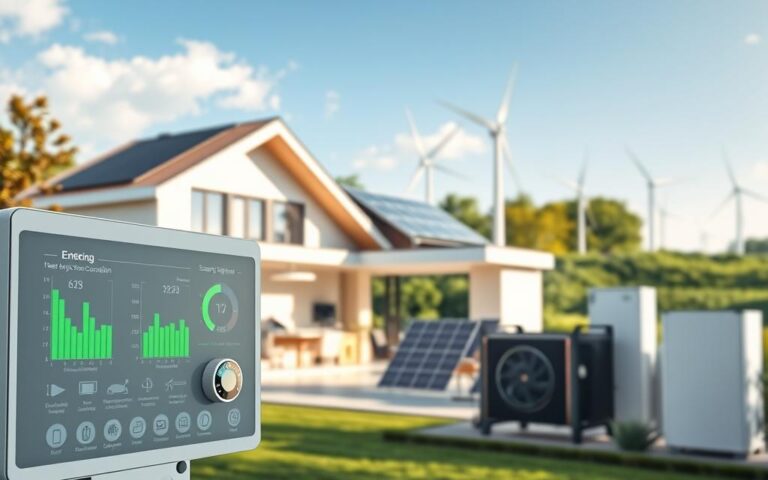
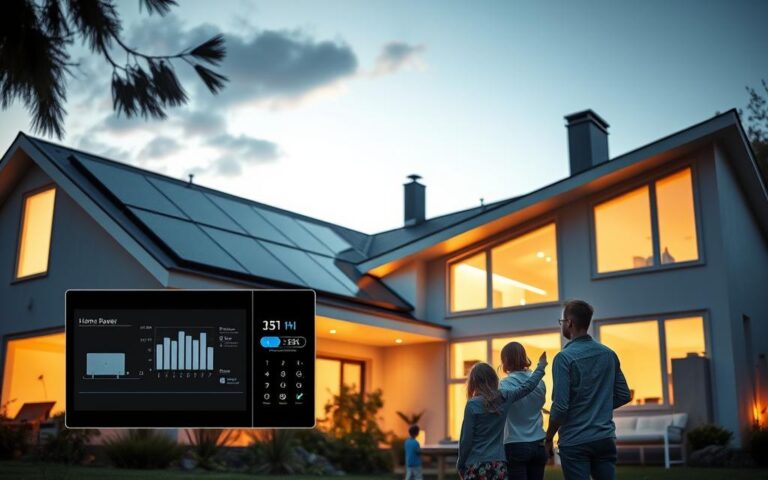
Smart EV chargers let you check and manage your charging with a smartphone app. They can plan charging for when electricity is cheapest, saving you money. When looking for a charger, see if it works with your energy company. Also, check if it can work with home solar or battery systems to use less energy.
Key Features to Look for in a Charging Station
When choosing the best home EV charger, focus on several important features. These features ensure good performance and safety. They can make a big difference in how you experience your electric vehicle.
Compatibility with Your EV Model
Make sure the charging station fits your electric vehicle model. Not all chargers fit every EV, so picking the right one is crucial. For most EVs, J1772 connectors are common, while CCS connectors suit some European cars. Choosing a compatible charger means your EV and charger will work well together.
Charging Speed: Watts and Kilowatts Explained
The charging speed is key to how fast your vehicle charges. Chargers are measured in watts or kilowatts. For example, a 7.2 kW charger charges faster than a 3.6 kW one. Think about how many miles you drive to find the right charging speed. This makes charging your EV easier and more convenient.
Safety Features: What You Need to Know
EV chargers need good safety features to protect your car and home. Look for chargers with features like overheating protection and safety certifications. These features help avoid dangers and make charging safe. Knowing about these safety features helps you charge your EV worry-free.
| Feature | Importance | Examples |
|---|---|---|
| Compatibility | Ensures seamless charging with your EV | J1772, CCS |
| Charging Speed | Affects total charging time | 3.6 kW vs. 7.2 kW |
| Safety Features | Protects both vehicle and home | Overheating protection, ground fault circuit interrupters |
Installation Considerations for Charging Stations
When setting up your home EV charger, there are important factors to consider. These factors will help make sure your charging station works well and safely. Let’s go over the main things to keep in mind.
Electrical Requirements: Power Needs and Upgrades
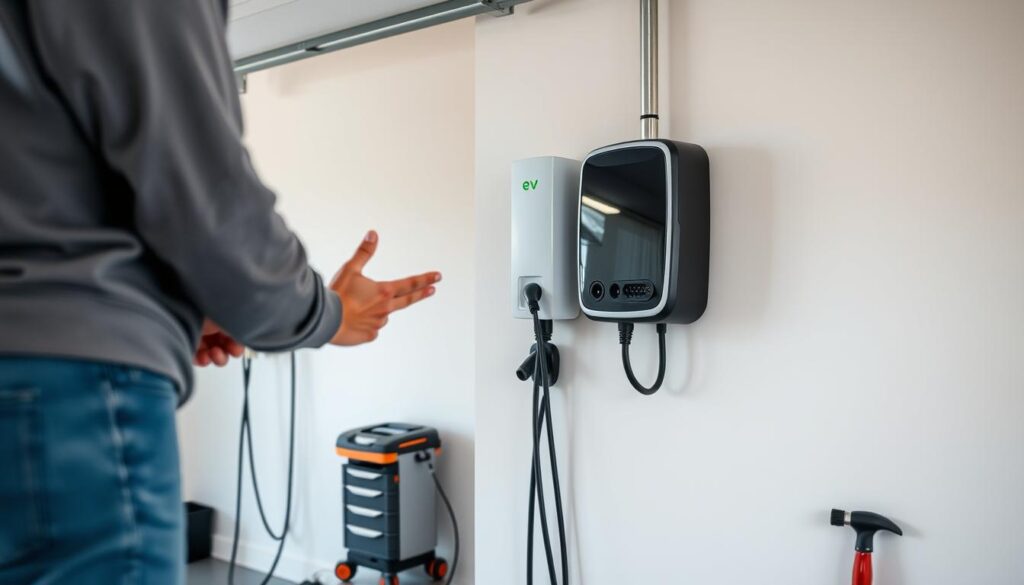
Check your home’s electrical system before installing. EV chargers need different amounts of power. For example, Level 1 chargers work with a standard 120-volt outlet, but Level 2 chargers need a 240-volt circuit. You might have to update your electrical system to fit a new charger. Talk to a licensed electrician to figure out what your charger will need.
Professional vs. DIY Installation: Pros and Cons
Choosing who installs your EV charger— a professional or yourself—matters. Each choice has its good and bad points:
- Professional Installation:
- You get expert help that meets all safety rules.
- The installation might be faster with fewer problems.
- DIY Installation:
- It could save you money if you know what you’re doing.
- You’re in charge of the whole installation.
Think about your skills with electrical work and safety before deciding.
Locating Your Charging Station: Best Practices
Where you put your charging station is key. Make sure it’s easy to get to but also safe. Here are tips for a good spot:
- Place the charger near where you park to avoid long cables.
- Don’t put it where it’s too sunny or there’s bad weather.
- There should be enough room around the charger and car.
These tips will make installing your home EV charger better and help you easily use it.
Cost Breakdown: Managing Your Charging Station Budget
It’s important to understand the money side of getting an EV home charger for budgeting. You’ll face costs like buying the charger, paying for installation, and any extra items needed. Knowing these things helps you make smart choices about your charging needs.
Upfront Costs: Units, Installation, and Accessories
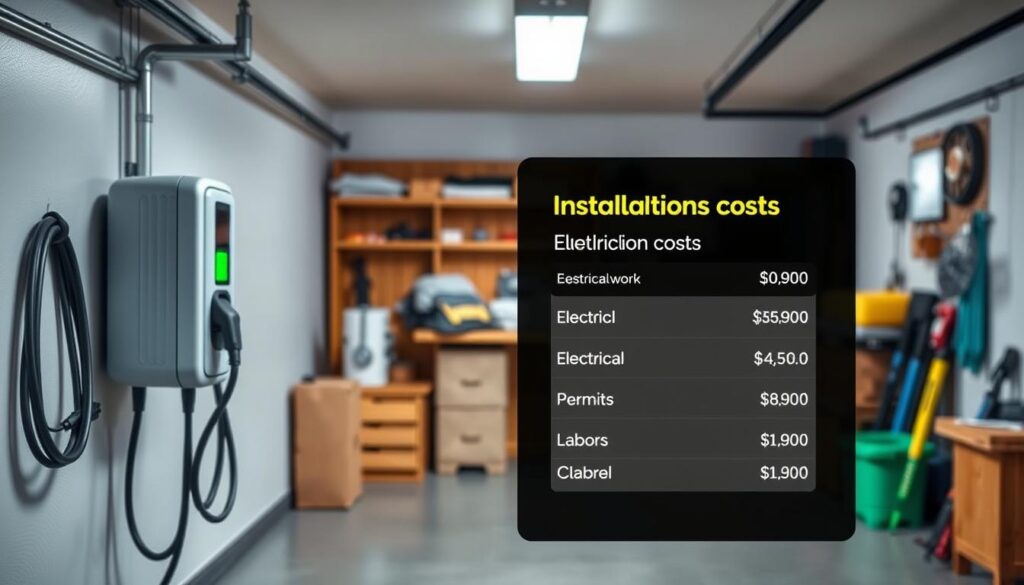
EV home charger prices vary a lot depending on their features and brands. They usually cost between $500 to $1,500. Installation might cost an extra $200 to $1,000, based on your home’s electrical needs and what your local workers charge. You may also need to buy more items, like cable holders or covers. It’s good to plan for these costs upfront to manage your investment.
Long-Term Savings and Incentives for EV Owners
Choosing an electric vehicle can save you a lot of money in the long run. Charging at home is cheaper than buying gas. Also, many states give money back or other benefits for getting and setting up EV chargers. Electric cars are usually cheaper to keep up than gas cars, so you save more over time.
Comparing Popular Charging Station Brands
Looking at different EV charging station brands is key to getting the best deal. Big names like ChargePoint, Blink, and Siemens offer various features and prices. Compare their details, warranties, and what other customers say to find what’s best for you. Knowing the costs of each can help you make a smart choice for your charging needs.
Understanding Installation Costs and Options
When you decide to install an EV charger at home, there are key financial factors to think about. It’s good to know the average costs in the U.S. for this upgrade. This helps you plan your budget and avoid unexpected expenses.
Average Installation Prices Across the U.S.
The cost to install an EV charger at home changes depending on where you live, labor prices, and your home’s electrical needs. Here’s an overview of what people pay in different parts of the country:
| Region | Average Installation Cost (Including Labor) |
|---|---|
| West Coast | $1,500 – $3,000 |
| Midwest | $1,200 – $2,500 |
| South | $1,000 – $2,300 |
| Northeast | $1,800 – $3,200 |
Hidden Costs You Should Prepare For
Installing an EV charger isn’t just about the visible costs. You should also know about possible hidden fees. These can include:
- Electrical Upgrades: Boosting your home’s electrical system might cost extra.
- Permits: You might need permits, costing between $100 and $500.
- Additional Electrical Work: Changes to wiring or circuit breakers can increase your bill.
Knowing about these extra costs helps you get a full picture of what you’ll spend. This makes for a smoother setup of your EV charger.
Home Energy Management and EV Charging
Learning about home energy management and its link to EV charging can cut down on energy bills. Charging your electric vehicle (EV) affects your electric bill in many ways. By managing when and how you charge your EV, you can save a lot on your electric costs each month.
Impact on Your Electric Bill
The effect of EV charging on your electric bill mainly depends on how and when you charge. Charging during peak times can result in higher costs. To save money, look at your electricity use and try to charge your EV during lower-demand periods. As more people use EVs, knowing how to manage your home energy is key to reducing bills.
Time-of-Use Rates: Saving Money Through Smart Charging
Several utility companies have time-of-use (TOU) rates that lower the cost of charging your EV. These rates are cheaper during off-peak hours. By charging your car then, you can significantly reduce your electric bill. Using smart charging technologies that work with TOU rates can further improve your savings.
Maintaining Your EV Charging Station
Keeping your EV charging station in good shape is key. By checking and taking care of your station, you avoid expensive fixes and make it last longer. This part tells you about the regular upkeep needed for your charger. It also covers how to fix common problems easily.
Routine Maintenance: What You Need to Do
To take care of your EV home charger, follow these steps:
- Inspect wiring and connections: Look at all electrical connections regularly for any damage or rust.
- Clean the charging unit: Clean your charger to avoid overheating caused by dust and debris.
- Test functionality: Test your charger now and then to make sure it works well without stopping.
- Monitor software updates: Look for updates that can make your charger perform better.
Troubleshooting Common Issues
When you face issues with your charging station, knowing what to do helps a lot. Here are some common problems and quick fixes:
| Issue | Possible Cause | Solution |
|---|---|---|
| Charger not powering on | Power source issue | Check the circuit breaker and outlet connections. |
| Slow charging | Dirty connectors | Clean the charging plugs and vehicle port. |
| Unexpected shutdowns | Overheating | Allow the charger to cool down and ensure proper ventilation. |
| Error messages on display | Software glitch | Reset the charger and consult the user manual for error codes. |

Environmental Impact of Home EV Charging
More people are getting electric vehicles (EVs), so home EV charging’s green side is shining through. By charging at home, especially with renewable energy like solar or wind, we cut down on carbon emissions. This makes charging both eco-friendly and helps keep our planet cleaner.
Renewable Energy Integration: Is It Right for You?
Using renewable energy for EV charging has lots of benefits. If you have solar panels at home, you’ll likely see your electricity bills drop. This does need an upfront cost for the solar panels but can save you money and decrease your need for fossil fuels in the long run. Thinking about your home’s energy needs and what local incentives exist for renewables is key.
How Charging Locations Affect the Grid
More EVs mean the power grid has to adapt to new demands. It’s important to know how charging stations affect the grid. Charging at night or during times when not many people use electricity can help keep the grid stable. By charging smartly, we can make sure there’s enough power for everyone and make charging greener.
| Impact Factor | Benefit of Integrating Renewable Energy | Potential Challenge |
|---|---|---|
| Cost Savings | Lower utility bills through solar energy usage for charging | Initial installation costs for solar panels |
| Environmental Impact | Reduction in greenhouse gas emissions | Variability in solar and wind energy availability |
| Grid Stability | Reduced peak demand during specific charging times | Need for grid upgrades to handle increased demand |
Using renewable energy for home EV charging makes it more sustainable and pushes us towards a cleaner energy future. Every step we take to mix renewable energy with EV charging helps cut down on environmental damage.
Future Trends in EV Home Charging
The way we charge electric vehicles at home is changing fast, thanks to new technology. Soon, you’ll be able to charge your electric vehicle much quicker and more easily. Companies are working on faster charging options and smarter setups that work well with your home energy systems.
This means less waiting around to charge your car. This will make handling your everyday driving needs a breeze.
Also, there will be more places to charge your electric car, especially at home. As more people want these charging spots, cities will add more of them in neighborhoods. Governments and private companies are working together to make this happen quickly. This will make charging at home better and support your switch to electric driving.
So, charging your electric vehicle is going to get a lot easier, greener, and more reliable. With new research, you’ll be ready to use these cool developments. These changes are great for both your charging needs and the planet.