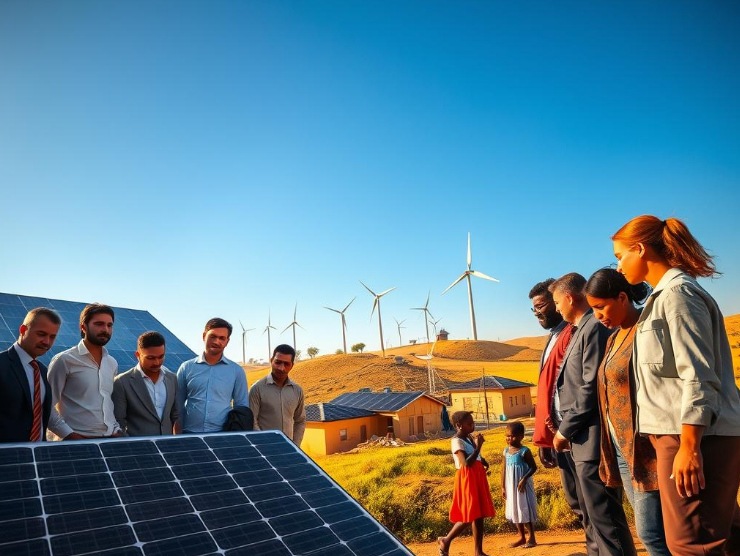

Nearly 733 million people worldwide live without electricity, representing a staggering challenge for global development and human progress. Affordable energy technologies for remote areas have emerged as a transformative solution to bridge this critical infrastructure gap.
Off-grid energy solutions are revolutionizing power access in isolated communities. These innovative remote area power supply technologies provide sustainable electricity where traditional grid infrastructure is economically unfeasible or technically challenging.
Modern affordable energy technologies offer hope for rural populations by enabling critical services like healthcare, education, and economic development. Solar, wind, micro-hydro, and biomass systems are creating unprecedented opportunities for empowerment and community resilience.
By leveraging cost-effective renewable energy strategies, these technologies can dramatically improve quality of life. Rural communities can now access reliable electricity without massive infrastructure investments, opening pathways to social and economic transformation.
This article explores cutting-edge approaches that are making electricity accessible, sustainable, and affordable in the world’s most challenging geographical contexts. We will dive deep into technology options that are changing lives one community at a time.
The Energy Access Challenge in Remote Communities
Energy poverty represents a critical global challenge that impacts millions of people in isolated regions worldwide. Rural communities face significant obstacles in accessing reliable electricity, which constrains economic development and quality of life.
The stark reality of energy poverty creates profound barriers for rural populations. Lack of electricity limits fundamental opportunities for education, healthcare, and economic advancement.
Understanding Energy Poverty in Isolated Regions
Energy poverty manifests through multiple dimensions of community vulnerability:
- Limited access to modern energy services
- Dependence on traditional biomass fuels
- Insufficient electrical infrastructure
- High costs of energy access solutions
Geographic and Economic Barriers to Grid Connection
Rural electrification faces substantial challenges due to geographical constraints and economic limitations. Remote areas often require expensive infrastructure investments that traditional utility companies find economically unfeasible.
| Region | Electrification Rate | Population Without Access |
|---|---|---|
| Sub-Saharan Africa | 48% | 600 million |
| South Asia | 75% | 300 million |
| Southeast Asia | 70% | 100 million |
The Human Impact of Limited Electricity Access
The consequences of energy poverty extend beyond infrastructure. Children struggle to study after dark, healthcare facilities cannot store critical medical supplies, and economic opportunities remain severely restricted.
Addressing energy access solutions requires innovative approaches that overcome traditional grid limitations.
Developing targeted rural electrification strategies can transform communities by providing sustainable, affordable energy technologies that unlock human potential and economic growth.
Solar Power Solutions for Off-Grid Locations
Solar technology has emerged as a game-changing solution for low-cost solar systems in remote communities. Decentralized power systems have revolutionized energy access by providing affordable and sustainable electricity to areas traditionally disconnected from power grids.
The rise of off-grid renewable systems has transformed how isolated regions approach energy challenges. Modern solar technologies offer unprecedented opportunities for communities lacking traditional infrastructure.
- Individual solar home systems (10-100 watts)
- Community solar kiosks
- Village-scale solar minigrids (5-100 kilowatts)
Innovative financing models like pay-as-you-go programs have dramatically increased solar accessibility. Mobile money platforms enable low-income households to spread equipment costs over time, making renewable energy more attainable.
| Solar System Type | Power Output | Typical Applications |
|---|---|---|
| Home Systems | 10-100 watts | Lighting, phone charging |
| Solar Kiosks | 100-500 watts | Community charging, small business support |
| Village Minigrids | 5-100 kilowatts | Comprehensive community infrastructure |
Global initiatives like M-KOPA in East Africa demonstrate the transformative potential of solar technologies. These solutions not only provide electricity but also create economic opportunities in underserved regions.
Solar power represents more than technology—it’s a pathway to community empowerment and sustainable development.
While challenges remain, such as seasonal performance variations and battery storage requirements, solar continues to be a promising solution for expanding energy access in remote locations.
Micro-Hydro Systems: Harnessing Local Water Resources
Small-scale hydropower represents a powerful renewable energy solution for remote communities seeking sustainable electricity generation. These innovative systems transform local water resources into reliable electrical power, offering an effective alternative to traditional grid connections.
Micro-hydro technology provides an exceptional opportunity for renewable energy for remote communities, particularly in regions with consistent water flow. The system harnesses water’s natural movement to generate electricity through several critical components.
How Micro-Hydro Technology Operates
The fundamental process of micro-hydro power generation involves several key stages:
- Water intake from local streams or rivers
- Channeling water through precision-engineered pipes
- Driving turbines with controlled water flow
- Converting mechanical energy into electrical power
- Distributing electricity through community microgrids
Cost-Effectiveness for Small Communities
Community microgrids powered by micro-hydro systems offer remarkable economic advantages. The technology demonstrates impressive characteristics:
- High capacity factor (50-90% power generation)
- Low maintenance requirements
- Extended operational lifespan (30-50 years)
- Minimal environmental disruption
Small-scale hydropower installations typically range from 5-100 kilowatts, making them ideal for powering rural settlements with limited infrastructure. The initial investment, while higher than solar alternatives, provides long-term economic benefits through consistent electricity generation.
Wind Energy Options for Remote Areas
Wind energy emerges as a powerful solution for remote power generation, offering unique advantages for distributed renewable energy systems in isolated communities. Small wind turbines represent a game-changing technology for clean energy access in regions disconnected from traditional power grids.
Remote areas with consistent wind resources can benefit from specialized wind energy solutions. These systems range from compact 400-watt turbines to more robust 100-kilowatt installations, designed to meet diverse community needs.
- Horizontal-axis turbines excel in high-wind environments
- Vertical-axis turbines capture wind from multiple directions
- Hybrid wind-solar systems provide more reliable power generation
Key advantages of wind power in remote locations include:
- Nighttime electricity generation when solar panels are inactive
- Enhanced winter performance in many geographical regions
- Reduced dependence on diesel generators
Practical considerations remain critical for successful wind energy deployment. Site assessments must evaluate wind speeds, typically requiring minimum wind speeds of 4-5 meters per second. Community acceptance depends on addressing noise concerns and establishing reliable maintenance protocols.
Wind energy transforms remote communities by providing sustainable, localized power solutions.
Successful implementations demonstrate wind power’s potential. Remote Alaskan villages and Inner Mongolian herding communities have already leveraged wind technologies to dramatically improve their energy infrastructure.
Affordable Energy Technologies Remote Areas Need Most
Selecting the right sustainable energy technologies for remote communities requires careful analysis of multiple factors. Energy independence depends on understanding the unique challenges and opportunities of different power generation methods.
Communities seeking affordable energy technologies in remote areas must consider several critical aspects when choosing power solutions. The landscape of renewable energy offers diverse options tailored to specific geographic and economic conditions.
Comparing Cost-Per-Kilowatt Across Technologies
Different sustainable energy technologies present unique cost structures that impact long-term affordability:
| Technology | Capital Cost ($/kW) | Maintenance Complexity | Typical Lifespan |
|---|---|---|---|
| Solar PV | $1,000 – $2,500 | Low | 25-30 years |
| Micro-Hydro | $2,000 – $5,000 | Medium | 30-50 years |
| Small Wind | $3,000 – $6,000 | High | 20-25 years |
Scalability and Maintenance Considerations
When evaluating affordable energy technologies for remote areas, scalability becomes crucial. Sustainable energy solutions must adapt to community growth and changing needs.
- Solar technologies offer easiest expansion capabilities
- Micro-hydro systems provide longest operational reliability
- Wind energy requires more sophisticated maintenance
The most effective energy solution is not about the cheapest technology, but the most appropriate match for local conditions.
Energy independence starts with understanding local resources, technical capacity, and long-term sustainability. Remote communities can transform their economic potential by selecting the right renewable energy approach.
Biomass and Biogas Systems for Sustainable Power
Renewable energy for remote communities finds a powerful ally in biomass and biogas systems. These sustainable energy technologies transform organic waste into valuable electricity and heat, offering an innovative solution for agricultural and rural regions with limited power infrastructure.
Biomass energy provides multiple pathways for clean energy access. The key approaches include:
- Direct combustion for heat generation
- Gasification for electricity production
- Anaerobic digestion creating biogas
Small-scale biogas digesters have emerged as a game-changing technology for rural communities. These systems convert agricultural waste like animal manure and crop residues into cooking gas and electricity. The process simultaneously addresses two critical challenges: energy production and waste management.
Community-level biomass gasification systems can generate electricity from agricultural remnants such as:
- Wood chips
- Rice husks
- Agricultural crop residues
Successful implementations demonstrate the potential of these sustainable energy technologies. India’s National Biogas and Manure Management Programme has already installed over 5 million household biogas plants, proving the scalability and effectiveness of this approach.
While challenges exist—including consistent feedstock supply and technical maintenance requirements—biomass and biogas systems represent a promising pathway to renewable energy for remote communities, creating a circular economy that benefits local agricultural ecosystems.
Energy Storage Solutions That Make Renewable Power Viable
Decentralized power systems rely critically on effective energy storage technologies. Off-grid energy solutions transform intermittent renewable sources into reliable electricity through innovative storage strategies. Community microgrids increasingly depend on advanced storage approaches to ensure consistent power delivery.
Modern energy storage technologies have revolutionized how remote communities access and manage electricity. The landscape of power storage now offers multiple approaches to meet diverse needs and budget constraints.
Battery Technology Advances
Battery technologies have significantly improved in recent years, providing more affordable and efficient storage options:
- Lead-acid batteries remain the most economical option at $100-$150 per kilowatt-hour
- Lithium-ion batteries offer longer lifespans of 10-15 years
- Emerging lithium iron phosphate batteries provide improved safety for off-grid applications
Alternative Storage Methods for Budget-Conscious Projects
Budget-friendly storage solutions extend beyond traditional battery systems. Innovative approaches include:
- Load management strategies that shift electricity use
- Thermal storage systems for heating and cooking
- Mechanical storage like pumped water systems
- Hybrid approaches combining modest battery storage with backup generators
Effective energy storage design requires careful consideration of reliability requirements and cost limitations. Typical off-grid systems aim for 1-3 days of autonomous power generation, ensuring consistent electricity access in remote locations.
Implementation Strategies and Funding Opportunities
Bringing energy access solutions to remote areas requires careful planning and strategic funding. Rural electrification projects demand a comprehensive approach that goes beyond simply installing power systems.
Communities seeking remote area power supply must navigate several critical implementation stages:
- Conduct thorough energy needs assessments
- Perform detailed resource mapping
- Engage local stakeholders in decision-making
- Select appropriate renewable technologies
- Develop sustainable maintenance frameworks
Funding opportunities play a crucial role in making these projects viable. International organizations offer multiple financial pathways for rural electrification initiatives:
| Funding Source | Key Focus | Typical Support |
|---|---|---|
| World Bank | Infrastructure Development | Large-scale grants |
| Green Climate Fund | Sustainable Energy Projects | Climate-focused financing |
| USAID | Community Energy Access | Technical assistance |
Successful implementation requires strategic community involvement. Local energy committees and training programs for community technicians ensure long-term project sustainability. Innovative financing models like results-based funding and impact investments are transforming how remote energy projects get developed.
Key considerations for project proposals include comprehensive feasibility studies, clear community engagement documentation, and robust financial sustainability plans.
Conclusion
The landscape of affordable energy technologies for remote areas has transformed dramatically. Sustainable energy technologies now offer unprecedented opportunities for communities previously disconnected from reliable electricity. Solar, micro-hydro, wind, and biomass systems provide scalable solutions that bypass traditional grid infrastructure, enabling energy independence for isolated regions.
Successful implementation of these technologies requires a nuanced approach. Context-specific selection matching local resources, community needs, and financial constraints is crucial. Innovative financing mechanisms like pay-as-you-go systems and growing policy support are breaking down barriers to energy access, making renewable solutions more attainable than ever before.
The impact of accessible electricity extends far beyond simple power generation. Remote communities gain opportunities for education, healthcare improvements, economic development, and enhanced communication technologies. By prioritizing affordable energy technologies, stakeholders can drive meaningful social and economic transformation in underserved regions.
As renewable technology costs continue to decline and implementation strategies become more sophisticated, the vision of universal energy access moves closer to reality. The future belongs to decentralized, sustainable energy solutions that empower communities, bridge economic disparities, and create pathways to global connectivity and development.
FAQ
What are the most affordable energy technologies for remote areas?
The most cost-effective energy technologies for remote areas include solar photovoltaic systems, micro-hydro installations, small wind turbines, and biomass/biogas systems. Each technology offers unique advantages depending on local resources and community needs.
How much does it cost to implement off-grid energy solutions?
Implementation costs vary by technology: solar PV ranges from $1,000-$2,500 per kilowatt, micro-hydro from $2,000-$5,000 per kilowatt, and small wind from $3,000-$6,000 per kilowatt. The total cost depends on system size, local conditions, and specific community requirements.
Can renewable energy truly provide reliable power in remote locations?
Yes, with proper energy storage solutions like batteries and hybrid systems, renewable technologies can provide 24/7 reliable electricity. Modern battery technologies and strategic system design ensure consistent power even during periods of low generation.
What are the main challenges in implementing energy technologies in remote areas?
Key challenges include limited technical capacity, high initial costs, lack of financing, insufficient local maintenance skills, and variability of renewable resources. Successful implementation requires community engagement, appropriate technology selection, and sustainable funding models.
How do communities typically finance off-grid energy projects?
Financing comes from multiple sources including international development banks, bilateral aid programs, climate finance mechanisms, impact investment funds, crowdfunding platforms, and innovative approaches like pay-as-you-go financing and results-based funding.
What is the minimum wind speed required for wind energy systems?
Small wind turbines typically require average wind speeds of at least 4-5 meters per second to generate electricity effectively. Site-specific assessments are crucial to determine the feasibility and potential output of wind energy systems.
How long do renewable energy systems typically last in remote areas?
Lifespans vary by technology: solar panels can last 25-30 years, micro-hydro systems can operate for 30-50 years, and batteries typically last 5-15 years depending on type and maintenance. Proper installation and regular maintenance are key to maximizing system longevity.
Are there specific technologies better suited for different geographic regions?
Yes, technology selection depends on local resources. Solar works well in sunny regions, micro-hydro is ideal for areas with consistent water flow, wind turbines suit locations with steady wind, and biomass systems are excellent in agricultural communities with organic waste.
What impact can affordable energy technologies have on remote communities?
Transformative impacts include improved education through evening lighting, enhanced healthcare via medical equipment and refrigeration, economic development through productive power uses, better communication access, and overall quality of life improvements.
How do communities maintain these energy systems?
Successful maintenance involves local training, establishing community energy committees, creating sustainable fee collection systems, developing local technical capacity, and ensuring access to spare parts and technical support.