
Astonishingly, 36% of American households are renters who struggle with energy efficiency challenges. Smart energy for renters is no longer a distant dream but an achievable reality. Modern technology offers renter-friendly energy solutions that empower tenants to reduce utility costs without permanent home modifications.
Temporary housing residents often feel powerless when it comes to energy management. Traditional approaches suggested extensive renovations or permanent installations, which are impossible for those living in rental properties. Today’s innovative smart energy technologies provide portable, flexible alternatives that work within lease agreement constraints.
Renters can now leverage compact, plug-and-play devices and intelligent technologies to transform their energy consumption. These solutions range from smart plugs and efficient appliances to advanced monitoring systems that track and optimize electricity usage without requiring landlord approval.
This article will explore practical, affordable strategies for renters to take control of their energy efficiency. By implementing smart energy for renters techniques, individuals can significantly reduce their environmental footprint and monthly utility expenses, regardless of their living situation.
Understanding Energy Challenges in Rental Properties
Renters face unique obstacles when attempting to improve apartment energy efficiency. The rental property energy costs often create a complex landscape of financial and structural challenges that prevent meaningful energy conservation efforts.
Split Incentive Dilemma
The split incentive problem represents a critical barrier in rental properties. Landlords typically avoid investing in energy upgrades because tenants receive the financial benefits through reduced utility bills. This economic disconnect creates a significant roadblock to implementing energy-efficient improvements.
- Landlords pay upfront costs
- Tenants receive utility savings
- No immediate financial motivation for property owners
Limited Infrastructure Control
Renters typically lack the authority to make substantial infrastructure upgrades. Critical energy-saving modifications like window replacements, HVAC system upgrades, or solar panel installations remain out of reach for most apartment dwellers.
| Energy Upgrade | Typical Cost | Tenant Permission Required |
|---|---|---|
| Window Replacement | $300-$1000 per window | Always |
| HVAC System Update | $5000-$10,000 | Always |
| Insulation Upgrade | $1500-$3500 | Always |
Short-Term Living Considerations
The transient nature of rental living creates significant hesitation for energy investments. Most renters anticipate moving within 1-2 years, making long-term energy efficiency upgrades seem financially impractical and unwise.
These systemic challenges underscore the critical need for portable, non-permanent energy solutions that renters can implement without permanent property modifications.
Smart Energy for Renters: Portable and Non-Permanent Solutions
Renting a home no longer means compromising on energy efficiency. The smart home revolution has introduced a range of portable smart devices designed specifically for temporary living spaces. These non-permanent energy solutions empower renters to take control of their energy consumption without making permanent modifications to their living environment.
Renters face unique challenges when implementing energy-saving technologies. Traditional smart home upgrades often require complex installations or landlord approval. Fortunately, modern portable smart devices offer a game-changing alternative that addresses these constraints.
- Zero-modification installation
- Compatibility with standard outlets
- Easily transferable between residences
- Affordable with quick investment returns
The key advantages of these innovative solutions include:
| Device Type | Energy Savings Potential | Installation Complexity |
|---|---|---|
| Smart Plugs | 10-15% | Plug and Play |
| Portable Energy Monitors | 15-20% | Minimal Setup |
| Smart Lighting Systems | 20-30% | Simple Replacement |
These portable smart devices represent a revolutionary approach to energy management for renters, offering unprecedented flexibility and control. By investing in non-permanent energy solutions, tenants can significantly reduce electricity costs and minimize their environmental footprint without permanent home modifications.
Plug-and-Play Smart Devices That Lower Energy Bills
Renters seeking energy efficiency now have powerful plug-in smart devices that can dramatically reduce electricity consumption without permanent installations. These innovative solutions provide cost-effective ways to manage energy usage and lower monthly bills.
Smart power strips and plug-in devices transform how apartment dwellers control their energy consumption. These portable technologies enable precise monitoring and management of electrical devices with minimal setup required.
Smart Plugs for Energy Monitoring
Plug-in smart devices like TP-Link Kasa and Wemo offer renters unprecedented control over individual appliance energy consumption. These intelligent plugs track real-time electricity usage through smartphone apps, helping identify energy-draining devices.
- Monitor individual appliance power consumption
- Create automated on/off schedules
- Cut power to devices in standby mode
- Reduce phantom energy waste
Intelligent Thermostats for Temporary Spaces
Smart thermostats for apartments provide flexible temperature management without complex installations. Devices like Nest Thermostat E and Wyze Thermostat can be easily installed and removed, making them perfect for renters.
| Smart Thermostat | Estimated Savings | Installation Complexity |
|---|---|---|
| Nest Thermostat E | 15-20% energy reduction | Low |
| Wyze Thermostat | 10-18% energy reduction | Very Low |
By implementing these smart power strips and intelligent thermostats, renters can achieve significant energy savings without permanent property modifications.
Energy-Efficient Appliances and Gadgets for Temporary Housing
Renters face unique challenges when trying to implement energy-efficient rental upgrades. Portable appliances offer a smart solution for temporary housing energy tips that can significantly reduce electricity consumption without permanent modifications.
When selecting energy-efficient appliances, focus on compact and versatile options that maximize performance while minimizing power usage. Key considerations include:
- Energy Star certification
- Low wattage requirements
- Portability and multi-functionality
- Easy installation with no permanent modifications
Smart renters can invest in several game-changing devices that deliver substantial energy savings:
- Countertop Induction Cooktops: Use 90% less energy than traditional electric burners
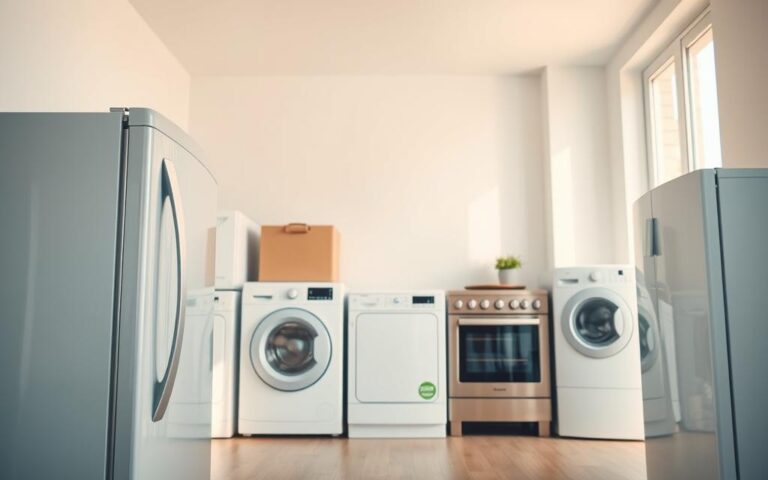
- Compact Energy Star Refrigerators: Perfect for small spaces and minimal energy consumption
- Programmable Space Heaters: Intelligent temperature control with minimal power draw
- Smart Power Banks: Optimize device charging and reduce standby power waste
The financial benefits are compelling. A strategic investment of $200-$400 in efficient portable appliances can generate utility savings within 12-18 months. These devices offer the added advantage of traveling with you to future rental properties.
When shopping for energy-efficient appliances, carefully review Energy Star ratings, wattage specifications, and standby power consumption. Prioritize gadgets that provide maximum performance with minimal electricity usage.
Leveraging Smart Lighting to Reduce Electricity Consumption
Renters seeking to minimize energy expenses can make significant strides through strategic LED lighting for renters. Lighting represents a substantial portion of residential electricity use, presenting an accessible opportunity for energy consumption tracking and reduction.
LED Bulbs: A Smart Lighting Revolution
Smart LED bulbs offer an incredible solution for tenants looking to cut energy costs without permanent home modifications. These innovative lighting solutions provide multiple advantages:
- 75-80% energy reduction compared to traditional incandescent bulbs
- Smartphone-controlled brightness and color settings
- Easy installation in existing light fixtures
- Portable technology that moves with you
Motion Sensors and Automated Lighting Schedules
Energy consumption tracking becomes effortless with intelligent motion sensors and automated lighting schedules. Renters can optimize their electricity usage by:
- Installing plug-in motion sensors in high-traffic areas
- Creating automated lighting schedules that align with daily routines
- Using warm white LEDs for comfortable living spaces
- Implementing “away mode” for enhanced home security
By embracing these smart lighting technologies, renters can dramatically reduce electricity consumption while enjoying modern, flexible lighting solutions.
Behavioral Changes and Energy Management Apps
Technology alone cannot solve energy challenges. Renters can dramatically reduce utility bills through smart behavioral changes and energy management apps that transform how we interact with electricity consumption.
Energy management apps provide powerful insights into personal energy usage. Apps like Sense and Emporia enable renters to track real-time electricity consumption, set savings goals, and receive alerts about unusual usage patterns.
- Monitor daily energy consumption
- Set personalized energy savings targets
- Receive notifications about high-energy activities
- Compare usage across different time periods
Practical behavioral strategies can yield significant utility bill reduction for renters:
- Adjust thermostat by 2-3 degrees
- Unplug chargers when not in use
- Use cold water for laundry
- Air-dry dishes instead of using heated cycles
Gamification features in energy management apps make conservation engaging. By sharing progress with roommates, renters create accountability and transform energy savings into a collaborative challenge.
| Behavioral Change | Potential Annual Savings |
|---|---|
| Thermostat adjustment | 5-10% heating/cooling costs |
| Cold water laundry | $60-100 |
| Unplugging devices | Up to $100-200 |
Digital tools transform energy savings from abstract concept to tangible goal. Energy management apps empower renters to take control of their utility expenses, proving that small changes create meaningful impact.
Negotiating Energy Improvements with Landlords
Renters often face challenges in creating energy-efficient living spaces. Landlord energy negotiations can transform your rental experience, empowering you to reduce utility costs and create a more sustainable home environment.
Successful green living for renters requires strategic communication and a clear understanding of mutual benefits. Approaching your landlord with well-researched proposals can open doors to meaningful energy improvements.
Presenting a Compelling Cost-Benefit Analysis
Effective landlord energy negotiations start with a strong financial argument. Prepare a detailed proposal that highlights potential savings and property value enhancements:
- Calculate potential energy cost reductions
- Demonstrate increased property attractiveness
- Showcase long-term investment benefits
| Improvement | Estimated Cost | Annual Savings | ROI Timeline |
|---|---|---|---|
| Programmable Thermostat | $250 | $180 | 1.4 years |
| Window Weatherstripping | $150 | $120 | 1.25 years |
| LED Lighting Upgrade | $100 | $75 | 1.33 years |
Exploring Green Lease Agreements
Green lease agreements represent an innovative approach to sharing energy efficiency responsibilities. These contracts explicitly outline energy-saving commitments from both tenants and property owners, creating a collaborative path to sustainability.
Key negotiation strategies include:
- Research local utility rebate programs
- Propose cost-sharing arrangements
- Offer to extend lease term in exchange for improvements
- Provide professional, data-driven proposals
The most successful negotiations focus on creating win-win scenarios that benefit both tenants and landlords.
Renewable Energy Options for Renters
Renters often face challenges when exploring renewable energy options. Traditional solar installations aren’t always possible, but innovative solutions are emerging for those living in temporary housing. Renewable energy for renters is no longer a distant dream but an achievable reality.
Several exciting opportunities exist for environmentally conscious tenants to reduce their carbon footprint:
- Community Solar Programs
- Portable Solar Solutions
- Green Power Utility Options
Community solar programs allow renters to purchase or subscribe to shared solar arrays without installing panels on their property. These programs typically offer:
- No upfront investment required
- Flexible month-to-month participation
- Potential electricity cost reductions of 5-15%
Energy monitoring devices play a crucial role in tracking renewable energy consumption. Portable solutions like solar chargers and small generators provide practical alternatives for apartment dwellers seeking sustainable energy options.
| Renewable Option | Cost | Flexibility |
|---|---|---|
| Community Solar Subscription | $0-$50/month | High |
| Portable Solar Chargers | $50-$200 | Very High |
| Green Power Programs | $5-$15 premium | Medium |
Renters can also explore renewable energy certificates (RECs) through utility providers. These certificates ensure that your electricity consumption matches renewable energy generation, typically for a small monthly premium.
The future looks bright for renewable energy accessibility in rental markets, with emerging technologies promising even more flexible and affordable solutions.
Conclusion
Renters no longer need to feel powerless in their energy consumption journey. Smart home for renters strategies offer practical, portable methods to reduce electricity bills and environmental impact. By implementing renter-friendly energy solutions, individuals can transform their living spaces into efficient, cost-effective environments without permanent modifications.
The path to energy efficiency begins with small, strategic investments. Smart plugs, LED bulbs, and programmable thermostats represent accessible entry points for tenants seeking to minimize their carbon footprint. These portable technologies enable renters to track and reduce energy consumption across different living spaces, providing long-term financial and environmental benefits.
Digital tools like energy monitoring apps and smartphone-based audits empower renters to understand their consumption patterns. Such insights enable targeted interventions that can potentially save $15-40 monthly. Each kilowatt-hour saved represents a meaningful contribution to reducing residential greenhouse gas emissions, which account for approximately 20% of total U.S. environmental impact.
Ultimately, renters represent a significant market segment with the potential to drive sustainable housing innovations. By adopting smart energy solutions and communicating their preferences, tenants can influence property owners and contribute to broader environmental stewardship. The future of energy efficiency starts with individual actions, and every small step matters in creating a more sustainable living landscape.
FAQ
Can I really save energy as a renter without making permanent changes to my apartment?
Absolutely! Renters can significantly reduce energy consumption using portable smart devices, plug-and-play technologies, and behavioral changes that require no permanent modifications to the property. Solutions like smart plugs, LED bulbs, and energy monitoring apps can help you lower utility bills without violating lease agreements.
How much money can I potentially save by implementing smart energy solutions?
Renters can typically reduce energy bills by 10-30% through strategic use of smart technologies and energy-efficient practices. Investments in devices like smart power strips, LED lighting, and intelligent thermostats can generate monthly savings of $15-40, with most solutions paying for themselves within 12-18 months.
Are smart energy devices expensive and difficult to set up?
Most smart energy devices are affordable and incredibly easy to install. Many plug directly into standard outlets, require no technical expertise, and can be controlled via smartphone apps. Devices like smart plugs, LED bulbs, and portable energy monitors typically cost between $10-$50 and can be set up in minutes.
What are energy vampires, and how can I stop them?
Energy vampires are devices that consume electricity even when turned off or in standby mode. Smart plugs and advanced power strips can automatically cut power to these devices, potentially saving 5-10% on your electricity bill. Common energy vampires include phone chargers, entertainment systems, coffee makers, and laptop chargers.
Can I use smart energy solutions if I move frequently?
Yes! One of the biggest advantages of portable smart energy solutions is their mobility. Devices like smart LED bulbs, plug-in thermostats, and energy monitoring tools can easily be removed and taken with you to your next rental, providing continuous value across different living spaces.
Do I need my landlord’s permission to use these devices?
Most smart energy solutions do not require landlord permission since they don’t involve permanent modifications. Plug-and-play devices, LED bulb replacements, and portable technologies can be used without altering the property’s infrastructure. However, it’s always courteous to inform your landlord about any significant changes.
Are there renewable energy options for renters?
Yes! Renters can explore community solar programs, renewable energy certificates, and portable solar solutions like solar chargers and small solar generators. These options allow you to support clean energy without installing permanent solar panels or owning property.
How do energy management apps work?
Energy management apps like Sense and Emporia provide real-time energy tracking, help you set consumption goals, and offer insights into your usage patterns. They can identify high-consumption devices, suggest energy-saving strategies, and even gamify energy conservation to make it more engaging.