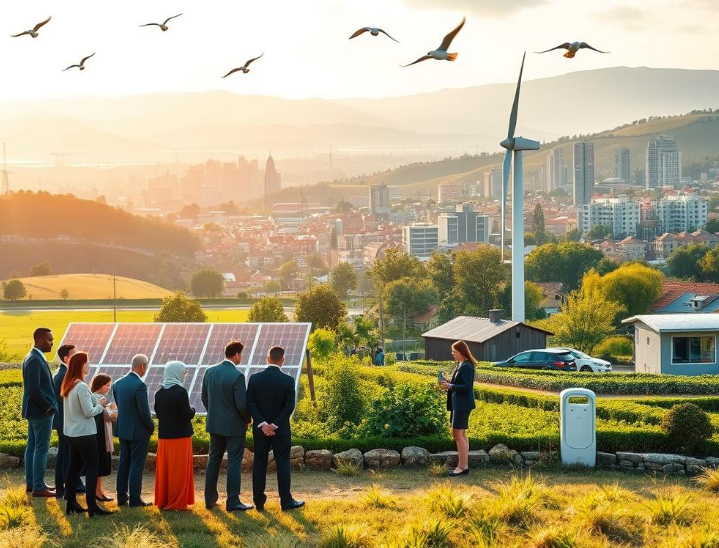

In a groundbreaking revelation, communities across the United States are discovering that local sustainable energy solutions can generate up to 3.4 times more jobs per dollar invested compared to traditional fossil fuel industries. This transformative potential is reshaping how cities and towns view green energy solutions as more than just environmental strategies—they are powerful economic revitalization tools.
Green energy solutions are rapidly emerging as critical drivers of local economic development. From rural towns to urban centers, communities are recognizing that renewable energy projects can create job opportunities, strengthen local supply chains, and retain economic capital within their regions.
The shift towards local sustainable energy solutions represents a fundamental reimagining of energy infrastructure. Instead of sending profits to distant corporations, communities are now positioning themselves as active participants in their energy ecosystem, generating revenue, creating jobs, and building resilient economic foundations through innovative clean energy approaches.
By embracing renewable technologies like solar, wind, and biomass, cities are transforming their economic landscapes. These green energy solutions provide a pathway to energy independence, reduced utility costs, and increased community prosperity—proving that sustainable energy is not just an environmental imperative but an economic opportunity.
The Economic Impact of Clean Energy on Community Development
Renewable energy services are transforming local economies by creating unprecedented opportunities for sustainable growth. Clean energy technologies are no longer just environmental solutions but powerful economic engines driving community prosperity.
Communities nationwide are experiencing significant economic benefits through strategic investments in renewable energy infrastructure. The integration of clean energy technologies generates multiple economic advantages that extend far beyond traditional energy sectors.
Job Creation Through Renewable Energy Projects
Renewable energy services are generating substantial employment opportunities across diverse skill levels. The clean energy sector creates jobs in multiple domains:
- Manufacturing of solar panels and wind turbine components
- Installation and maintenance of renewable energy systems
- Engineering and project management roles
- Technical support and research positions
Strengthening Local Supply Chains
Local economies benefit significantly when renewable energy projects prioritize regional suppliers and workforce development. Strategic procurement can keep economic value circulating within communities.
| Economic Sector | Job Creation Potential | Local Economic Impact |
|---|---|---|
| Solar Manufacturing | 7.5 jobs per $1M invested | High local revenue retention |
| Wind Energy Installation | 4.3 jobs per $1M invested | Significant technical job creation |
| Energy Efficiency Services | 6.2 jobs per $1M invested | Diverse skill range employment |
By developing robust local renewable energy ecosystems, communities can create sustainable economic platforms that generate long-term prosperity and resilience.
How Local Sustainable Energy Solutions Transform Regional Prosperity
Local sustainable energy solutions are revolutionizing regional economic landscapes across the United States. These innovative approaches go beyond traditional energy production, creating powerful economic transformation for communities of all sizes.
Communities implementing local sustainable energy solutions experience remarkable economic benefits. The strategic investment in renewable energy generates multiple streams of economic opportunity:
- Increased local job creation in renewable energy sectors
- Reduced energy expenditure for residents and businesses
- Enhanced economic resilience through energy independence
- Attraction of new businesses seeking sustainable infrastructure
Rural and urban areas alike are discovering that local sustainable energy solutions can revitalize economic prospects. By keeping energy investments within community boundaries, regions can develop robust economic ecosystems that generate ongoing financial returns.
Small towns and agricultural communities particularly benefit from renewable energy projects. Land lease agreements for solar and wind installations provide steady income streams, transforming traditional economic models and creating new revenue opportunities for landowners.
“Local sustainable energy solutions represent more than an environmental strategy—they’re a comprehensive economic development approach.”
The economic multiplier effect of local energy investments means that every dollar spent on renewable infrastructure circulates multiple times within the community, supporting local businesses, increasing tax revenues, and funding critical community services.
Community Solar Programs: Democratizing Access to Green Power
Solar power solutions are transforming how communities approach energy consumption. Community solar programs have emerged as a groundbreaking approach to making eco-friendly power options accessible to everyone, regardless of individual property limitations.
These innovative programs break down traditional barriers to renewable energy adoption. They enable multiple participants to benefit from a single solar installation, creating opportunities for residents who cannot install personal solar systems.
Shared Solar Models for Residential Areas
Community solar offers unique advantages for diverse populations:
- Enables renters to access solar energy
- Provides options for homes with unsuitable rooftops
- Reduces upfront installation costs
- Offers financial benefits through energy credits
Participants can typically subscribe to a portion of a community solar project, receiving credits on their electricity bills based on their share of energy production. This approach democratizes renewable energy access, particularly benefiting low- and moderate-income households.
Commercial and Municipal Solar Partnerships
Local businesses and municipalities are increasingly embracing solar power solutions through strategic partnerships. These collaborations create economic opportunities by:
- Generating revenue through power purchase agreements
- Reducing operational energy costs
- Supporting local renewable energy infrastructure
- Keeping investment within the community
Community solar represents a powerful strategy for expanding eco-friendly power options while simultaneously supporting local economic development.
Wind Energy Initiatives That Keep Revenue Local
Wind energy has emerged as a powerful economic driver for rural communities across the United States. Renewable energy services are transforming how local areas benefit from wind power, creating innovative approaches that keep financial gains within the community.
Community-driven wind energy projects offer unique advantages for local economies. These initiatives go beyond traditional utility-scale developments by implementing strategies that maximize local economic benefits.
- Land lease payments to local property owners
- Direct tax revenue for community infrastructure
- Job creation in site assessment and maintenance
- Local ownership opportunities
States like Iowa and Minnesota have become national leaders in community wind projects. Farmers and ranchers now generate stable income while maintaining agricultural productivity. These renewable energy services create a sustainable economic model that empowers local residents.
Key strategies for successful community wind initiatives include:
- Negotiating favorable developer agreements
- Establishing community ownership stakes
- Creating transparent benefit-sharing mechanisms
- Developing local workforce training programs
By prioritizing local economic interests, wind energy transforms from an external corporate venture into a genuine community asset. Renewable energy services that focus on local engagement ensure that wind power becomes a true economic catalyst for rural regions.
Energy Efficiency Services as Economic Multipliers
Energy efficiency services have emerged as a powerful economic catalyst for local communities. These strategic interventions transform how businesses and residents manage energy consumption, creating substantial economic benefits beyond simple cost savings.
“Every dollar invested in energy efficiency generates multiple returns for local economies.” – Clean Energy Expert
The economic potential of energy efficiency services extends far beyond traditional cost-cutting measures. By implementing targeted strategies, communities can unlock significant financial opportunities while reducing environmental impact.
Retrofitting Programs for Local Buildings
Local retrofitting programs represent a critical component of energy efficiency services. These initiatives focus on upgrading existing structures to improve energy performance through:
- Enhanced building insulation
- Advanced window replacements
- High-efficiency HVAC systems
- Smart lighting technologies
Comprehensive retrofitting creates sustainable jobs for local contractors, energy auditors, and construction professionals. Financing mechanisms like Property Assessed Clean Energy (PACE) programs make these upgrades accessible to property owners.
Small Business Energy Audits and Upgrades
Small businesses benefit significantly from specialized energy efficiency services. Professional energy audits help local enterprises identify potential savings and optimize operational expenses.
- Targeted technical assistance
- Customized upgrade recommendations
- Financing options for implementation
- Long-term cost reduction strategies
By investing in energy efficiency services, small businesses can reduce operating costs, improve competitiveness, and reinvest saved funds into growth and local economic development.
Biomass and Waste-to-Energy Solutions for Rural Communities

Rural communities are discovering powerful environmentally friendly energy solutions through innovative biomass and waste-to-energy technologies. These systems transform agricultural and organic waste into valuable renewable energy, creating new economic opportunities for local farmers and businesses.
Biomass energy solutions offer multiple benefits for rural economies:
- Generate electricity from agricultural residues
- Convert food waste into renewable power
- Create local jobs in energy production
- Reduce waste disposal costs
Anaerobic digestion systems have emerged as a particularly effective approach to producing environmentally friendly energy solutions. These systems break down organic materials like crop waste, animal manure, and food scraps to generate biogas and create valuable soil nutrients.
| Biomass Feedstock | Energy Potential | Economic Impact |
|---|---|---|
| Agricultural Residues | High electricity generation | Additional farm revenue |
| Forest Waste | Efficient heat production | Woodland management income |
| Food Processing Waste | Biogas production | Waste reduction savings |
By implementing these innovative technologies, rural communities can simultaneously address waste management challenges, generate clean energy, and create new economic streams that support local agricultural ecosystems.
Microgrids and Energy Independence for Underserved Areas
Clean energy technologies are revolutionizing power distribution in underserved communities through innovative microgrid solutions. These localized energy systems offer unprecedented opportunities for energy independence, providing reliable and affordable electricity to areas traditionally overlooked by traditional power infrastructure.
Microgrids represent a breakthrough in clean energy technologies, creating self-sufficient power networks that can operate independently from the main electrical grid. They integrate renewable energy sources, storage systems, and smart control mechanisms to deliver consistent and resilient power supply.
Resilience Benefits for Local Infrastructure
Microgrid implementations provide critical infrastructure protection during emergencies. Communities gain significant advantages through these robust power systems:
- Continuous power for hospitals and emergency services
- Uninterrupted water system operations
- Enhanced communication network reliability
- Rapid recovery from natural disasters
Reducing Energy Costs for Low-Income Neighborhoods
Clean energy technologies embedded in microgrid systems offer substantial economic benefits for low-income communities. By generating electricity locally and minimizing transmission losses, these systems significantly reduce overall energy expenses.
| Community Type | Potential Cost Savings | Energy Independence Level |
|---|---|---|
| Urban Neighborhoods | 15-25% | High |
| Rural Communities | 20-30% | Medium-High |
| Tribal Regions | 25-35% | High |
The transformative potential of microgrids extends beyond immediate cost savings. These clean energy technologies create local job opportunities in installation, maintenance, and system management, further strengthening community economic resilience.
The Role of Sustainable Energy Consulting in Local Implementation
Sustainable energy consulting plays a critical role in transforming local communities’ renewable energy landscapes. These specialized professionals bridge technical expertise with community development goals, helping municipalities navigate complex energy transitions.
Key services provided by sustainable energy consulting include:
- Comprehensive feasibility studies
- Technology assessment and selection
- Financial modeling and optimization
- Policy and regulatory guidance
- Stakeholder engagement strategies
Consultants bring invaluable insights that ensure renewable energy projects maximize local economic benefits. Their deep understanding of both technical requirements and community dynamics helps prevent costly mistakes. By conducting thorough analyses, they identify optimal opportunities that align with regional infrastructure and economic objectives.
The most effective sustainable energy consulting approaches prioritize:
- Local workforce development
- Equitable project structures
- Community ownership models
- Long-term economic resilience
Communities investing in quality sustainable energy consulting often see significant returns. These professionals help secure appropriate financing, negotiate favorable terms with utilities, and design projects that generate lasting economic value.
Sustainable energy consulting transforms renewable energy from a technical challenge into a community opportunity.
As renewable energy landscapes evolve, sustainable energy consulting continues to be a critical catalyst for local economic transformation and clean energy adoption.
Financing Mechanisms That Support Community-Owned Clean Energy
Innovative financing strategies are transforming how communities approach green energy solutions. Local investments now play a crucial role in driving sustainable energy development, empowering residents to directly participate in renewable energy projects.
Communities are discovering powerful ways to fund and own renewable energy infrastructure. These financial approaches ensure that economic benefits remain local while advancing green energy solutions.
Green Bonds and Community Investment Funds
Green bonds have emerged as a dynamic financial tool for local renewable energy projects. These specialized investment vehicles allow communities to raise capital directly from residents interested in supporting sustainable infrastructure.
- Municipal green bonds finance public renewable energy projects
- Community investment funds pool local capital
- Direct public offerings enable resident investment
Public-Private Partnerships for Renewable Projects
Strategic collaborations between government entities and private developers are creating innovative pathways for green energy solutions. These partnerships leverage combined expertise and resources to accelerate renewable energy development.
| Partnership Type | Key Benefits | Community Impact |
|---|---|---|
| Municipal Utility Partnerships | Technical expertise | Local job creation |
| Community Choice Aggregation | Competitive pricing | Energy cost reduction |
| Collaborative Development Models | Shared risk | Increased renewable infrastructure |
By reimagining financing mechanisms, communities can transform their energy landscape, creating sustainable and economically beneficial green energy solutions.
Case Studies: Successful Eco-Friendly Power Options Across America
Across the United States, communities are transforming their energy landscapes through innovative eco-friendly power options. These remarkable success stories demonstrate the potential of sustainable energy to drive economic growth and environmental stewardship.
Several standout examples highlight the power of local sustainable energy initiatives:
- Pine Ridge Reservation (South Dakota): Tribal leaders developed a comprehensive microgrid system combining solar and wind technologies, creating 45 local jobs and reducing energy costs by 37%
- Greensburg, Kansas: A town rebuilt entirely with renewable energy after a devastating tornado, now generating 100% of its municipal power through wind energy
- Burlington, Vermont: First US city to achieve 100% renewable electricity through a mix of biomass, wind, solar, and hydroelectric sources
These case studies reveal critical strategies for successful eco-friendly power options:
- Strong community engagement
- Strategic use of federal and state incentives
- Creative financing mechanisms
- Local partnership development
“Local sustainable energy isn’t just an environmental solution—it’s an economic opportunity,” says Dr. Elena Rodriguez, renewable energy expert at Stanford University.
| Community | Renewable Technology | Economic Impact |
|---|---|---|
| Pine Ridge Reservation | Solar and Wind Microgrid | 45 Jobs Created, 37% Energy Cost Reduction |
| Greensburg, Kansas | Wind Energy | 100% Municipal Renewable Power |
| Burlington, Vermont | Mixed Renewable Sources | 100% City Electricity from Renewables |
These inspiring examples prove that eco-friendly power options can revitalize local economies, create jobs, and build sustainable community infrastructure.
Overcoming Barriers to Adopting Environmentally Friendly Energy Solutions
Communities across the United States face significant challenges when implementing environmentally friendly energy solutions. Navigating these obstacles requires strategic approaches and innovative thinking.
The primary barriers to adopting clean energy typically fall into several key categories:
- Financial constraints
- Regulatory hurdles
- Technical limitations
- Social and political resistance
Financial barriers often prevent communities from pursuing environmentally friendly energy solutions. Upfront capital requirements can seem overwhelming, deterring potential investors and local governments from initiating renewable energy projects.
| Barrier Type | Key Challenges | Potential Solutions |
|---|---|---|
| Financial | High initial costs | Green financing, community grants |
| Regulatory | Complex permitting | Streamlined approval processes |
| Technical | Grid integration | Advanced infrastructure investments |
Regulatory challenges can create significant roadblocks. Utility companies and local governments may resist changes to existing energy infrastructure. Successful communities develop collaborative strategies that address these concerns while demonstrating clear economic benefits.
Technical expertise remains another critical barrier. Many regions lack professionals with deep knowledge of renewable energy implementation. Training programs and partnerships with academic institutions can help bridge this knowledge gap.
Community engagement emerges as a crucial strategy for overcoming social and political resistance. Transparent communication about the economic and environmental benefits of environmentally friendly energy solutions can transform initial skepticism into support.
Conclusion
Local sustainable energy solutions represent a transformative pathway for communities seeking economic revitalization and environmental resilience. By strategically investing in renewable energy infrastructure, regions across the United States can unlock significant economic potential, creating jobs, stabilizing energy costs, and building long-term community wealth.
The power of local sustainable energy solutions extends far beyond environmental benefits. These initiatives generate meaningful economic opportunities by developing local workforce skills, attracting innovative businesses, and creating new revenue streams. Communities that embrace renewable energy can effectively control their energy future while stimulating economic growth from the ground up.
Successful implementation requires collaborative approaches that prioritize community engagement, strategic planning, and inclusive financing mechanisms. By leveraging local resources, building strong partnerships, and maintaining a commitment to shared prosperity, communities can design sustainable energy projects that deliver tangible economic and social benefits.
As the renewable energy landscape continues to evolve, local leaders, businesses, and residents have a critical opportunity to shape their economic destiny. Embracing local sustainable energy solutions is not just an environmental strategy but a powerful economic development tool that can create more resilient, prosperous, and self-determined communities across the United States.
FAQ
What are local sustainable energy solutions?
Local sustainable energy solutions are community-based renewable energy projects that generate power using clean technologies like solar, wind, and biomass. These initiatives focus on producing energy locally, reducing carbon emissions, and creating economic opportunities within the community by keeping energy investments and benefits within the region.
How do community solar programs work?
Community solar programs allow multiple participants to share the benefits of a single solar installation. Residents can purchase or subscribe to a portion of a community solar project, receiving credits on their electricity bills proportional to their share of the solar production. This model enables people who cannot install rooftop solar to access clean energy and reduce their electricity costs.
Can renewable energy really create local jobs?
Absolutely. Renewable energy projects create jobs across multiple sectors, including manufacturing, installation, maintenance, and project management. These jobs are typically local and cannot be outsourced, providing stable employment opportunities in areas like solar panel installation, wind turbine maintenance, energy efficiency consulting, and green technology support services.
What are microgrids, and how do they benefit communities?
Microgrids are localized energy systems that can operate independently from the main electrical grid. They provide energy resilience by ensuring continuous power during outages, integrate renewable energy sources, and can significantly reduce energy costs for communities. Microgrids are particularly beneficial for critical infrastructure, underserved neighborhoods, and areas prone to power disruptions.
How can small businesses benefit from sustainable energy solutions?
Small businesses can benefit through energy efficiency services, such as energy audits, targeted upgrades, and access to renewable energy programs. These solutions help reduce operating costs, improve competitiveness, and potentially qualify for tax incentives and rebates. By lowering energy expenses, businesses can free up capital for growth and reinvestment in their local community.
What financing options exist for community renewable energy projects?
Several financing mechanisms support community-owned clean energy, including green bonds, community investment funds, public-private partnerships, and crowdfunding platforms. These options allow local residents and stakeholders to invest directly in renewable energy projects, ensuring that economic benefits remain within the community while supporting sustainable development.
Are sustainable energy solutions only viable in certain regions?
No, sustainable energy solutions can be implemented in diverse geographic regions. Different technologies like solar, wind, biomass, and geothermal can be adapted to local resources and conditions. Successful implementations have been documented across various landscapes, from rural agricultural communities to urban neighborhoods, demonstrating the flexibility of renewable energy approaches.
How do energy efficiency services contribute to local economic development?
Energy efficiency services create local jobs in retrofitting, auditing, and upgrading buildings. These services reduce energy costs for residents and businesses, generate local employment, and keep money circulating within the community. By improving building performance and reducing energy consumption, these services contribute to both economic savings and environmental sustainability.