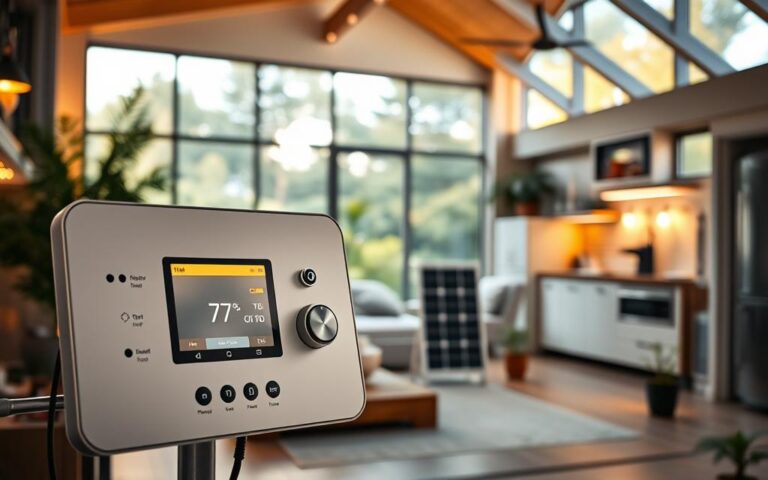

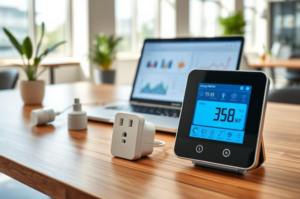
Did you know that American households waste up to 30% of their energy through inefficient usage? Smart energy monitoring devices are revolutionizing how we understand and control our electricity consumption, offering a powerful solution to reduce both utility bills and environmental impact.
Energy monitoring tools represent a cutting-edge technology that empowers homeowners to gain unprecedented insights into their electricity usage. These smart devices connect directly to electrical panels or individual outlets, tracking power consumption in real-time and providing detailed data through smartphone apps and web platforms.
With smart energy monitoring systems, consumers can now see exactly how much electricity each appliance uses, identify energy-wasting devices, and make informed decisions about their household energy consumption. The technology transforms complex energy data into user-friendly visualizations that help families save money and reduce their carbon footprint.
Modern smart energy monitoring devices go beyond simple tracking. They offer predictive analytics, custom alerts, and integration with smart home ecosystems, giving homeowners unprecedented control over their energy efficiency. Whether you’re looking to cut costs or support environmental sustainability, these innovative tools provide a practical path to smarter energy management.
Understanding the Rising Need for Energy Management in Modern Homes
American households are experiencing unprecedented challenges with energy consumption and costs. The landscape of electricity usage tracking has dramatically transformed, pushing homeowners to seek innovative solutions for energy cost reduction.
Today’s residential energy ecosystem demands strategic management. Families are increasingly aware that understanding their electricity consumption patterns can lead to significant financial and environmental benefits.
The Impact of Energy Consumption on Monthly Expenses
The average American household spends between $1,500 and $2,000 annually on electricity. These expenses vary based on several critical factors:
- Geographic location
- Seasonal temperature fluctuations
- Household size and energy habits
Energy prices have consistently trended upward over the past decade, driven by infrastructure investments and increasing demand. Many homeowners lack visibility into which appliances and behaviors drive their electricity costs.
Environmental Benefits of Reducing Energy Waste
Residential energy consumption contributes approximately 20% of U.S. greenhouse gas emissions. By implementing effective electricity usage tracking, households can:
- Reduce personal carbon footprint
- Decrease strain on electrical grids
- Support broader sustainability initiatives
“Smart energy monitoring transforms individual actions into collective environmental progress.”
| Energy Management Strategy | Potential Annual Savings | Environmental Impact |
|---|---|---|
| Real-time Monitoring | $200-$500 | Reduced CO2 Emissions |
| Smart Appliance Integration | $300-$700 | Lower Grid Demand |
| Behavioral Changes | $100-$300 | Sustainable Practices |
By embracing modern energy management tools, households can simultaneously achieve financial savings and contribute to environmental sustainability.
What Smart Energy Monitoring Systems Can Do for You
Smart energy monitoring systems transform how households understand and manage power consumption. These innovative tools provide unprecedented visibility into your home’s electrical ecosystem, breaking down energy usage with remarkable precision.
A power consumption monitor offers comprehensive insights that go beyond simple electricity tracking. These systems can help you:
- Create detailed consumption profiles for entire homes and individual appliances
- Identify unexpected energy drains and potential equipment inefficiencies
- Forecast monthly electricity expenses with remarkable accuracy
- Set personalized energy consumption goals
Modern home energy management technologies enable real-time tracking of electricity usage across different times of day and circuits. By analyzing patterns, these systems can pinpoint energy-hungry devices and recommend optimization strategies.
Advanced monitoring tools integrate seamlessly with smart home ecosystems, allowing users to:
- Receive instant alerts about unusual power consumption
- Automate energy-saving routines
- Optimize electricity usage during off-peak hours
- Track progress toward sustainability goals
The future of energy management lies in these intelligent, data-driven solutions that empower homeowners to make informed decisions about their power consumption.
Key Features to Look for in Energy Tracking Devices
Selecting the right energy tracking apps requires understanding critical features that transform smart home energy management. Modern energy usage analytics tools offer sophisticated capabilities to help homeowners optimize their electricity consumption and reduce costs.
When evaluating energy monitoring systems, consumers should focus on three essential aspects that define top-tier performance:
Real-Time Data Visualization and Reporting
Effective energy tracking apps provide intuitive, real-time dashboards that transform complex energy data into easily digestible visual formats. Users gain instant insights through:
- Color-coded consumption graphs
- Interactive mobile and web interfaces
- Hourly and daily usage breakdowns
- Historical data comparison tools
Integration with Smart Home Ecosystems
Advanced smart home energy solutions seamlessly connect with popular platforms, enabling comprehensive device management. Key integration capabilities include:
- Voice command compatibility
- Amazon Alexa interactions
- Google Home synchronization
- Apple HomeKit support
Appliance-Level Monitoring Capabilities
Granular energy usage analytics distinguish exceptional monitoring systems by providing detailed insights into individual appliance consumption. Machine learning algorithms help users identify:
- Energy-intensive devices
- Potential efficiency improvements
- Electrical signature tracking
- Targeted replacement recommendations
| Feature | Basic Systems | Advanced Systems |
|---|---|---|
| Data Visualization | Monthly Summary | Real-Time Detailed Graphs |
| Smart Home Integration | Limited Connections | Multiple Platform Support |
| Appliance Monitoring | Whole-Home Only | Individual Device Tracking |
Investing in a comprehensive energy tracking system empowers homeowners to make informed decisions about their electricity consumption.
Top Smart Energy Monitoring Tools Available Today
Selecting the right electricity monitoring system can transform how you manage home energy consumption. Modern energy efficiency tools offer a range of solutions for homeowners looking to track and reduce their power usage.
Several standout wireless energy monitor options exist in the current market:
- Sense Energy Monitor: A whole-home solution using advanced machine learning to identify individual appliance energy consumption
- Emporia Vue: An affordable electricity monitoring system with expandable circuit-level tracking
- TP-Link Kasa Smart Plug: A budget-friendly option for monitoring specific device energy use
- Neurio Home Energy Monitor: Specialized for homes with solar panel integration
Price ranges for these energy efficiency tools vary widely, from budget-friendly plug monitors at $25 to comprehensive whole-home systems costing $300 or more. Consumers should consider installation complexity, with some devices requiring professional electrical work while others offer simple DIY setup.
Many utility companies now provide free or discounted wireless energy monitor devices to customers. Checking with local utility providers can help offset initial investment costs and support energy-saving initiatives.
Pro tip: Choose an energy monitoring tool that matches your technical expertise and specific household needs.
When selecting an electricity monitoring system, prioritize features like real-time data visualization, smartphone app compatibility, and detailed energy consumption insights to maximize your potential savings.
How Smart Energy Monitoring Reduces Your Electricity Bills
Smart energy monitoring tools have revolutionized the way households track and reduce electricity consumption. By providing detailed insights into energy usage, these innovative devices empower homeowners to make informed decisions that directly impact their monthly utility bills.
Implementing a household energy tracker allows you to identify hidden energy drains and optimize your electricity usage strategically. The technology goes beyond simple meter reading, offering granular data that can transform your approach to energy management.
Identifying Energy Vampires in Your Home
Energy vampires are devices that silently consume electricity even when seemingly turned off. These sneaky power consumers can significantly impact your electricity bills. Common culprits include:
- Gaming consoles
- Cable boxes
- Phone chargers
- Smart home devices
- Desktop computers
A comprehensive energy consumption data analysis can reveal the exact cost of these phantom loads. Some devices can waste up to 10% of your total electricity consumption, translating to substantial unnecessary expenses over time.
Optimizing Usage Patterns Based on Data Insights
Smart monitoring tools provide powerful insights that help reduce electricity bills by highlighting inefficient usage patterns. By understanding your household’s energy consumption rhythm, you can:
- Shift high-energy activities to off-peak hours
- Identify most energy-intensive appliances
- Create targeted energy-saving strategies
For instance, running dishwashers or charging electric vehicles during lower-rate periods can save 20-30% on those specific energy costs. The key is transforming raw data into actionable strategies that directly impact your utility expenses.
Installation and Setup Process for Energy Monitors
Setting up IoT energy monitoring systems can seem complex, but most modern devices are designed for straightforward installation. Homeowners have two primary options: plug-and-play devices or whole-home monitoring systems.
Plug-and-play energy monitors offer the simplest setup. These devices typically require:
- Plugging into a standard electrical outlet
- Downloading a companion smartphone app
- Creating a user account
- Connecting to home WiFi network
Whole-home smart meter integration involves a more detailed process. While DIY installation is possible, many homeowners prefer professional assistance to ensure safety and proper configuration.
Professional installation typically includes:
- Turning off main electrical panel power
- Mounting monitoring device near electrical panel
- Attaching current sensor clamps to main service wires
- Connecting device to home network
- Restoring electrical power
The initial setup requires careful consideration of several technical factors. WiFi signal strength in utility areas might necessitate a range extender. Electrical panel compatibility is crucial, as some monitors work only with specific panel types.
After physical installation, users must configure software settings. This includes creating accounts, setting notification preferences, and linking to smart home platforms. Most systems require a 1-2 week calibration period for accurate energy tracking.
Maximizing Savings Through Behavioral Changes and Automation
Home automation energy solutions are transforming how households manage electricity consumption. By leveraging real-time energy monitoring and smart energy saving devices, homeowners can significantly reduce their monthly utility expenses.
The key to sustainable energy savings lies in understanding and adapting your consumption patterns. Smart technology now enables precise tracking and intelligent management of household energy use.
Setting Up Custom Alerts and Notifications
Modern energy monitoring systems offer sophisticated notification features that help you stay informed about your electricity consumption:
- Threshold alerts for unexpected energy spikes
- Appliance-specific notifications for potential maintenance issues
- Budget tracking warnings to prevent overspending
These real-time energy monitoring alerts can be customized to match your specific household needs, providing actionable insights without overwhelming you with information.
Creating Energy-Efficient Schedules
Automation takes energy management to the next level by implementing intelligent schedules that optimize your home’s energy consumption:
- Automatically adjust thermostat settings based on occupancy
- Schedule high-consumption appliances during off-peak hours
- Integrate weather forecasts for precise climate control
By combining home automation energy strategies with smart scheduling, you can effortlessly reduce electricity waste while maintaining home comfort.
The most effective energy saving approach combines technological intelligence with mindful consumption habits.
Common Challenges and Solutions When Using Energy Monitoring Tools
Navigating the world of appliance energy monitoring can present some initial hurdles for homeowners. While energy efficiency tools offer incredible insights, users often encounter specific challenges that can impact their experience.
Connectivity remains a primary concern for many users of smart energy monitoring systems. Unstable WiFi networks can disrupt data collection and create gaps in energy consumption tracking. To address this issue, consider:
- Upgrading to a more reliable router
- Installing WiFi range extenders
- Using mesh network systems for consistent coverage
Accuracy is another critical aspect of energy efficiency tools. While whole-home monitors typically achieve high precision, appliance-level tracking can be less reliable. Electrical signatures of different devices can sometimes overlap, making exact identification challenging.
Users might experience a learning curve when interpreting complex energy data. The solution involves starting with simple metrics and gradually exploring more advanced analytics. Many modern monitoring systems offer user-friendly dashboards that help break down complex information into digestible insights.
Privacy concerns can also deter potential users. When selecting an appliance energy monitoring system, carefully review:
- Data storage practices
- Information collection policies
- Security measures implemented by the manufacturer
Maintaining long-term engagement with energy monitoring tools requires strategic approaches. Consider setting periodic review reminders, creating family energy-saving challenges, or integrating monitoring data with financial tracking apps to keep motivation high.
The key is understanding that temporary challenges should not discourage adoption of these powerful energy efficiency tools.
Conclusion
Smart energy monitoring represents a transformative approach to understanding and managing electricity usage tracking in modern homes. By leveraging advanced technology, homeowners can gain unprecedented insights into their energy consumption patterns, enabling precise control and significant cost reductions.
The journey toward energy efficiency starts with visibility. Smart energy monitoring tools empower users to identify hidden energy drains, optimize appliance usage, and make data-driven decisions about household electricity consumption. Whether you’re motivated by financial savings or environmental sustainability, these technologies offer a practical solution for reducing your carbon footprint and monthly utility expenses.
Implementing smart energy monitoring doesn’t require an all-or-nothing approach. Start small by focusing on specific areas of concern, such as high-consumption appliances or rooms with inconsistent energy use. Many utility providers offer rebates or free monitoring devices, making the initial investment minimal while providing substantial long-term benefits.
As home automation continues to evolve, smart energy monitoring stands at the forefront of a technological revolution. By embracing these tools, homeowners can take proactive steps toward more efficient, sustainable living. The key is to remain curious, adaptable, and committed to continuous improvement in your energy management strategy.
FAQ
What is a smart energy monitoring tool?
A smart energy monitoring tool is a device or system that tracks and analyzes electricity consumption in real-time, providing detailed insights into household energy usage through connected sensors, mobile apps, and web platforms.
How much can I save by using an energy monitoring system?
Homeowners typically save between 10-15% on their electricity bills by using smart energy monitoring tools, which help identify energy waste, optimize consumption patterns, and make data-driven decisions about household energy use.
Do I need an electrician to install an energy monitor?
Installation depends on the type of monitor. Plug-level monitors can be installed easily by homeowners, while whole-home systems might require a licensed electrician, typically costing $100-$200 for professional installation.
What are energy vampires?
Energy vampires are devices that consume electricity even when turned off or in standby mode, such as cable boxes, game consoles, phone chargers, and coffee makers. They can account for 5-10% of residential electricity consumption.
Can energy monitoring tools work with smart home ecosystems?
Yes, many advanced energy monitoring systems integrate seamlessly with platforms like Amazon Alexa, Google Home, Apple HomeKit, and Samsung SmartThings, enabling voice commands and automated energy-saving actions.
Are these monitoring tools difficult to use?
Most modern energy monitoring tools are designed with user-friendly interfaces, offering intuitive mobile apps and web dashboards that present data through easy-to-understand graphs, charts, and color-coded alerts.
How do energy monitors help the environment?
By reducing household energy waste, these tools help decrease residential carbon emissions, which account for approximately 20% of total U.S. greenhouse gas emissions, contributing to broader sustainability initiatives.
Can these tools detect appliance-specific energy consumption?
Advanced whole-home monitors use machine learning algorithms to disaggregate electrical signatures, identifying energy consumption for individual appliances with 95%+ accuracy, helping users understand which devices consume the most power.
What should I look for when choosing an energy monitoring system?
Key features to consider include real-time data visualization, smart home integration, appliance-level monitoring, user-friendly interfaces, compatibility with your electrical panel, and potential utility company rebate programs.
How often should I review my energy monitoring data?
Experts recommend reviewing your energy consumption data weekly or monthly to identify trends, track progress toward energy-saving goals, and make informed adjustments to your household energy usage.