
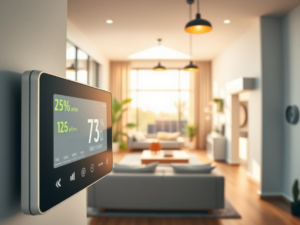
Did you know that the average American household wastes up to 30% of its energy through inefficient systems and outdated appliances? Smart energy automation is revolutionizing how homeowners manage and consume electricity, offering a powerful solution to reduce waste and cut utility costs.
In the rapidly evolving landscape of home energy management, automated energy systems are no longer a luxury but a practical necessity. Smart energy automation empowers homeowners to transform their living spaces into intelligent, efficient environments that adapt to their unique lifestyle and energy consumption patterns.
Modern home energy efficiency goes beyond traditional conservation methods. By leveraging cutting-edge technologies and interconnected devices, families can now monitor, control, and optimize their energy use with unprecedented precision. These intelligent systems not only reduce electricity bills but also contribute to a more sustainable future.
This guide will explore practical strategies for implementing smart energy automation, revealing how simple technological interventions can dramatically improve your home’s energy performance. From smart thermostats to advanced monitoring tools, we’ll uncover the most effective ways to create a more efficient, responsive home environment.
Understanding the Benefits of Home Energy Automation
Home energy automation has emerged as a powerful solution for homeowners seeking to optimize their energy consumption, reduce utility costs, and contribute to sustainable living. Smart technology offers a comprehensive approach to managing home energy use, delivering multiple benefits that extend beyond simple cost savings.
Modern households are increasingly recognizing the transformative potential of energy automation technologies. These intelligent systems provide a strategic approach to energy management, addressing critical concerns about energy efficiency and environmental responsibility.
Cost Savings Through Automated Energy Management
Energy cost reduction becomes tangible through smart home automation. Homeowners can expect significant utility bill reduction by implementing intelligent energy management systems. Key strategies include:
- Eliminating unnecessary energy consumption during unoccupied hours
- Optimizing heating and cooling cycles
- Preventing phantom power drain from idle electronics
Potential Monthly Savings by Automation Level
| Automation Level | Average Monthly Savings |
|---|---|
| Basic Smart Devices | $30-$50 |
| Comprehensive System | $100-$200 |
Environmental Impact and Sustainability
Home automation plays a crucial role in reducing carbon footprint. Smart energy savings directly translate to decreased carbon emissions and reduced reliance on fossil fuel-based power generation. An average automated home can prevent 2-4 tons of CO2 emissions annually, contributing to broader environmental conservation efforts.
Enhanced Comfort and Convenience
Beyond financial and environmental benefits, home automation delivers unprecedented lifestyle improvements. Intelligent systems adapt to personal preferences, offering features like:
- Automatic temperature adjustments
- Intelligent lighting controls
- Remote monitoring capabilities
By integrating smart technologies, homeowners can enjoy a seamless, efficient, and responsive living environment that prioritizes both comfort and energy efficiency.
Essential Smart Devices for Energy Optimization
Creating an energy-efficient home starts with understanding the core smart home devices that drive energy management. Smart home devices have revolutionized how homeowners control and monitor their energy consumption. These connected home products work together to create an intelligent ecosystem that reduces waste and maximizes efficiency.
The foundation of energy-saving technology includes several key IoT devices designed to optimize home energy use:
- Smart thermostats for precise temperature control
- Intelligent lighting systems
- Smart power strips and outlet controls
- Energy monitoring systems
- Connected appliances with energy management hardware
Wireless communication protocols like Wi-Fi, Zigbee, and Z-Wave enable these devices to communicate seamlessly. This interconnectivity allows for intelligent decision-making about energy consumption, creating a truly adaptive home environment.
| Device Category | Average Investment Range | Primary Energy Savings Function |
|---|---|---|
| Smart Thermostats | $100 – $250 | Optimize heating and cooling cycles |
| Smart Lighting | $50 – $150 | Reduce unnecessary electricity usage |
| Energy Monitoring Systems | $150 – $300 | Track and analyze energy consumption |
Homeowners don’t need to invest in a complete system immediately. Start with high-impact devices that address your most significant energy consumption areas. Gradually expand your smart home ecosystem as budget and needs allow.
Pro Tip: Choose devices that are compatible with each other or can be integrated through a universal smart home hub for maximum efficiency.
Smart Thermostats: The Foundation of Energy Efficiency
Smart thermostat technology has revolutionized home temperature control, offering homeowners unprecedented ways to manage energy consumption. These intelligent devices go far beyond traditional programmable thermostats, transforming how we interact with our home’s HVAC automation systems.
Modern smart thermostats like Nest and Ecobee represent the cutting edge of home climate management. They provide powerful tools for reducing energy waste while maintaining optimal comfort levels.
Programming Temperature Schedules for Maximum Savings
Effective temperature scheduling can dramatically reduce energy costs. Here are key strategies for maximizing savings:
- Set temperatures back 7-10 degrees during sleep and work hours
- Create customized schedules based on household routines
- Use adaptive temperature control to minimize energy consumption
Learning Algorithms and Adaptive Controls
Learning thermostats utilize sophisticated algorithms to understand household patterns. The Nest Learning Thermostat, for example, can automatically create personalized schedules by tracking your temperature preferences and occupancy habits.
Remote Access and Monitoring Capabilities
Smartphone apps now enable complete HVAC system control from anywhere. Users can:
- Adjust temperatures remotely
- Receive energy consumption alerts
- Monitor home climate in real-time
Smart thermostats can help homeowners save up to 15% on annual heating and cooling expenses.
Automated Lighting Systems to Reduce Electricity Waste
Smart lighting technology revolutionizes home energy management by dramatically reducing electricity consumption. LED automation offers homeowners an intelligent way to control illumination while minimizing waste. Modern smart bulbs like Philips Hue provide unprecedented flexibility in managing home lighting ecosystems.
Occupancy detection transforms how we approach home lighting. Motion sensors strategically placed throughout living spaces can automatically activate and deactivate lights, eliminating unnecessary energy consumption. Typical applications include:
- Hallway lighting triggered by movement
- Bathroom illumination with automatic shut-off
- Closet lights activated upon entry
Lighting schedules represent another powerful energy-saving strategy. Homeowners can program smart bulbs to follow precise routines, ensuring lights operate only when needed. This approach can reduce lighting-related electricity costs by up to 75%.
| Lighting Control Method | Energy Savings Potential |
|---|---|
| Motion Sensor Activation | 40-50% |
| Scheduled Lighting | 30-40% |
| Dimming Technology | 20-30% |
Advanced smart lighting systems now offer circadian lighting capabilities, adjusting color temperature throughout the day. These intelligent solutions not only save energy but also support natural human biological rhythms. Geofencing technology takes automation further by automatically shutting off all lights when residents leave home.
Implementing smart lighting represents a practical and effective approach to reducing household energy consumption. With minimal investment, homeowners can achieve significant savings while enjoying enhanced lighting control and convenience.
Implementing Smart Energy Automation in Your Home
Transforming your home into an energy-efficient smart ecosystem requires careful planning and strategic implementation. The journey to a more intelligent home energy management system involves understanding your current energy consumption, selecting the right devices, and creating a seamless integration with modern technology.

Embarking on a home automation setup demands a systematic approach to maximize both energy savings and convenience. Let’s explore the key steps to create an intelligent and responsive smart home environment.
Assessing Your Current Energy Consumption
A comprehensive energy audit is the foundation of any successful smart home ecosystem. Start by gathering critical information about your energy usage:
- Review 12 months of utility bills to identify consumption patterns
- Use plug-in energy monitors to track individual appliance electricity use
- Identify top energy-consuming devices in your home
- Consider professional energy audits offered by local utility companies
Choosing Compatible Devices and Platforms
Selecting the right smart home platform is crucial for seamless energy consumption tracking. Popular ecosystems include:
- Amazon Alexa
- Google Home
- Apple HomeKit
Evaluate compatibility by checking device integration capabilities and ensuring your chosen platform supports most of your existing or planned smart devices.
Integration with Voice Assistants and Mobile Apps
Modern smart home technology offers unprecedented control through voice assistants and mobile applications. Create custom energy-saving routines that automatically:
- Adjust thermostats based on occupancy
- Manage lighting schedules
- Monitor real-time energy consumption
- Send alerts for unusual energy usage
Pro tip: Choose a platform that provides comprehensive dashboard views and intuitive control interfaces to simplify your home energy management experience.
Smart Power Strips and Outlet Controls
Energy vampires lurk in every home, silently consuming phantom power even when devices appear to be turned off. These standby power consumption culprits can drain up to 10% of your household electricity, costing hundreds of dollars annually without providing any useful service.
Smart plugs and outlet automation technologies offer an intelligent solution to combat vampire power. These innovative devices allow homeowners to completely shut down electronics and appliances when not in use, eliminating unnecessary energy waste.
- Individual smart plugs control single devices
- Smart power strips manage multiple outlets simultaneously
- In-wall smart outlets provide permanent energy management
Practical applications of outlet automation include:
- Cutting power to entertainment center equipment after use
- Scheduling home office equipment shutdown
- Managing window air conditioning units during unoccupied hours
Many smart plugs now include advanced energy monitoring capabilities. These tools help users identify which devices consume the most phantom power, enabling more targeted energy-saving strategies. Typically, these devices pay for themselves within 6-18 months through eliminated standby power consumption.
Smart outlet controls are not just about saving money—they’re about creating a more efficient, environmentally conscious home ecosystem.
Optimizing HVAC Systems with Intelligent Sensors
Modern home comfort goes far beyond traditional thermostat controls. Smart HVAC technology has revolutionized how homeowners manage their indoor climate, offering unprecedented precision and efficiency through advanced sensor networks.
Traditional heating and cooling systems often waste energy by treating entire homes as single climate zones. Intelligent sensor technologies now enable more sophisticated approaches to temperature management.
Zone-Based Heating and Cooling Strategies
Zoned climate control represents a breakthrough in energy optimization. By utilizing room sensors and smart vents, homeowners can now customize temperature settings for individual spaces:
- Reduce heating/cooling in unoccupied rooms
- Maintain personalized comfort levels in different areas
- Potentially decrease energy consumption by 20-30%
Indoor Air Quality and Ventilation Control
Beyond temperature management, modern smart HVAC systems integrate comprehensive indoor air quality monitoring. Advanced sensors can detect:
- CO2 levels
- Volatile organic compounds
- Particulate matter concentrations
These intelligent systems automatically adjust ventilation, ensuring optimal air quality while minimizing energy waste. The result is a healthier, more efficient home environment that adapts to your specific needs.
Energy Monitoring Systems and Real-Time Analytics
Energy monitoring systems have revolutionized how homeowners understand and manage their electricity consumption. These advanced technologies provide real-time energy data that transform the way we interact with our home’s electrical infrastructure.
Modern whole-home energy monitors offer unprecedented insights into electricity usage. Unlike basic plug-in devices, these sophisticated systems install directly in electrical panels, enabling circuit-level monitoring across your entire home.
- Identify energy-hungry appliances
- Detect phantom power consumption
- Track individual circuit performance
- Provide detailed utility bill tracking
Top brands like Sense, Emporia Vue, and Eyedios use advanced consumption analytics to recognize unique electrical signatures. This technology can distinguish between different appliances, helping homeowners make informed energy efficiency decisions.
“Awareness is the first step to reduction. Energy monitoring systems create that critical awareness.” – Energy Efficiency Expert
Typical benefits of comprehensive energy monitoring include:
| Feature | Benefit |
|---|---|
| Real-time tracking | Immediate consumption insights |
| Historical comparisons | Understanding usage patterns |
| Cost projection | Budgeting and savings potential |
Smart homeowners can leverage these systems to reduce electricity consumption by 5-15%, simply by gaining deeper understanding of their energy use patterns.
Creating Automation Routines for Peak Efficiency
Smart home technology transforms energy management from a manual task to an intelligent, seamless experience. Automation schedules and smart home routines allow homeowners to optimize energy consumption with minimal effort, creating a more efficient and responsive living environment.
Smart home automation goes beyond individual device control. The real power lies in creating interconnected systems that work intelligently to reduce energy waste and enhance comfort.
Time-Based Scheduling for Appliances
Strategic time-based scheduling can significantly reduce energy costs. Leverage platforms like IFTTT to create sophisticated automation rules that maximize efficiency:
- Program water heaters to operate during off-peak hours
- Schedule electric vehicle charging for nighttime electricity rates
- Create morning routines that gradually warm the home
Geofencing and Occupancy Detection
Geofencing technology revolutionizes home energy management by automatically adjusting settings based on location. Occupancy sensors detect room-specific activity, enabling smart energy conservation strategies.
| Automation Type | Key Features | Energy Savings Potential |
|---|---|---|
| Geofencing | Automatic “Away” mode when residents leave | 10-15% reduction in HVAC energy use |
| Occupancy Sensors | Room-specific temperature and lighting control | Up to 20% energy savings |
Weather-Responsive Automation Rules
Weather integration enables proactive energy management. Smart systems can now adapt to external conditions automatically:
- Adjust thermostat during extreme temperatures
- Close smart blinds during intense sunlight
- Modify irrigation schedules based on weather forecasts
“Automation is not about replacing human decision-making, but enhancing it through intelligent, responsive technology.”
Start with simple automation routines and gradually build complexity. Test and refine your settings to create a personalized, energy-efficient smart home ecosystem.
Conclusion
Smart home investment represents a transformative approach to managing household energy consumption. By integrating sustainable home technology, homeowners can unlock significant benefits that extend far beyond simple utility bill reductions. The journey toward energy efficiency doesn’t require complex technical expertise or massive upfront costs—even small steps can yield meaningful results.
Home automation ROI becomes increasingly compelling as technology advances. The average American household can realistically reduce energy consumption by 10-30%, translating to annual savings between $200 and $600. Modern smart devices make it easier than ever to optimize energy usage, from intelligent thermostats to automated lighting systems that adapt to your lifestyle and preferences.
Looking ahead, the energy efficiency future promises even more sophisticated solutions. Emerging technologies like AI-driven energy management, home battery storage systems, and adaptive smart home platforms will continue to revolutionize how we consume and conserve energy. Homeowners who start exploring these technologies now will be well-positioned to benefit from ongoing innovations in sustainable home technology.
Your path to a more efficient home begins with a simple first step. Conduct a basic energy audit, identify your highest-consumption systems, and select one or two automation solutions to implement. Each incremental improvement contributes to a more sustainable future, reducing both personal energy expenses and environmental impact.
FAQ
What is smart energy automation?
Smart energy automation is an intelligent technology system that uses interconnected devices to optimize home energy consumption, automatically managing lighting, heating, cooling, and appliance usage to reduce waste, lower utility bills, and improve overall energy efficiency.
How much can I save with smart energy automation?
Homeowners typically can reduce their energy consumption by 10-30% through smart automation, translating to annual savings of $200-600 on utility bills. The exact savings depend on your current energy usage, home size, and the specific automation technologies implemented.
What are the most important smart devices for energy optimization?
Key devices include smart thermostats, intelligent lighting systems, smart power strips, energy monitoring systems, and connected appliances. These devices work together to create a comprehensive energy management ecosystem that reduces waste and provides real-time control.
Are smart energy automation systems difficult to install?
Most smart energy devices are designed for easy installation, with many being plug-and-play or requiring minimal technical expertise. Many systems offer user-friendly mobile apps and can be set up gradually, allowing homeowners to start small and expand their automation over time.
Do smart energy systems work with existing home infrastructure?
Modern smart energy devices are designed to be compatible with most existing home systems. Many work through universal protocols like Wi-Fi, Zigbee, and Z-Wave, and can integrate with major platforms such as Amazon Alexa, Google Home, and Apple HomeKit.
How do smart thermostats differ from traditional programmable thermostats?
Unlike traditional programmable thermostats, smart thermostats use learning algorithms to adapt to household patterns, automatically adjust temperatures, provide detailed energy usage insights, and can be controlled remotely via smartphone apps.
What is phantom power, and how can smart devices help?
Phantom power, or vampire power, is electricity consumed by devices in standby mode. Smart power strips and outlets can automatically cut power to devices when not in use, potentially saving 5-10% of residential electricity consumption annually.
Can smart energy automation improve home comfort?
Yes, smart energy systems enhance comfort by creating personalized environments that automatically adjust to your preferences. Features like zone-based climate control, adaptive lighting, and remote access allow for precise temperature and lighting management.
How do I get started with smart energy automation?
Begin by conducting a basic home energy audit, identifying your highest energy consumption areas, and selecting one or two high-impact devices like a smart thermostat or smart power strips. Gradually expand your system as you become more comfortable with the technology.
Are smart energy systems environmentally friendly?
Absolutely. By reducing energy waste, smart automation can help prevent 2-4 tons of CO2 emissions annually for a typical home, contributing to lower carbon footprints and more sustainable energy consumption.