
Ever thought about how much money energy-efficient windows could save you? These windows don’t just lower your bills. They also make living more eco-friendly. With home energy costs going up, knowing the value of energy-saving windows is key for homeowners.
We’re going to explore the benefits of eco-friendly windows. We’ll look at both the initial costs and the savings over time. Discover how energy-efficient windows can change your home and save you money.
Key Takeaways
- Energy-efficient windows can lead to significant savings on your energy bills.
- Switching to eco-friendly windows contributes to environmental sustainability.
- It’s important to consider both initial costs and long-term savings.
- Understanding the features of energy-saving windows can guide your decision.
- Incentives and rebates may be available to lower your upfront costs.
Understanding Energy-Efficient Windows
Energy-efficient windows are key to reducing energy use in homes. They use cutting-edge technology to lower energy use while making your home more comfortable. Adding these windows helps cut down on energy bills and reduces your carbon footprint.
What Are Energy-Efficient Windows?
Energy-saving windows keep homes cooler in the summer and warmer in the winter. They do this through several panes of glass, insulating gases, and special coatings that reflect heat. All these features work together to slash energy costs.
Key Features to Look For
- Double-glazing: This is a setup with two glass panes that trap air between them for insulation.
- Low-emissivity (Low-E) coatings: These are thin, metallic layers that bounce back infrared light but let visible light through.
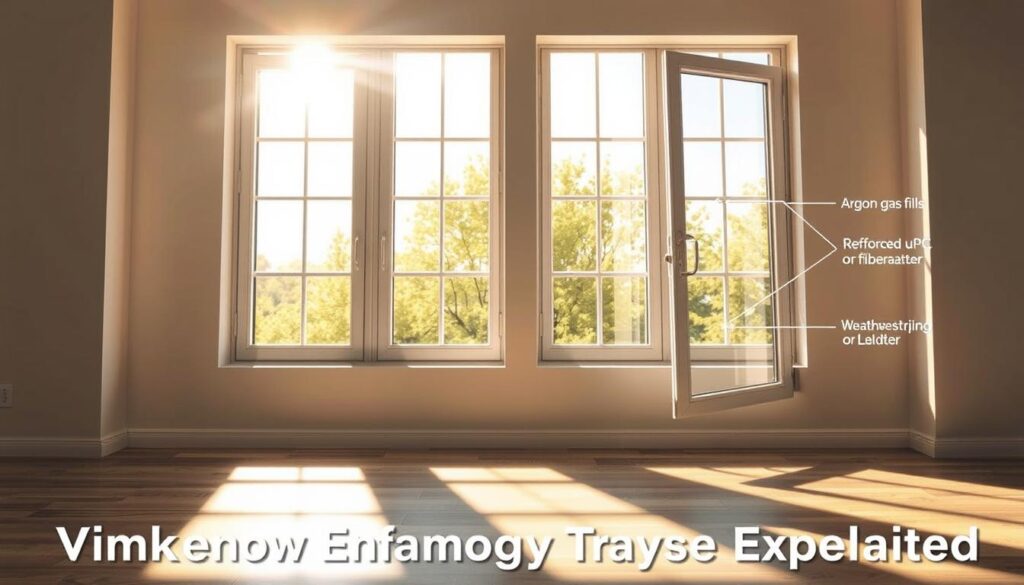
- Gas fills: Spaces between glass panels filled with argon or krypton gas for better insulation.
Comparing Types of Energy-Efficient Windows
There are different kinds of energy-saving windows for various needs. Below are some common types:
| Window Type | Advantages | Considerations |
|---|---|---|
| Casement | Great for ventilation and sealing | Needs more space to open |
| Sliding | Simple to use and saves space | Offers less ventilation |
| Picture | Provides clear views and lots of light | Doesn’t open, so no ventilation |
The Financial Benefits of Energy-Efficient Windows
Choosing energy-efficient windows can save you money over time. They cost more at first compared to regular windows. But, the amount you save on your energy bills later makes it worth it. It’s smart to know these benefits when you’re looking to replace your windows.
Initial Costs vs. Long-Term Savings
The high initial price of green windows might stop some people. They’re more expensive because they use better technology and materials. However, this leads to big savings on your heating and cooling bills as time goes on. It helps to look at your area’s climate and energy prices to estimate your savings better.
Potential Incentives and Rebates
Not many homeowners know about the incentives for buying green windows. You could get tax breaks, rebates, or low-interest loans from local and federal programs. These are to help with energy-efficient upgrades to your home. Looking into these can make replacing your windows a lot cheaper.
Calculating Your Return on Investment
To figure out your ROI, you need to know the initial cost and the savings you’ll make. First, think about how much you pay for energy now. Then, estimate how much you’ll save with new, energy-efficient windows. This can show how long it will take to pay off your investment. Use the table below to help:
| Window Type | Initial Cost | Annual Savings | Payback Period (Years) |
|---|---|---|---|
| Standard Windows | $5,000 | $200 | 25 |
| Energy-Efficient Windows | $7,000 | $500 | 14 |
| Premium Green Windows | $9,000 | $800 | 11.25 |
This table helps you make a smarter choice about investing in energy-efficient windows.
The Impact on Energy Bills
Thinking about making your home more energy-efficient? These upgrades can really lower your energy bills. Installing energy-saving windows helps cut costs for heating and cooling. This saves money for homeowners. Knowing the potential savings helps you decide on replacing windows to improve energy use.
How Much Can You Save on Heating and Cooling?
Energy-saving windows cut down how much energy you use. Usually, homeowners save between 10% to 25% on heating and cooling bills. This savings can change depending on your windows and where you live. For example, cold places save more in the winter. Hot places save more in the summer.
Seasonal Variations in Savings
Seasonal savings with energy-efficient windows are clear. In the winter, they keep heat in. This means you use less heating. In the summer, they keep heat out. So, your air conditioning is more effective. The chart below shows the expected savings in different climates:
| Climate Zone | Winter Savings (%) | Summer Savings (%) |
|---|---|---|
| Cold | 20% – 30% | 10% – 15% |
| Temperate | 15% – 25% | 15% – 25% |
| Hot | 10% – 20% | 20% – 30% |
Real-Life Examples of Savings
Upgrading to energy-efficient windows leads to big savings. One family in the Midwest saved almost $500 a year. Another family, living by the coast, cut cooling costs by 25%. They got their money back in less than five years. These examples show how such improvements can really reduce energy bills.
Environmental Advantages
Energy-efficient windows bring many benefits for the environment. They do more than lower your bills. By choosing these windows, you also cut down on your carbon footprint. This move makes your home more green and sustainable.
Reducing Your Carbon Footprint
Energy-saving windows cut down on how much energy you use. Old-style windows can lose heat in winter and gain it in summer. This makes you rely more on heating and cooling. Eco-friendly windows use special technology and materials to keep energy in. This also means less greenhouse gas from making energy.
Energy Efficiency and Sustainable Living
Choosing sustainable windows is key to living responsibly. They are vital for reaching wider environmental goals. By picking energy-efficient materials for your home, you save resources. You also support a healthier earth. This change saves you money and helps the world.
How Windows Influence Overall Home Efficiency
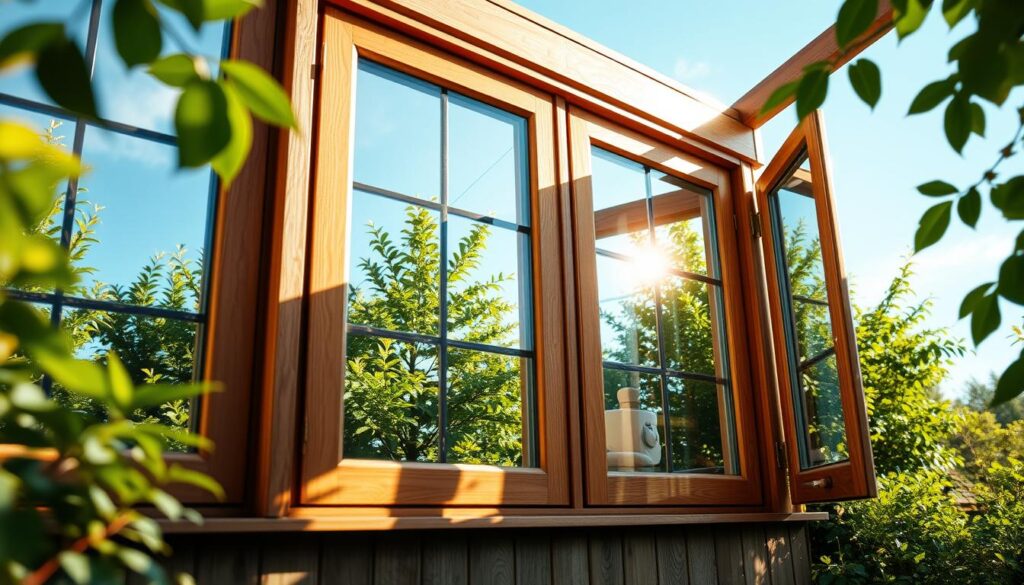
Windows are crucial for your home’s energy use. They work with other energy-saving materials for greater savings. For example, the insulation around windows boosts their effect. This helps control your home’s temperature better.
| Window Type | Energy Efficiency Rating | Impact on Carbon Footprint |
|---|---|---|
| Double Glazed | A+ | Significant reduction |
| Triple Glazed | A++ | Maximal reduction |
| Single Glazed | D | Minimal reduction |
Installation Considerations
Installing energy-efficient windows needs several steps. It’s key to pick a skilled contractor to meet your project goals. Think about when to replace your windows based on their current condition. Knowing what affects installation costs helps you plan your budget for this home upgrade.
Choosing the Right Contractor
Finding the right contractor matters a lot for window replacement. Look for those who know about energy-savings windows. Check their past work, reviews, and make sure they are licensed and insured. These steps are important in choosing well.
When to Replace Your Windows
It’s crucial to know the best time to replace your windows for better efficiency. Check your windows’ age and state. If you see drafts, water damage, or fog between panes, consider new energy-efficient windows. The weather when you install them also matters, with mild conditions being best.
Factors That Affect Installation Costs
Many things influence the cost of installing new windows. The type of windows, the installation complexity, and the contractor’s skill level all play a part. Your home’s location may also affect labor costs. It’s smart to plan for extra expenses to avoid surprises during the process.
Window Efficiency Ratings Explained
Understanding window efficiency ratings is key when you plan to upgrade. These ratings show how good windows are at keeping your home insulated. This insulation affects your energy bills and usage.
The Energy Star label stands out. It means a window meets strict rules for efficiency set by the EPA. Choosing these windows means you’re picking top-notch, eco-friendly options. They help save energy and are better for our planet.
Understanding the Energy Star Label
The Energy Star label is a sign of energy efficiency. Windows with this label have passed tough tests. They meet criteria like resisting heat and not letting air escape. This choice can lower your energy bills over time. It’s a wise pick for anyone wanting windows that are kind to the earth.
Incentives Based on Ratings
Many don’t know that buying energy-efficient windows can give you financial perks. Governments often offer rebates or tax breaks for choosing these windows. With these benefits, the cost of switching to green windows is lower. This makes the choice even more attractive.
How Ratings Affect Your Choice
Knowing window ratings can stop you from spending too much on ineffective products. A good comparison lets you find what’s best for you. Focus on factors like the U-factor and solar heat gain coefficients. These decide how well windows will work in your climate. Making informed choices gets you better savings and a greener home.
Maintenance Tips for Energy-Efficient Windows
It’s crucial to maintain your energy-efficient windows to ensure they work well. Doing regular upkeep extends their lifespan. It also boosts the efficiency of your energy-saving home project. Below are tips to keep your windows in great shape.
Simple Cleaning Techniques
For clean and efficient windows, gently wash them with mild soap and water. Don’t use strong chemicals as they can harm Low-E coatings. A soft cloth or sponge is perfect for cleaning. Make sure to rinse well to avoid soap residue that can lower visibility and performance. Clean regularly to keep them looking and working well.
Ensuring Your Windows Last Longer
Check the seals and frames of your windows often. Leaks can hurt their energy efficiency, so good sealing is key. Fix or replace any damaged weatherstripping or sealant to stop drafts. Routine checks keep them beautiful and working efficiently.
Signs of Wear and When to Replace
Spotting wear signs early can save you from spending a lot later. Look for moisture between glass layers, which means the seal is broken. If frames look warped or cracked, it might be time for new windows. Watching for these signs helps keep your windows saving energy as promised.
Comparing Brands in the Market
Selecting energy-efficient windows for your home involves comparing brands. Each brand offers unique features and technologies. This affects their performance and look. By understanding these differences, you can choose the right windows for your home.
Leading Brands in Energy-Efficient Windows
Several brands are top choices for energy-efficient windows:
- Andersen Windows – Known for customizable options and excellent durability.
- Marvin Windows – Offers a range of sustainable windows with strong energy performance.
- Pella Windows – Features innovative designs and energy-efficient technologies.
- Simonton Windows – Provides affordable solutions with good insulation properties.
Brand Features to Consider
When looking at brands, keep in mind these features:
| Brand | Energy Rating | Material Options | Warranty Length |
|---|---|---|---|
| Andersen Windows | U-factor up to 0.20 | Wood, vinyl | 20 years |
| Marvin Windows | U-factor as low as 0.18 | Fiberglass, wood | 10 years |
| Pella Windows | U-factor starting from 0.20 | Vinyl, wood | 25 years |
| Simonton Windows | U-factor around 0.30 | Vinyl | Lifetime warranty |
Customer Reviews and Satisfaction
Customer satisfaction is key when picking energy-efficient windows. Good reviews often show windows’ durability and real-world effectiveness. You should look for feedback on:
- Installation experiences
- Performance over time
- Customer service quality
Understanding these points will help you choose the right sustainable windows. This way, you meet your energy efficiency goals.
Overcoming Common Misconceptions
Many homeowners are unsure about energy-efficient windows due to common misunderstandings. Knowing the facts can help you choose wisely. Let’s clear up the myths about their cost, how long they last, and how they look.
Debunking Myths About Cost
Some think energy-efficient windows cost too much. But, these windows can actually save you money over time. They help lower heating and cooling bills, which makes up for the higher initial price.
Longevity and Durability Misunderstandings
There’s also a myth that energy-efficient windows aren’t durable. Yet, many of these windows come with long warranties, some over 20 years. They’re made to handle tough weather, making them a lasting choice for your home.
Addressing Aesthetic Concerns
Worries about looks also stop some people from choosing energy-efficient windows. However, these windows come in many styles and colors. They can improve your home’s look while bringing the advantages of the latest technology.
Making the Right Decision for Your Home
Picking energy-efficient improvements, like windows, needs thoughtful planning. Your local weather matters a lot. If you live in a place with very hot summers or cold winters, high-performance windows that keep heat in or out could be best. Understand your local climate to find the right window features that save the most money.
Before getting new windows, look closely at the ones you have. Check if there’s air leaking, water building up, or if they’re just old. These issues lower their ability to keep your home warm or cool. Figuring out these problems helps you choose windows that really meet your needs while keeping future expenses low.
Ready to switch to energy-saving windows? Making a plan for putting them in is key. It’s important to pick a skilled contractor for a good installation. If you focus on your energy-saving goals, this step can go smoothly and not cost too much, making the most of what you spend.