
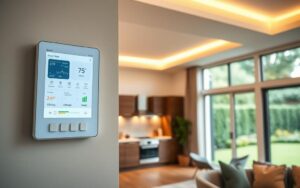
Did you know that nearly 30% of energy in homes goes to heating and cooling? This is a big number, showing how important home power management systems are. They help us use less energy, which saves money and helps the planet.
Smart home technology is becoming more common. Knowing how these systems work is key. By using them, we can save a lot of money and live more sustainably.
Understanding Home Power Management Systems
Home power management systems are key to using energy wisely at home. They help cut down on energy costs and carbon emissions. This makes living more sustainable. With the latest technology, homeowners can use energy better and save money.
Definition and Importance
A home power management system lets homeowners control their energy use. It can be simple or complex, managing solar energy and tracking energy use. Knowing about this tech is important for saving money and living green.
Key Components
Several important parts make up a good home power management system:
- Photovoltaic (PV) Panels: These solar panels turn sunlight into electricity. They offer a clean energy source and reduce reliance on the grid.
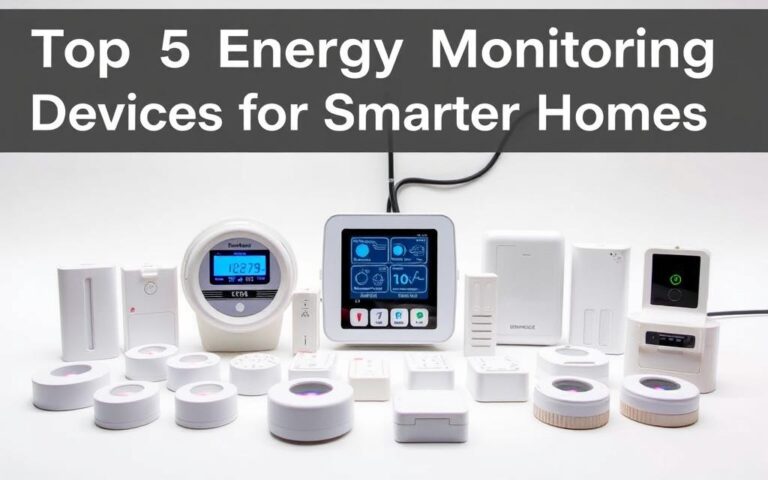
- Smart Meters: These devices track energy use in real-time. They help homeowners see how they can save more energy.
- Energy Storage Batteries: Batteries store extra energy from solar panels. This way, homes can use this energy when it’s needed most or during power outages.
Benefits of Home Power Management
Using home power management systems has many advantages:
| Benefit | Description |
|---|---|
| Lower Utility Bills | Using less energy means lower bills. This saves money for other important things. |
| Increased Home Value | Energy-efficient homes are more valuable. They attract buyers looking for a smart home. |
| Contribution to Sustainable Living | Choosing energy-saving options helps the planet. It reduces carbon emissions and fights climate change. |
How Home Power Management Works
Home power management systems use energy monitoring, load control, and smart tech. These parts work together to help homeowners save energy and money. It’s all about making your home more efficient.
Energy Monitoring
Energy monitoring systems use smart meters to track energy use in real-time. This info helps families see where they can cut back. By knowing how much energy they use, they can save a lot.
Load Control
Load management is key to using less energy at home. It involves using energy when it’s cheaper or when there’s plenty of green energy. This way, families save money and help the planet.
Smart Technology Integration
Adding smart tech to your home makes it more efficient. It connects and automates devices, making it easy to control energy use. This leads to better energy management and a more convenient home.
Choosing the Right Home Power Management System
Choosing the right energy management system is important. It must work well with your current home technology. It should also be easy to use. The type of energy your home uses is another key factor.
Factors to Consider
When looking at options, remember these points:
- Make sure it works with your home network and appliances.
- Check what other users say and how reliable the system is.
- Think about the long-term savings and the cost to start.
Top Brands and Options
Many top brands offer great home power management solutions. Here are a few:
- Sense: It’s known for real-time energy tracking and detailed insights.
- ENERGY STAR certified systems: They’re reliable and meet high efficiency standards.
- Ecobee: It offers smart home features and energy management.
Budgeting for Power Management
It’s important to budget well for energy management systems. Look at both the initial cost and long-term savings. This helps you see if the investment is worth it.
The Role of Energy Efficiency in Power Management
Energy efficiency is key to managing power at home. Homeowners can lower their energy use by using energy-saving devices and optimizing home systems. Learning how to use these tools can save a lot of money and help the environment.
Energy-Saving Devices
Using devices like LED bulbs, smart plugs, and advanced power strips can greatly reduce energy use. These tools are made to save energy and offer features that make saving energy easy. For instance, a smart plug can turn off devices when not in use, boosting energy efficiency.
Smart Thermostats
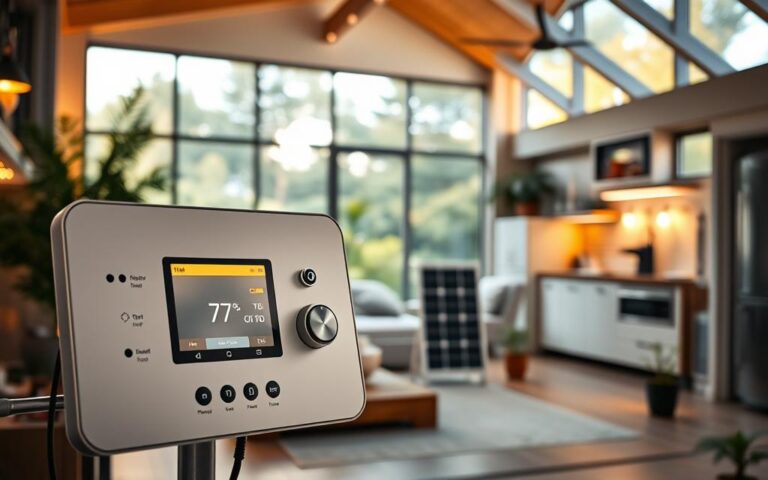
Smart thermostats are crucial for managing home heating and cooling. They learn your schedule and preferences to set the best temperatures. This means they adjust automatically, saving energy when you’re not home. It keeps your home comfortable while cutting down on utility bills.
Efficient Appliances
Choosing appliances that use less energy is important for saving energy. Look for products with the ENERGY STAR label, as they are certified to be more efficient. These include refrigerators, washing machines, and dishwashers that use less electricity and water than regular models. Buying these appliances can save you money in the long run.
| Type | Benefits | Examples |
|---|---|---|
| Energy-Saving Devices | Lower energy bills; reduced wastage | LED bulbs, smart plugs |
| Smart Thermostats | Enhanced comfort; automated savings | Nest, Ecobee |
| Efficient Appliances | Reduced energy usage; cost savings | ENERGY STAR refrigerators, washing machines |
Integrating Renewable Energy Sources
Using renewable energy at home is becoming more important. Solar power systems are a key choice, giving clean energy from rooftops. They help cut down electricity costs and make homes more energy independent.
Solar Power Options
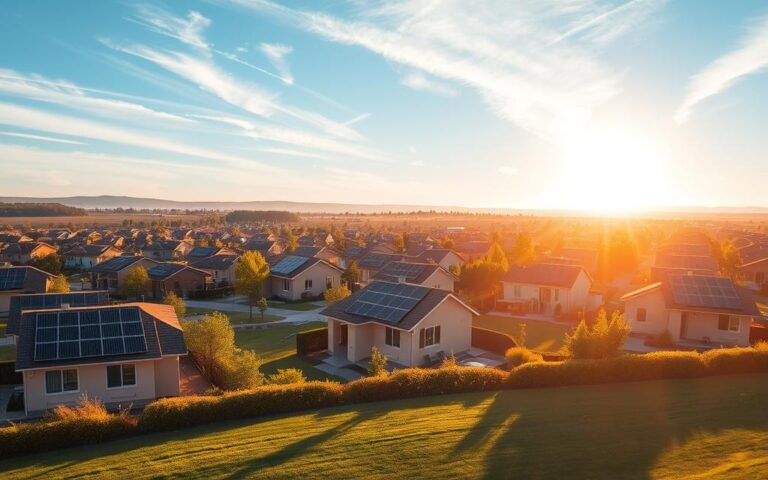
Rooftop photovoltaic (PV) systems are a top pick for many. They turn sunlight into electricity, offering a steady power source. Solar batteries also store extra energy, so homes can use it even when it’s cloudy or at night.
Wind Energy Solutions
Small-scale wind turbines are great for places with lots of wind. They help meet power needs, especially when energy demand is high. Using wind and solar together makes a better energy plan for homes.
Benefits of Hybrid Models
Hybrid energy models mix solar and wind power. They make energy use more reliable and cut down on traditional energy needs. This way, homes can get the most out of both solar and wind energy. Investing in hybrids makes for a stronger and more efficient home energy system.
Smart Home Technology and Automation
Smart home technology is key in today’s home automation. It helps homeowners use energy better. By linking smart devices to one system, you can manage power and make your home more efficient.
Adding smart solutions lets you control many appliances easily. This creates a better living space for everyone.
Compatibility with Smart Devices
It’s important to make sure devices work well together. Platforms like Google Home and Amazon Alexa help connect many smart devices. This makes controlling your home easier.
With different technologies, you can manage lights, thermostats, and more from one app. This gives you many choices to fit your needs.
Benefits of Automation
Automation brings big benefits like saving energy and being more convenient. Home automation systems can turn devices on when it’s cheaper or when you’re home. This saves money.
Being able to control things from anywhere adds to your comfort and convenience. Plus, automated routines can adjust to your life, helping you use energy wisely.
Popular Smart Systems
Many smart systems are popular for their ease of use and efficiency. Here are some favorites:
| Smart System | Features | Compatible Smart Devices |
|---|---|---|
| Google Nest | Smart thermostat, camera, doorbell | Honeywell, Philips Hue, Arlo |
| Amazon Alexa | Voice control, smart routines | TP-Link, Ring, Ecobee |
| Apple HomeKit | Automation scenes, remote access | August, Lutron, Eufy |
These systems work with many smart devices. This shows how important smart home technology is in home automation.
Strategies for Reducing Energy Consumption
Using smart ways to cut down energy use can save money and help the planet. By changing daily habits, adjusting for the seasons, and improving insulation, homes can use less energy. This makes living spaces more efficient and eco-friendly.
Daily Habits to Adopt
- Turn off lights when leaving a room.
- Unplug chargers and devices that are not in use.
- Use power strips to easily switch off multiple electronic devices.
- Embrace natural light during the day to limit artificial lighting.
Seasonal Adjustments
Changing your habits with the seasons can save energy. Here are some tips for each season:
- Set the thermostat a few degrees lower in winter and higher in summer.
- Use fans to circulate air during warm months, reducing reliance on air conditioning.
- Close curtains during hot days to keep homes cool.
- Open windows at night in the summer for natural cooling.
Home Insulation Tips
Good insulation stops energy from being wasted. Here are some tips to make your home more energy-efficient:
- Install energy-efficient windows to reduce heat loss.
- Seal gaps around doors and windows with weatherstripping or caulk.
- Insulate attic spaces to prevent heat from escaping.
- Add insulation to walls for a more energy-efficient home.
Monitoring Your Home’s Power Usage
It’s key for homeowners to keep an eye on their power use. With the right tools, you can see how much energy you’re using. This helps you use energy more wisely.
Tracking Tools and Apps
There are many tools and apps to track your energy use. They let you see how much energy you’re using right now. Apps like Sense and EnergyHub make it easy to see your energy habits.
Benefits of Real-Time Data
Real-time data changes how you manage your energy. It lets you see when you’re using a lot of energy. This way, you can cut down on costs and use energy better.
Understanding Your Energy Bill
Looking closely at your energy bill can teach you a lot. Knowing how your bill works and what uses the most energy can save you money. It helps you find ways to use less energy and save on bills.
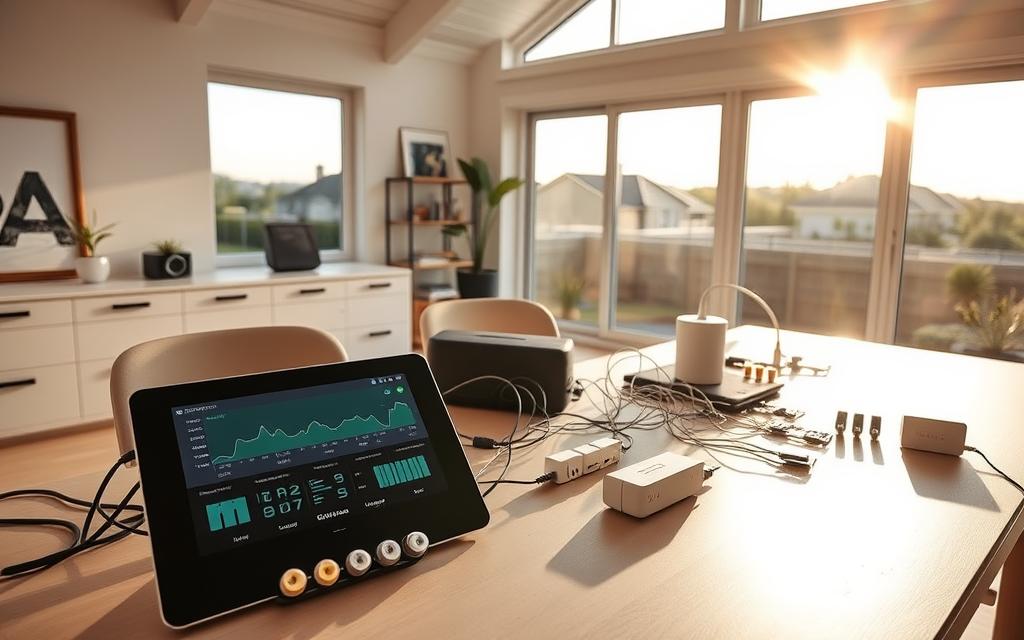
Common Challenges in Home Power Management
Home power management systems face many challenges. These include technical issues, resistance to change, and high initial costs. These obstacles can make it hard for homeowners to fully adopt new technologies.
Technical Difficulties
Technical problems often come up when trying to connect home power systems with existing devices. Issues with smart appliances can cause frustration. Making sure all devices work well together is a big challenge.
Resistance to Change
Many homeowners are hesitant to try new technologies. They often stick to old ways of managing energy. This fear can come from not understanding new systems, worries about their reliability, or just preferring what they know.
Initial Costs
The cost of starting up a home energy management system is a big hurdle. The money needed to buy and set up these systems can be too much for many families. Even though they can save money in the long run, the initial cost can stop people from switching.
Future Trends in Home Power Management
The world of home power management is changing fast. This change comes from new technologies and a focus on renewable energy. Homeowners want to use less energy, and new trends will help them do that.
Emerging Technologies
New tech like AI for energy management is changing the game. It lets homeowners see and control their energy use better. Smart systems can give advice on how to use less energy.
Better battery tech is also coming. It will help store more solar energy. This means homeowners can use solar power even when it’s not sunny.
Increased Renewable Adoption
More people are using solar panels and wind turbines at home. This move cuts down on traditional energy use. It also helps the planet.
Using these green energy sources at home will get easier. This will make homes more energy independent.
Legislative Changes
Government efforts to boost energy efficiency are important. Laws at different levels might encourage using energy-saving tech and green energy. As rules change, they’ll push for cleaner energy options.
Case Studies of Successful Power Management
Looking at successful energy management case studies gives us great insights. They show us how to manage power at home. We learn a lot from both residential examples and community energy projects.
Residential Examples
Some homes have shown big savings with energy management systems. In California, a family cut their energy bills by 30%. They used solar panels and smart thermostats. These stories inspire others to be more sustainable.
Community Initiatives
Community energy projects show how working together can make a big difference. Local councils in many states have started programs to buy solar panels in bulk. This makes solar panels cheaper and gets more people involved.
In Massachusetts, a town started a solar co-op. This allowed members to get solar panels at a lower cost. It also helped with financing.
Lessons Learned
Many lessons come from these successful energy management stories. Getting communities involved is key. Teaching people about energy management helps more people join in.
Showing real savings motivates people to use less energy. Personal stories and examples of success are very powerful.
| Case Study | Location | Type | Results |
|---|---|---|---|
| Smart Home Retrofit | San Diego, CA | Residential | 30% reduction in energy bills |
| Solar Co-op | Cambridge, MA | Community | Discounted solar installations for members |
| Energy Efficiency Program | Portland, OR | Residential | Improved home efficiency ratings |
Conclusion: Empowering Your Home Energy Management
Home power management systems (HPMS) are key in managing energy today. They help us use renewable energy and smart tech. This leads to saving money and reducing carbon emissions.
Using energy-efficient appliances and smart thermostats is crucial. It supports sustainable living. This article shows how important it is to adopt these practices.
It’s vital to focus on sustainability in our homes. Taking charge of our energy use benefits us and the planet. With the right tools and knowledge, we can make a big difference.
Homeowners should start using HPMS and look into energy-saving options. This could mean checking how much energy we use, looking into local green energy, or using automation. By doing this, we can help create a greener future and save money too.