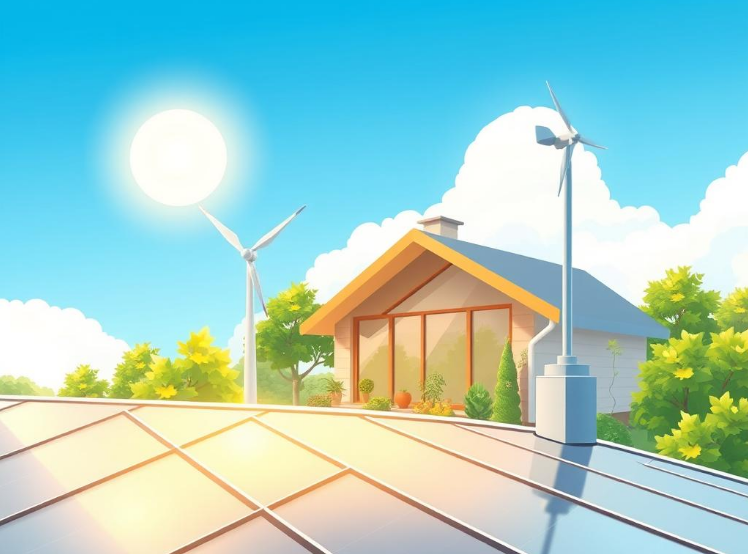

Global electricity generation from renewable energy systems reached a staggering 29% of total worldwide production in 2022, signaling a critical turning point in climate change mitigation strategies. The transformation of energy infrastructure represents an unprecedented opportunity to redefine our relationship with planetary resources.
Scalable sustainable energy impact is no longer a distant aspiration but an urgent global imperative. The United States stands at the forefront of this technological revolution, with innovative renewable energy systems rapidly replacing traditional fossil fuel infrastructure. These advanced technologies are not just environmentally responsible—they are economically competitive and technologically sophisticated.
Clean energy technologies have experienced dramatic cost reductions, making renewable solutions increasingly attractive for utilities, businesses, and communities. Solar and wind power generation costs have plummeted by over 70% in the past decade, creating unprecedented opportunities for widespread adoption of sustainable energy solutions.
The transition to renewable energy represents more than an environmental strategy—it is a comprehensive approach to reimagining our energy ecosystem. By investing in scalable sustainable technologies, we can simultaneously address climate challenges, create economic opportunities, and ensure long-term energy security for future generations.
As global energy demands continue to rise, renewable energy systems offer a pragmatic and forward-thinking pathway to meeting these challenges while dramatically reducing carbon emissions. The time for transformative action is now.
The Urgent Need for Large-Scale Clean Energy Transformation
The global climate crisis demands an immediate and comprehensive clean energy transition. Current carbon emissions trajectories pose unprecedented challenges to our planet’s sustainability, making decarbonization strategies critical for long-term environmental and economic stability.
Key drivers pushing clean energy transformation include:
- Rapidly accelerating climate change impacts
- Increasing economic risks from environmental disruption
- Technological advancements in renewable energy
- Growing public demand for sustainable solutions
Scientific consensus suggests we must dramatically reduce carbon emissions within the next decade to prevent irreversible environmental damage. The Intergovernmental Panel on Climate Change (IPCC) emphasizes the urgent need for systemic changes in energy production and consumption.
| Emission Reduction Target | Projected Impact | Timeline |
|---|---|---|
| 50% Reduction | Moderate Climate Stabilization | By 2030 |
| Net-Zero Emissions | Significant Global Cooling | By 2050 |
The clean energy transition offers substantial benefits beyond environmental protection. It promises substantial job creation, enhanced energy independence, and economic revitalization across multiple sectors.
Transforming our energy infrastructure is not just an environmental imperative but an unprecedented economic opportunity.
Solar Power Infrastructure: Harnessing the Sun’s Unlimited Potential
Solar energy infrastructure represents a transformative approach to sustainable power generation across the United States. The rapid advancement of photovoltaic technology has positioned solar as a critical component in the transition to clean energy systems. Renewable energy experts recognize the immense potential of solar power to revolutionize our national energy landscape.
The solar energy sector has experienced remarkable growth, driven by technological innovations and decreasing installation costs. Utility-scale renewable energy projects are now competitive with traditional fossil fuel power generation, offering significant environmental and economic benefits.
Utility-Scale Solar Farms and Grid Integration
Large-scale solar farms have become increasingly sophisticated in their design and implementation. Key considerations for developing these massive installations include:
- Optimal site selection based on solar radiation
- Minimizing environmental impact
- Efficient grid interconnection strategies
- Advanced energy storage solutions
| State | Installed Capacity | Key Projects |
|---|---|---|
| California | 25,000 MW | Topaz Solar Farm |
| Texas | 15,000 MW | Lonesome Creek Solar Project |
| Arizona | 10,000 MW | Solana Generating Station |
Distributed Solar Systems for Communities
Community solar programs are democratizing renewable energy access. Innovative approaches like rooftop solar aggregation and virtual power plants enable broader participation in sustainable energy generation.
“Solar technology is no longer just an alternative – it’s becoming the primary energy solution for communities nationwide.” – Renewable Energy Institute
Emerging Photovoltaic Technologies
Cutting-edge developments in solar technology continue to push the boundaries of efficiency and affordability:
- Bifacial solar panels
- Perovskite solar cells
- Building-integrated photovoltaics
- Advanced tandem cell architectures
These innovations promise to dramatically improve solar energy infrastructure, making photovoltaic technology more accessible and powerful than ever before.
Wind Energy Systems Driving Global Decarbonization
Wind power generation stands at the forefront of sustainable energy transformation. The United States has witnessed remarkable growth in wind energy infrastructure, with turbine technologies advancing dramatically in recent years. Modern wind systems now deliver unprecedented efficiency and economic viability for clean energy production.
Offshore wind farms represent a critical breakthrough in renewable energy deployment. These massive installations harness powerful ocean winds, generating substantial electricity with minimal environmental disruption. The Atlantic coast has become a prime location for expanding distributed energy resources, with several states implementing ambitious wind energy strategies.
- Onshore turbines now regularly exceed 3 megawatts per unit
- Offshore turbines can generate up to 12-15 megawatts
- Advanced turbine designs maximize wind capture efficiency
Technological innovations have dramatically improved wind energy performance. Floating offshore platforms enable wind farms to access deeper waters, expanding potential generation zones. Sophisticated wake effect optimization and advanced forecasting systems enhance grid integration, making wind power a more reliable energy source.
Rural communities benefit significantly from wind energy development. Farmers and ranchers can generate additional income through wind turbine leases while maintaining agricultural land use. This approach supports local economies and contributes to nationwide decentralized energy production.
Wind energy is not just an alternative—it’s becoming a primary solution for sustainable power generation.
As wind power generation continues to evolve, it promises to play a pivotal role in reducing carbon emissions and creating a more sustainable energy landscape for future generations.
Scalable Sustainable Energy Impact Through Advanced Storage Solutions
Energy storage solutions are critical for transforming renewable energy systems. Grid-scale batteries and innovative storage technologies bridge the gap between intermittent power generation and consistent energy supply. These advanced systems enable sustainable energy infrastructure to become more reliable and efficient.
Modern battery storage systems have revolutionized renewable energy deployment. The dramatic cost reduction of lithium-ion technologies has made grid-scale batteries economically viable for multiple applications.
Battery Technology Breakthroughs
Cutting-edge battery technologies are driving significant advancements in energy storage solutions. Key developments include:
- Sodium-ion batteries with improved sustainability
- Flow batteries for extended energy storage
- Solid-state battery technologies offering higher energy density
Pumped Hydro and Mechanical Storage
Beyond electrical battery storage, mechanical energy storage provides robust alternatives for large-scale power management.
| Storage Method | Capacity Range | Response Time |
|---|---|---|
| Pumped Hydroelectric | 100-1000 MW | Minutes |
| Compressed Air | 50-500 MW | Seconds |
| Flywheel Systems | 1-20 MW | Milliseconds |
These diverse energy storage solutions demonstrate the versatility of modern renewable infrastructure. Integrated storage approaches will be crucial in creating resilient, sustainable power networks.
Geothermal and Hydroelectric Power for Baseload Reliability
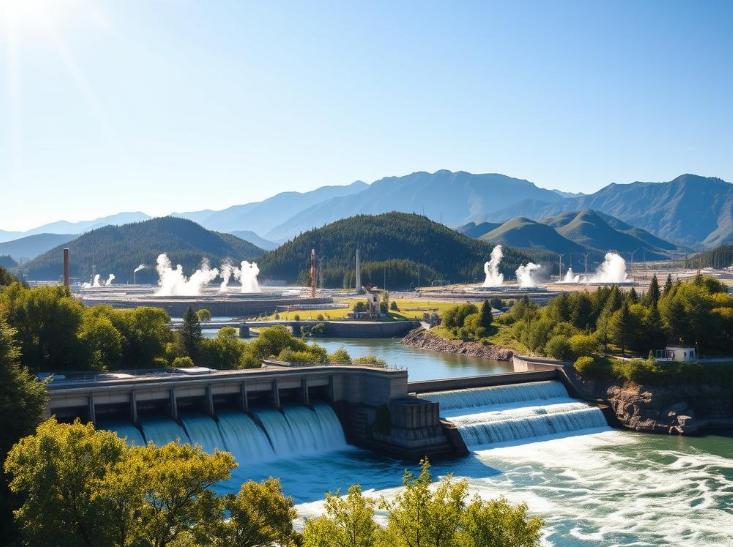
Geothermal energy systems and hydroelectric power plants play a crucial role in developing a sustainable energy future by providing consistent, reliable baseload power. These renewable energy technologies offer unique advantages in maintaining grid stability and supporting industrial energy needs.
Geothermal energy systems harness the Earth’s natural heat to generate electricity with remarkable efficiency. Key characteristics include:
- Constant power generation independent of weather conditions
- High capacity factors exceeding 90%
- Minimal environmental footprint
- Potential for expansion through enhanced geothermal technologies
Hydroelectric power plants contribute significantly to baseload reliability through diverse generation methods:
- Traditional dam-based hydropower
- Run-of-river systems
- Pumped-storage facilities
| Technology | Capacity Factor | Geographic Potential |
|---|---|---|
| Geothermal | 90-95% | Western United States |
| Hydroelectric | 40-60% | River-rich regions |
The western United States, particularly California, Nevada, and Utah, offers exceptional potential for geothermal energy development. Advanced drilling techniques adapted from the oil and gas industry are expanding geothermal resource accessibility.
Modern hydroelectric power plants now prioritize environmental sustainability, implementing fish passage improvements and maintaining ecological flow while generating clean, renewable electricity.
Green Hydrogen Production and Distribution Networks
The green hydrogen economy is emerging as a transformative solution for decarbonizing hard-to-electrify industries. This innovative approach leverages renewable energy to produce clean hydrogen through advanced technological processes.
Green hydrogen represents a critical pathway for energy efficiency solutions across multiple sectors. The production method relies on electrolysis powered by renewable electricity, breaking down water into hydrogen and oxygen without generating carbon emissions.
Electrolysis Methods and Efficiency
Several cutting-edge electrolysis technologies are driving the hydrogen fuel cells revolution:
- Alkaline electrolyzers: Cost-effective and mature technology
- Proton Exchange Membrane (PEM) electrolyzers: High-efficiency and compact design
- Solid oxide electrolyzers: High-temperature operations with improved efficiency
These technologies are rapidly improving, with declining costs making green hydrogen increasingly competitive with fossil fuel-based hydrogen production.
Industrial Applications and Transportation
Hydrogen fuel cells are transforming multiple industrial sectors by providing clean energy solutions:
- Steel production decarbonization
- Chemical manufacturing processes
- Long-haul transportation infrastructure
- Maritime and aviation fuel alternatives
Strategic investments in hydrogen infrastructure are crucial for scaling these energy efficiency solutions. Pilot projects across California and the Northeast corridor demonstrate the promising potential of green hydrogen networks in creating a sustainable energy future.
Smart Grid Technology and Energy Management Systems
The electrical grid is undergoing a revolutionary transformation powered by smart grid infrastructure. Traditional power distribution networks are evolving to meet the complex challenges of modern energy systems, integrating renewable sources and advanced technologies.
Energy management technology represents a critical breakthrough in creating more responsive and efficient power networks. These sophisticated systems enable real-time monitoring, analysis, and optimization of electricity distribution across multiple interconnected nodes.
Artificial Intelligence in Energy Distribution
AI energy optimization is revolutionizing how electrical grids operate. Machine learning algorithms now provide unprecedented capabilities in predicting and managing energy flow, including:
- Renewable energy output forecasting
- Demand prediction with high accuracy
- Automated grid performance optimization
- Predictive maintenance for infrastructure
Demand Response and Load Balancing
Smart grid technologies enable dynamic electricity consumption strategies. Utilities can now implement sophisticated programs that:
- Shift electricity consumption patterns
- Align energy use with renewable generation
- Implement time-of-use pricing mechanisms
- Create virtual power plants through aggregated flexible loads
These innovations transform electrical grids from passive distribution networks into intelligent, adaptive energy ecosystems capable of supporting sustainable power generation at scale.
Policy Frameworks and Economic Incentives Accelerating Adoption
The United States is rapidly transforming its energy landscape through strategic renewable energy policy and clean energy incentives. Federal and state governments are implementing comprehensive frameworks that drive sustainable energy adoption across multiple sectors.
Key policy mechanisms driving clean energy incentives include:
- Investment Tax Credit (ITC) for solar projects
- Production Tax Credit (PTC) for wind energy development
- Renewable Portfolio Standards (RPS)
- State-level clean energy mandates
The Inflation Reduction Act of 2022 represents a pivotal moment in renewable energy policy. This landmark legislation extended critical tax credits and introduced new provisions supporting energy storage, hydrogen technologies, and domestic manufacturing.
“Policy frameworks are crucial in creating market conditions that drive innovation and attract sustainable energy investments” – Clean Energy Research Institute
State-level approaches play a critical role in accelerating clean energy adoption. California, New York, and Washington have established ambitious targets for 100% clean electricity, creating robust markets for renewable energy infrastructure.
Economic incentives extend beyond traditional tax credits. Innovative approaches like green banks, streamlined permitting processes, and workforce development programs are creating comprehensive support ecosystems for renewable energy deployment.
Conclusion
The clean energy transition represents a critical pathway to addressing global climate challenges. Renewable technologies like solar, wind, geothermal, and green hydrogen have emerged as powerful solutions for creating a sustainable energy future. These technologies demonstrate remarkable potential to dramatically reduce environmental impact while meeting increasing global energy demands.
Strategic deployment of scalable sustainable energy solutions requires comprehensive collaboration across multiple sectors. Utilities, policymakers, technology developers, and communities must work together to accelerate infrastructure investments and innovative technological approaches. The economic opportunities are substantial, including job creation, technological advancement, and significant reductions in long-term energy costs.
Momentum is building toward widespread renewable energy adoption. Advanced storage technologies, smart grid infrastructure, and progressive policy frameworks are breaking down traditional barriers to clean energy implementation. Each technological breakthrough and infrastructure investment brings us closer to a robust, resilient energy ecosystem that can reliably power our communities while protecting planetary resources.
Individuals can contribute to this transformation by staying informed, supporting evidence-based energy policies, and exploring renewable options in their personal and professional lives. The path to a sustainable energy future is clear: collaborative action, continued innovation, and committed investment in clean energy technologies will drive meaningful environmental and economic progress.
FAQ
What are scalable sustainable energy solutions?
Scalable sustainable energy solutions are renewable technologies like solar, wind, geothermal, and hydroelectric power that can be deployed at utility scale to significantly reduce carbon emissions and provide reliable electricity generation across large geographic areas.
How do renewable energy technologies help combat climate change?
Renewable energy technologies reduce greenhouse gas emissions by replacing fossil fuel-based power generation with clean electricity sources that produce minimal carbon emissions during operation, thereby helping to mitigate global warming and meet international climate targets.
What is the current cost of renewable energy compared to fossil fuels?
In many markets across the United States, renewable energy technologies like solar and wind are now cost-competitive or cheaper than traditional fossil fuel power generation, with solar and wind costs having declined dramatically over the past decade.
How reliable are renewable energy sources?
Modern renewable energy systems, especially when combined with advanced storage solutions like battery technology and pumped hydro, can provide reliable baseload power. Technologies like geothermal and hydroelectric offer consistent generation, while smart grid management helps balance variable renewable sources.
What role does energy storage play in sustainable energy?
Energy storage is crucial for addressing the intermittency of solar and wind power. Battery systems and other storage technologies like pumped hydro can store excess renewable energy during peak generation periods and discharge it during high demand, ensuring grid stability and reliability.
Are there job opportunities in the renewable energy sector?
Yes, the clean energy transition is creating significant job opportunities in manufacturing, installation, maintenance, and related sectors. Renewable energy deployment generates local jobs and contributes to economic development in both urban and rural communities.
How can individuals support sustainable energy?
Individuals can support sustainable energy by installing rooftop solar, participating in community solar programs, supporting renewable energy policies, choosing green energy providers, and advocating for clean energy initiatives in their local communities.
What government incentives exist for renewable energy?
The United States offers federal incentives like the Investment Tax Credit (ITC) and Production Tax Credit (PTC), as well as state-level Renewable Portfolio Standards and clean energy grants that help reduce the cost of renewable energy projects and encourage adoption.
What is green hydrogen, and why is it important?
Green hydrogen is hydrogen produced using renewable electricity through electrolysis. It’s crucial for decarbonizing hard-to-electrify sectors like heavy industry, long-haul transportation, and chemical manufacturing, providing a versatile clean energy solution.
How quickly can we transition to sustainable energy?
While a complete transition will take decades, significant progress is possible within the next 10-20 years. Many experts believe we can achieve 70-80% renewable electricity generation by 2040 with current technologies and accelerated deployment strategies.