

A startling revelation from the International Energy Agency reveals that global energy demand could surge by 50% by 2050, underscoring the critical need for robust energy independence strategies. The United States stands at a pivotal moment where sustainable power systems are no longer optional but essential for national resilience.
Long-term energy security solutions represent more than a technological challenge—they are a strategic imperative. As traditional energy markets become increasingly volatile, innovative approaches to power generation and distribution are reshaping our understanding of national security and economic stability.
The transition toward sustainable energy infrastructure demands a comprehensive approach. By integrating renewable technologies, advanced grid systems, and strategic policy frameworks, the United States can develop a more resilient and adaptable energy ecosystem that reduces vulnerability to global market fluctuations and geopolitical tensions.
Energy independence strategies are not just about replacing fossil fuels. They represent a holistic reimagining of how we produce, distribute, and consume energy, creating opportunities for technological innovation, economic growth, and environmental stewardship.
Understanding the Foundation of Energy Independence
Energy independence represents a critical strategy for nations seeking to secure their power infrastructure and reduce vulnerability to global market fluctuations. At its core, energy security goes beyond simple resource availability. It encompasses a comprehensive approach to creating resilient and adaptable power systems.
What Defines True Energy Security
True energy security involves multiple interconnected dimensions that protect national interests. Key components include:
- Physical availability of diverse energy resources
- Economic accessibility and affordable pricing
- Reliable supply chains
- Resilience against geopolitical disruptions
Traditional models focused exclusively on domestic fossil fuel production are no longer sufficient. Modern energy independence strategies must address complex challenges like climate change, technological innovation, and global economic shifts.
The Role of Diversification in Energy Portfolios
Energy portfolio optimization requires strategic diversification across multiple power generation technologies. Relying on a single energy source creates significant vulnerabilities and increases systemic risk.
- Combine solar, wind, hydroelectric, and nuclear technologies
- Develop robust energy storage solutions
- Create redundant power generation capabilities
A well-designed, diversified energy approach ensures energy reliability by providing multiple backup systems and reducing dependency on any single resource or technology.
Renewable Energy Technologies Reshaping Our Future
The clean energy transition is revolutionizing how the United States generates and consumes electricity. Renewable energy technologies have emerged as powerful solutions transforming our national energy landscape, offering unprecedented opportunities for sustainable power generation.
Key renewable energy technologies are driving significant changes in distributed energy resources:
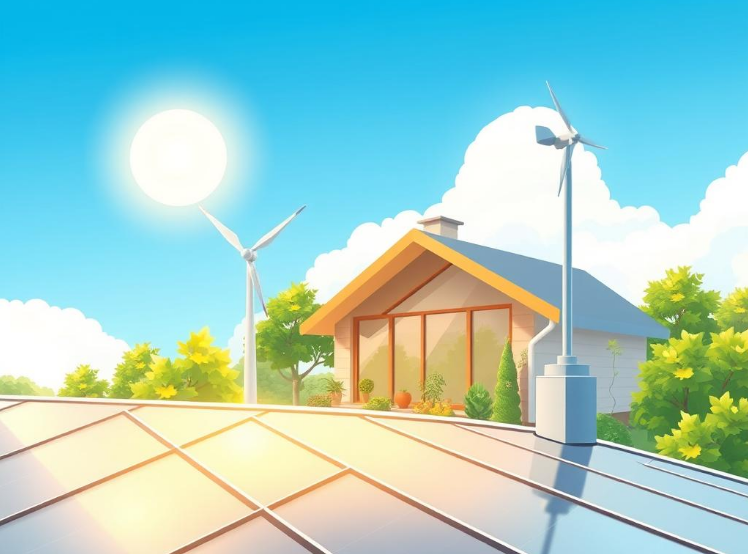
- Solar photovoltaic systems providing decentralized electricity generation
- Advanced wind turbine designs capturing wind energy more efficiently
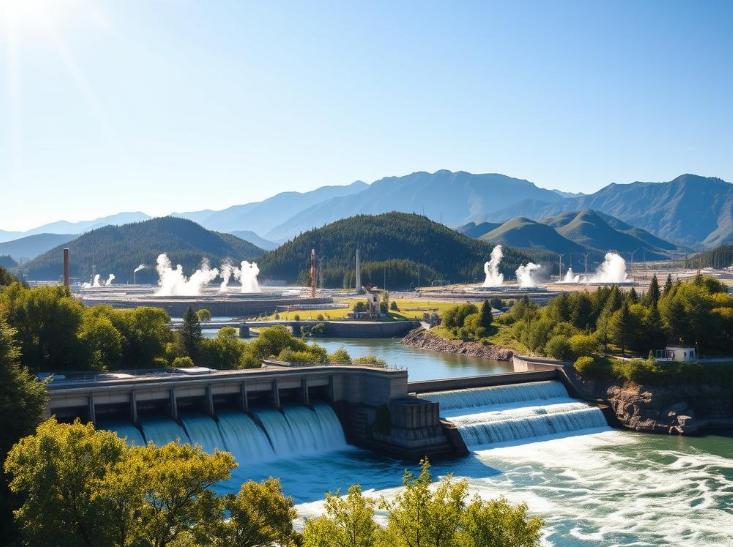
- Geothermal power plants generating consistent baseload electricity
- Innovative hydroelectric systems with minimal environmental impact
The renewable energy infrastructure has experienced dramatic cost reductions over the past decade. Solar and wind power now represent the most economical new electricity generation sources in most U.S. markets. These technologies contribute to long-term energy security by utilizing domestic, inexhaustible resources that aren’t subject to price volatility or supply disruptions associated with traditional fossil fuels.
Strategic integration of diverse renewable technologies creates a robust and resilient energy ecosystem. Solar power peaks during daytime hours, while wind generation often increases at night, providing complementary generation capabilities. This approach reduces single points of failure and enhances overall grid reliability.
Renewable energy is no longer an experimental concept but a mature, economically competitive solution forming the foundation of modern energy security strategies.
Solar Power Infrastructure and Grid Integration
The transformation of solar energy technologies represents a critical milestone in developing sustainable distributed energy resources. Photovoltaic systems have rapidly evolved, offering innovative solutions for energy generation and grid stability across diverse environments.
Modern solar infrastructure encompasses multiple approaches to energy generation, bridging technological innovation with practical implementation. The integration of advanced photovoltaic systems has dramatically expanded renewable energy capabilities.
Advances in Photovoltaic Technology
Recent breakthroughs in solar technology have revolutionized energy production capabilities:
- Bifacial solar panels capturing light from multiple angles
- Perovskite solar cells increasing conversion efficiency
- Building-integrated photovoltaic solutions transforming structural design
These technological improvements enable solar energy generation in regions with previously challenging solar conditions, expanding the potential for distributed energy resources.
Community Solar Programs and Accessibility
Community solar initiatives have democratized renewable energy access, allowing renters and homeowners without suitable rooftops to participate in solar energy generation.
| State | Community Solar Program Features | Annual Participation Growth |
|---|---|---|
| Minnesota | Shared solar garden model | 22% |
| New York | Comprehensive residential programs | 18% |
| Colorado | Utility-backed community solar | 25% |
By expanding solar accessibility through innovative community programs, regions can strengthen their energy security and reduce reliance on traditional power generation methods.
Wind Energy Systems for Consistent Power Generation
Wind power generation has emerged as a critical component of renewable energy infrastructure across the United States. The Great Plains region stands as a powerhouse for wind energy, with vast open landscapes providing ideal conditions for large-scale turbine installations.
Key advantages of wind energy systems include:
- High energy reliability during evening and nighttime hours
- Complementary generation profile to solar power
- Reduced carbon emissions compared to fossil fuel sources
- Increasingly cost-effective technology
Modern wind turbine technologies have dramatically improved energy production capabilities. Innovative designs now feature:
- Longer blades capturing wind at lower speeds
- Advanced materials extending turbine lifespan
- Sophisticated forecasting systems for grid operators
Offshore wind resources represent another exciting frontier in renewable energy infrastructure. Coastal states like Massachusetts, New York, and Virginia are developing significant offshore wind projects that promise substantial electricity generation.
| Wind Energy Metric | Current Performance |
|---|---|
| Annual Electricity Generation | 380 Billion kWh |
| Percentage of US Electricity | 9.2% |
| Projected Growth by 2030 | 15-20% |
As wind power generation continues to evolve, it plays an increasingly pivotal role in creating a sustainable and resilient national energy strategy.
Long-Term Energy Security Solutions Through Strategic Planning
Developing robust energy security requires comprehensive strategic planning that integrates innovative policy frameworks and forward-thinking investment strategies. The United States stands at a critical juncture in transforming its sustainable power systems, with multiple approaches emerging to ensure long-term energy resilience.
Strategic energy planning involves multiple critical components that drive sustainable transitions:
- Comprehensive energy policy frameworks that support renewable infrastructure
- Targeted investment strategies for clean energy development
- Regulatory mechanisms promoting grid modernization
- Financial incentives for sustainable technology adoption
Policy Frameworks Supporting Sustainable Transitions
Energy policy frameworks play a pivotal role in accelerating sustainable power systems. Federal initiatives like the Infrastructure Investment and Jobs Act have created unprecedented opportunities for clean energy development. State-level policies in California, Texas, and Iowa demonstrate how strategic regulatory environments can drive renewable energy innovation.
Investment Strategies for Energy Resilience
Effective energy investment strategies require a multifaceted approach. Utilities are progressively restructuring portfolios to prioritize renewable generation and grid modernization. Institutional investors now recognize energy security as a critical long-term value proposition, driving capital toward sustainable infrastructure projects.
Innovative financing mechanisms such as green bonds and public-private partnerships are emerging as powerful tools for mobilizing investments in clean energy technologies. These strategies ensure continuous development of sustainable power systems while maintaining economic competitiveness.
Energy Storage Technologies and Battery Innovation
Energy storage solutions are revolutionizing the way we approach power generation and distribution. Battery technology innovation has become a critical component in grid modernization, enabling renewable energy sources to provide more reliable and consistent electricity.
The landscape of energy storage has transformed dramatically in recent years. Lithium-ion batteries have emerged as a game-changing technology, with costs plummeting by over 85% in the past decade. This dramatic price reduction has made grid-scale storage economically viable for utilities across the United States.
- Lithium-ion batteries for short-duration storage
- Flow batteries for extended power retention
- Compressed air energy storage systems
- Pumped hydroelectric storage
Innovative storage technologies are solving critical challenges in renewable energy integration. Grid modernization efforts now focus on creating more flexible and responsive power systems that can balance supply and demand in real-time.
Real-world deployments demonstrate the potential of energy storage solutions. The Hornsdale Power Reserve in Australia showcased how advanced battery systems can stabilize electrical grids and provide rapid response during potential outages.
Energy storage is no longer just a possibility—it’s becoming an essential strategy for creating a more resilient and sustainable power infrastructure.
The future of energy security lies in developing diverse storage technologies that can meet varying duration, power, and application requirements. From grid-scale installations to community-level projects, battery technology innovation continues to push the boundaries of what’s possible in renewable energy management.
Geothermal and Hydroelectric Power as Baseload Solutions
Renewable energy technologies continue to revolutionize our power generation landscape. Baseload renewable power stands at the forefront of sustainable energy solutions, with geothermal energy systems and hydroelectric power playing crucial roles in maintaining consistent electricity supply.
Geothermal energy harnesses the Earth’s natural heat to generate electricity with remarkable efficiency. These energy systems tap into underground thermal resources, providing a stable and reliable power source that operates continuously regardless of weather conditions.
Tapping into Earth’s Natural Heat Resources
Geothermal power plants leverage several key technologies to generate electricity:
- Dry steam power plants
- Flash steam power plants
- Binary cycle power plants
The United States has significant geothermal potential, particularly in western states like California, Nevada, and Oregon. The Geysers in California represents the world’s largest geothermal electricity complex, demonstrating the immense potential of this renewable energy source.
Modern Hydroelectric Systems and Environmental Considerations
Hydroelectric power remains a critical component of baseload renewable power generation. Modern systems have evolved to minimize environmental impact while maximizing energy production.
- Run-of-river installations reduce ecosystem disruption
- Advanced fish passage systems protect aquatic life
- Pumped-storage technologies enable energy storage
These renewable energy technologies showcase how we can generate clean, consistent electricity while protecting our natural environment. Geothermal energy systems and hydroelectric power represent innovative solutions in our transition to a more sustainable energy future.
Smart Grid Technology and Energy Management Systems
Smart energy management represents a revolutionary approach to transforming electrical infrastructure. Grid modernization technologies are reshaping how utilities and consumers interact with power systems, creating more resilient and efficient energy networks.
Distributed energy resources are changing the traditional power landscape. Digital technologies now enable real-time monitoring and intelligent management of electrical networks, allowing for dynamic energy distribution and consumption.
- Advanced metering infrastructure provides two-way communication between utilities and consumers
- Supervisory control systems offer comprehensive grid visibility
- Automated fault detection minimizes power interruptions
Key components of smart grid technology include:
| Technology | Primary Function | Impact |
|---|---|---|
| Advanced Metering | Real-time energy monitoring | Improved consumer awareness |
| Distribution Automation | Grid fault detection | Reduced outage duration |
| Demand Response Systems | Peak load management | Lower energy costs |
Cybersecurity remains a critical consideration in smart grid deployments. Utilities are implementing multi-layered security protocols to protect critical infrastructure from potential digital threats.
Smart grids are not optional upgrades but essential infrastructure for managing complex, bidirectional energy flows in modern power systems.
Nuclear Energy and Advanced Reactor Designs
Nuclear energy stands at a critical juncture in America’s energy landscape, offering a promising pathway to sustainable baseload renewable power. The evolution of advanced nuclear technology represents a significant leap forward in addressing long-standing challenges of traditional nuclear power generation.
The emergence of small modular reactors (SMRs) marks a transformative moment in nuclear energy development. These compact nuclear power systems bring unprecedented advantages to the energy sector:
- Reduced physical footprint compared to traditional nuclear plants
- Lower construction and operational costs
- Enhanced safety features with passive cooling systems
- Flexible deployment across various geographic and industrial contexts
Breakthrough in Reactor Safety and Design
Innovative reactor designs are revolutionizing nuclear energy’s potential. Companies like NuScale Power have achieved groundbreaking Nuclear Regulatory Commission certification, demonstrating significant progress in SMR technology.
“Small modular reactors represent the future of safe, scalable nuclear energy solutions.” – Nuclear Energy Institute
| Reactor Type | Key Advantages | Potential Applications |
|---|---|---|
| Molten Salt Reactors | Improved fuel efficiency | Industrial power generation |
| High-Temperature Gas Reactors | Extreme temperature resistance | Process heat and electricity |
| Fast Neutron Reactors | Nuclear waste reduction | Sustainable fuel cycles |
The next generation of nuclear technology promises to address historical safety concerns through multiple redundant safety systems and innovative design approaches. As the energy landscape continues to evolve, small modular reactors stand poised to play a crucial role in providing reliable, carbon-free baseload power for future generations.
Building Resilient Energy Infrastructure Against Climate Challenges
Climate change presents unprecedented challenges to energy reliability and sustainable power systems. The increasing frequency of extreme weather events demands innovative approaches to building climate-resilient infrastructure that can withstand environmental pressures.
Critical strategies for protecting energy networks include:
- Physical hardening of transmission equipment
- Strategic undergrounding of distribution lines
- Advanced flood protection for critical facilities
- Implementation of adaptive design technologies
Distributed energy resources play a pivotal role in enhancing infrastructure resilience. Microgrids have emerged as a game-changing solution, enabling localized power generation that can operate independently during broader grid disruptions. Military bases and disaster-prone communities have already demonstrated the effectiveness of these adaptive power systems.
Energy storage technologies provide critical backup capabilities, ensuring continuous power delivery during extreme events. Modern sustainable power systems integrate intelligent monitoring and rapid response mechanisms that can quickly isolate and protect vulnerable grid segments.
Utilities and infrastructure planners must now design with future climate scenarios in mind, moving beyond historical weather patterns. This proactive approach to climate-resilient infrastructure represents a fundamental shift in energy security strategy.
Resilience is not about preventing disruption, but about maintaining critical services during challenging environmental conditions.
Conclusion
The landscape of sustainable power systems is rapidly evolving, revealing a complex yet promising future for energy independence strategies in the United States. Technological innovations across solar, wind, nuclear, and geothermal domains have transformed our approach to long-term energy security solutions, demonstrating that comprehensive, integrated strategies are crucial for national resilience.
Our exploration highlights the critical need for diversified energy portfolios. No single technology can guarantee complete energy security. Instead, interconnected systems that combine renewable generation, advanced storage technologies, and intelligent grid management represent the most robust pathway forward. These sustainable power systems not only mitigate environmental risks but also enhance economic competitiveness and national strategic capabilities.
The transition to sustainable energy infrastructure requires strategic investments, policy support, and continuous technological innovation. As climate challenges intensify, our energy systems must become increasingly adaptive, resilient, and efficient. The United States stands at a pivotal moment where decisions made today will shape energy infrastructure for generations, positioning the nation as a global leader in clean energy transformation.
Achieving comprehensive energy independence is more than a technological challenge—it represents a fundamental reimagining of our national energy ecosystem. By embracing multifaceted, forward-thinking approaches, we can create energy systems that are secure, sustainable, and capable of meeting the dynamic needs of our modern society.
FAQ
What defines true energy security?
True energy security goes beyond simple energy availability and encompasses physical resource accessibility, economic affordability, reliable supply, and resilience against disruptions like natural disasters, cyberattacks, and geopolitical challenges. It involves creating flexible, adaptable energy systems that can maintain consistent power delivery under various conditions.
Why is energy diversification important?
Energy diversification reduces vulnerability by preventing overreliance on a single energy source. By combining multiple technologies like solar, wind, hydroelectric, geothermal, and nuclear power, we create redundant systems that can adapt to changing market conditions, technological advancements, and environmental challenges.
How do renewable energy technologies contribute to energy independence?
Renewable technologies utilize domestic, inexhaustible resources that aren’t subject to price volatility or international supply disruptions. They reduce dependence on imported fossil fuels, lower carbon emissions, and provide scalable, increasingly cost-competitive alternatives to traditional energy generation methods.
What are small modular reactors (SMRs)?
Small modular reactors are advanced nuclear technology featuring smaller physical footprints, factory fabrication, passive safety systems, and flexible sizing. They represent a next-generation approach to nuclear power that addresses traditional concerns about cost, safety, and deployment complexity.
How do energy storage technologies enhance grid reliability?
Energy storage systems solve the temporal mismatch between renewable energy generation and electricity demand by storing excess energy during high-production periods for use during peak demand or low-generation times. They provide backup power, reduce dependence on fossil fuel peaking plants, and enable higher renewable energy penetration.
What is a smart grid?
A smart grid is an advanced electrical grid using digital communication, sensors, and analytics to monitor and manage electricity flows in real-time. It enables more efficient, reliable power delivery by integrating distributed energy resources, supporting two-way communication, and providing comprehensive grid visibility.
Why are community solar programs significant?
Community solar programs democratize renewable energy access by allowing individuals who cannot install personal solar systems—such as renters or those with unsuitable rooftops—to benefit from solar generation. They distribute energy production capacity and increase overall grid resilience.
How does the United States approach long-term energy security?
The U.S. approaches energy security through a comprehensive strategy involving policy frameworks, investment in renewable technologies, grid modernization, energy storage development, and creating diversified energy portfolios that combine multiple sustainable generation methods.