
By 2050, global energy demand is projected to surge by 50%, challenging nations to reimagine their power infrastructure. The United States stands at a critical juncture in developing clean energy technologies that can transform our sustainable power systems and secure a resilient energy future.
Renewable energy future strategies are no longer theoretical concepts but urgent necessities. Advanced technologies are rapidly emerging, offering innovative pathways to generate, store, and distribute electricity with unprecedented efficiency and minimal environmental impact.
The transition to future sustainable energy solutions represents more than an ecological imperative—it’s an economic opportunity. Cutting-edge renewable technologies are creating jobs, driving technological innovation, and positioning the United States as a global leader in clean energy development.
From solar and wind to breakthrough storage systems, these emerging technologies provide a comprehensive approach to meeting escalating energy demands. They promise to dramatically reduce greenhouse gas emissions while delivering reliable, adaptable power infrastructure for the 21st century.
Our energy landscape is undergoing a profound transformation, with sustainable solutions offering hope for a more stable, secure, and environmentally responsible future. The next decade will be crucial in determining how effectively we can adapt and innovate.
The Growing Challenge of Global Energy Consumption
The world stands at a critical juncture in energy management. Global energy consumption continues to surge, driven by complex demographic and technological shifts that challenge traditional power infrastructure. Population growth and economic development are creating unprecedented demand for electricity across both developed and emerging markets.
“By 2050, global energy demand is projected to increase by nearly 50%, fundamentally transforming how we generate and distribute power.” – International Energy Agency
Current energy consumption trends reveal multiple interconnected challenges:
- Rapid urbanization accelerating electricity requirements
- Expanding middle-class populations in developing countries
- Increasing digitalization and technology infrastructure
- Growing energy needs in transportation and industrial sectors
Rising Population and Energy Needs
The expanding global population creates substantial pressure on existing energy systems. Developing nations are experiencing exponential growth in energy demand, with technological advancement and improved living standards driving higher electricity consumption. Smart devices, data centers, and artificial intelligence technologies are becoming significant contributors to the overall carbon footprint.
Environmental Impact of Traditional Energy Sources
Fossil fuel emissions remain a critical concern in global energy consumption. Traditional power generation methods continue to produce substantial greenhouse gas emissions, threatening environmental sustainability. The carbon footprint of conventional energy sources underscores the urgent need for renewable alternatives that can meet growing energy requirements while minimizing ecological damage.
As global energy landscapes evolve, innovative solutions become paramount in addressing these complex challenges and transitioning toward a more sustainable future.
Solar Power: Harnessing the Sun’s Unlimited Potential
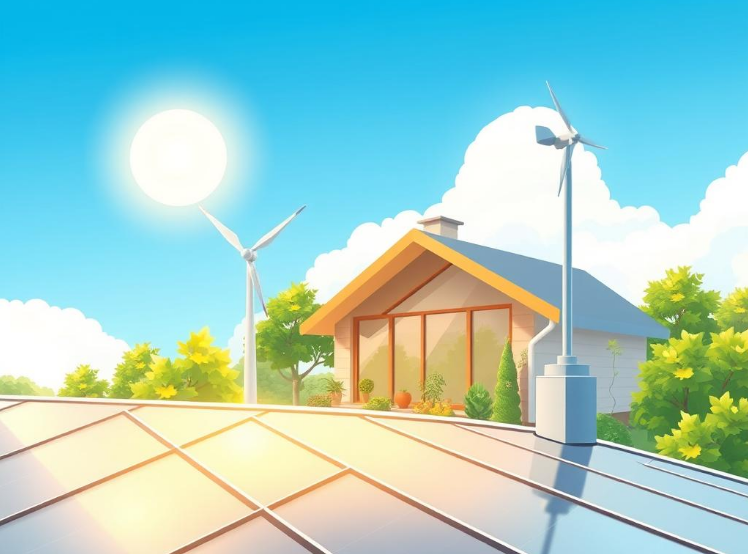
Solar power technology has emerged as a game-changing solution for sustainable energy production in the United States. Photovoltaic systems have undergone remarkable transformations, becoming increasingly efficient and affordable for both residential solar panels and commercial solar installations.
The rapid advancement of solar energy efficiency has revolutionized how communities approach power generation. Innovative technologies are making solar more accessible than ever before:
- Bifacial solar panels that capture sunlight from multiple angles
- Perovskite solar cells with breakthrough efficiency rates
- Building-integrated photovoltaic systems that transform architectural surfaces into energy generators
Residential solar panels now offer homeowners unprecedented opportunities to reduce energy costs and decrease carbon footprints. The average American household can potentially save thousands of dollars annually by investing in solar technology.
Commercial solar installations are driving significant economic and environmental benefits. The solar industry has become a powerful job creator, generating thousands of technical and maintenance positions across American communities.
Solar power represents a scalable, proven solution that is transforming America’s energy landscape.
Technological innovations continue to drive down costs, making solar power increasingly competitive with traditional energy sources. Net metering programs and advanced solar tracking systems ensure maximum energy capture, further enhancing the appeal of solar power technology.
Wind Energy Technologies Transforming Power Generation
Wind energy solutions have emerged as a critical component of renewable energy strategies across the United States. The rapid advancement of wind turbine technology has revolutionized how we generate clean electricity, making renewable wind generation increasingly competitive with traditional power sources.
The landscape of wind power has dramatically transformed in recent years, with both onshore wind farms and offshore wind power experiencing significant technological breakthroughs. These innovations are driving down costs and increasing energy production efficiency.
Offshore Wind Farms: Unlocking Coastal Energy Potential
Offshore wind power represents a game-changing approach to renewable energy generation. Coastal states are increasingly investing in massive offshore wind projects that capitalize on consistent ocean winds. The advantages of offshore installations include:
- Stronger and more consistent wind speeds
- Minimal visual impact on communities
- Ability to deploy larger, more powerful turbines
- Reduced land use requirements
Cutting-Edge Turbine Design Innovations
Wind turbine technology has seen remarkable improvements that enhance efficiency and performance. Key innovations include:
| Innovation | Key Benefit |
|---|---|
| Longer Turbine Blades | Increased wind energy capture |
| Advanced Materials | Reduced weight, improved durability |
| Smart Sensor Systems | Real-time blade optimization |
| Direct-Drive Generators | Reduced maintenance requirements |
These technological advancements have positioned wind energy as one of the most cost-effective electricity generation methods. States like Texas, Iowa, and California are leading the charge in renewable wind generation, creating thousands of jobs while providing clean, sustainable power.
The Role of Hydroelectric and Ocean Energy Systems
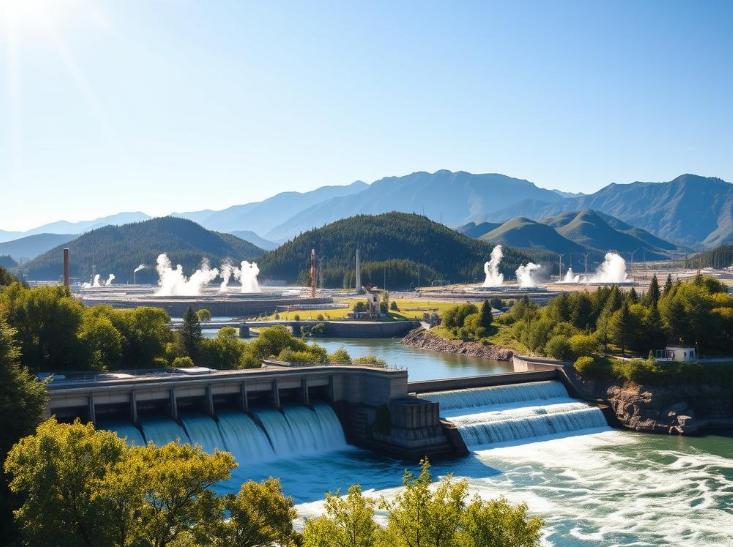
Water-based power generation represents a critical component of sustainable energy solutions in the United States. Hydroelectric power continues to be a cornerstone of clean energy production, particularly in regions with significant water resources.
The diverse landscape of marine renewable energy offers promising alternatives to traditional power generation methods. Ocean energy systems encompass several innovative technologies that harness the power of water in unique ways:
- Tidal energy systems that capture predictable ocean tide movements
- Wave power generation technologies converting ocean wave kinetic energy
- Ocean thermal energy conversion using temperature differences
Hydroelectric infrastructure has undergone significant modernization, improving both energy efficiency and environmental sustainability. Pumped-storage hydroelectricity emerges as a game-changing energy storage method, functioning like a massive battery by pumping water uphill during low-demand periods and releasing it through turbines during peak consumption.
| Marine Renewable Energy Type | Power Generation Potential | Current Development Stage |
|---|---|---|
| Tidal Energy | High predictability | Pilot project phase |
| Wave Power | Significant coastal potential | Emerging technology |
| Ocean Thermal Energy | Consistent baseline generation | Research and development |
While ocean energy technologies remain less mature compared to solar or wind power, they represent a crucial pathway to diversifying America’s renewable energy portfolio. Coastal regions stand to benefit most from these innovative marine renewable energy solutions, offering a consistent and predictable power generation approach.
Future Sustainable Energy Solutions for Modern Infrastructure
The energy landscape is undergoing a transformative revolution, driven by innovative smart grid technology and cutting-edge distributed energy resources. As traditional power systems evolve, new approaches are emerging to address the complex challenges of modern energy infrastructure.
Smart Grid Integration and Energy Distribution
Grid modernization is reshaping how electricity is generated, transmitted, and consumed. Smart grid technology enables a dynamic, bidirectional network that can seamlessly integrate multiple energy sources. Key developments include:
- Advanced metering infrastructure providing real-time consumption data
- Automated distribution systems that reroute power during disruptions
- Demand response programs that optimize energy usage
Energy Storage Breakthroughs and Battery Technology
Energy storage systems are critical for sustainable power generation. Battery innovation has dramatically transformed our ability to capture and utilize renewable energy. Emerging technologies are solving previous limitations in energy storage:
- Lithium-ion battery systems with reduced costs
- Solid-state batteries offering higher energy density
- Flow batteries enabling scalable long-duration storage
These advancements in distributed energy resources are creating more resilient, flexible, and efficient power networks that can support the growing demand for clean, sustainable energy solutions.
Geothermal and Biomass Energy as Reliable Alternatives
The quest for sustainable energy solutions has brought geothermal energy systems and biomass power generation to the forefront of renewable heat sources. These innovative technologies offer reliable alternatives to traditional fossil fuel-based power generation, providing consistent and environmentally friendly energy options.
Geothermal heating represents a powerful approach to harnessing the Earth’s natural thermal energy. Underground heat reservoirs can be transformed into electricity and direct heating for buildings, particularly in regions with significant geological activity. The western United States, including California, Nevada, and Utah, provides ideal conditions for these renewable energy systems.
- Enhanced geothermal systems (EGS) expand potential energy extraction zones
- Ground-source heat pumps enable efficient building temperature control
- Sustainable biomass converts organic materials into usable energy
Sustainable biomass power generation offers another promising path for renewable energy. By utilizing agricultural residues, forestry waste, and municipal solid waste, these systems transform organic materials into electricity and heat. Advanced combustion and gasification technologies ensure efficient energy production while minimizing environmental impact.
Biogas systems play a crucial role in this renewable energy landscape. By capturing methane from landfills, wastewater treatment plants, and agricultural operations, these technologies convert potential greenhouse gases into valuable energy sources.
Geothermal and biomass technologies provide reliable baseload power, complementing intermittent renewable sources like solar and wind.
As the world transitions toward cleaner energy solutions, geothermal and biomass technologies stand out as versatile and dependable alternatives that can significantly reduce carbon emissions while meeting growing global energy demands.
Nuclear Fusion and Next-Generation Reactor Technology
The future of clean energy is rapidly evolving, with nuclear fusion energy emerging as a groundbreaking solution to global power challenges. Advanced nuclear reactors are pushing the boundaries of scientific innovation, offering unprecedented potential for sustainable power generation.
Nuclear fusion represents a transformative approach to energy production, mimicking the power generation process of the sun. Unlike traditional nuclear fission, fusion promises a revolutionary clean energy source with minimal environmental impact.
Safety Advances in Modern Nuclear Energy
Next-generation nuclear power technologies have made significant strides in nuclear safety technology. Key developments include:
- Passive safety systems that automatically shut down reactors
- Advanced containment mechanisms
- Reduced risk of radiation exposure
Modern reactor designs focus on creating inherently safe systems that minimize potential risks associated with nuclear energy production.
Small Modular Reactors and Decentralized Power
Small modular reactors (SMRs) are revolutionizing the nuclear energy landscape. These compact, flexible power solutions offer numerous advantages:
- Lower initial capital investment
- Faster deployment times
- Scalable power generation
- Enhanced grid flexibility
SMRs represent a critical innovation in decentralized power generation, enabling communities and industries to access reliable, clean energy solutions with unprecedented efficiency.
The future of energy lies in our ability to innovate and adapt advanced nuclear technologies.
Policy Frameworks and Investment in Renewable Energy
The United States is experiencing a transformative shift in renewable energy policy. Government incentives are driving unprecedented clean energy investment across the nation. Federal and state-level initiatives are creating robust frameworks that support sustainable energy development.
Key policy mechanisms have emerged to accelerate renewable energy adoption:
- Investment Tax Credit (ITC) for solar projects
- Production Tax Credit (PTC) supporting wind energy
- Renewable tax credits encouraging infrastructure development
- State-level Renewable Portfolio Standards
“The future of energy is being shaped by strategic policy interventions that make renewable technologies economically competitive.” – Clean Energy Policy Expert
The Inflation Reduction Act of 2022 marked a significant milestone in energy transition funding. It expanded tax credits and provided crucial support for emerging technologies like energy storage and hydrogen production.
| Policy Mechanism | Impact on Renewable Energy | Investment Potential |
|---|---|---|
| Federal Tax Credits | Reduces project costs | High |
| State RPS Programs | Drives clean energy demand | Medium |
| Net Metering Policies | Encourages individual solar adoption | Medium |
Institutional investors are increasingly allocating capital to renewable energy projects. Pension funds and insurance companies recognize the stable, long-term returns potential in sustainable infrastructure. This financial momentum is critical for accelerating the transition to clean energy systems.
Workforce development programs are simultaneously ensuring that the renewable energy transition creates broad economic opportunities. By retraining workers from traditional energy sectors, these initiatives support a just and inclusive energy transformation.
Conclusion
The transition to a sustainable energy future represents more than an environmental imperative—it’s a strategic economic opportunity for the United States. By embracing clean power transition strategies, nations can simultaneously address climate action goals and create robust economic pathways for technological innovation and job creation.
Renewable energy adoption has demonstrated remarkable progress across multiple technologies. Solar, wind, hydroelectric, and emerging nuclear fusion systems collectively offer a comprehensive approach to energy security. Each technology contributes unique strengths, creating a resilient and adaptable power infrastructure capable of meeting complex national energy demands.
Strategic investments in advanced energy technologies will drive America’s competitive edge in global markets. The commitment to developing cutting-edge renewable solutions not only reduces carbon emissions but also positions the United States as a leader in sustainable infrastructure development. By integrating smart grid technologies, advanced storage systems, and diverse energy generation methods, we can build a more efficient and responsive energy ecosystem.
Our sustainable energy journey requires collaborative efforts from policymakers, industries, and communities. The technologies and knowledge essential for transforming our energy landscape are already within reach. With continued innovation, strategic investments, and a shared commitment to progress, we can create an energy future that ensures environmental protection, economic prosperity, and long-term national resilience.
FAQ
What are sustainable energy solutions?
Sustainable energy solutions are renewable power technologies that generate electricity with minimal environmental impact, including solar, wind, hydroelectric, geothermal, and advanced nuclear systems. These technologies aim to reduce greenhouse gas emissions while meeting growing energy demands through clean, renewable sources.
Why are sustainable energy solutions important?
Sustainable energy solutions are crucial for addressing climate change, reducing dependence on fossil fuels, creating new economic opportunities, and ensuring long-term energy security. They help mitigate environmental risks while providing reliable, clean power for homes, businesses, and industries.
How do solar panels work?
Solar panels convert sunlight directly into electricity using photovoltaic cells made of semiconductor materials like silicon. When sunlight hits these cells, it generates an electric current through the photovoltaic effect, allowing solar installations to produce clean, renewable energy without greenhouse gas emissions.
What are the benefits of wind energy?
Wind energy offers multiple benefits, including zero carbon emissions, low operational costs, no water consumption for power generation, and the ability to create jobs in rural communities. Modern wind turbines can generate significant electricity, with offshore wind farms providing particularly consistent and powerful energy production.
How do energy storage systems support renewable energy?
Energy storage systems like advanced batteries help address the intermittency of renewable sources by storing excess electricity generated during peak production times. These systems enable grid stability, allow for power use during low generation periods, and make renewable energy more reliable and dispatchable.
What are small modular nuclear reactors?
Small modular reactors (SMRs) are advanced nuclear technology featuring compact, factory-built reactor designs that can be transported and installed with minimal on-site construction. They offer enhanced safety features, lower costs, and greater flexibility in power generation compared to traditional large nuclear power plants.
How can individuals support sustainable energy?
Individuals can support sustainable energy by installing solar panels, choosing renewable energy plans from utilities, investing in energy-efficient appliances, supporting clean energy policies, and reducing overall energy consumption through conservation and smart technology.
What government incentives exist for renewable energy?
Government incentives include federal tax credits like the Investment Tax Credit (ITC) for solar installations, Production Tax Credit (PTC) for wind energy, state-level Renewable Portfolio Standards, and grant programs that support clean energy development and adoption.
What is the potential of geothermal energy?
Geothermal energy harnesses Earth’s internal heat to generate electricity and provide heating/cooling. Advanced technologies like enhanced geothermal systems (EGS) can expand potential resources, offering a reliable, consistent renewable energy source with minimal environmental impact.
How do smart grids improve energy distribution?
Smart grids use digital technology to create a dynamic, bidirectional electricity network that can integrate multiple renewable energy sources, provide real-time consumption data, automatically route power during outages, and enable more efficient energy management across the electrical infrastructure.