
An astonishing 70% of critical infrastructure in the United States remains vulnerable to climate-related disruptions, underscoring the urgent need for sustainable energy resilience strategies. The traditional power grid is rapidly becoming obsolete in the face of increasing environmental challenges and technological demands.
Climate-resilient power systems represent a transformative approach to energy infrastructure, moving beyond conventional generation methods to create adaptable, robust networks. These innovative solutions integrate renewable technologies, advanced storage capabilities, and intelligent management systems to ensure continuous power delivery under diverse conditions.
Sustainable energy resilience is not just an environmental imperative but a critical economic strategy. By reimagining energy infrastructure, communities can develop more reliable, efficient, and responsive power networks that withstand extreme weather events, technological shifts, and evolving consumption patterns.
The United States stands at a pivotal moment in energy transformation. Investments in climate-resilient power systems will determine our ability to maintain economic competitiveness, protect critical services, and mitigate the escalating risks posed by climate change.
This exploration will delve into the technologies, strategies, and innovative approaches that are reshaping our understanding of energy infrastructure, demonstrating how sustainable solutions can create more robust, adaptable power systems for the future.
Understanding the Critical Need for Energy System Transformation
The United States stands at a critical juncture in its clean energy transition. Traditional energy infrastructure is rapidly becoming obsolete, challenged by increasing environmental pressures, technological advancements, and evolving consumer demands. The urgent need to reimagine our energy system reliability has never been more apparent.
Several key drivers are pushing this transformation:
- Escalating climate change impacts
- Aging power grid infrastructure
- Rising renewable energy capabilities
- Increasing extreme weather events
Recent catastrophic events have exposed significant vulnerabilities in our current energy networks. Widespread power outages during hurricanes, wildfires, and winter storms have demonstrated the fragility of centralized power generation models. These disruptions underscore the critical importance of building more resilient, decentralized energy systems.
| Infrastructure Challenge | Current Impact | Transformation Need |
|---|---|---|
| Grid Vulnerability | Frequent Outages | Distributed Energy Resources |
| Carbon Emissions | High Environmental Cost | Renewable Integration |
| Technological Limitations | One-Way Power Flow | Smart Grid Technologies |
The economic implications are substantial. Modernizing our energy infrastructure is not just an environmental imperative but a critical economic strategy. Utilities, policymakers, and technology innovators are converging on a shared vision: building an adaptable, sustainable energy ecosystem that can meet 21st-century challenges.
“Our energy future demands radical reimagination, not incremental adjustment.” – Energy Innovation Expert
Core Principles of Sustainable Energy Resilience
Energy infrastructure resilience represents a critical frontier in modern power systems design. As global energy challenges become increasingly complex, understanding the fundamental principles of sustainable energy networks has never been more important.
The evolution of power grid stability demands a multifaceted approach that goes beyond traditional infrastructure management. Modern energy systems must be designed with flexibility, adaptability, and strategic redundancy.
Defining Resilience in Modern Energy Infrastructure
Resilience in energy infrastructure means creating systems that can:
- Anticipate potential disruptions
- Quickly respond to unexpected challenges
- Recover rapidly from system failures
- Maintain critical power supply during adverse conditions
“Resilience is not just about resistance, but about intelligent adaptation.” – Energy Systems Innovation Network
The Intersection of Sustainability and Reliability
Sustainable energy solutions are proving to be increasingly reliable. Renewable energy portfolios integrated with advanced storage technologies can actually enhance power grid stability compared to traditional single-source systems.
Adaptive Capacity in Energy Networks
Adaptive energy networks leverage cutting-edge technologies to create intelligent, responsive infrastructure. Key characteristics include:
- Modular design allowing quick reconfiguration
- Distributed energy resources
- Real-time monitoring capabilities
- Automated response mechanisms
By embracing these principles, energy infrastructure resilience transforms from a theoretical concept to a practical, implementable strategy for powering our future.
Renewable Energy Technologies Built to Last
Renewable energy systems are transforming the landscape of sustainable power generation. Green energy solutions now focus on creating technologies that can withstand extreme environmental challenges while delivering consistent performance.
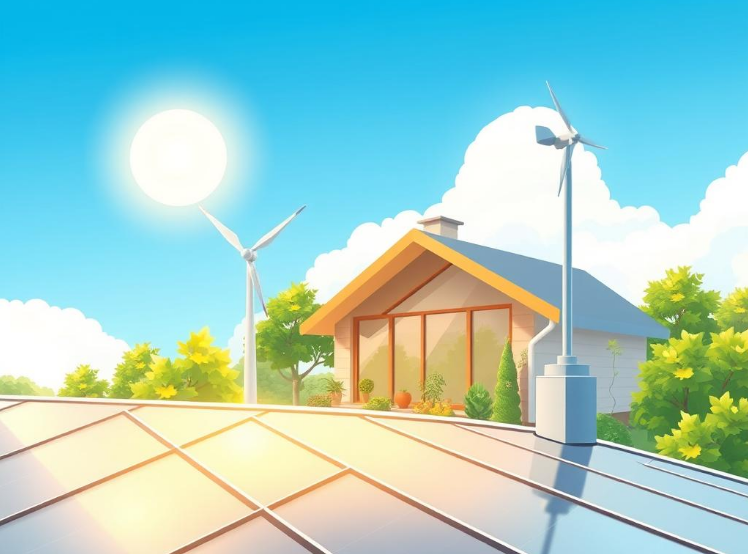
Modern renewable energy technologies are engineered with remarkable durability. Solar photovoltaic systems now feature advanced capabilities that push the boundaries of traditional power generation:
- Hurricane-rated mounting systems
- Hail-resistant panel designs
- Elevated installation strategies for flood protection
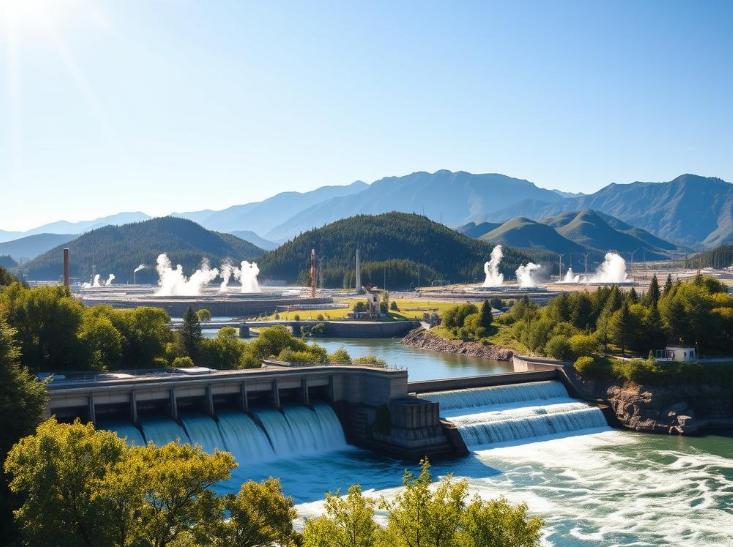
Wind energy technologies have also seen significant improvements. Offshore and onshore turbines are now constructed with specialized materials that resist corrosion and extreme temperature variations. Geothermal energy systems provide an incredibly stable baseload power source, minimizing weather-related disruptions.
Manufacturers are integrating climate projection data directly into equipment specifications. This forward-thinking approach ensures that renewable energy systems can maintain optimal performance throughout their 25-30 year operational lifecycle.
Emerging innovations continue to expand the potential of green energy solutions. Floating solar arrays, advanced offshore wind technologies, and enhanced geothermal systems represent the next generation of resilient renewable infrastructure.
Grid Modernization and Distributed Energy Resources
The electrical grid is undergoing a transformative revolution, shifting from a rigid centralized system to a dynamic, intelligent network. Grid modernization represents a critical strategy for enhancing energy resilience and integrating diverse power sources across the United States.
Distributed energy resources are reshaping how communities generate, distribute, and consume electricity. These innovative systems decentralize power production, creating more flexible and robust energy infrastructure.
Microgrids as Resilience Anchors
Microgrid technology provides critical infrastructure with unprecedented energy security. These localized power networks can operate independently during main grid disruptions, ensuring continuous service for essential facilities.
- Supports critical infrastructure during emergencies
- Enables seamless transition between grid-connected and island modes
- Integrates renewable energy sources effectively
Smart Grid Technologies for Enhanced Stability
Advanced smart grid technologies leverage real-time monitoring and predictive analytics to optimize energy distribution. These systems enhance grid reliability through sophisticated communication networks and automated response mechanisms.
| Technology | Function | Impact |
|---|---|---|
| Advanced Metering | Real-time consumption tracking | Improved energy efficiency |
| Distribution Automation | Automated fault detection | Reduced outage duration |
| Predictive Analytics | Proactive maintenance | Lower operational costs |
By embracing grid modernization and distributed energy resources, communities can create more resilient, sustainable, and efficient power systems that adapt to evolving energy challenges.
Energy Storage Solutions for Continuous Power Supply
Energy storage systems have become a critical component in creating resilient and sustainable power infrastructure. These innovative backup power systems enable communities and businesses to maintain electrical continuity during unexpected disruptions while maximizing renewable energy utilization.
Modern energy storage technologies offer multiple strategic advantages:
- Stabilize electrical grid performance
- Reduce dependency on traditional fossil fuel generation
- Provide seamless power during outages
- Optimize renewable energy integration
Lithium-ion battery technologies currently dominate the energy storage landscape. Advanced battery systems can now store excess solar and wind energy, releasing it during peak demand periods or when generation drops. Residential and commercial installations are rapidly adopting these solutions to enhance power reliability.
Key performance characteristics of contemporary energy storage systems include:
- Rapid response times
- Extended operational lifecycles
- Improved efficiency rates
- Scalable deployment options
Emerging technologies like flow batteries and compressed air storage are expanding the capabilities of backup power systems. These innovations promise longer-duration storage capabilities, addressing previous limitations in renewable energy management.
The future of energy resilience lies in sophisticated, adaptable storage solutions that can dynamically respond to changing electrical demands.
Climate-Adaptive Infrastructure Design
Climate change presents unprecedented challenges for energy infrastructure. Resilient infrastructure design has become crucial in developing disaster-resistant energy systems that can withstand increasingly extreme weather conditions. The United States is experiencing more frequent and intense climate events, demanding innovative adaptation strategies.

Effective climate adaptation strategies focus on creating robust energy networks that can survive and quickly recover from environmental disruptions. Energy systems must now be engineered with forward-thinking approaches that anticipate future climate risks.
Weather-Resistant Energy Systems
Modern energy infrastructure requires comprehensive protection against diverse environmental threats. Key design considerations include:
- Enhanced temperature tolerance for electrical equipment
- Advanced wind resistance for solar and wind installations
- Corrosion-resistant materials for critical infrastructure
- Improved cooling and insulation technologies
Flood and Storm Protection Strategies
Protecting energy infrastructure from water-related damage demands strategic planning. Critical approaches include:
- Elevated equipment placement in flood-prone regions
- Waterproof electrical component enclosures
- Advanced stormwater management systems
- Rapid emergency response protocols
By implementing these comprehensive climate adaptation strategies, energy providers can develop more resilient and reliable infrastructure capable of withstanding increasingly unpredictable environmental challenges.
Community-Scale Energy Independence Models
Local communities are transforming their approach to energy production through innovative decentralized energy solutions. Community energy systems represent a powerful strategy for achieving energy independence by empowering residents to take control of their power generation and distribution.
Successful community energy models leverage collaborative approaches that bring multiple stakeholders together. These initiatives typically focus on:
- Developing shared renewable energy infrastructure
- Creating local investment opportunities
- Reducing dependence on centralized power grids
- Enhancing overall community resilience
Rural and urban communities are implementing creative strategies to build robust energy independence. Solar cooperative programs have emerged as a particularly effective method, allowing residents to collectively invest in solar installations that benefit entire neighborhoods.
| Energy Model | Key Benefits | Community Impact |
|---|---|---|
| Community Solar | Shared renewable infrastructure | Increased access to clean energy |
| Microgrid Systems | Local power generation | Enhanced energy reliability |
| Cooperative Utilities | Community ownership | Economic empowerment |
The economic advantages of community energy systems extend beyond power generation. Local renewable energy projects create jobs, retain economic value within the community, and provide a sustainable path toward energy independence.
“Community-driven energy solutions represent the future of sustainable infrastructure.” – Clean Energy Research Institute
By embracing decentralized energy models, communities can build more resilient, responsive, and sustainable energy networks that protect against external disruptions while promoting local economic development.
Economic Viability and Long-Term Investment Strategies
Renewable energy investment requires strategic financial planning and sophisticated economic analysis. Sustainable power solutions are transforming how organizations approach long-term energy planning by introducing comprehensive economic frameworks that go beyond traditional financial metrics.
Effective economic evaluation of resilient energy systems demands a multifaceted approach that considers both immediate and future value propositions. Investors and policymakers must look beyond simple cost calculations to understand the true economic potential of sustainable infrastructure.
Cost-Benefit Analysis of Resilient Energy Systems
Comprehensive cost-benefit analysis for renewable energy investment involves several critical components:
- Calculating the levelized cost of energy (LCOE)
- Assessing risk-adjusted return potential
- Evaluating long-term economic resilience
- Quantifying avoided infrastructure failure costs
Financing Mechanisms for Sustainable Projects
Modern sustainable power solutions offer diverse financing strategies that make renewable energy more accessible:
| Financing Mechanism | Key Benefits |
|---|---|
| Power Purchase Agreements | Zero upfront capital requirements |
| Green Bonds | Specialized environmental investment vehicles |
| Federal Tax Credits | Significant financial incentives for renewable projects |
| Climate Resilience Funds | Targeted investments in sustainable infrastructure |
Strategic long-term energy planning requires understanding these economic dynamics. Investors who embrace comprehensive financial models will position themselves at the forefront of sustainable energy transformation.
Policy Frameworks Supporting Energy Resilience
The United States is transforming its approach to energy policy frameworks to address critical challenges in energy security. Federal, state, and local governments are developing comprehensive strategies to build more resilient and sustainable energy systems.
Key policy approaches include:
- Implementing renewable energy tax incentives
- Creating infrastructure investment programs
- Developing research and development funding mechanisms
- Establishing regulatory frameworks for electricity transmission
State-level initiatives play a crucial role in driving energy innovation. Renewable portfolio standards mandate utilities to source specific percentages of electricity from renewable resources. These policies create powerful incentives for transitioning to more sustainable energy models.
Local governments are also contributing to energy security by:
- Setting municipal renewable energy goals
- Updating zoning regulations for distributed energy resources
- Implementing building performance standards
Challenges remain in current energy policy frameworks. Interconnection barriers slow distributed energy adoption, and existing rate structures do not adequately value grid resilience. Policymakers are exploring innovative approaches like performance-based regulation that reward utilities for achieving resilience outcomes.
The future of energy security depends on adaptive, forward-thinking policy frameworks that support technological innovation and system flexibility.
By integrating comprehensive policy approaches, the United States can build a more robust, secure, and sustainable energy infrastructure for future generations.
Integration of Emerging Technologies and Innovation
The energy sector stands at the brink of a technological revolution, with smart grid technology and energy innovation driving unprecedented transformations. Cutting-edge technologies are reshaping how we generate, distribute, and manage energy resources, creating more efficient and resilient systems.
The convergence of advanced digital technologies is unlocking new possibilities for energy efficiency and intelligent resource management. Two critical technological frontiers are emerging as game-changers in the energy landscape.
Artificial Intelligence in Energy Management
Artificial intelligence is revolutionizing energy systems through sophisticated predictive capabilities. AI-powered solutions are enabling unprecedented levels of grid optimization and resource management.
- Predictive maintenance systems detect potential equipment failures before they occur
- Machine learning algorithms forecast energy consumption with remarkable accuracy
- Real-time grid management optimizes energy distribution across complex networks
Blockchain for Energy Trading and Security
Blockchain technology is transforming energy trading platforms by creating transparent, secure transaction mechanisms. These innovative solutions are disrupting traditional energy market structures.
| Blockchain Application | Key Benefits |
|---|---|
| Peer-to-peer Energy Trading | Direct consumer-producer transactions |
| Grid Security | Tamper-resistant transaction records |
| Renewable Energy Tracking | Transparent certificate management |
These technological innovations represent a quantum leap in energy system capabilities, promising more resilient, efficient, and adaptable infrastructure for future energy needs.
Case Studies of Successful Resilient Energy Implementations
Real-world examples demonstrate the power of innovative renewable energy systems in creating climate-resilient power systems. These case studies highlight practical solutions that transform energy infrastructure across different contexts.
The City of San Diego provides a compelling example of urban energy resilience. By implementing a comprehensive strategy, the city integrated solar installations on critical facilities, developed community battery storage, and established microgrid capabilities for essential services.
- Installed solar panels on municipal buildings
- Developed 50 MW of community battery storage
- Created microgrids for emergency response centers
Another remarkable implementation comes from the Blue Lake Rancheria Tribe in California. Their climate-resilient power systems showcase how smaller communities can achieve energy independence through innovative approaches.
| Project Element | Impact |
|---|---|
| Solar Microgrid | 2 MW of renewable generation |
| Battery Storage | 1 MWh capacity |
| Grid Independence | 93% reduction in carbon emissions |
Stanford University offers another inspiring model of renewable energy systems. The campus achieved remarkable energy efficiency through a holistic approach to sustainable infrastructure.
- Implemented combined heat and power systems
- Constructed extensive solar arrays
- Integrated advanced building energy management
These case studies prove that resilient energy solutions are not just theoretical concepts but practical, implementable strategies that deliver tangible benefits to communities and institutions.
Conclusion
The journey toward sustainable energy resilience represents a critical transformation for the United States. Our energy infrastructure stands at a pivotal moment, where clean energy transition is no longer an option but a necessity. The complex challenges of climate change, technological innovation, and economic sustainability demand a comprehensive approach to reimagining how we generate, distribute, and consume energy.
Sustainable energy resilience goes beyond mere technological upgrades. It encompasses a holistic vision that integrates environmental protection, economic stability, and community empowerment. Utilities, policymakers, and citizens must collaborate to build energy systems that can adapt to changing conditions, withstand environmental challenges, and provide reliable power across diverse landscapes and communities.
The path forward requires strategic investments, innovative technologies, and a commitment to long-term thinking. Artificial intelligence, advanced storage solutions, and distributed energy resources are not just technological innovations but critical tools in creating a more robust and responsive energy ecosystem. By embracing these technologies, the United States can lead the global transition to more resilient, sustainable energy infrastructure.
Our collective future depends on making bold, proactive choices today. Sustainable energy resilience is not a distant dream but an achievable reality that promises economic opportunity, environmental protection, and enhanced quality of life for all Americans. The time to act is now – with vision, commitment, and collaborative effort.
FAQ
What is sustainable energy resilience?
Sustainable energy resilience is the ability of energy systems to anticipate, prepare for, respond to, and recover from disruptions while maintaining essential functions. It combines environmental stewardship with operational reliability, focusing on creating energy infrastructure that can adapt to changing conditions, withstand extreme weather events, and continue providing power under challenging circumstances.
Why are renewable energy technologies considered more resilient?
Renewable energy technologies offer increased resilience through diversification and distributed generation. Unlike centralized fossil fuel plants, renewable systems like solar and wind are spread across multiple locations, reducing the risk of widespread power outages. Advanced technologies are now engineered to withstand extreme weather conditions, with hurricane-rated mounting systems, corrosion-resistant components, and adaptive design features that enhance long-term reliability.
How do microgrids improve energy resilience?
Microgrids are localized energy networks that can operate independently from the main electrical grid during disruptions. They provide critical backup power for essential facilities like hospitals, emergency services, and community shelters. By integrating local generation (often solar with battery storage), advanced controls, and the ability to disconnect from the main grid, microgrids ensure continuous power supply during broader system failures.
What role does energy storage play in creating resilient systems?
Energy storage is crucial for sustainable energy resilience as it addresses the intermittency of renewable sources. Technologies like lithium-ion batteries, flow batteries, and advanced storage systems enable communities to store excess renewable energy and use it during high-demand periods or when generation is limited. This capability ensures continuous power supply, reduces reliance on fossil fuel backup generators, and increases overall grid stability.
How are artificial intelligence and emerging technologies improving energy resilience?
Artificial intelligence and emerging technologies are transforming energy management by enabling predictive maintenance, advanced demand forecasting, and real-time grid optimization. AI systems can predict equipment failures before they occur, optimize energy flows across complex networks, and help integrate diverse renewable resources. Technologies like blockchain are also enhancing energy trading and grid security, creating more flexible and adaptive energy infrastructure.
What are the economic benefits of investing in resilient energy systems?
Investing in resilient energy systems offers multiple economic advantages, including reduced outage costs, lower long-term maintenance expenses, and increased energy independence. By avoiding productivity losses, protecting critical infrastructure, and creating local jobs in renewable energy, these investments provide significant financial returns. Additionally, emerging financing mechanisms like green bonds and energy-as-a-service models are making these technologies more accessible.
How can communities develop their own energy resilience?
Communities can develop energy resilience through collaborative approaches such as community solar programs, community choice aggregation, and cooperative utility models. These strategies allow local areas to assess their specific resources and vulnerabilities, invest in distributed energy resources, and create customized resilience strategies that provide local economic benefits and enhanced emergency preparedness.
What policy support exists for sustainable energy resilience?
Policy support for sustainable energy resilience exists at federal, state, and local levels. This includes federal tax incentives for renewable energy and storage, state renewable portfolio standards, building codes promoting efficiency, and local zoning regulations supporting distributed energy resources. Many jurisdictions are also implementing performance-based regulations that reward utilities for improving system resilience and reliability.