
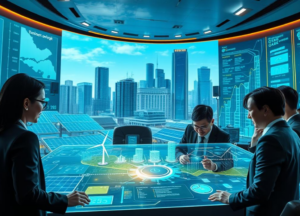
Imagine an energy system that reduces waste by up to 25% without human intervention. AI smart energy systems are revolutionizing how we consume and manage electrical power, transforming traditional grid technologies into intelligent networks that continuously adapt and optimize performance.
These adaptive energy solutions leverage cutting-edge machine learning algorithms to understand complex consumption patterns, predict energy needs, and automatically adjust distribution strategies. By analyzing real-time data from multiple sources, smart energy technology creates more efficient, responsive power networks that dramatically reduce operational costs and environmental impact.
The emergence of AI-driven energy management represents a significant technological breakthrough. Residential and commercial users can now benefit from systems that learn from their specific usage behaviors, creating personalized energy optimization strategies that were impossible just a decade ago.
As global energy demands increase, these intelligent systems provide a critical solution for sustainable power management. They represent more than technological innovation—they are a fundamental reimagining of how we interact with energy infrastructure, making our power networks smarter, more responsive, and increasingly efficient.
The Evolution of Intelligent Energy Management
The artificial intelligence in energy sector has undergone a remarkable transformation over the past few decades. From manual monitoring to sophisticated predictive platforms, energy management systems have dramatically changed how we understand and control power distribution.
Early energy management relied on basic mechanical systems with limited capabilities. The progression began in the 1980s with rudimentary automation technologies that required constant human intervention. Utility companies struggled with inefficient power distribution and limited predictive capabilities.
- 1980s: Basic automation introduction
- 2000s: Smart meter deployment
- 2010s: Machine learning integration
- 2020s: Autonomous intelligent power systems
Modern intelligent power systems leverage advanced machine learning algorithms to autonomously analyze complex energy consumption patterns. These systems can predict demand, optimize distribution, and self-adjust without manual programming.
| Era | Technology Level | Key Capabilities |
|---|---|---|
| 1980-2000 | Manual Control | Limited Monitoring |
| 2000-2010 | Basic Automation | Smart Meter Integration |
| 2010-2020 | AI-Powered Systems | Predictive Analytics |
| 2020-Present | Autonomous Management | Self-Optimization |
The energy management evolution continues to accelerate, with artificial intelligence driving unprecedented efficiency and reliability in power infrastructure. Cutting-edge technologies are transforming how we generate, distribute, and consume electrical energy.
How AI Smart Energy Systems Transform Power Distribution
The landscape of energy management is undergoing a radical transformation through AI smart energy systems. These intelligent technologies are revolutionizing how power networks operate, bringing unprecedented efficiency and precision to electrical distribution.
Modern power distribution is no longer a static process but a dynamic, intelligent ecosystem powered by advanced machine learning algorithms. The integration of predictive energy analytics allows utility companies to anticipate and respond to energy demands with remarkable accuracy.
Machine Learning Algorithms in Energy Forecasting
Energy forecasting has evolved dramatically with machine learning for energy efficiency. Neural networks now analyze complex datasets including:
- Historical consumption patterns
- Weather prediction models
- Seasonal energy trend analysis
- Geographic consumption variations
Real-Time Data Processing and Analysis
Power distribution optimization relies on instantaneous data processing. Smart energy systems can now analyze millions of data points per second from:
- Smart meters
- IoT sensors
- Grid monitoring equipment
“AI is transforming energy management from reactive to predictive, enabling smarter, more efficient power distribution.” – Energy Innovation Expert
Adaptive Load Balancing Technologies
AI-driven load balancing technologies dynamically redistribute power across networks, preventing overload conditions while maximizing renewable energy utilization. These systems continuously learn and adapt, creating more resilient and efficient power grids.
The future of energy distribution is intelligent, responsive, and increasingly automated, powered by sophisticated machine learning algorithms that optimize every aspect of power management.
The Role of Artificial Intelligence in Renewable Energy Optimization
Artificial intelligence in energy sector is revolutionizing how we approach renewable energy management. Clean energy management has entered a new era of precision and efficiency, with AI technologies transforming solar and wind power AI capabilities.
Renewable energy optimization leverages sophisticated machine learning algorithms to address critical challenges in sustainable power generation. These intelligent systems can predict and manage energy production with unprecedented accuracy by analyzing:
- Real-time weather conditions
- Historical production data
- Grid demand patterns
- Atmospheric forecasts
Energy companies are now implementing advanced AI solutions that dramatically improve renewable energy performance. NextEra Energy has demonstrated remarkable results, increasing wind farm energy capture by up to 20% through intelligent optimization techniques.
Key applications of AI in renewable energy include:
- Predictive generation forecasting
- Intelligent battery storage management
- Dynamic grid load balancing
- Automated performance optimization
Southern California Edison’s innovative machine learning platforms showcase how AI can forecast solar production across distributed rooftop installations, creating more stable and reliable renewable energy networks.
AI is transforming renewable energy from an unpredictable resource to a precisely managed power solution.
Smart Grid Technology and Self-Learning Capabilities
Intelligent grid systems are revolutionizing electrical infrastructure through advanced self-learning technologies. Smart grid technology transforms traditional power networks into dynamic, responsive systems that can predict, adapt, and optimize energy distribution in real-time.
The emerging landscape of grid modernization leverages cutting-edge artificial intelligence to create self-healing power grids capable of unprecedented performance and reliability.
Neural Networks for Grid Stability
Neural networks represent a breakthrough in intelligent energy management. These sophisticated AI models can simultaneously monitor thousands of grid parameters, detecting potential issues before they escalate.
- Analyze complex grid behavior patterns
- Identify subtle anomalies in power distribution
- Automatically implement preventive measures
- Predict potential system failures
Predictive Maintenance Through AI
AI-driven predictive maintenance is transforming how utility companies manage electrical infrastructure. By analyzing comprehensive data from transmission lines, transformers, and substations, these intelligent systems can forecast equipment failures weeks or months in advance.
Key benefits of AI-powered predictive maintenance include:
- Reduced unexpected equipment downtime
- Lower maintenance costs
- Enhanced grid reliability
- Proactive system management
As smart grid technology continues to evolve, these self-learning systems will play a crucial role in creating more efficient, resilient, and adaptive electrical networks.
Energy Management Software Solutions That Adapt to Usage Patterns
Modern energy management software solutions are revolutionizing how businesses control and optimize their power consumption. These intelligent energy software platforms leverage advanced machine learning algorithms to create adaptive energy platforms that continuously improve building energy management systems.
Key features of cutting-edge energy management software solutions include:
- Real-time consumption tracking
- Predictive analytics for energy optimization
- Automated system adjustments
- Comprehensive performance reporting
Leading companies like Schneider Electric and Honeywell have developed sophisticated building energy management systems that can learn from complex usage patterns. These platforms analyze historical data, occupancy rates, equipment performance, and environmental conditions to create intelligent energy optimization strategies.
The core advantage of these adaptive energy platforms lies in their ability to:
- Establish baseline energy consumption profiles
- Identify inefficiency patterns
- Implement automated improvements
- Provide actionable insights through intuitive dashboards
Real-world implementations demonstrate significant potential. For instance, major commercial facilities have achieved energy savings of up to 38% by implementing intelligent energy software that continuously learns and adapts to specific operational requirements.
Energy management is no longer about static monitoring, but dynamic, intelligent adaptation.
These advanced software solutions are scalable across various environments, from single commercial buildings to extensive multi-site enterprise portfolios, making them a critical tool in modern energy management strategies.
Machine Learning for Energy Efficiency in Commercial and Residential Settings
Machine learning for energy efficiency is revolutionizing how we consume and manage power in both commercial and residential environments. AI smart energy systems are transforming traditional approaches to energy management by leveraging sophisticated algorithms that adapt to unique usage patterns.
Behavioral Pattern Recognition in Energy Systems
Smart energy technologies now employ advanced machine learning techniques to understand and predict human behavior. These intelligent systems can:
- Analyze occupancy patterns in real-time
- Learn individual temperature preferences
- Detect usage rhythms across different times and seasons
- Create personalized energy profiles
Residential energy optimization has become increasingly precise. Devices like Google Nest and Ecobee SmartThermostat can now predict when residents are home, automatically adjusting heating and cooling to maximize comfort while minimizing energy waste.
Automated Energy Optimization Strategies
Commercial building efficiency gains significant advantages from AI-driven optimization. Intelligent systems can now:
- Predict energy demand based on historical data
- Automatically shift energy loads during peak hours
- Coordinate multiple devices to reduce simultaneous high-energy consumption
- Implement predictive maintenance protocols
These strategies have demonstrated remarkable results, with some commercial buildings reducing energy consumption by up to 30% through intelligent, data-driven management.
The Impact of Continuous Learning on Energy Cost Reduction
Continuous learning systems are revolutionizing energy management software solutions by transforming how businesses and consumers approach energy consumption. AI-driven cost reduction strategies are creating unprecedented opportunities for significant financial savings.
The power of continuous improvement systems lies in their ability to adapt and optimize energy usage in real-time. These intelligent platforms leverage machine learning algorithms to:
- Predict peak energy consumption patterns
- Automatically adjust load balancing
- Identify inefficient energy consumption areas
- Recommend targeted cost-saving interventions
Energy cost savings are no longer a distant dream but a tangible reality. Organizations implementing these advanced systems can experience remarkable financial benefits:
| Implementation Stage | Potential Cost Savings | Payback Period |
|---|---|---|
| Initial Deployment | 10-15% | 18-24 months |
| Mature System | 25-30% | 12-18 months |
The learning curve of AI energy management systems accelerates savings exponentially. By continuously analyzing historical data and real-time consumption patterns, these systems become increasingly sophisticated in optimizing energy efficiency.
Businesses can now protect themselves against rising energy costs through intelligent, self-adapting technologies that require minimal human intervention. The future of energy management is here, powered by continuous learning and intelligent algorithms.
Future Trends in Self-Improving Energy Systems
The landscape of energy management is rapidly transforming, driven by breakthrough technologies that promise to revolutionize how we generate, distribute, and consume power. Smart grid technology is evolving into an intelligent ecosystem that adapts and responds to complex energy demands with unprecedented precision.
The convergence of artificial intelligence in energy sector with emerging technologies is creating unprecedented opportunities for intelligent energy management. These innovations are reshaping our approach to power infrastructure.
Integration with Internet of Things Devices
IoT energy management is becoming increasingly sophisticated, enabling seamless communication between various energy-consuming devices. Key developments include:
- Smart appliances that optimize energy consumption
- Electric vehicles functioning as mobile energy storage units
- Intelligent grid systems that predict and balance energy loads
“The future of energy is not just about generation, but intelligent distribution and consumption.” – Energy Innovation Expert
Blockchain and Decentralized Energy Networks
Future energy systems are embracing decentralized models that empower individual consumers. Blockchain technology enables:
- Peer-to-peer energy trading
- Transparent and secure energy transactions
- Microgrid development with local energy sharing
These transformative technologies are creating a more resilient, efficient, and responsive energy ecosystem.
Conclusion
AI smart energy systems represent a groundbreaking transformation in our approach to energy management. These adaptive energy technology solutions are reshaping how we generate, distribute, and consume electricity across the United States. From residential smart thermostats to complex commercial grid infrastructure, intelligent systems are delivering unprecedented efficiency and sustainability.
The energy transformation we’re experiencing goes far beyond simple technological upgrades. Advanced machine learning algorithms now enable power networks to learn, predict, and optimize performance in real-time. Utilities and consumers alike benefit from reduced waste, lower operational costs, and more reliable energy distribution that seamlessly integrates renewable sources.
Looking forward, the potential of AI-powered energy management continues to expand. Businesses, homeowners, and energy professionals can leverage these technologies to create more resilient and environmentally responsible energy ecosystems. As artificial intelligence becomes increasingly sophisticated, our ability to develop smarter, more responsive energy systems will play a crucial role in addressing global sustainability challenges.
The journey towards an intelligent energy future is just beginning. By embracing adaptive energy technology and AI smart energy systems, we are not just improving efficiency—we are fundamentally reimagining our relationship with energy consumption and environmental stewardship.
FAQ
What are AI smart energy systems?
AI smart energy systems are advanced technological platforms that use artificial intelligence and machine learning to optimize energy generation, distribution, and consumption. These systems continuously learn from data, adapt to changing conditions, and automatically improve energy efficiency by analyzing usage patterns, grid performance, and environmental factors.
How do machine learning algorithms improve energy forecasting?
Machine learning algorithms analyze historical consumption data, weather patterns, and seasonal trends to predict future energy demand with high accuracy. By processing vast datasets, these neural networks can anticipate peak usage periods, enabling proactive resource allocation and more efficient power distribution.
Can AI help integrate renewable energy sources more effectively?
Yes, artificial intelligence plays a crucial role in renewable energy optimization by predicting solar and wind energy generation, managing energy storage, and coordinating between renewable and conventional power sources. AI systems can improve renewable energy capture by up to 20% and help create more stable, efficient clean energy networks.
What are the benefits of smart grid technology?
Smart grid technology with AI capabilities transforms electrical infrastructure by enabling predictive maintenance, self-healing grid operations, and real-time anomaly detection. These systems can predict equipment failures weeks in advance, automatically reroute power around damaged sections, and continuously optimize grid performance and reliability.
How do energy management software solutions work?
These adaptive software platforms learn from occupancy patterns, equipment performance, and environmental conditions to automatically optimize energy-consuming systems like HVAC, lighting, and industrial equipment. They create baseline consumption profiles and continuously refine their understanding to implement efficiency improvements without constant human intervention.
Can AI help reduce energy costs for homes and businesses?
Absolutely. Machine learning systems can help reduce energy costs by 10-30% through strategies like demand charge management, time-of-use optimization, and intelligent load balancing. These systems learn and adapt to specific usage patterns, automatically implementing cost-saving strategies without requiring significant behavioral changes.
What emerging technologies are shaping the future of energy systems?
Emerging technologies include Internet of Things (IoT) integration, blockchain for decentralized energy trading, advanced battery technologies with AI management, and quantum computing for grid optimization. These innovations are creating more intelligent, distributed, and responsive energy ecosystems.
How secure are AI-powered energy management systems?
Modern AI energy systems incorporate robust cybersecurity protocols to protect data and infrastructure. They use advanced encryption, multi-layer authentication, and continuous monitoring to prevent unauthorized access and ensure the security of energy management platforms.
Are these technologies applicable to both residential and commercial settings?
Yes, AI smart energy systems are scalable and can be implemented across various settings, from individual homes using smart thermostats to large enterprise facilities and utility-scale grid operations. Each application is tailored to specific energy management needs and infrastructure requirements.