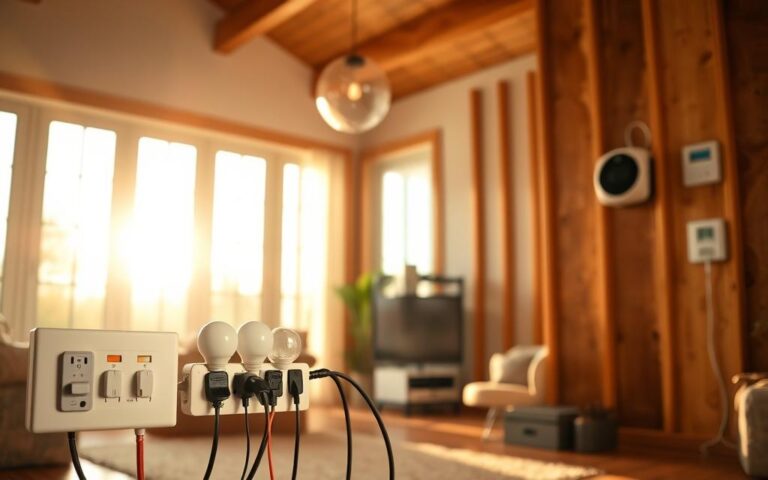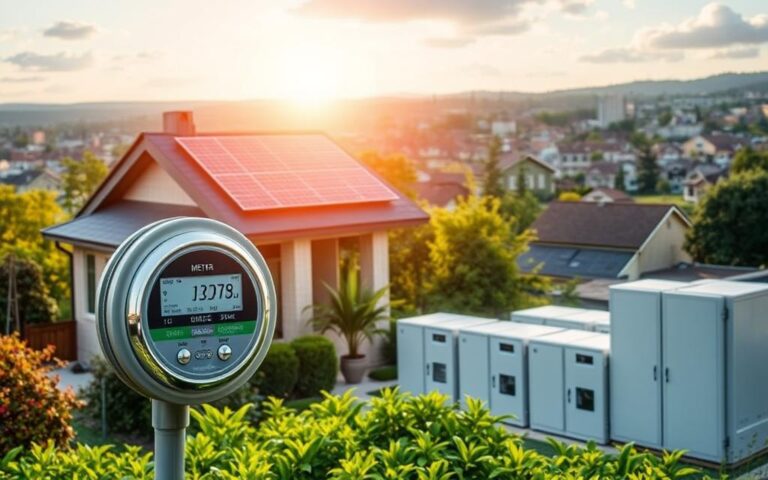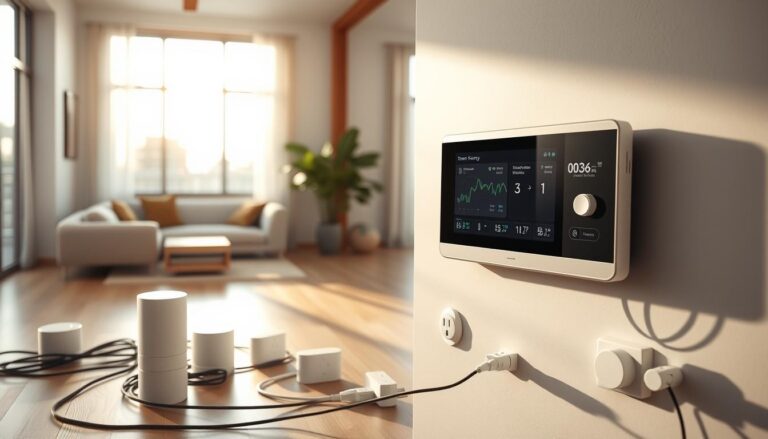

Surprising fact: The average American home wastes up to 30% of its energy through inefficient design and poor insulation, costing homeowners hundreds of dollars annually. Energy-efficient home design is no longer a luxury but a critical strategy for reducing utility expenses and environmental impact.
Residential energy efficiency represents a powerful approach to transforming how we live and interact with our living spaces. Smart energy planning goes beyond simple upgrades – it’s a comprehensive strategy that considers every aspect of home performance, from construction materials to technological integration.
Modern homeowners have unprecedented opportunities to create sustainable, comfortable living environments. By understanding the principles of energy-efficient home design, families can dramatically reduce their carbon footprint while simultaneously improving home comfort and increasing property value.
This guide will walk you through critical strategies for designing an energy-smart home, exploring innovative technologies, construction techniques, and holistic approaches that make residential energy efficiency both achievable and affordable.
Understanding the Foundation of Home Energy Efficiency
Energy efficiency in residential buildings starts with understanding how heat moves through your home. Home energy optimization begins with recognizing the complex ways energy flows and escapes from living spaces. The science behind energy consumption reduction involves three primary mechanisms of heat transfer: conduction, convection, and radiation.
Different areas of your home are more vulnerable to energy loss. These critical zones include:
- Attics with insufficient insulation
- Basement and crawl spaces
- Exterior wall junctions
- Window and door frames
The Science Behind Energy Loss in Residential Buildings
Heat transfer occurs through multiple pathways. Conduction happens when heat moves directly through solid materials like walls and windows. Convection involves heat movement through air circulation, creating what experts call the “stack effect” – warm air rising and escaping through upper levels while cooler air enters lower areas.
How Modern Homes Waste Energy Without Proper Planning
Modern construction often overlooks critical energy efficiency principles. Common energy waste patterns include:
- Inadequate building insulation
- Uncontrolled air leakage
- Inefficient HVAC system design
- Poorly sealed ductwork
- Thermal bridging through structural elements
Effective energy consumption reduction requires a comprehensive approach that addresses these potential energy loss points. By understanding these fundamental principles, homeowners can develop strategic home energy optimization strategies that significantly improve residential energy performance.
Conducting a Comprehensive Home Energy Audit
Understanding the energy audit process is crucial for effective home energy management. An energy audit provides a detailed assessment of your home’s energy consumption, helping you identify potential improvements and reduce utility costs.
Professional energy auditors use advanced techniques to evaluate your home’s energy performance. These specialized assessments go beyond simple visual inspections, utilizing sophisticated diagnostic tools to uncover hidden energy inefficiencies.
- Blower door testing to measure air leakage
- Infrared thermography for identifying insulation gaps
- Comprehensive HVAC system evaluation
- Detailed inspection of windows and doors
The energy audit process typically involves several key steps that provide homeowners with a comprehensive understanding of their property’s energy consumption patterns.
| Audit Type | Cost Range | Depth of Assessment |
|---|---|---|
| DIY Basic Assessment | Free | Limited Insights |
| Professional Energy Audit | $300-$500 | Comprehensive Analysis |
Many utility companies offer subsidized or free audit programs, making professional assessments more accessible. These audits create a strategic roadmap for home energy management, helping you prioritize improvements based on potential energy savings and return on investment.
By investing in a comprehensive energy audit, homeowners can develop targeted strategies to reduce energy consumption, lower utility bills, and create a more comfortable living environment.
Optimizing Your Home’s Thermal Envelope
Creating an efficient home starts with understanding the thermal envelope – the critical barrier separating your living space from external temperature fluctuations. Home insulation strategies play a crucial role in maintaining comfortable indoor environments while reducing energy consumption.
The thermal envelope encompasses multiple components working together to prevent energy loss. Proper thermal envelope optimization requires a comprehensive approach that addresses both insulation and air sealing techniques.
Insulation Materials for Maximum Performance
Selecting the right insulation material can significantly impact your home’s energy efficiency. Different materials offer unique benefits:
- Fiberglass Batts: Cost-effective and widely available
- Spray Foam: Excellent air sealing properties
- Mineral Wool: Superior fire resistance
- Cellulose: Environmentally friendly option
| Insulation Type | R-Value per Inch | Best Used In |
|---|---|---|
| Fiberglass Batts | 2.2 – 2.7 | Walls, Attics |
| Spray Foam | 3.5 – 6.5 | Gaps, Hard-to-Reach Areas |
| Mineral Wool | 3.0 – 4.3 | Fire-Prone Zones |
Air Sealing Techniques to Prevent Energy Leaks
Effective home insulation strategies must include comprehensive air sealing. Small gaps and cracks can lead to significant energy loss. Key areas to focus on include:
- Window and door frames
- Electrical outlets
- Plumbing penetrations
- Attic and basement connections
Professional energy audits can help identify hidden air leakage points and recommend targeted sealing solutions. By combining high-performance insulation with meticulous air sealing, homeowners can achieve optimal thermal envelope optimization and substantial energy savings.
Smart Energy Planning for New Construction and Renovations
Sustainable home planning represents a critical approach to creating energy-efficient living spaces from the ground up. Green building practices have revolutionized how architects and homeowners approach residential construction, focusing on minimizing environmental impact while maximizing long-term performance.
The foundation of effective sustainable home planning begins with strategic design decisions that impact energy efficiency. Key considerations include:
- Building orientation to maximize passive solar gain
- Optimal building shape and compact design
- Strategic window placement for natural lighting
- Integrated landscape design for temperature control
Selecting the right design team becomes paramount in implementing green building practices. Professionals familiar with energy-efficient construction techniques can leverage advanced tools like computer energy modeling to optimize building performance.
| Certification Program | Key Focus | Energy Efficiency Impact |
|---|---|---|
| ENERGY STAR Certified Homes | Overall Energy Performance | 15-30% More Efficient |
| LEED for Homes | Comprehensive Sustainability | 20-40% Energy Savings |
| Passive House Standard | Extreme Energy Efficiency | Up to 90% Reduced Energy Consumption |
Modern building codes increasingly mandate higher energy performance standards, creating opportunities for homeowners to invest in sustainable design that delivers substantial long-term benefits.
By prioritizing integrated design and collaboration between architects, engineers, and builders, homeowners can create living spaces that are both environmentally responsible and economically smart.
High-Performance Windows and Doors Selection
Windows and doors play a critical role in home energy efficiency, accounting for 25-30% of residential heating and cooling energy consumption. Selecting the right energy-efficient windows can dramatically improve your home’s thermal performance and comfort.
Understanding Window Performance Ratings
When choosing energy-efficient windows, two key metrics matter most: U-factor and Solar Heat Gain Coefficient (SHGC). The U-factor measures heat transfer through the window, with lower numbers indicating better insulation. Quality windows typically range from 0.20 to 0.35.
- Low U-factor windows provide superior insulation
- SHGC determines how much solar radiation enters your home
- Climate zones influence ideal window performance ratings
Strategic Window Placement for Passive Solar Design
Passive solar design maximizes natural energy through strategic window positioning. In the Northern Hemisphere, south-facing windows capture maximum winter sunlight while reducing summer heat gain.
Consider these window selection strategies for optimal energy efficiency:
- Prioritize south-facing windows for winter heat gain
- Minimize east and west window exposures
- Install appropriate window overhangs
- Select frames with excellent thermal performance
Window frame materials like fiberglass, vinyl, and wood with thermal breaks offer excellent insulation. Double and triple-pane windows with argon or krypton gas fills provide superior energy efficiency for your home.
Pro tip: Proper window selection can reduce energy costs by up to 40% in some climates.
Upgrading to Energy-Efficient HVAC Systems

Maximizing HVAC efficiency is crucial for reducing home energy consumption. Homeowners can significantly cut energy costs by implementing strategic upgrades that enhance building envelope performance and optimize heating and cooling systems.
“The right HVAC system can reduce energy consumption by up to 50% compared to older, inefficient models.” – Energy Efficiency Expert
When considering HVAC upgrades, focus on these key strategies:
- Evaluate current system efficiency ratings
- Consider system type and home requirements
- Implement smart temperature control technologies
Understanding efficiency ratings is critical for HVAC performance. The Seasonal Energy Efficiency Ratio (SEER) helps homeowners compare system efficiency. Modern high-performance systems typically offer:
| System Type | Minimum Efficiency | High-Efficiency Rating |
|---|---|---|
| Air Conditioners | 14-15 SEER | 20+ SEER |
| Heat Pumps | 14 SEER | 21 SEER |
| Furnaces | 80% AFUE | 95%+ AFUE |
Proper system sizing and installation are essential for optimal HVAC efficiency. Oversized or undersized systems can dramatically reduce performance and increase energy waste. Professional load calculations ensure your system matches your home’s specific requirements.
Smart technology plays a significant role in modern HVAC systems. Programmable thermostats, zoning systems, and advanced control mechanisms help optimize energy consumption by conditioning only occupied spaces and adjusting temperatures based on usage patterns.
Integrating Renewable Energy Solutions into Your Home Design
Renewable energy integration represents a transformative approach to modern home design. Homeowners can significantly reduce energy costs and environmental impact by implementing strategic solar energy solutions and innovative heating technologies.
Smart homeowners recognize that renewable energy starts with reducing overall energy consumption. By first optimizing home efficiency, renewable systems become more cost-effective and impactful.
Solar Panel Systems and Battery Storage Options
Solar energy solutions have become increasingly accessible for residential properties. Modern photovoltaic systems offer multiple benefits:
- Dramatically reduce electricity bills
- Increase home energy independence
- Qualify for significant tax incentives
Typical residential solar installations range from $15,000 to $25,000 before federal tax credits. The current Investment Tax Credit provides a 30% reduction through 2032, making solar more affordable than ever.
Geothermal Heat Pumps for Year-Round Efficiency
Geothermal heat pump systems leverage stable underground temperatures to provide highly efficient heating and cooling. These systems can achieve remarkable efficiency ratings:
| System Type | Efficiency Rating | Installation Cost |
|---|---|---|
| Air-Source Heat Pumps | 175-250% | $10,000-$20,000 |
| Geothermal Heat Pumps | 300-600% | $20,000-$35,000 |
While initial installation costs are higher, geothermal systems offer exceptional long-term energy savings and can last 25+ years, making them an excellent investment for renewable energy integration.
Smart Home Technology for Energy Management
Smart home energy systems have revolutionized how homeowners manage and reduce their energy consumption. These advanced technologies provide unprecedented control and insights into household energy use, enabling significant energy cost reduction through intelligent monitoring and automation.
Modern smart home technologies offer comprehensive solutions for tracking and optimizing energy consumption. Key features include:
- Real-time energy consumption tracking
- Automated temperature and lighting controls
- Remote management through smartphone apps
- Integration with voice-activated home assistants
Smart thermostats like Nest and Ecobee have become game-changers in energy management. These devices learn household patterns, automatically adjusting temperatures to maximize efficiency. By analyzing occupancy and preferences, they can reduce heating and cooling costs by up to 23%.
Lighting and appliance management represent another critical aspect of smart home energy systems. Smart lighting solutions with occupancy sensors and scheduling capabilities can slash lighting energy consumption by 50-70%. Smart plugs eliminate phantom energy drain from devices in standby mode, which typically accounts for 5-10% of residential electricity use.
Whole-home energy monitoring systems provide granular insights into energy consumption. Brands like Sense and Emporia enable homeowners to:
- Identify energy-intensive appliances
- Track real-time electricity usage
- Make informed decisions about energy consumption
When selecting smart home energy systems, prioritize platforms with robust cybersecurity features and regular security updates to protect your home’s digital ecosystem.
Water Heating Efficiency and Conservation Strategies
Water heating represents a significant portion of home energy consumption, typically accounting for 14-18% of total household energy use. Understanding water heating efficiency can help homeowners reduce energy costs and minimize environmental impact.
Homeowners have multiple options to improve water heating efficiency and reduce energy consumption. Strategic choices in water heating technology can lead to substantial long-term savings and improved home energy performance.
Tankless vs. Traditional Water Heaters
When considering water heating solutions, homeowners must evaluate the pros and cons of different systems:
- Tankless water heaters provide on-demand heating, eliminating standby energy losses
- Traditional tank heaters are less expensive upfront but less efficient
- Geothermal heating technologies offer alternative water heating methods
| Water Heater Type | Initial Cost | Efficiency | Lifespan |
|---|---|---|---|
| Traditional Tank | $500-$1,500 | 90-95% | 10-15 years |
| Tankless | $1,000-$3,000 | 95-99% | 20+ years |
Solar Water Heating Systems
Solar water heating presents an innovative approach to improving water heating efficiency. These systems use roof-mounted collectors to preheat water, potentially reducing water heating costs by 50-80% in sunny regions.
- Active solar systems with pumps and controls
- Passive solar systems with simpler design
- Integration with conventional backup heaters
To maximize water heating efficiency, homeowners should consider additional conservation strategies such as installing low-flow fixtures, insulating hot water pipes, and maintaining water heater temperatures around 120°F.
Lighting Design for Maximum Energy Savings
Lighting plays a crucial role in home energy consumption, accounting for a significant portion of residential electricity use. LED lighting efficiency has revolutionized how homeowners approach illumination, offering substantial energy savings and improved performance.
Selecting the right lighting involves understanding key characteristics that maximize energy-saving appliances and overall home efficiency. Consider these essential factors when designing your home’s lighting strategy:
- Choose LED bulbs based on lumens rather than watts
- Evaluate color temperature for optimal room ambiance
- Look for Color Rendering Index (CRI) of 80 or higher
- Use dimmable LEDs with compatible switches
Strategic lighting design goes beyond simple illumination. By implementing layered lighting approaches, homeowners can create dynamic spaces that reduce energy consumption. Ambient, task, and accent lighting allow for targeted illumination, minimizing unnecessary energy use.
| Lighting Type | Energy Efficiency | Recommended Use |
|---|---|---|
| LED Ambient Lighting | 75-80% more efficient | General room illumination |
| Task Lighting | Focused energy use | Work areas, reading spaces |
| Outdoor LED | Up to 90% energy savings | Security and landscape lighting |
Smart technologies enhance LED lighting efficiency through occupancy sensors and daylight harvesting strategies. These innovations automatically adjust lighting based on room occupancy and natural light availability, further reducing energy consumption.
By investing in LED technology and thoughtful lighting design, homeowners can significantly cut energy costs while creating beautifully illuminated living spaces that are both functional and environmentally responsible.
Appliance Selection and Energy Star Certifications
Selecting the right energy-saving appliances can dramatically reduce your home’s energy consumption and utility bills. Modern consumers have powerful tools like Energy Star ratings to make smart purchasing decisions that benefit both their wallet and the environment.
Energy Star ratings provide a clear guide to identifying the most efficient appliances across different categories. These certifications help homeowners choose products that consume significantly less energy compared to standard models.
Understanding Long-Term Savings Strategies
When evaluating energy-saving appliances, consider these key factors:
- Initial purchase price
- Estimated annual energy consumption
- Potential utility rebates
- Expected lifespan of the appliance
Energy-efficient appliances typically offer substantial savings over their lifetime. For instance, an Energy Star refrigerator can reduce electricity usage by 15% compared to standard models. Clothes washers and dishwashers with these certifications often use 25% less energy and water.
Calculating Your Potential Savings
To determine true value, use the EnergyGuide label which displays estimated annual operating costs. Most Energy Star appliances have a payback period of 2-5 years, meaning the additional upfront cost is quickly recovered through reduced energy expenses.
Pro tip: Always compare the EnergyGuide labels and look for utility rebate programs to maximize your savings potential.
By prioritizing Energy Star ratings and energy-saving appliances, homeowners can make significant strides in reducing household energy consumption while enjoying modern, efficient technology.
Conclusion
Smart energy planning represents a powerful approach to creating more sustainable and efficient homes across the United States. By systematically addressing building envelope improvements, mechanical system upgrades, and renewable energy integration, homeowners can dramatically reduce energy consumption while enhancing overall living comfort.
The journey toward net-zero home design begins with understanding your specific energy challenges. A professional energy audit provides critical insights into potential improvements, allowing homeowners to prioritize upgrades that deliver maximum impact. Federal tax credits, utility rebates, and state incentive programs can significantly offset the initial investment in sustainable home planning strategies.
Technological advancements continue to expand opportunities for energy efficiency. From advanced insulation materials to smart home monitoring systems, homeowners now have unprecedented tools to minimize energy waste. Implementing these strategies not only reduces utility costs but also increases home value, improves indoor environmental quality, and contributes to broader environmental conservation efforts.
Sustainable home planning is an ongoing process of continuous improvement. Each incremental upgrade moves your home closer to optimal energy performance. Whether you’re renovating an existing property or designing a new construction, the principles of energy efficiency can be adapted to fit various budgets and architectural styles, making net-zero home design an achievable goal for committed homeowners.
FAQ
What is a home energy audit, and why is it important?
A home energy audit is a comprehensive assessment of a home’s energy performance, identifying areas of energy waste and potential improvements. Professional auditors use specialized tools like blower door tests and infrared thermography to detect air leaks, insulation gaps, and inefficiencies in HVAC systems. This process is crucial because it provides a detailed roadmap for energy-efficient upgrades, helping homeowners prioritize improvements that will deliver the most significant energy savings and comfort benefits.
How much can I save by improving my home’s energy efficiency?
Homeowners can typically save 15-30% on annual energy costs by implementing comprehensive energy efficiency improvements. These savings come from multiple strategies, including better insulation, air sealing, upgrading HVAC systems, installing energy-efficient windows, and using smart home technologies. The exact savings depend on your home’s current condition, local climate, and the specific improvements made.
What are the most cost-effective energy efficiency upgrades?
The most cost-effective upgrades typically include air sealing, adding attic insulation, installing a smart thermostat, and replacing old appliances with Energy Star certified models. These improvements often have relatively low upfront costs and can provide quick returns on investment, with some upgrades paying for themselves in as little as 1-3 years through reduced energy bills.
How do solar panels work with home energy efficiency?
Solar panels are most effective when implemented after reducing overall energy consumption through efficiency upgrades. They work by converting sunlight into electricity, potentially offsetting or eliminating utility costs. The federal Investment Tax Credit currently offers a 30% tax credit for solar installations, making them more affordable. However, it’s recommended to first improve your home’s thermal envelope and reduce energy demand before investing in solar to maximize the system’s effectiveness and size.
What is the thermal envelope, and why is it important?
The thermal envelope is the barrier between your home’s interior and exterior environment, including insulation, air barriers, windows, doors, and foundation elements. It’s critical because it prevents heat transfer, reduces energy loss, and maintains comfortable indoor temperatures. A well-designed thermal envelope can significantly reduce heating and cooling costs, typically accounting for 25-40% of a home’s energy consumption.
Are smart home technologies really helpful for energy management?
Yes, smart home technologies can provide significant energy management benefits. Smart thermostats can save 10-23% on heating and cooling costs by learning occupancy patterns and automatically adjusting temperatures. Smart lighting systems can reduce lighting energy by 50-70%, and whole-home energy monitors help homeowners understand and optimize their energy consumption in real-time.
How do I choose the right insulation for my home?
Choosing insulation depends on several factors, including climate zone, budget, and specific application. Common options include fiberglass batts, blown cellulose, spray foam, and mineral wool. Each material has different R-values and performance characteristics. For most homes, attics require R-38 to R-60, walls R-13 to R-21, and foundations R-10 to R-25. A professional energy auditor can help you select the most appropriate insulation for your specific home.
What is the most energy-efficient type of water heater?
Heat pump water heaters are currently the most energy-efficient option, achieving efficiency ratings of 200-300% compared to 90-98% for standard electric or gas models. They extract heat from surrounding air to warm water, using significantly less energy. Tankless water heaters are another efficient option, heating water on-demand and eliminating standby energy losses associated with traditional tank-style water heaters.