

Did you know that the average American household spends approximately $2,000 annually on energy bills, with nearly 30% of that cost attributed to inefficient energy consumption? Smart energy habits are revolutionizing how homeowners approach reduce energy consumption without compromising home comfort.
In today’s energy-conscious world, families are discovering innovative strategies to cut costs while maintaining a comfortable living environment. The key lies in understanding that energy efficiency doesn’t mean sacrificing quality of life. Smart energy habits offer a practical approach to managing household energy use strategically and intelligently.
Modern homeowners are now equipped with technologies and insights that enable them to transform their living spaces into efficient, cost-effective environments. From intelligent thermostats to strategic appliance management, the possibilities for reducing energy consumption are more accessible than ever before.
This guide will explore comprehensive strategies that empower you to make informed decisions about your home’s energy usage. We’ll dive into practical techniques that not only save money but also create a more sustainable and comfortable living space.
Understanding the Balance Between Energy Efficiency and Home Comfort
Energy efficiency isn’t about creating discomfort—it’s about smarter living. Homeowners often misunderstand that maintaining thermal comfort and reducing energy consumption can coexist harmoniously. The key lies in understanding how we experience comfort and managing energy resources strategically.
Modern energy management goes beyond simply turning down thermostats. It involves creating intelligent environments that adapt to our needs while minimizing waste. Comfort depends on several critical factors:
- Air temperature
- Humidity levels
- Air circulation
- Radiant heat sources
Traditional approaches to energy efficiency often mistakenly suggest sacrificing comfort. Smart homes prove this assumption wrong. By leveraging technology and understanding thermal dynamics, households can maintain optimal living conditions while significantly reducing energy consumption.
Comfort is not about temperature alone—it’s about creating an environment that feels naturally right.
Innovative solutions like smart thermostats, improved insulation, and strategic window treatments enable precise energy management. These technologies learn your preferences, automatically adjusting settings to maximize both comfort and efficiency.
Understanding your home’s unique thermal characteristics empowers you to make informed decisions. Each dwelling has its own energy profile, and recognizing this helps develop personalized strategies for maintaining comfort without unnecessary energy expenditure.
The Hidden Energy Drains in Your Daily Routine
Most homeowners remain unaware of the silent electricity thieves lurking in their living spaces. Power consumption extends far beyond active device usage, creating unexpected challenges in managing household electricity usage.
Energy waste happens in subtle, often invisible ways that can significantly impact your monthly utility bills. Understanding these hidden drains becomes crucial for improving overall appliance efficiency.
Phantom Power: The Invisible Energy Consumer
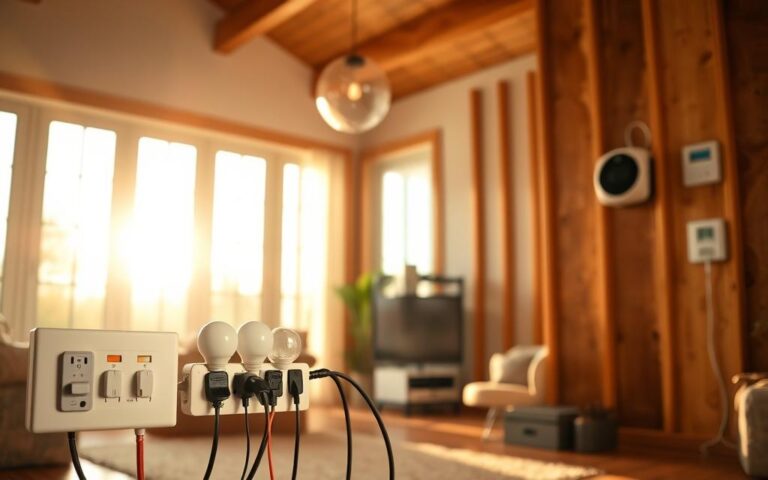
Standby mode devices continuously draw electricity even when seemingly turned off. These phantom loads can account for 5-10% of residential energy consumption.
- Television sets in standby mode
- Cable boxes and gaming consoles
- Phone and laptop chargers
- Kitchen appliances like coffee makers
Inefficient Heating and Cooling Patterns
Household comfort often comes at the cost of energy waste. Improper temperature management can dramatically increase electricity usage.
| Inefficient Practice | Energy Waste Percentage |
|---|---|
| Heating/Cooling Empty Rooms | 15-20% |
| Extreme Thermostat Settings | 10-15% |
| Leaving Windows Open During HVAC Operation | 25-30% |
Outdated Appliances: The Silent Energy Guzzlers
Older appliances can consume two to three times more energy compared to modern Energy Star-rated models. Refrigerators, water heaters, and HVAC systems older than 10-15 years represent significant power consumption opportunities for improvement.
- Replace appliances over a decade old
- Look for Energy Star certification
- Consider energy efficiency ratings
Implementing these strategies can help reduce hidden energy drains and create a more sustainable home environment.
Smart Thermostat Strategies for Year-Round Savings
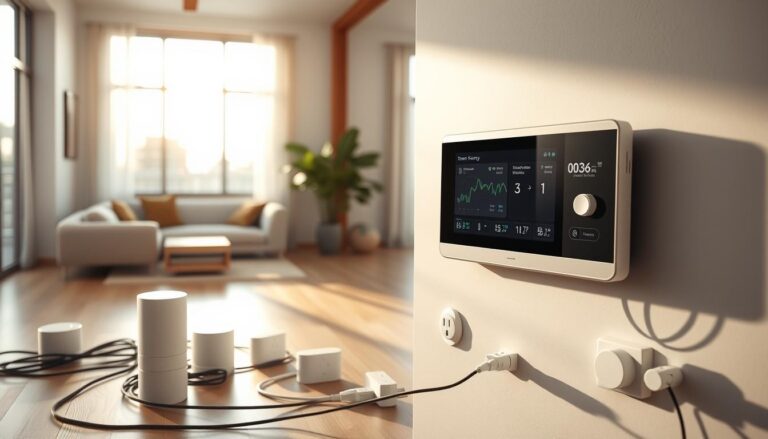
Smart home technology has revolutionized HVAC efficiency, giving homeowners unprecedented control over energy costs. Modern smart thermostats learn household patterns, automatically adjusting temperatures to maximize comfort and minimize waste.
Implementing strategic temperature management can significantly reduce utility expenses. The key strategies include:
- Setting winter temperatures to 68°F when home and awake
- Lowering temperatures to 60-62°F during sleep or away
- Maintaining summer temperatures around 78°F when occupied
Intelligent thermostat programming offers substantial benefits. Each degree of temperature adjustment can save between 1-3% on heating and cooling expenses. Zoning strategies for multi-story homes further enhance HVAC efficiency by creating customized temperature zones.
| Season | Occupied Temperature | Unoccupied Temperature | Potential Savings |
|---|---|---|---|
| Winter | 68°F | 60-62°F | Up to 10% |
| Summer | 78°F | 82-85°F | Up to 8% |
Regular maintenance plays a crucial role in optimizing smart home technology. Changing HVAC filters every 1-3 months ensures system efficiency and prevents unnecessary energy consumption.
Pro tip: Gradually adjust temperatures instead of making extreme changes. This approach prevents system strain and maintains consistent energy costs.
Optimizing Your Lighting Without Compromising Ambiance
Lighting plays a crucial role in creating an eco-friendly home while managing energy consumption. Modern lighting solutions have revolutionized how we illuminate our living spaces, offering remarkable energy saving tips that enhance both efficiency and atmosphere.
The right lighting strategy can dramatically reduce electricity usage without sacrificing the comfort of your home environment. LED technology has become a game-changer in residential lighting, providing homeowners with intelligent options to minimize energy consumption.
LED Technology and Dimming Solutions
LED bulbs represent a significant breakthrough in energy-efficient lighting. These innovative bulbs offer multiple advantages:
- Use 75% less energy compared to traditional incandescent bulbs
- Provide longer lifespan – up to 25 times more durable
- Available in warm color temperatures mimicking traditional lighting
Smart dimming solutions from brands like Lutron and Leviton enable precise control over lighting levels. Homeowners can now adjust brightness to match specific activities and moods while conserving electricity.
Natural Light Maximization Techniques
Maximizing natural light is another critical strategy for an energy-efficient home. Consider these practical approaches:
- Place mirrors strategically to reflect and distribute sunlight
- Use light-colored window treatments
- Keep windows clean for maximum light penetration
- Trim exterior vegetation blocking natural illumination
By implementing these energy saving tips, you can create a well-lit, comfortable living space that minimizes electricity consumption through smart LED technology and natural light optimization.
Smart Energy Habits That Transform Your Home’s Efficiency
Transforming your home’s energy efficiency doesn’t require radical changes. Small, strategic adjustments in daily green living habits can dramatically reduce energy consumption and lower utility bills.
“Every small action counts in sustainable living” – Energy Conservation Experts
Implementing smart energy conservation strategies becomes effortless when you understand their cumulative impact. Households can potentially reduce energy consumption by 15-25% through mindful practices.
- Unplug electronics when not in use
- Use smart power strips to eliminate phantom loads
- Close doors to unused rooms
- Adjust vents in unoccupied spaces
Kitchen and laundry habits play a crucial role in sustainable living. Simple modifications can yield significant energy savings:
| Action | Energy Savings |
|---|---|
| Wash clothes in cold water | Up to 90% energy reduction |
| Use lids while cooking | Reduces cooking time and energy |
| Run full dishwasher loads | Maximizes efficiency |
Appliance management is another key aspect of green living habits. Maintaining proper temperatures in refrigerators and freezers, cleaning coils regularly, and using energy-efficient cooking methods can substantially decrease household energy consumption.
By integrating these practices, you’re not just saving money—you’re contributing to broader energy conservation efforts and environmental sustainability.
Water Heating Efficiency: Small Changes with Big Impact
Water heating typically represents a significant portion of household energy costs. Homeowners can dramatically reduce their utility bills by implementing strategic changes to their water heating systems. Understanding how to optimize water temperature and improve insulation can lead to substantial savings on energy costs.
Temperature Settings That Save Money
Most water heaters come preset at 140°F, but experts recommend lowering the temperature to 120°F. This simple adjustment can help lower electricity bills by 6-10% while still providing comfortable hot water. Key benefits include:
- Reduced risk of scalding
- Lower energy consumption
- Decreased wear on plumbing fixtures
Insulation and Timer Optimization
Maximizing water heating efficiency goes beyond temperature settings. Strategic insulation and smart timing can further reduce energy expenses.
| Efficiency Method | Potential Savings | Implementation Difficulty |
|---|---|---|
| Water Heater Blanket | 7-16% annually | Low |
| Pipe Insulation | 3-4% on heating costs | Medium |
| Installation of Timer | 5-10% energy reduction | Medium |
Consider these additional strategies to improve water heating efficiency:
- Install heat traps on water heater pipes
- Use low-flow fixtures to reduce hot water consumption
- Position water heaters closer to frequently used areas
Proactive maintenance and smart choices can transform your water heating system from an energy drain to an efficient household component.
Window Treatments and Insulation for Climate Control
Windows play a critical role in home insulation and energy efficiency. They can account for up to 30% of heating and cooling energy consumption, making them a key focus for thermal comfort optimization.
Strategic window treatments can significantly reduce energy costs while maintaining a comfortable indoor environment. Homeowners have several effective options to improve home insulation:
- Cellular shades: Trap air in honeycomb-like pockets, providing excellent thermal protection with R-values ranging from 2-5
- Thermal curtains with insulating liners can reduce heat loss by up to 25%
- Exterior solutions like awnings and solar screens block heat before entering the home
Implementing smart window treatment strategies can dramatically enhance energy efficiency. During winter nights, close curtains to retain heat. In summer, use light-colored treatments to reflect solar radiation and keep interiors cool.
Beyond window treatments, comprehensive home insulation requires additional measures:
- Weatherstrip doors and windows to eliminate drafts
- Caulk gaps and cracks in the building envelope
- Add insulation to attics, which can prevent 25-30% of heat loss
- Insulate basement rim joists
- Ensure proper attic ventilation to reduce cooling loads
Window films offer another innovative solution, blocking UV rays and reducing heat gain without compromising natural light. For long-term energy efficiency, consider upgrading to double or triple-pane windows with low-E coatings.
Appliance Usage Timing and Load Management
Energy monitoring has become a critical strategy for homeowners looking to optimize their electricity usage and reduce costs. Understanding peak energy consumption patterns can transform how we approach daily household activities.
Modern households can significantly cut electricity costs by strategically timing their appliance usage. Utility companies often implement time-of-use (TOU) rate structures that vary electricity prices throughout the day.
Peak vs Off-Peak Energy Consumption
Electricity rates fluctuate based on grid demand. Peak periods typically occur during weekday afternoons and early evenings, when most households consume maximum power. Conversely, off-peak hours—usually late nights and weekends—offer lower rates.
- Peak hours: Highest electricity rates (weekday afternoons)
- Off-peak hours: Lowest electricity rates (nights and weekends)
- Potential bill reduction: 20-40% by shifting usage
Smart Scheduling for Major Appliances
Implementing smart scheduling can dramatically reduce electricity usage without sacrificing comfort. Modern appliances offer delay-start functions that enable precise energy management.
- Run dishwashers during late evening hours
- Schedule washing machines for early morning
- Charge electric vehicles overnight
- Use smart plugs to automate appliance timing
“Smart energy management is about working smarter, not harder.” – Energy Efficiency Expert
Energy monitoring tools from brands like Sense and Emporia can help track consumption patterns, enabling more precise load management strategies. By understanding and adapting to electricity usage rhythms, homeowners can achieve substantial savings.
Creating a Sustainable Energy Mindset for Your Household
Transforming your home’s energy consumption starts with developing a comprehensive sustainable living approach. Green living habits are not just about implementing technical solutions but creating a holistic cultural shift within your household.
To build an effective energy conservation strategy, consider these key approaches:
- Develop shared energy awareness among all household members
- Create engaging educational opportunities about energy use
- Understand the broader environmental impact of energy consumption
- Set realistic and measurable energy efficiency goals
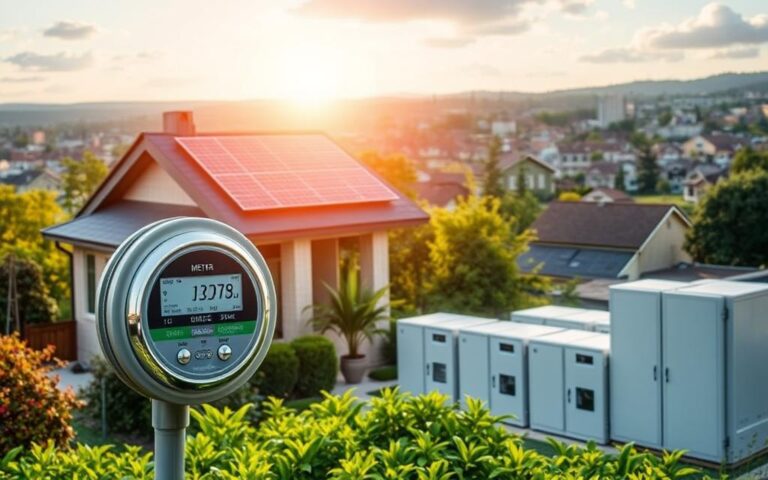
Tracking your energy usage becomes critical in sustainable living. Modern technology offers multiple tools to help families monitor and reduce their energy footprint. Smart meters, energy monitoring apps, and household energy audit checklists provide valuable insights into consumption patterns.
Psychological barriers often prevent meaningful energy conservation. Recognize common challenges like the “rebound effect” where efficiency improvements might accidentally increase usage. By maintaining awareness and implementing strategic approaches, families can overcome these obstacles.
Financial considerations play a significant role in energy conservation. When purchasing appliances or home systems, evaluate lifetime operating costs rather than just initial price. Look for energy-efficient models with strong performance ratings that align with your household’s sustainability goals.
- Research utility rebate programs
- Explore tax credits for efficiency improvements
- Stay informed about emerging green technologies
Sustainable living is a continuous journey of learning, adaptation, and commitment. By cultivating an energy-conscious mindset, households can significantly reduce their environmental impact while enjoying economic benefits.
Conclusion
Smart energy habits represent more than just a strategy to reduce energy consumption—they are a transformative approach to home management. By implementing targeted techniques across lighting, heating, cooling, and appliance usage, homeowners can significantly lower electricity bills without compromising comfort.
The journey toward an energy-efficient home does not require radical changes. Start with simple, achievable modifications like adjusting thermostat settings, utilizing LED lighting, and being mindful of phantom power drain. Each small step contributes to substantial long-term savings and environmental benefits.
Technology and awareness are powerful allies in creating a sustainable household. Smart thermostats, efficient appliances, and strategic energy management can help American families cut energy expenses by up to 40%. The key is gradual, intentional implementation—select one or two strategies that align with your lifestyle and gradually expand your energy-saving toolkit.
Remember that smart energy habits are an ongoing process. As technology evolves and home needs change, continue exploring new ways to optimize your energy consumption. Your commitment to efficiency not only benefits your wallet but also supports broader environmental sustainability efforts.
FAQ
What are the most significant hidden energy drains in a typical home?
The most significant hidden energy drains include phantom power from devices in standby mode, inefficient heating and cooling patterns, and outdated appliances. Electronics like televisions, cable boxes, phone chargers, and gaming consoles continue to draw power even when turned off, potentially accounting for 5-10% of residential electricity use.
How much can I save by switching to LED lighting?
LED bulbs use approximately 75% less energy than traditional incandescent bulbs and last up to 25 times longer. By replacing your home’s most frequently used light fixtures with LEDs, you can potentially reduce lighting energy consumption significantly while maintaining the same quality of illumination.
What is the optimal temperature setting for my water heater?
The recommended temperature setting is 120°F, which reduces energy consumption by 6-10% compared to the standard 140°F factory setting. This temperature provides comfortably hot water while minimizing energy waste and reducing the risk of scalding.
How can smart thermostats help reduce energy consumption?
Smart thermostats like Nest and Ecobee learn your household patterns and automatically adjust temperatures for optimal efficiency. They can help you save by programming different temperatures for when you’re home, asleep, or away, potentially reducing heating and cooling costs by 10-15%.
What are time-of-use energy rates?
Time-of-use (TOU) rates are electricity pricing structures where energy costs vary throughout the day based on grid demand. Peak periods typically have higher rates, while off-peak times (like nights and weekends) offer lower prices. By shifting energy-intensive activities to off-peak hours, households can reduce electricity bills by 20-40%.
How effective are window treatments for energy efficiency?
Window treatments can significantly impact home energy efficiency, potentially reducing heat loss by up to 25%. Cellular shades, thermal curtains, and strategic use of window coverings can trap air, block heat transfer, and help maintain comfortable indoor temperatures while reducing HVAC workload.
What percentage of home energy is typically used for heating and cooling?
Heating and cooling account for approximately 50% of the average American home’s energy consumption. This makes it the largest energy expense and the most critical area for implementing energy-saving strategies.
How can I reduce phantom power consumption?
To reduce phantom power, use smart power strips that completely cut electricity to devices when not in use, unplug electronics and chargers when not actively charging, and choose Energy Star-rated appliances that have lower standby power consumption.
What is the benefit of running full loads in appliances?
Running full loads in dishwashers and washing machines reduces the number of cycles, saving energy, water, and detergent. This simple habit can significantly decrease your overall energy consumption and utility costs.
How often should I maintain my HVAC system?
It’s recommended to service your HVAC system annually and change filters every 1-3 months. Regular maintenance ensures optimal efficiency, reduces energy consumption, and prevents potential system breakdowns.