
Did you know that the average American household wastes approximately 30% of their energy consumption through inefficient practices? Smart energy dashboards are revolutionizing how homeowners understand and control their electricity usage, transforming complex energy data into actionable insights.
A home energy management system is no longer a luxury but a necessity in today’s digital age. The energy monitoring system provides real-time tracking and visualization of electricity consumption, empowering homeowners to make informed decisions about their energy use.
Modern smart energy dashboards bridge the gap between passive consumption and proactive energy management. These innovative platforms offer comprehensive insights into household electricity patterns, helping families reduce waste and lower utility bills.
By integrating advanced technology with user-friendly interfaces, smart energy dashboards simplify complex energy data. Homeowners can now track their consumption, identify inefficiencies, and take strategic steps toward more sustainable living with unprecedented ease.
As electricity costs continue to rise and environmental consciousness grows, these digital tools represent a critical solution for households seeking greater control over their energy expenditure. The future of home energy management is here, and it’s more accessible than ever before.
Understanding Modern Home Energy Challenges
American homeowners face unprecedented challenges in managing home energy consumption. The landscape of electricity costs continues to evolve, creating complex financial and environmental considerations for families across the United States.
Rising Electricity Costs and Consumer Impact
Energy bills have become increasingly unpredictable. Recent data from the U.S. Energy Information Administration reveals significant variations in electricity rates across different regions. Homeowners are experiencing substantial financial pressure due to fluctuating energy prices.
- Average residential electricity rates increased by 4.3% in 2022
- Peak season electricity costs can spike up to 50% higher
- Urban areas experience more significant price volatility
The Complexity of Traditional Energy Monitoring
Traditional energy monitoring methods rely on monthly utility bills, which provide limited insights. These retrospective reports fail to offer real-time energy data or device-level consumption details, leaving homeowners in the dark about their actual energy usage patterns.
| Monitoring Method | Information Provided | Limitations |
|---|---|---|
| Monthly Utility Bill | Total Energy Consumption | No Real-Time Tracking |
| Manual Meter Reading | Aggregate Usage | No Device-Level Insights |
Why Real-Time Data Matters for Homeowners
Real-time energy monitoring transforms how families understand and manage their electricity consumption. By providing immediate, granular insights, homeowners can make informed decisions about their energy usage, potentially reducing bills and environmental impact.
Knowledge is power—especially when it comes to understanding your home’s energy consumption.
What Is a Smart Energy Dashboard
A smart energy dashboard represents a cutting-edge digital interface designed to transform how homeowners understand and manage their electricity consumption. This innovative energy management system goes beyond traditional energy monitoring by providing comprehensive insights into home energy use through intuitive visual displays.
At its core, a home energy monitor powered by a smart energy dashboard does much more than simply track electricity usage. These advanced systems collect real-time data from specialized sensors installed at your electrical panel, capturing intricate details about power consumption across different circuits and appliances.
- Captures real-time electrical consumption data
- Translates complex energy metrics into user-friendly visualizations
- Provides detailed insights into household energy patterns
- Enables proactive energy management strategies
Modern smart energy dashboards leverage sophisticated technologies like machine learning and cloud computing to analyze electrical signatures. This allows the system to distinguish between different appliances, offering unprecedented granularity in understanding home energy dynamics.
The evolution from basic energy monitors to intelligent dashboards represents a significant leap in home energy management. Homeowners can now access detailed reports, receive automated alerts about unusual consumption, and make data-driven decisions to optimize their energy efficiency.
Key Features That Make Energy Dashboards Effective
Smart energy dashboards transform how homeowners understand and manage their electricity consumption. These advanced tools go beyond simple meter readings, offering comprehensive insights into energy use through sophisticated tracking and analysis technologies.
Modern energy dashboards provide powerful capabilities that empower users to make informed decisions about their household energy consumption. These platforms leverage cutting-edge technology to deliver unprecedented visibility into energy patterns.
Real-Time Energy Consumption Tracking
Real-time energy tracking allows homeowners to monitor electricity usage instantaneously. This feature provides immediate feedback, enabling users to understand the precise energy consumption of different devices and activities as they happen.
- Instant power measurement updates
- Immediate visibility of energy impact
- Encourages energy-conscious behavior
Device-Level Energy Breakdown
Energy consumption monitoring becomes significantly more powerful with device-level tracking. Advanced dashboards use sophisticated algorithms to identify and analyze individual appliance energy usage.
| Device | Average Daily Energy Use | Potential Savings |
|---|---|---|
| Refrigerator | 4-5 kWh | $70-90/year |
| Air Conditioner | 15-20 kWh | $200-300/year |
| Water Heater | 8-10 kWh | $100-150/year |
Historical Data Analysis and Trends
Historical energy data provides deep insights into long-term consumption patterns. Users can track seasonal variations, compare current usage with past periods, and identify potential areas for energy efficiency improvements.
- Analyze energy trends across weeks, months, and years
- Detect anomalies in device energy usage
- Compare historical consumption patterns
By integrating these key features, smart energy dashboards revolutionize how homeowners understand and optimize their electricity consumption, leading to potential significant cost savings and environmental benefits.
How Smart Energy Dashboards Connect to Your Home
Smart energy dashboards transform how homeowners understand their electricity consumption through advanced energy monitoring hardware. These innovative systems create a comprehensive home energy network by connecting directly to your electrical panel, providing real-time insights into power usage.
The connection process involves several key methods of electrical panel monitoring:
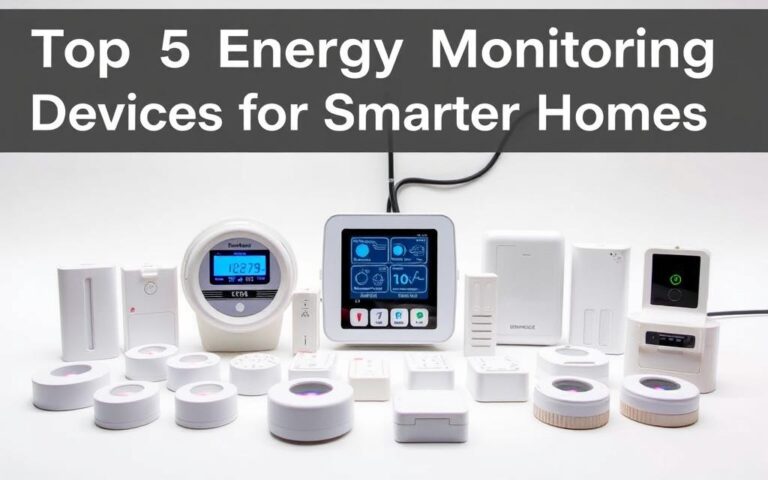
- Whole-home monitors that install directly at the main electrical service
- Current transformers (CTs) that clamp around primary service wires
- Circuit-level sensors tracking individual electrical circuits
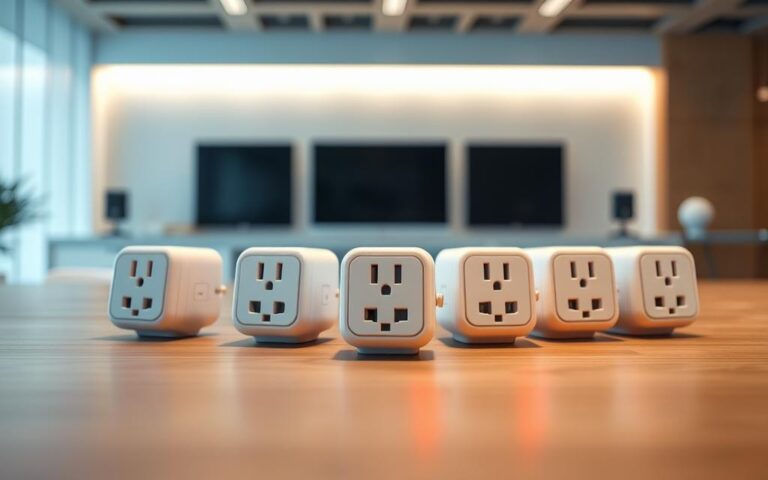
- Plug-level monitors for specific device tracking
Smart meter technology plays a crucial role in this connectivity. Modern dashboards can integrate seamlessly with utility-provided smart meters or use dedicated hardware to capture detailed energy consumption data. The communication typically happens through:
- WiFi networks
- Dedicated communication hubs
- Direct utility meter integrations
Most homeowners can choose between cloud-based and local data storage solutions. Cloud platforms offer remote access and advanced analytics, while local storage provides enhanced privacy and potentially faster processing.
Installation complexity varies. Some energy monitoring systems require professional electrician setup, especially for complex electrical panel configurations. Others are designed for straightforward DIY installation, making home energy tracking accessible to more households.
Visualizing Your Energy Usage Patterns
Smart energy dashboards transform complex energy data into easy-to-understand visual representations. These innovative tools provide homeowners with powerful insights into their energy consumption visualization, making it simple to track and analyze energy usage patterns.
Understanding your home’s energy analytics requires more than raw numbers. Visual tools break down intricate energy consumption data into meaningful graphics that anyone can interpret.
Interactive Charts That Tell Your Energy Story
Modern energy dashboards offer multiple visualization options to help you understand your energy consumption:
- Real-time power gauges showing current electricity draw
- Line graphs displaying usage trends over hours or days
- Bar charts comparing consumption across different periods
- Pie charts breaking down energy use by device or circuit
Identifying Peak Energy Usage Moments
Peak energy usage tracking helps you pinpoint exactly when your home consumes the most electricity. These insights reveal:
- Times of highest energy demand
- Specific appliances driving maximum consumption
- Potential opportunities for energy cost reduction
- Seasonal variations in electricity use
By transforming raw data into intuitive visual formats, energy dashboards empower homeowners to make smart, informed decisions about their electricity consumption.
Setting Energy Goals and Tracking Progress
Smart energy dashboards transform home energy management by empowering homeowners to set and achieve meaningful energy savings goals. These innovative tools go beyond simple monitoring, providing a comprehensive approach to consumption tracking and energy efficiency goals.
Effective dashboards enable users to establish precise energy reduction targets through multiple strategies:
- Percentage-based consumption reductions
- Kilowatt-hour (kWh) limit setting
- Budget-driven energy spending targets
The power of these dashboards lies in their ability to provide real-time feedback. Visual indicators such as progress bars and color-coded status alerts keep homeowners informed about their energy consumption patterns. Much like fitness trackers motivate physical activity, energy dashboards inspire sustained behavior change.
| Goal Type | Tracking Method | Motivation Impact |
|---|---|---|
| Percentage Reduction | Comparative Monthly Analysis | High Engagement |
| Budget Limit | Real-Time Cost Tracking | Financial Incentive |
| kWh Consumption | Detailed Energy Breakdown | Precision Targeting |
Automated alerts notify users when energy consumption exceeds predetermined thresholds, enabling immediate corrective action. By benchmarking household energy use against similar homes, these dashboards provide context and motivation for improving energy efficiency.
Tracking progress isn’t just about numbers—it’s about understanding and transforming your home’s energy ecosystem.
Integration With Smart Home Devices and Systems
Smart home integration represents the next frontier of energy management, transforming how homeowners interact with their power consumption. Modern energy dashboards now serve as central command centers, connecting multiple devices and systems to create a comprehensive energy ecosystem.
Smart energy dashboards bridge the gap between various home technologies, enabling seamless communication and optimization across different energy platforms. This interconnected approach allows for more intelligent and responsive home energy management.
Solar Panel Monitoring and Battery Storage Systems
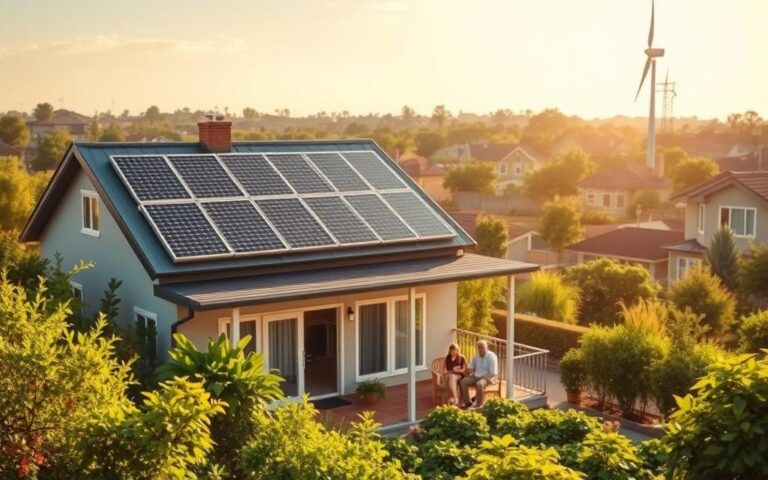
Advanced dashboards now offer sophisticated solar panel monitoring capabilities, providing real-time insights into renewable energy production. Homeowners can track critical metrics such as:
- Current solar energy generation
- Energy exported to the grid
- Battery storage system charge levels
- Net energy consumption
Battery storage systems integrated with smart dashboards enable precise energy management. Users can optimize when to store solar energy, understand backup power capacity, and maximize self-consumption of renewable resources.
Smart Thermostat and Connected Appliance Integration
Connected appliances and smart thermostats now communicate directly with energy dashboards, offering unprecedented control and efficiency. These integrations allow for:
- Detailed HVAC energy consumption tracking
- Automated temperature adjustments
- Remote control of smart plugs
- Individual appliance energy reporting
The result is a dynamic energy management system that adapts to household needs while minimizing waste and reducing overall energy costs.
Cost Savings Through Dashboard-Driven Insights
Smart energy dashboards unlock significant potential for energy cost savings, transforming how homeowners understand and manage their electricity consumption. By providing real-time insights, these innovative tools help users reduce energy bills with unprecedented precision.
Typical households can achieve impressive energy efficiency savings ranging from 10-20% simply by understanding their consumption patterns. The dashboard acts as a financial detective, uncovering hidden energy waste and opportunities for lower electricity costs.
- Identify vampire loads from devices in standby mode
- Discover inefficient appliances consuming excessive energy
- Optimize HVAC usage patterns for maximum efficiency
- Shift energy consumption to off-peak rate periods
Real-world examples demonstrate the dashboard’s power. An old refrigerator in the garage might be costing $15 monthly, while a pool pump running on default settings could consume 30% more energy than necessary. By visualizing these costs, homeowners can make informed decisions about energy investments.
Dashboards provide long-term value by preventing energy waste and sustaining efficiency habits. The initial investment pays for itself multiple times through continuous energy cost reductions, making it a smart financial strategy for modern homeowners.
Choosing the Right Energy Dashboard for Your Home
Selecting the perfect energy dashboard requires careful consideration of your specific home energy management needs. The right energy monitor comparison can help you make an informed decision that maximizes both functionality and user experience.
Homeowners today have multiple options when exploring energy dashboard apps. The market offers two primary approaches to tracking home energy consumption:
Standalone Monitors vs Utility Energy Programs
- Standalone MonitorsProvide detailed device-level energy tracking
- Offer independent data analysis
- Allow more customized insights
- Utility-Provided SolutionsOften free or low-cost
- No additional hardware installation
- Integrated with existing utility infrastructure
Mobile App Capabilities and User Interface
The effectiveness of an energy dashboard hinges on its user-friendly interface. When evaluating energy dashboard apps, consider these critical factors:
- Intuitive navigation
- Real-time data visualization
- Customizable reporting
- Cross-device compatibility
Ultimately, the best energy monitoring solution is one that you’ll actually use consistently. Look for apps with clear graphics, responsive performance, and actionable insights that make energy management simple and engaging.
Installation and Setup Considerations
Setting up a smart energy dashboard requires careful planning and understanding of your home’s electrical system. The dashboard installation process varies depending on the type of energy monitor you choose, with options ranging from professional installation to DIY energy monitor solutions.
Homeowners have two primary installation approaches:
- Professional Installation: Recommended for complex whole-home monitoring systems
- DIY Setup: Suitable for plug-level monitors and simpler energy tracking devices
The setup process typically involves several key steps:
- Assessing your electrical panel configuration
- Determining monitor compatibility
- Selecting optimal sensor placement
- Configuring network connectivity
| Installation Type | Complexity | Time Required | Skill Level |
|---|---|---|---|
| Professional Installation | High | 1-2 hours | Electrician Required |
| DIY Energy Monitor | Low | 30-60 minutes | Basic Technical Skills |
When planning your dashboard installation, consider WiFi connectivity, electrical panel type, and potential integration with solar systems or backup generators. Most systems require a brief calibration period to accurately learn and track your household’s energy consumption patterns.
Pro Tip: Always consult manufacturer guidelines and consider professional assistance if you’re uncertain about electrical work.
Environmental Benefits of Energy Awareness
Smart energy dashboards are powerful tools for carbon footprint reduction, offering more than just financial savings. These innovative technologies transform how homeowners understand and manage their energy consumption, creating significant environmental impact.
Residential energy use contributes substantially to national greenhouse gas emissions. By leveraging sustainable energy use principles, smart dashboards help individuals make informed decisions that collectively reduce environmental strain.
- Reduce peak energy demand by identifying high-consumption periods
- Highlight opportunities for energy conservation
- Provide real-time insights into household energy patterns
The cumulative effect of dashboard-driven energy awareness is profound. Typical households can decrease their carbon emissions by 10-15% through mindful consumption tracking.
| Energy Reduction Impact | Environmental Equivalent |
|---|---|
| 10% Home Energy Reduction | Equivalent to planting 15 trees annually |
| 15% Energy Conservation | Removes CO2 equal to driving 1,200 fewer miles |
By promoting awareness and enabling smarter energy choices, these dashboards support broader sustainability goals, transforming individual actions into meaningful environmental progress.
Conclusion
Smart energy dashboards represent a transformative approach to home energy management. These innovative tools bridge the gap between complex energy consumption data and actionable insights for homeowners. By providing real-time tracking and comprehensive visualizations, energy efficiency becomes accessible and engaging.
The technology offers more than just numbers. A smart energy dashboard enables households to understand their energy patterns, identify potential savings, and make informed decisions about power usage. This empowerment translates into tangible benefits: reduced electricity bills, minimized environmental impact, and increased awareness of personal energy consumption habits.
Investing in a home energy management system is no longer a luxury but a practical strategy for modern households. As energy technologies continue to evolve, these dashboards will become increasingly sophisticated, offering deeper insights and more seamless integration with smart home ecosystems. Homeowners who embrace these tools today are positioning themselves at the forefront of sustainable and cost-effective energy consumption.
The journey toward energy efficiency begins with visibility. Smart energy dashboards provide the lens through which consumers can transform their relationship with electricity, turning abstract data into meaningful action. As technology advances, these systems will play a crucial role in helping American homes become more environmentally responsible and economically smart.
FAQ
What is a smart energy dashboard?
A smart energy dashboard is a digital interface that provides real-time monitoring and detailed insights into a home’s electricity consumption. It uses hardware sensors and advanced software to transform complex energy data into easy-to-understand visualizations, helping homeowners track their energy usage, identify consumption patterns, and make informed decisions about energy efficiency.
How can a smart energy dashboard help me save money?
Smart energy dashboards can help you save money by providing detailed insights into your energy consumption. They typically help homeowners reduce energy costs by 10-20% through features like real-time tracking, device-level energy breakdown, peak usage identification, and personalized efficiency recommendations. By understanding which appliances consume the most electricity and when, you can make targeted changes to reduce your monthly utility bills.
Do I need professional installation for a smart energy dashboard?
Installation requirements vary depending on the system. Some plug-level monitors can be easily installed by homeowners, while whole-home monitoring systems that integrate with your electrical panel might require professional electrician installation. The setup time typically ranges from 30 minutes to 2 hours, depending on the complexity of the system and your home’s electrical configuration.
Are smart energy dashboards compatible with solar panels?
Yes, many smart energy dashboards are specifically designed to integrate with solar panel systems. They can monitor solar energy production in real-time, track how much solar energy is being used immediately versus exported to the grid, and help homeowners optimize their renewable energy consumption and battery storage strategies.
What kind of devices can I monitor with a smart energy dashboard?
Smart energy dashboards can monitor a wide range of devices, including HVAC systems, refrigerators, water heaters, lighting, entertainment centers, and individual appliances. Advanced systems use disaggregation technology to identify and track energy consumption of specific devices, even providing insights into their efficiency and potential replacement recommendations.
Can I set energy-saving goals with a smart energy dashboard?
Absolutely! Most smart energy dashboards offer goal-setting and progress-tracking features. You can establish specific energy reduction targets, such as percentage-based consumption reductions or budget-based limits. The dashboard will provide ongoing feedback, visual indicators, and alerts to help you stay accountable and motivated in achieving your energy efficiency objectives.
How do smart energy dashboards contribute to environmental sustainability?
Smart energy dashboards contribute to environmental sustainability by helping homeowners reduce their overall energy consumption. By providing visibility into energy usage, these systems encourage more conscious energy consumption, which can translate to reduced greenhouse gas emissions. They support grid stability, complement renewable energy adoption, and help individuals take meaningful steps toward reducing their carbon footprint.
What should I consider when choosing a smart energy dashboard?
When selecting a smart energy dashboard, consider factors like installation requirements, mobile app capabilities, user interface, data granularity, compatibility with your home’s electrical system, and integration with other smart home devices. Compare standalone monitors with utility-provided solutions, and look for a system that offers detailed insights, ease of use, and aligns with your specific energy management goals.