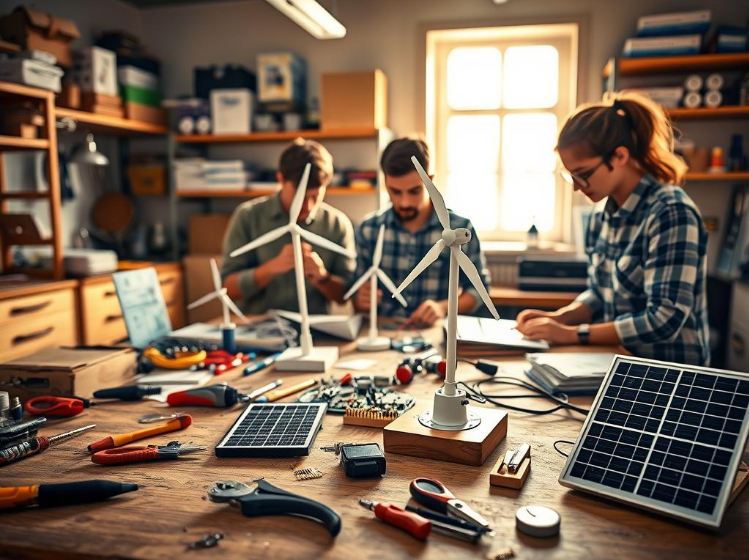

Did you know that the average American household discards nearly 68 pounds of electronic waste annually? This staggering statistic reveals an incredible opportunity for recycled DIY renewable energy solutions that can transform waste into powerful sustainable energy systems.
Upcycled energy solutions are revolutionizing how everyday people approach power generation. By repurposing materials that would typically end up in landfills, homeowners can create innovative renewable energy projects with minimal financial investment.
These sustainable DIY projects offer more than just environmental benefits. They empower individuals to reduce electricity costs, decrease carbon footprints, and develop practical skills in energy independence. From solar water heaters to wind turbines, creative recycling can unlock remarkable potential for home energy production.
The journey into recycled DIY renewable energy doesn’t require advanced technical expertise. With basic tools, safety awareness, and a willingness to learn, anyone can turn discarded components into functional power-generating systems that make a meaningful impact on personal energy consumption.
This guide will explore various project types, providing step-by-step insights into transforming everyday materials into renewable energy sources that are both environmentally conscious and economically smart.
Understanding the Power of Recycled DIY Renewable Energy
Eco-friendly DIY power represents a revolutionary approach to sustainable energy production. Reclaimed materials energy transforms waste into valuable resources, offering innovative solutions for home renewable energy projects. By reimagining discarded components, individuals can create powerful energy systems that reduce environmental impact and cut costs.
DIY enthusiasts are discovering the incredible potential of waste-to-energy projects that turn seemingly unusable materials into powerful energy sources. The key lies in understanding how different materials can be repurposed for renewable energy applications.
What Makes Recycled Materials Ideal for Energy Projects
Certain materials excel in renewable energy applications due to their unique properties:
- Metals like copper and aluminum retain exceptional conductivity
- Glass maintains heat-resistant characteristics
- Electronic components often remain functional long after original device failure
- Steel and aluminum provide durable structural support
Environmental and Economic Benefits of Upcycling for Energy
Every piece of recycled material is a step toward a more sustainable future.
The economic advantages of using reclaimed materials for energy projects are substantial. Salvaged components can reduce project costs significantly while minimizing environmental waste.
| Material | Cost Savings | Carbon Reduction |
|---|---|---|
| Recycled Steel | 70-80% | 65% Lower Emissions |
| Salvaged Electronics | 60-75% | 50% Carbon Footprint Reduction |
| Repurposed Glass | 50-65% | 40% Waste Diversion |
Transforming waste into energy isn’t just an environmental statement—it’s a smart economic strategy that empowers individuals to take control of their energy production.
Essential Tools and Safety Considerations for Home Energy Projects
Embarking on homemade renewable systems requires careful preparation and a comprehensive understanding of DIY energy safety. The right tools and safety protocols are crucial for successful and secure energy projects.
Essential Toolkit for Renewable Energy Projects
Creating sustainable energy solutions demands a strategic approach to tool selection. Your core toolkit should include:
- Multimeter for electrical measurements
- Adjustable wrench set
- Power drill with various drill bits
- Safety glasses and protective gloves
- Voltage detector
- Wire strippers and cutters
Critical Safety Considerations
DIY energy safety goes beyond having the right equipment. Implementing robust safety protocols is paramount when working with electrical and mechanical systems.
- Electrical Safety: Always disconnect power sources before working on circuits
- Use proper grounding techniques
- Wear insulated protective gear
- Test circuits before connecting components
“Safety is not an accident. It’s a deliberate strategy in renewable energy projects.” – Energy Safety Expert
Homemade renewable systems require meticulous attention to detail. Invest time in understanding local building codes, electrical standards, and best practices for DIY energy projects. Prioritize personal safety and system reliability above all else.
Remember that professional-grade safety standards apply equally to homemade renewable systems. Take time to learn, prepare, and implement comprehensive safety measures before beginning any energy project.
Building a Solar Water Heater from Reclaimed Materials
DIY renewable energy enthusiasts can transform salvaged parts solar components into an efficient home heating system. Upcycled solar heating projects offer an affordable way to reduce energy costs while minimizing environmental impact.
Sourcing Recycled Components for Solar Heating Systems
Finding the right recycled solar components requires strategic searching. Key materials for your project include:
- Old water heater tanks for storage
- Copper piping from construction sites
- Tempered glass from discarded windows
- Scrap metal for collector box framing
Check local resources like Habitat for Humanity ReStores, online marketplaces, and salvage yards to find quality reclaimed materials. Inspect components carefully for structural integrity before beginning your upcycled solar heating project.
Step-by-Step Assembly and Installation Process
Constructing a solar water heater involves several crucial steps:
- Create an insulated collector box using salvaged plywood
- Arrange copper tubing in an efficient heat-absorption pattern
- Paint absorber elements matte black for maximum heat capture
- Seal glazing to create a greenhouse effect
- Connect the system to existing plumbing
Position your recycled solar components to maximize sun exposure, typically facing south at an angle matching your local latitude. This approach ensures optimal performance of your DIY solar water heating system.
Pro tip: Use a drain-back system or glycol solution to prevent freezing in colder climates.
Creating Wind Turbines Using Salvaged Parts and Household Items
DIY wind power offers an exciting opportunity for renewable energy enthusiasts to transform salvaged materials into functional wind energy systems. An upcycled wind turbine can be an affordable alternative to expensive commercial models, allowing homeowners to generate electricity using creativity and resourcefulness.
Building a reclaimed wind energy system requires strategic component selection and careful design. The key components for your DIY project include:
- Generator (salvaged from appliances like washing machines)
- Blades (fabricated from PVC pipes or recycled wood)
- Mounting structure (repurposed metal poles or pipes)
- Electrical control system
Wind turbine design demands precise engineering considerations. Blade length, pitch, and number directly impact power generation efficiency. Understanding your local wind resources helps determine the most appropriate turbine size and configuration.
| Component | Potential Salvaged Source | Estimated Cost |
|---|---|---|
| Generator | Automotive alternator | $0-$50 |
| Blades | PVC piping | $10-$30 |
| Tower | Recycled metal poles | $50-$100 |
Safety remains paramount when constructing DIY wind power systems. Proper grounding, secure mounting, and compliance with local building regulations are critical considerations for successful implementation.
Constructing Biogas Digesters from Repurposed Containers
Transforming waste into renewable energy becomes an exciting DIY project through biogas from recycled materials. Waste-to-energy DIY projects offer homeowners an innovative approach to managing organic waste while generating clean energy for household use.
Repurposed renewable energy systems like biogas digesters can turn everyday organic waste into valuable fuel. These sustainable solutions help reduce environmental impact while providing an alternative energy source for eco-conscious individuals.
Selecting Appropriate Recycled Containers
Choosing the right container is crucial for successful biogas production. Consider these key factors when selecting your digester container:
- Volume capacity matching your waste production
- Airtight construction capabilities
- Chemical resistance for anaerobic processes
- Structural integrity to withstand internal pressure
Optimizing Methane Production
Creating an efficient biogas system requires careful component selection and setup. Implement these strategies for maximizing methane output:
- Use recycled rubber gaskets for gas-tight seals
- Construct pipes from salvaged PVC materials
- Build pressure relief valves from repurposed components
- Insulate digesters with reclaimed foam or fiberglass
Typical household systems can produce 1-2 cubic meters of biogas daily, providing enough energy for cooking or small appliances. By carefully managing organic waste and maintaining optimal bacterial conditions, DIY enthusiasts can create a sustainable energy solution right in their backyard.
Designing Micro Hydroelectric Systems with Reclaimed Materials
Micro hydro DIY projects offer an innovative approach to generating renewable energy using water resources. Transforming flowing streams into electricity requires careful planning and creative use of recycled hydroelectric components.
Understanding the basics of upcycled water power begins with assessing your water resource. Key considerations include:
- Water flow rate (gallons per minute)
- Vertical drop (head height)
- Local water usage regulations
The power generation potential can be calculated using a simple formula: Power (watts) = Flow (gpm) × Head (feet) × 0.18 × System Efficiency. This calculation helps determine whether your water source can generate meaningful electricity.
| Turbine Type | Best For | Recycled Material Options |
|---|---|---|
| Pelton Wheel | High head, low flow | Repurposed spoons, metal cups |
| Turgo Turbine | Moderate head and flow | Salvaged metal discs |
| Propeller Turbine | Low head, high flow | Boat propellers, fan blades |
Critical components for your recycled hydroelectric system include:
- Generator (salvaged permanent magnet motors)
- Turbine runner (repurposed stainless steel bowls)
- Penstock pipe (reclaimed PVC or metal conduit)
- Intake screen (salvaged metal mesh)
Before implementing your micro hydro DIY project, research local water rights and environmental regulations. Ensure minimal impact on local ecosystems and obtain necessary permits to create a sustainable and legal upcycled water power system.
Building Solar Panel Frames and Mounts from Scrap Metal
Transforming scrap metal into solar panel frames represents an innovative approach to sustainable energy infrastructure. Recycled steel solar mounts offer budget-conscious homeowners an opportunity to dramatically reduce installation costs while repurposing metal waste.
Creating upcycled panel frames requires careful planning and strategic material selection. Salvage yards, construction sites, and industrial surplus locations provide excellent sources for high-quality scrap metal suitable for solar mounting systems.
Essential Materials for Scrap Metal Solar Frames
- Angle iron from demolished structures
- Steel tubing from industrial equipment
- Galvanized steel sheets
- Flat bar stock from machinery
Designing robust solar panel frames demands understanding structural requirements. Wind load calculations and regional weather conditions play crucial roles in determining frame strength and configuration.
Fabrication Techniques for Recycled Steel Mounts
- Clean and prepare scrap metal surfaces
- Remove rust and contaminants
- Select appropriate welding method
- Create strong, corrosion-resistant joints
- Apply rust-preventive primer
Welding techniques vary depending on available equipment. Stick welding works best for outdoor structural work, while MIG welding suits thinner materials. Alternatives like bolted connections and riveting provide options for those without welding skills.
Repurposing scrap metal for solar mounts reduces waste and cuts installation expenses by up to 30%.
Proper surface treatment ensures the longevity of upcycled panel frames. Rust-resistant primers and protective coatings shield recycled steel solar mounts from environmental degradation, extending their functional lifespan.
Crafting Battery Storage Solutions Using Upcycled Electronics
Creating a DIY battery bank from recycled electronics offers an innovative approach to upcycled battery storage. Renewable energy enthusiasts can transform discarded electronic devices into powerful energy storage solutions with careful planning and safety precautions.
When exploring recycled energy storage, understanding battery sources becomes critical. Potential donors for your DIY battery bank include:
- Laptop battery packs
- Power tool battery modules
- Electric bicycle batteries
- Uninterruptible power supply (UPS) units
Safety remains paramount when working with upcycled battery components. Always wear protective gear and follow strict handling protocols to prevent potential risks associated with battery disassembly.
| Battery Type | Energy Density | Recyclability |
|---|---|---|
| Lithium-Ion | High | Excellent |
| Lead-Acid | Moderate | Good |
| Nickel-Metal Hydride | Medium | Fair |
Proper testing of individual battery cells determines their suitability for your recycled energy storage project. Use a multimeter to check voltage and internal resistance, ensuring only functional cells are incorporated into your DIY battery bank.
Successful upcycled battery storage requires careful attention to battery management systems (BMS), proper connection techniques, and understanding different battery chemistries. Expect realistic performance, with well-managed recycled battery banks potentially providing 2-5 years of reliable service.
Developing Thermoelectric Generators from Salvaged Computer Parts
Transforming electronic waste into energy might sound like science fiction, but thermoelectric generators (TEGs) offer an innovative way to recycle computer components and generate electricity. Salvaged computer energy can be harnessed through clever engineering of thermoelectric recycled parts, creating small but useful power sources from discarded electronics.
Upcycled TEG systems provide an exciting opportunity for DIY enthusiasts to explore alternative energy generation. These systems convert heat directly into electrical energy using the Seebeck effect, making them perfect for experimental renewable energy projects.
Harvesting Peltier Modules from Old Electronics
Finding suitable thermoelectric components requires careful component selection. Look for Peltier modules in these common sources:
- Mini-refrigerators
- CPU cooling systems
- Portable electronic coolers
- Dehumidifier units
Wiring and Power Optimization Techniques
To maximize your salvaged computer energy potential, consider these wiring strategies:
- Connect modules in series to increase voltage
- Arrange in parallel configurations for higher current
- Use heat sinks to manage temperature differentials
- Implement voltage regulators for stable output
Practical applications for upcycled TEG systems include charging small devices, powering LED lights, and running low-power sensors in off-grid environments. The key to success lies in maximizing temperature differences between the hot and cold sides of the thermoelectric modules.
Pro tip: Always test Peltier modules before integrating them into your thermoelectric generator to ensure optimal performance.
Implementing Passive Solar Design with Recycled Windows and Mirrors
Passive solar design transforms recycled windows and mirrors into powerful energy-saving tools for sustainable home environments. By strategically using upcycled solar design, homeowners can dramatically reduce energy consumption without complex mechanical systems.
Reclaimed glass solar elements offer multiple innovative applications:
- Creating solar walls with salvaged windows
- Building sunspaces using recycled window frames
- Constructing solar closets for food dehydration
- Designing light-capturing clerestory window installations
Key strategies for implementing passive solar recycled windows include:
- Prioritize south-facing window orientations
- Use thermal mass materials like concrete or water containers
- Install reflective surfaces to maximize natural light
- Create insulating barriers for temperature regulation
| Recycled Material | Passive Solar Application | Energy Savings Potential |
|---|---|---|
| Single-pane windows | Solar wall construction | 30-50% heat reduction |
| Mirrors | Light redirection | 20-40% lighting efficiency |
| Window frames | Sunspace creation | 25-45% heating improvement |
Crafting effective passive solar designs requires careful material selection and strategic placement. Salvaged windows can become powerful energy-saving tools when integrated thoughtfully into home design.
Smart passive solar design turns recycled materials into sustainable energy solutions.
Maintaining and Troubleshooting Your Homemade Renewable Energy Systems
Successful renewable energy maintenance starts with proactive care and systematic monitoring. DIY system troubleshooting requires regular attention to keep your homemade energy solutions running efficiently. Understanding the unique needs of each renewable energy system will help extend its lifespan and maximize performance.
Different renewable energy systems demand specific maintenance approaches:
- Solar Systems: Quarterly cleaning removes efficiency-reducing debris
- Wind Turbines: Monthly visual inspections prevent mechanical failures
- Biogas Digesters: Weekly production monitoring ensures optimal performance
- Battery Storage: Monthly voltage checks prevent unexpected power interruptions
Effective homemade energy care involves developing a comprehensive maintenance strategy. Create a detailed log tracking system performance, identifying potential issues before they become critical problems.
| System Type | Maintenance Frequency | Key Inspection Points |
|---|---|---|
| Solar Panels | Quarterly | Cleaning, Connection Checks, Shading Analysis |
| Wind Turbines | Monthly | Blade Condition, Bearing Lubrication, Structural Integrity |
| Biogas Systems | Weekly/Monthly | Gas Production, pH Levels, Feedstock Quality |
Critical troubleshooting steps include systematic observation, precise measurements using specialized tools, and strategic component isolation. Always prioritize safety by disconnecting electrical systems before maintenance and recognizing when professional intervention becomes necessary.
Remember that preventative maintenance is key to sustaining your DIY renewable energy investments. Regular care helps minimize unexpected failures and ensures consistent energy production for your homemade system.
Conclusion
DIY renewable energy projects represent more than just a way to generate power. They are a transformative approach to sustainable living, blending creativity, environmental responsibility, and personal empowerment. Through green energy upcycling, individuals can turn discarded materials into functional energy systems that reduce waste and generate clean power.
The journey of DIY renewable empowerment begins with small steps. Whether you’re creating a solar water heater from salvaged components or building a wind turbine from repurposed parts, each project builds valuable skills and understanding. These hands-on experiences demystify renewable energy technologies, proving that sustainable solutions are accessible to everyone, not just large corporations or wealthy homeowners.
Challenges exist in this path—sourcing materials, developing technical skills, and managing ongoing maintenance require commitment. Yet the rewards far outweigh these obstacles. Cost savings, reduced environmental impact, and the profound satisfaction of creating functional systems from discarded materials make these projects incredibly worthwhile. Your DIY renewable energy efforts contribute to a broader sustainable energy future, one innovative project at a time.
As you move forward, connect with maker communities, document your progress, and continue learning. Every recycled component, every homemade energy system, represents a powerful statement about individual potential to drive positive environmental change. Your commitment to green energy upcycling is more than a personal project—it’s a meaningful contribution to global sustainability.
FAQ
What makes recycled materials suitable for renewable energy projects?
Recycled materials like metals, glass, and electronic components often retain structural integrity and functionality, making them ideal for renewable energy applications. Materials such as copper wiring, aluminum frames, steel barrels, and tempered glass can perform comparably to new materials at a fraction of the cost, while also reducing waste and preserving embodied energy.
How much can I save by using recycled materials in DIY renewable energy projects?
DIY renewable energy projects using recycled materials can reduce costs by 60-80% compared to commercial systems. By sourcing components from salvage yards, reuse centers, and scrap metal facilities, homeowners can significantly lower their investment while creating functional energy systems.
Are DIY renewable energy projects safe to build at home?
Safety is paramount in DIY renewable energy projects. Always use proper protective equipment, follow electrical and structural safety guidelines, and ensure your systems meet local building codes. If you’re unsure about any aspect of the project, consult with a professional electrician or renewable energy expert.
What tools do I need to start a DIY renewable energy project?
Basic tools include screwdrivers, wrenches, drills, saws, and measuring tools. Specialized equipment might include multimeters for electrical work, welding equipment for metal fabrication, and pipe cutters. Many tools can be borrowed or found at affordable prices in local hardware stores or tool-sharing communities.
Which renewable energy project is best for beginners?
A solar water heater is typically the most accessible project for beginners. It requires relatively simple components like old water heater tanks, copper piping, and salvaged glass panels. The project teaches fundamental skills in system design, thermal dynamics, and basic plumbing while providing immediate, practical benefits.
How much power can I generate with homemade renewable energy systems?
Power output varies depending on the project and local conditions. A small wind turbine might generate 400-1000 watts, a solar water heater can significantly reduce water heating costs, and a thermoelectric generator might produce enough power to charge small devices. Realistic expectations and proper design are key to successful DIY renewable energy projects.
Where can I find materials for these projects?
Excellent sources include Habitat for Humanity ReStores, scrap metal yards, appliance recycling facilities, online marketplaces like Craigslist, Facebook Marketplace, local salvage centers, construction sites, and community reuse networks. Always inspect materials carefully for structural integrity and suitability for your specific project.
Do I need special permits for DIY renewable energy installations?
Permit requirements vary by location. Check with your local building department about regulations for wind turbines, solar installations, and other energy projects. Some municipalities require permits for structures over certain heights or electrical modifications, so it’s crucial to research local guidelines before beginning your project.
How do I maintain my homemade renewable energy system?
Regular maintenance includes quarterly cleaning, annual inspections, checking electrical connections, monitoring performance, and addressing any signs of wear or reduced efficiency. Keep detailed logs of your system’s performance and be prepared to replace or repair components as needed. Some systems, like biogas digesters, require more frequent monitoring and maintenance.
Can these projects completely replace my home’s energy consumption?
While DIY renewable energy projects can significantly reduce energy costs and carbon footprint, they typically cannot completely replace grid power for most homes. Instead, view these projects as complementary systems that contribute to overall energy independence and sustainability while providing valuable learning experiences.