

Did you know that 78% of American homeowners can complete a basic renewable energy system in just two days? Weekend DIY renewable energy projects are transforming how people think about home energy production, making sustainable technology accessible and affordable for everyone.
The era of complex and expensive renewable energy systems is over. Modern homeowners can now design and implement practical renewable energy systems with minimal technical expertise and a small weekend time investment. From solar panels to wind turbines, these projects offer an exciting opportunity to reduce energy costs and minimize environmental impact.
This guide will walk you through multiple weekend DIY renewable energy projects that can be completed by beginners and intermediate enthusiasts. You’ll discover how to harness solar, wind, and other alternative energy sources using straightforward techniques and readily available materials.
Whether you’re motivated by reducing utility bills, increasing energy independence, or contributing to environmental sustainability, these weekend projects provide an empowering approach to renewable energy. With the right tools, planning, and guidance, you can transform your home’s energy profile in just 48 hours.
Why Weekend DIY Renewable Energy Projects Are Worth Your Time
Diving into sustainable energy solutions can transform your weekend from ordinary to extraordinary. DIY renewable energy projects offer more than just a hobby – they’re a powerful pathway to energy independence and personal empowerment. These hands-on experiences provide an exciting opportunity to reduce utility costs while making a meaningful environmental impact.
The benefits of weekend renewable energy projects extend far beyond simple cost savings. They create unique learning experiences for families, helping children understand complex energy concepts through practical application. By engaging in these projects, homeowners gain:
- Immediate reduction in monthly electricity expenses
- Practical skills in renewable energy technologies
- Increased home energy efficiency
- Potential increase in property value
Many homeowners discover that small-scale renewable energy installations can significantly lower their carbon footprint. The satisfaction of generating your own clean energy is unparalleled. These weekend projects serve as perfect entry points into larger sustainable energy solutions, allowing individuals to experiment and build confidence before making substantial investments.
The current renewable energy landscape offers unprecedented accessibility. Advanced technologies and decreasing component costs mean DIY enthusiasts can now create impressive energy systems with minimal investment. Government incentives, including tax credits and rebates, further sweeten the deal for those pursuing energy independence through personal renewable energy projects.
Every small step towards renewable energy is a giant leap for personal and environmental sustainability.
Essential Tools and Materials for Quick Renewable Energy Installations
Embarking on DIY energy savings projects requires careful preparation and the right equipment. Home energy projects demand a strategic approach to tool selection and material gathering. Whether you’re a weekend warrior or a serious renewable energy enthusiast, having the correct toolkit can make all the difference in your project’s success.
Your fundamental toolkit for home energy projects should include several key categories of tools:
- Basic Hand Tools
- Screwdriver set
- Adjustable wrench
- Needle-nose pliers
- Wire cutters
- Power Tools
- Cordless drill
- Angle grinder
- Circular saw
- Measurement Devices
- Digital multimeter
- Laser level
- Tape measure
Basic Safety Equipment Every DIY Enthusiast Needs
Safety cannot be overlooked in DIY energy savings projects. Essential protective gear includes:
- Safety glasses
- Work gloves
- Electrical insulation gloves
- Hard hat
- Steel-toed boots
Where to Source Affordable Renewable Energy Components
Sourcing affordable components is crucial for budget-conscious DIY enthusiasts. Consider exploring:
- Online marketplaces like Amazon and eBay
- Specialty renewable energy suppliers
- Local hardware stores
- Surplus electronics and industrial outlets
Strategic shopping and smart tool selection can significantly reduce the cost of your home energy projects while ensuring quality and safety.
Building a Small-Scale Solar Panel System in Two Days
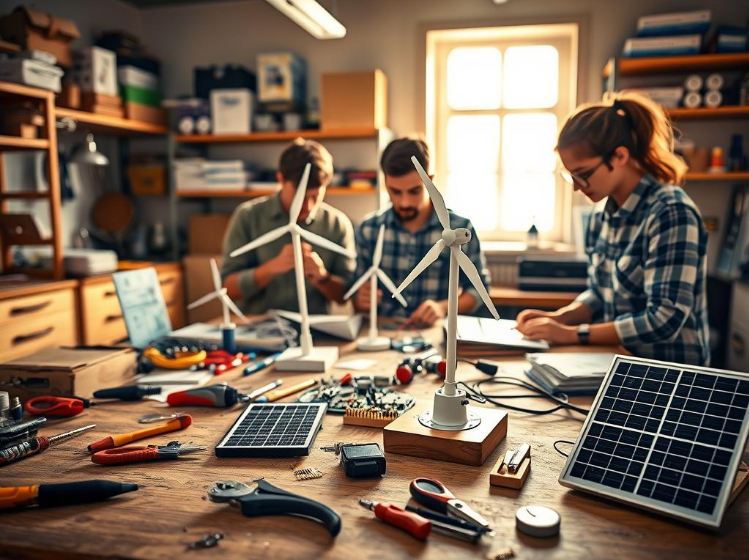
Transforming your weekend into a DIY solar power adventure can be both exciting and rewarding. A small-scale solar panel installation offers an excellent opportunity for home solar systems enthusiasts to generate their own clean energy. This project can power a shed, workshop, or provide supplemental electricity for your home.
Before diving into the project, you’ll need to gather essential components for your home solar systems setup:
- Solar panels (monocrystalline or polycrystalline)
- Charge controller (PWM or MPPT)
- Deep cycle battery
- Inverter (for AC power)
- Mounting hardware
- Appropriate wiring and connectors
The first day focuses on planning your DIY solar power project. Calculate your power requirements by listing devices you want to power and their wattage. Choose a south-facing location with minimal shading to maximize solar panel efficiency. This initial planning ensures your solar panel installation meets your specific energy needs.
Day two involves the actual assembly of your solar system. Secure the panels using weatherproof brackets, carefully wire the panels in series or parallel based on your voltage requirements. Connect the charge controller between panels and batteries, ensuring proper polarity and secure connections.
Realistic expectations are crucial. A 200-watt system typically generates 600-1000 watt-hours daily, depending on location and weather conditions. Remember, this weekend project creates a flexible foundation for future expansions of your home solar systems.
Constructing a Portable Wind Turbine for Your Backyard
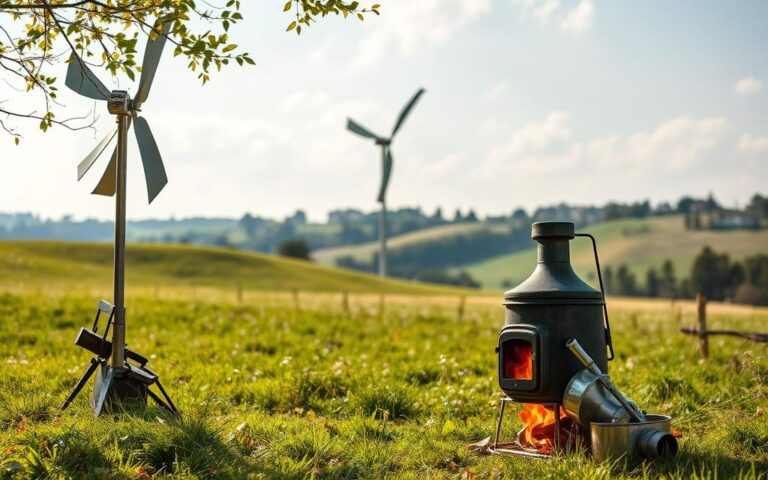
Wind energy projects have become increasingly accessible for homeowners looking to generate clean, renewable energy. A backyard wind turbine can be an exciting weekend project that provides supplemental power and reduces electricity costs.
DIY enthusiasts can create their own portable wind turbine with some basic skills and minimal investment. The key is understanding the fundamental components and selecting the right design for your specific environment.
Selecting the Right Location for Maximum Wind Capture
Choosing an optimal location is crucial for wind energy projects. Look for areas with:
- Consistent wind speeds above 7 mph
- Minimal obstructions like buildings or trees
- Open space with uninterrupted wind flow
- Elevated positions for better wind capture
Step-by-Step Assembly Process
Building a backyard wind turbine requires careful planning and precise execution. Here’s a simplified approach to creating your portable wind energy system:
- Gather essential materials like generator, blades, and mounting hardware
- Construct lightweight turbine blades using durable materials
- Create a sturdy mounting system that allows easy installation and maintenance
- Install electrical components with proper safety measures
- Test and calibrate your wind turbine for optimal performance
Pro tip: Balance is critical in blade construction to prevent vibration and ensure smooth operation.
With patience and attention to detail, your weekend wind energy project can become a rewarding renewable energy solution for your home.
Creating a Micro-Hydro Generator from Household Items
Off-grid power systems offer exciting opportunities for DIY energy savings, especially for homeowners with access to flowing water. A micro-hydro generator can be an incredibly efficient renewable energy solution that produces consistent power around the clock.
The key to successful micro-hydro power generation lies in understanding your water resource. You’ll need a water source with specific characteristics:
- Minimum water flow of 5-10 gallons per minute
- Vertical drop of at least 2-3 feet
- Consistent water movement
Building a DIY micro-hydro generator requires some creative engineering. Gather these essential materials:
- PVC pipes
- Permanent magnet DC motor
- Pelton wheel components
- Intake screen
- Charge controller
The basic principle is straightforward: water flow turns a turbine connected to a generator. By carefully designing your system, you can generate approximately 20-30 watts of continuous power. This approach to DIY energy savings transforms a natural water resource into a reliable electricity source.
Pro tip: Always check local water rights regulations before installing a micro-hydro system.
While micro-hydro generators work best in specific geographical locations, they represent an innovative approach to off-grid power systems that can significantly reduce electricity costs for rural property owners.
Installing a Solar Water Heater in Less Than 48 Hours
Transforming your home’s energy efficiency with a solar water heating system is an achievable weekend project that can significantly reduce utility costs. This renewable energy solution offers homeowners a practical approach to cutting energy expenses while minimizing environmental impact.
Solar water heating technology provides an impressive 50-80% of a household’s hot water needs, making it an attractive option for DIY enthusiasts looking to upgrade their home’s energy infrastructure. The project requires careful planning but can be completed in two days with the right preparation and tools.
Choosing the Right Solar Heating System
Two primary solar water heating systems are available for homeowners:
- Passive Systems: Simpler design with fewer mechanical components
- Active Systems: More complex but offer greater control and efficiency
Mounting and Plumbing Essentials
Successful solar water heating installation depends on several critical factors:
- Select a south-facing location with maximum sun exposure
- Ensure proper roof structural support
- Use corrosion-resistant piping materials
- Install temperature and pressure relief valves
Energy efficiency considerations are paramount when designing your solar water heating system. Proper insulation and strategic placement can maximize heat collection and minimize energy loss.
Pro tip: Regional climate plays a significant role in solar water heater performance and design requirements.
Weekend warriors can expect to invest approximately $3,000-$5,000 in materials and equipment, with potential energy savings offsetting initial costs within 3-7 years.
Weekend DIY Renewable Energy Storage Solutions
Creating an effective energy storage solution is crucial for maximizing the potential of renewable energy systems. DIY enthusiasts can build practical battery storage setups that enhance the reliability of home renewable energy projects.
When selecting energy storage batteries, you’ll need to consider several key factors:
- Battery technology options
- Storage capacity requirements
- Installation considerations
- Maintenance needs
Two primary battery types dominate the renewable energy systems market:
- Lead-acid batteries: More economical, ranging $100-200 per kWh
- Lower upfront cost
- Require regular maintenance
- Limited cycle life
- Lithium iron phosphate (LiFePO4) batteries: Premium performance option
- Longer lifespan
- Deeper discharge capability
- No maintenance required
- Higher cost: $400-600 per kWh
Weekend warriors can simplify their energy storage project by considering portable power stations from brands like Jackery or Bluetti. These pre-packaged solutions eliminate complex wiring while providing reliable renewable energy storage.
Pro tip: Always calculate your energy consumption carefully before selecting battery storage to ensure optimal system performance.
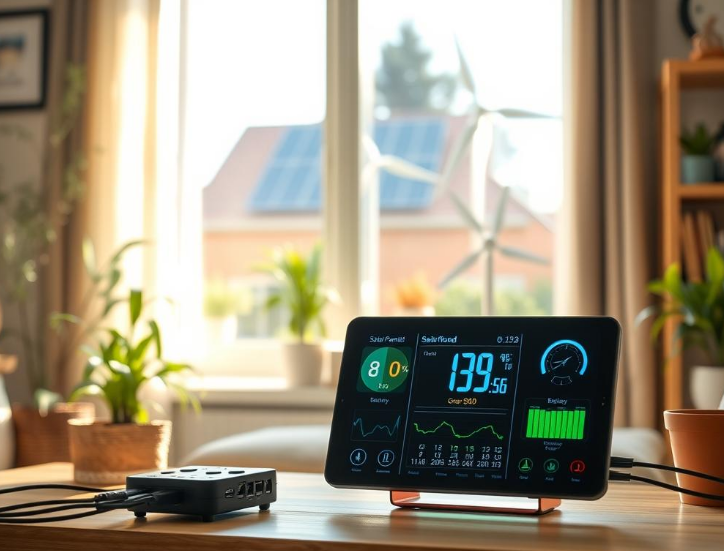
Proper installation involves selecting a stable, ventilated location, constructing a protective battery enclosure, and implementing safety measures. Tracking your battery’s state of charge with a dedicated monitor will help maximize the longevity of your energy storage batteries.
Building a Biogas Digester for Kitchen Waste
Transforming kitchen waste into renewable energy is an exciting way to explore alternative energy sources. Biogas production offers homeowners a unique opportunity to reduce waste while generating useful fuel for cooking and heating.
A DIY biogas digester turns organic waste into valuable methane gas through an innovative process called anaerobic digestion. This sustainable project allows you to convert food scraps and yard waste into energy right in your backyard.
Key Components of a Home Biogas System
- Sealed digester container (30-55 gallon drum)
- Inlet and outlet ports for waste and digestate
- Gas collection system
- Safety pressure release valve
- Gas filtration mechanism
The process begins with creating a nutrient-rich organic slurry. Mix kitchen waste with water in a 1:1 ratio, ensuring optimal conditions for bacterial breakdown. Ideal temperature ranges between 80-100°F for maximum biogas production.
Selecting the Right Organic Materials
- Recommended: Fruit and vegetable scraps
- Coffee grounds
- Small amounts of animal manure
- Avoid: Citrus peels, onions, excessive oils
Safety remains crucial when working with biogas. Always test for gas leaks using soap solution, maintain proper ventilation, and never store methane under high pressure in homemade systems.
A small household biogas digester can process 2-5 pounds of waste daily, generating enough gas for cooking one to two meals.
By investing a weekend in building a biogas digester, you’ll create an eco-friendly system that reduces landfill waste and generates renewable energy directly from your kitchen scraps.
Assembling a Solar-Powered Outdoor Lighting System
Creating a custom solar lighting system transforms your outdoor spaces while introducing you to clean energy projects. DIY enthusiasts can design a personalized lighting solution that goes beyond standard store-bought options, offering greater flexibility and learning opportunities.
Designing your solar lighting systems requires careful planning and specific components. The essential materials include:
- Small solar panel (10-30 watts)
- Charge controller
- 12V battery
- LED outdoor lights
- Weatherproof electronics enclosure
- Low-voltage wiring
The weekend project breaks down into two primary stages. Day one focuses on system layout and component placement. You’ll determine optimal solar panel positioning, ensuring maximum sunlight exposure and minimal shading. Mapping out lighting locations becomes crucial for effective illumination.
During day two, connect the electrical components carefully. Wire the solar panel to the charge controller, then link the battery and LED lights. Proper installation ensures reliable performance and extended system lifespan.
“A well-designed solar lighting system not only provides illumination but teaches valuable renewable energy principles.” – Renewable Energy Expert
Advanced clean energy projects can incorporate additional features like motion sensors or smartphone connectivity, expanding your system’s functionality and efficiency.
Cost Savings and Environmental Impact of Your Weekend Projects
Weekend renewable energy projects offer more than just a fun DIY experience. They provide significant opportunities for carbon footprint reduction and energy independence. Small-scale home renewable energy installations can generate meaningful savings and environmental benefits that accumulate over time.
Typical weekend projects like solar lighting systems or small solar panels can offset electricity costs ranging from $0.12 to $0.30 per kilowatt-hour depending on your location. These projects not only reduce utility bills but also increase property value by 3-4%. Homeowners can expect payback periods between 1-7 years, making them a smart financial investment while promoting sustainable living practices.
The environmental impact extends beyond personal savings. Each small renewable energy project contributes to reducing greenhouse gas emissions and decreasing reliance on fossil fuel-based electricity. By embracing energy independence through DIY renewable technologies, individuals can make a tangible difference in combating climate change, one weekend project at a time.
While these projects might seem small, their collective impact is substantial. Homeowners gain practical skills, reduce energy expenses, and actively participate in creating a more sustainable future. The satisfaction of generating your own clean energy goes far beyond monetary savings.
FAQ
What skills do I need to complete a DIY renewable energy project in a weekend?
Most DIY renewable energy projects require basic handyman skills and familiarity with tools like drills, wrenches, and measuring equipment. While advanced electrical knowledge is helpful, many projects come with detailed instructions, and beginners can successfully complete them with careful research and preparation. The key is to start with projects matching your current skill level and gradually build expertise.
How much money can I save by building my own renewable energy system?
Savings vary depending on the project type and your energy consumption. A small solar panel system might save $100-$300 annually, while a solar water heater could reduce water heating costs by 50-80%. Over time, these weekend projects can significantly decrease utility expenses and provide long-term financial benefits.
Are DIY renewable energy projects legal in most areas?
Legality depends on local regulations. Most residential renewable energy projects are permitted, but you may need to: – Check local zoning laws – Obtain necessary permits – Comply with electrical and building codes – Notify your utility company for grid-connected systems
What are the environmental benefits of small-scale renewable energy projects?
Even small DIY projects can reduce carbon footprint significantly. A weekend solar project can offset 100-500 pounds of CO2 annually, decrease reliance on fossil fuels, and contribute to overall energy sustainability. These projects also raise awareness about renewable energy and inspire community-level environmental action.
Which renewable energy project is easiest for beginners?
Solar lighting systems are typically the most beginner-friendly. They require minimal technical skills, have low component costs, and provide immediate practical benefits. Solar outdoor lighting projects can be completed in a single weekend and offer an excellent introduction to renewable energy principles.
What tools do I need for most DIY renewable energy projects?
Basic tool requirements include: – Drill and drill bits – Screwdrivers – Wrenches – Multimeter – Wire strippers – Safety equipment (gloves, goggles) – Measuring tape – Level Many tools you might already own can be used for these projects.
How do I choose the right renewable energy project for my property?
Consider these key factors: – Available natural resources (sunlight, wind, water) – Property size and layout – Energy consumption needs – Budget – Local climate conditions – Personal technical skills Assess these elements to select the most suitable renewable energy project for your specific situation.
Can these weekend projects be expanded later?
Absolutely! Most DIY renewable energy systems are modular and scalable. You can start small and incrementally add components like additional solar panels, more batteries, or expanded wind turbine capacity. These initial projects serve as learning experiences and foundation for more comprehensive renewable energy solutions.