
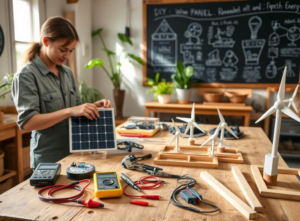
Did you know that the average American home can reduce electricity bills by up to 50% through simple beginner DIY renewable energy projects? This surprising statistic reveals that green energy at home is not just for tech experts or wealthy homeowners—it’s accessible to everyone.
Renewable energy might sound complicated, but you don’t need an engineering degree or specialized skills to start generating your own clean power. From solar phone chargers to backyard wind generators, these projects are designed for complete beginners with zero technical background.
This guide will walk you through easy, affordable ways to transform your home into an energy-efficient powerhouse. Whether you’re motivated by saving money or reducing your carbon footprint, beginner DIY renewable energy offers an exciting pathway to sustainable living.
We’ll break down complex concepts into simple steps, proving that anyone can become an energy innovator. Get ready to discover how straightforward and empowering green energy at home can be—no expensive equipment or professional installation required.
Understanding Renewable Energy Basics for Complete Beginners
Diving into renewable energy basics can feel intimidating, but it doesn’t have to be complicated. Sustainable DIY projects are becoming increasingly accessible for everyday people looking to reduce their carbon footprint and save money on electricity.
Renewable energy represents a powerful solution to traditional power generation. Unlike fossil fuels that get depleted, these energy sources continuously replenish themselves through natural processes.
What Makes Energy “Renewable”
At its core, renewable energy comes from sources that naturally restore themselves. These include:
- Solar power from sunlight
- Wind energy from atmospheric movements
- Hydropower from water currents
- Geothermal heat from underground sources
Why Home Renewable Energy Matters
Implementing sustainable DIY projects at home offers multiple benefits:
- Reduced electricity bills
- Lower carbon emissions
- Increased energy independence
- Personal contribution to environmental protection
“Small changes in individual homes can create significant global impact” – Environmental Research Foundation
Debunking Common Myths About DIY Energy Systems
Many people hesitate to explore renewable energy basics due to misconceptions. The truth is that DIY renewable energy projects are more achievable than most realize. You don’t need advanced technical skills or massive investments to get started.
Sustainable DIY projects can begin with simple, low-cost experiments that gradually build your confidence and understanding of renewable energy systems.
Essential Tools and Materials You Already Have at Home
Diving into renewable energy projects doesn’t require a massive investment. Most DIY energy safety enthusiasts will be surprised to learn they already own many essential renewable energy tools right in their home workshop or garage.
Let’s explore the basic tools you likely have on hand for starting your renewable energy journey:
- Screwdrivers: Flathead and Phillips head for connecting electrical components
- Pliers: Crucial for gripping and twisting wires securely
- Wire cutters: Precision cutting of electrical wires
- Measuring tape: Ensuring accurate dimensions for solar panels or wind turbine blades
- Utility knife: Stripping wire insulation and making precise cuts
For more advanced renewable energy tools, consider adding a multimeter to your toolkit. This device helps measure electrical current and ensures your DIY energy safety protocols are rock-solid.
| Tool | Purpose in Renewable Energy | Estimated Cost |
|---|---|---|
| Drill | Mounting solar panels and creating mounting brackets | $50-$100 |
| Multimeter | Measuring electrical output and diagnosing issues | $20-$50 |
| Weatherproofing Tape | Protecting electrical connections from moisture | $5-$15 |
Remember, starting small is key. You don’t need a professional-grade workshop to begin exploring renewable energy. Many projects can be completed with basic household tools and a bit of creativity.
Starting Small: Simple Solar Power Projects Anyone Can Build
Diving into DIY solar projects for beginners doesn’t have to be complicated or expensive. Solar energy offers an exciting opportunity for novices to explore renewable technology right from their home workspace. These introductory projects will help you understand solar power basics while creating practical devices that save energy and money.
Building Your First Solar Phone Charger
Creating a DIY solar charger is an excellent starting point for renewable energy enthusiasts. This project requires minimal technical skills and provides immediate satisfaction. You’ll need a few key components:
- Small solar panel (5V output)
- USB charge controller
- Rechargeable battery pack
- Connecting wires
- Soldering iron (optional)
“The best way to learn solar technology is by doing hands-on projects that transform theoretical knowledge into practical skills.” – Solar Energy Expert
The process involves connecting your solar panel to the charge controller, then linking it to the battery pack. Ensure all connections are secure and properly insulated to prevent short circuits.
Creating a Solar-Powered Garden Light System
Solar garden lights DIY projects are perfect for beginners wanting to enhance outdoor spaces while learning renewable energy principles. These projects teach basic electrical concepts and provide aesthetic lighting solutions.
- Select weather-resistant LED lights
- Choose compact solar panels
- Install rechargeable batteries
- Create simple mounting brackets
By mastering these beginner-friendly solar power projects, you’ll gain confidence in renewable energy technologies and set the foundation for more advanced DIY solar endeavors.
Wind Energy Projects That Require Zero Technical Experience
Wind energy offers an exciting pathway for beginners interested in exploring off-grid power projects. Simple wind energy projects can help newcomers understand renewable energy fundamentals without requiring advanced technical skills.
Getting started with a beginner wind turbine is easier than most people imagine. You can create small-scale wind power systems using everyday materials found in your home or local hardware store. The key is to start small and focus on learning the basic principles of wind energy conversion.
- Select lightweight materials like PVC pipes
- Use DC motors from old electronics
- Create simple blade designs from cardboard
- Connect to small battery storage systems
Wind power projects for beginners typically focus on generating small amounts of electricity. These micro-projects can power LED lights, charge mobile devices, or run small electronics. The goal is to understand wind energy principles rather than replacing your entire home’s power supply.
When selecting a location for your wind energy project, consider these key factors:
- Open spaces with consistent wind flow
- Minimal obstructions like trees or buildings
- Safe mounting options
- Accessibility for maintenance
Safety remains paramount in any DIY renewable energy project. Ensure proper mounting, use protective gear, and never attempt complex installations without guidance. These simple wind energy projects provide an excellent introduction to renewable energy technology.
Beginner DIY Renewable Energy Safety Guidelines and Best Practices
DIY energy safety is crucial when exploring residential renewable energy projects. While enthusiasm drives innovation, protecting yourself and your equipment remains paramount. This guide will help beginners navigate the essential safety considerations for home renewable energy installations.
Safety isn’t just a recommendation—it’s a necessity. Renewable energy projects require careful planning and thoughtful execution to prevent potential risks.
Protecting Yourself During Installation
Before starting any DIY energy project, prepare with the right safety equipment:
- Wear protective eyewear to shield against debris
- Use insulated gloves when handling electrical components
- Work in well-lit areas with stable footing
- Always have a helper nearby for complex installations
Understanding Basic Electrical Safety
Electrical safety in residential renewable energy systems demands careful attention. Low-voltage DC systems typically used in beginner projects require specific precautions:
- Check wire polarity before connecting components
- Use appropriately sized fuses for circuit protection
- Avoid creating short circuits
- Keep electrical connections clean and dry
“Knowledge is the best safety equipment in any DIY project.” – Renewable Energy Expert
When to Call a Professional
Recognize your skill limits in DIY energy safety. Professional assistance becomes critical when:
- Connecting systems to household electrical grid
- Modifying roof structures
- Dealing with high-voltage AC power
- Requiring complex electrical permits
Remember, smart DIY enthusiasts know when to seek expert guidance. Prioritizing safety ensures successful residential renewable energy projects.
Harnessing Water Power with Micro-Hydro Systems
Micro-hydro systems offer an exciting pathway for homeowners to generate renewable energy using flowing water. These compact home renewable energy systems can transform natural water sources into electricity with surprising efficiency.
Identifying the right water source is crucial for micro-hydro success. Ideal locations include:
- Small streams with consistent water flow
- Creek beds with noticeable vertical drop
- Properties with natural water movement
Beginners can start with pico-hydro projects that generate small amounts of electricity. These systems work best when you understand three key factors:
- Water flow rate
- Vertical water drop
- Water consistency throughout seasons
When designing micro-hydro systems, consider environmental impacts. Minimal disruption to local ecosystems ensures sustainable home renewable energy generation. Local regulations may require permits, so research water rights in your area before starting your project.
Water is a powerful renewable resource waiting to be harnessed responsibly.
Small-scale turbine designs can be constructed using readily available materials, making micro-hydro systems an accessible option for DIY energy enthusiasts.
Budget-Friendly Renewable Energy Kits for First-Time Builders
Embarking on a renewable energy journey doesn’t have to break the bank. Renewable energy kits provide an accessible entry point for beginners eager to explore sustainable power solutions. These kits simplify the complex world of DIY energy projects, offering carefully curated components and straightforward instructions.
Navigating the market of homemade solar panels and energy systems can feel overwhelming for newcomers. Fortunately, affordable options exist that make learning both exciting and budget-friendly.
Top Starter Kits Under $100
Budget-conscious enthusiasts can find excellent renewable energy kits at various price points. Here are key categories to explore:
- Solar Charging Kits ($50-$100)
- Educational Wind Turbine Sets ($75-$100)
- Portable Solar Lighting Systems ($40-$80)
What to Look for in a Quality DIY Energy Kit
Selecting the right renewable energy kit requires careful consideration. Critical factors include:
- Clear, beginner-friendly instructions
- Robust component quality
- Built-in safety features
- Potential for future expansion
| Kit Type | Price Range | Complexity Level |
|---|---|---|
| Solar Phone Charger Kit | $40-$60 | Beginner |
| Small Solar Panel System | $80-$100 | Intermediate |
| Portable Wind Energy Kit | $90-$120 | Advanced Beginner |
Investing in a quality renewable energy kit opens doors to sustainable learning. Research, read customer reviews, and choose a kit that matches your skill level and curiosity.
Measuring Your Energy Success and Calculating Savings
Tracking your renewable energy progress helps you understand the real impact of your DIY projects. Measuring renewable energy savings isn’t complicated. Simple tools like multimeters can help you quantify your energy independence journey.
Start by learning basic energy measurement techniques that don’t require advanced technical skills. You’ll want to track:
- Voltage output
- Current generation
- Total power production
- Comparative electricity savings
Calculating your renewable energy savings involves comparing your generated power with standard electricity rates. Small projects might seem modest, but they provide significant learning experiences and environmental benefits.
| Measurement Type | Tools Needed | Complexity |
|---|---|---|
| Voltage Check | Multimeter | Low |
| Current Measurement | Multimeter | Low |
| Power Calculation | Calculator/Smartphone | Medium |
Your energy independence starts with understanding these measurements. Even small renewable energy projects contribute to reducing grid dependency and learning valuable skills. Don’t get discouraged by initial low outputs – every kilowatt counts in your sustainable energy journey.
Remember: Renewable energy savings are about more than just dollars – they’re about creating a sustainable future.
Common Mistakes Beginners Make and How to Avoid Them
Embarking on beginner DIY renewable energy projects can be exciting, but many newcomers stumble into predictable traps. Understanding common beginner energy mistakes helps you navigate your renewable energy journey more effectively and confidently.
Navigating the world of DIY renewable energy requires careful planning and realistic expectations. Beginners often encounter several challenges that can derail their initial enthusiasm.
Overestimating Project Output
One of the most frequent beginner energy mistakes is dramatically overestimating power generation. Small solar panels or wind turbines won’t magically power entire homes. Instead, they can effectively:
- Charge mobile devices
- Power small electronic gadgets
- Run limited household appliances
Preparation Pitfalls to Avoid
Skipping crucial preparation steps can doom your beginner DIY renewable energy project from the start. Critical preparation includes:
- Thoroughly reading all project instructions
- Testing individual components before assembly
- Carefully planning installation locations
- Understanding local regulatory requirements
| Common Mistake | Recommended Solution |
|---|---|
| Incorrect wire gauge | Research proper electrical specifications |
| Poor component compatibility | Verify system component interactions |
| Ignoring safety protocols | Follow manufacturer safety guidelines |
Remember, every mistake is a learning opportunity in your renewable energy journey. Patience and careful research will transform initial challenges into successful DIY projects.
Scaling Up Your Renewable Energy System Over Time
Embarking on your residential renewable energy journey starts with small, manageable projects. As you gain confidence, scaling renewable energy systems becomes an exciting opportunity to expand your energy independence. The key is strategic planning and incremental growth.
Your initial solar or wind project serves as a foundation for more comprehensive energy solutions. Consider these strategies for systematic expansion:
- Select modular components that allow easy future upgrades
- Invest in adaptable charge controllers
- Choose battery systems with scalable capacity
- Design mounting infrastructure with additional space
The progression typically follows this pathway:
- Device charging projects
- Small appliance power solutions
- Partial home electricity offset
- Comprehensive residential renewable energy systems
Financial considerations play a crucial role in scaling up. Research available federal and state incentives, which can significantly reduce upgrade costs. Tax credits and rebates make expanding your renewable energy system more affordable.
| Expansion Stage | Typical Investment | Energy Output |
|---|---|---|
| Initial Device Charging | $50-$200 | 10-50 watts |
| Small Appliance Power | $200-$1,000 | 100-500 watts |
| Partial Home Offset | $1,000-$5,000 | 500-2,000 watts |
Remember that continuous learning is vital. Engage with online communities, attend workshops, and consider renewable energy courses to build your expertise. As your knowledge grows, so will your ability to create more sophisticated energy solutions.
Conclusion
Embarking on beginner DIY renewable energy projects is more accessible than ever before. These sustainable DIY projects offer an exciting gateway to personal energy independence, even for those with zero technical background. The journey begins with small, manageable steps that build confidence and practical skills.
Each solar panel, wind turbine, or water power system you create represents a personal victory in sustainable living. Renewable energy isn’t just about complex technology—it’s about making meaningful choices that reduce environmental impact. Your initial projects might seem small, but they connect you to a broader movement of responsible energy consumption.
Remember that learning is a process. Not every project will be perfect, and that’s completely okay. Safety remains paramount, so always follow guidelines and know when professional assistance is necessary. Start with one simple project, learn from the experience, and gradually expand your renewable energy capabilities.
Your individual efforts matter. By exploring beginner DIY renewable energy solutions, you’re not just saving money—you’re contributing to a cleaner, more sustainable future. Choose your first project, gather your materials, and take that first step toward personal energy transformation.
FAQ
Do I need technical experience to start DIY renewable energy projects?
No technical experience is required. This guide is specifically designed for complete beginners with no engineering background. Even those with minimal technical skills can successfully start simple renewable energy projects using basic household tools and readily available materials.
How much money do I need to invest in my first renewable energy project?
Many beginner projects can be started for under $100. Starter solar kits, wind energy projects, and simple DIY systems are budget-friendly, allowing you to learn and experiment without significant financial risk. Some projects can even be completed using materials you might already have at home.
Are home renewable energy projects actually safe?
When following proper safety guidelines, DIY renewable energy projects are safe, especially low-voltage DC systems typical of beginner projects. Always use protective equipment, work in good lighting, avoid working alone on elevated installations, and understand basic electrical safety principles. For complex installations, consult a professional.
What type of renewable energy is easiest for beginners?
Solar power is generally considered the most beginner-friendly renewable energy source. Projects like solar phone chargers and garden lights are simple, require minimal equipment, and provide immediate, tangible results that help build confidence.
Can I really generate meaningful energy with small DIY projects?
While small projects won’t completely eliminate your electricity bill, they provide valuable learning experiences and can generate enough power to charge devices, run small appliances, or power garden lights. The goal for beginners is learning and building skills, with modest energy generation as a bonus.
How do I know if my location is suitable for renewable energy projects?
Suitability depends on your specific environment. Solar projects work in most locations with sunlight, wind projects require consistent air movement, and micro-hydro systems need flowing water. Each project section in this guide provides guidance on assessing your local conditions and potential for renewable energy generation.
What tools do I need to get started?
Most beginner projects require basic household tools like screwdrivers, pliers, wire cutters, measuring tape, and a drill. An inexpensive multimeter is helpful but not always essential. The key is starting with what you have and gradually acquiring specialized tools as your skills develop.
How can I expand my renewable energy system over time?
Start with modular, expandable projects that allow for future upgrades. Choose charge controllers and mounting systems that can accommodate additional panels or components. As you gain confidence and skills, you can progressively add more sophisticated systems or increase the capacity of your existing setup.
Are there legal considerations for home renewable energy projects?
Legal requirements vary by location. For small, off-grid projects, regulations are typically minimal. However, for grid-tied systems or projects involving water rights, you may need permits or approvals. Always check local building codes and regulations, especially for more complex installations.
What environmental impact do small DIY renewable energy projects have?
Even small projects contribute to reducing carbon emissions and promoting sustainable energy practices. While individual projects might seem insignificant, collectively, they represent an important step toward broader environmental sustainability and personal energy independence.