
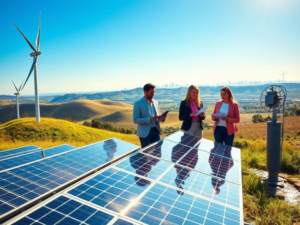
Did you know that renewable energy costs have plummeted by 89% over the past decade? This dramatic price reduction is transforming affordable energy technologies from a luxury to an achievable reality for millions of Americans.
Clean power access is no longer restricted to wealthy homeowners or large corporations. Innovative renewable energy solutions are breaking down financial barriers, making sustainable energy an option for every household. From solar panels to wind turbines, accessible clean energy technologies are revolutionizing how we think about power generation.
The renewable energy landscape is evolving rapidly, offering diverse options that cater to different budgets and living situations. Whether you own a home, rent an apartment, or live in a rural community, there are now practical pathways to reduce energy costs while supporting environmental sustainability.
This article will explore the cutting-edge affordable energy technologies that are making clean power more accessible than ever before. We’ll dive into practical solutions that can help you save money, reduce your carbon footprint, and embrace a more sustainable energy future.
The Rising Demand for Clean Energy Solutions
The landscape of energy consumption in the United States is rapidly transforming. Clean energy demand has surged as Americans become increasingly aware of environmental challenges and seek sustainable power growth. Renewable energy adoption is no longer a niche interest but a mainstream movement driven by economic and ecological considerations.
Several key factors are accelerating the energy transition:
- Rising electricity costs in major metropolitan areas
- Growing environmental consciousness
- Increased frequency of extreme weather events
- Desire for energy independence
Consumer surveys reveal a striking trend: more Americans are willing to invest in renewable energy technologies when affordable options become available. The COVID-19 pandemic further amplified this interest, as people spending more time at home recognized the critical importance of reliable, sustainable power sources.
| State | Renewable Energy Adoption Rate | Primary Clean Energy Source |
|---|---|---|
| California | 32% | Solar |
| Texas | 25% | Wind |
| New York | 28% | Hydroelectric |
| Florida | 22% | Solar |
The momentum behind clean energy solutions continues to build, promising a more sustainable and resilient energy future for American households.
Solar Power: Harnessing the Sun for Every Budget
Solar energy has transformed from a luxury technology to an affordable power solution for millions of American households. The dramatic drop in solar panel costs has opened up residential solar energy to a broader range of consumers, making clean power more accessible than ever before.
Innovative approaches have emerged to help homeowners and renters tap into solar power without breaking the bank. These solutions address the unique challenges different households face when considering solar energy investments.
Community Solar Programs and Shared Installations
Community solar programs have revolutionized affordable solar power for those who cannot install traditional rooftop systems. These shared solar installations allow multiple participants to benefit from a single solar farm, typically providing:
- 5-15% savings on electricity bills
- No upfront equipment costs
- Flexible participation for renters and homeowners
Portable Solar Panels for Renters and Small Spaces
Portable solar panels have become a game-changer for those with limited space or temporary living situations. These compact solar solutions offer flexibility for residential solar energy users:
| Panel Type | Power Output | Price Range | Best For |
|---|---|---|---|
| Compact Panels | 50-200 watts | $200-$500 | Apartments, RVs |
| Expandable Systems | 200-1000 watts | $500-$2000 | Home backup, Extended travel |
Solar Leasing and Power Purchase Agreements
Solar financing options have made residential solar energy more attainable through innovative approaches:
- Solar Lease Programs: Fixed monthly payments for solar equipment
- Power Purchase Agreements (PPAs): Pay only for electricity generated
“The future of energy is personal, flexible, and sustainable.” – Clean Energy Expert
These solar financing options eliminate substantial upfront costs, making solar panel installations accessible to more households across the United States.
Wind Energy on a Smaller Scale
Residential wind energy has emerged as a promising alternative for homeowners seeking sustainable power solutions. Small wind turbines have revolutionized home wind power, offering affordable options for eco-conscious families looking to reduce electricity costs.
Micro-wind systems are particularly effective for properties with specific characteristics. The ideal conditions for installing small wind turbines include:
- Minimum average wind speeds of 10 mph
- Property size of at least one acre
- Minimal local zoning restrictions
- Clear wind path without significant obstructions
Modern affordable wind turbines have become increasingly efficient. A typical 5-kilowatt system can generate between 400-900 kWh monthly, potentially offsetting 30-100% of a household’s electricity consumption.
Homeowners can maximize their renewable energy potential by combining small wind turbines with solar panels. Hybrid systems provide more consistent power generation, especially in regions with variable wind and sunlight conditions.
Wind energy becomes most cost-effective in rural areas with consistent wind resources and higher electricity rates.
Notable small wind turbine models like the Skystream 3.7 and Bergey Excel 10 offer reliable residential wind energy solutions, with system costs ranging from $3,000 to $15,000, including installation.
Before investing in home wind power, homeowners should carefully assess their local wind resources, electricity rates, and potential energy savings to determine the most suitable micro-wind system for their specific needs.
Affordable Energy Technologies Transforming Homes and Communities
Modern homeowners are discovering powerful ways to reduce energy costs through smart technologies. Affordable energy storage and intelligent home devices are revolutionizing how we consume and manage electricity, making clean energy more accessible than ever before.
Innovative energy efficiency technology is changing the landscape of residential power management. Homeowners can now invest in budget-friendly solutions that dramatically cut electricity expenses and reduce environmental impact.
Energy Storage Systems That Won’t Break the Bank
Home battery systems have become increasingly affordable, offering practical solutions for energy independence. Key benefits include:
- Backup power during electrical outages
- Storage of excess solar generation
- Participation in utility demand-response programs
Affordable energy storage options now range from $6,000 to $8,000 installed, with brands like Enphase IQ Battery and LG Chem RESU leading the market.
| Battery System | Price Range | Key Features |
|---|---|---|
| Enphase IQ Battery | $6,000-$7,000 | Modular design, easy installation |
| LG Chem RESU | $7,000-$8,000 | High energy density, compact size |
Smart Home Devices for Energy Efficiency
Budget battery backup and smart energy devices provide incredible opportunities for reducing household electricity consumption. Smart thermostats and energy monitoring systems can help families save significantly:
- Smart thermostats from Nest and Ecobee ($120-$250)
- Energy monitoring devices like Sense
- Automated LED lighting controls
These technologies can reduce home energy consumption by 15-30%, making them incredibly cost-effective investments in sustainable living.
Hydroelectric Power for Rural and Off-Grid Living

Rural homeowners with access to flowing water have a powerful renewable energy option that often goes overlooked: micro-hydroelectric systems. These small-scale hydropower solutions can transform streams and creeks into reliable electricity generators for off-grid power solutions.
Stream turbines offer unique advantages for rural renewable energy production. Unlike solar or wind technologies, micro-hydro systems can generate electricity 24 hours a day, providing consistent power regardless of weather conditions.
- Minimum requirements for micro-hydroelectric installation:
- Water flow rate of 10-100 gallons per minute
- Vertical drop of at least 10 feet
- Legal water rights for power generation
- System cost ranges from $2,000 to $15,000
- Potential power generation: 1-5 kilowatts continuously
Homeowners interested in implementing these systems should consider local permitting requirements and environmental impacts. Consulting with renewable energy experts can help determine the specific viability of micro-hydroelectric systems for individual properties.
A well-designed micro-hydro system can provide more consistent power than solar panels, making it an excellent option for rural energy independence.
Hybrid energy approaches combining micro-hydroelectric systems with solar panels can create an even more robust off-grid power solution. This strategy ensures reliable electricity generation by leveraging the strengths of multiple renewable energy technologies.
Biomass and Biogas: Converting Waste into Power
Transforming waste into renewable energy represents an innovative approach to sustainable living. Biomass energy systems offer homeowners practical solutions for reducing environmental impact while generating affordable power from organic materials.
Modern waste-to-energy technologies provide unique opportunities for households to generate clean energy from everyday organic waste. These systems convert materials that would typically end up in landfills into valuable resources.
Home Biogas Digesters for Cooking and Heating
Home biogas systems represent a revolutionary approach to sustainable energy production. These innovative digesters transform food scraps and organic waste into usable cooking gas through natural decomposition processes.
- Process up to 1.5 gallons of food waste daily
- Generate 2-3 hours of cooking gas per day
- Produce nutrient-rich fertilizer for gardens
Ideal for environmentally conscious homeowners, biogas digesters work best in warm climates or with proper insulation in cooler regions.
Wood Pellet Stoves and Sustainable Heating
Wood pellet heating provides an efficient and eco-friendly alternative to traditional heating methods. Modern pellet stoves offer exceptional pellet stove efficiency with advanced technological features.
| Stove Feature | Performance Metric |
|---|---|
| Efficiency Rating | 70-85% |
| Average Heating Season Consumption | 2-5 tons of pellets |
| Cost per Ton | $200-$300 |
EPA-certified models minimize emissions while providing reliable heating. Automated pellet feeding and programmable thermostats make these stoves convenient and user-friendly for modern households.
Geothermal Heat Pumps for Year-Round Comfort
Geothermal heat pumps represent a revolutionary approach to home heating and cooling. These innovative HVAC alternatives tap into the earth’s stable underground temperature to provide exceptional climate control. Ground source heating systems offer homeowners an incredibly efficient way to maintain comfortable indoor temperatures throughout the year.
The technology behind geothermal heat pumps is surprisingly straightforward. By utilizing earth-coupled heating, these systems extract heat from the ground during winter and transfer heat back into the earth during summer. This process delivers remarkable geothermal efficiency that traditional heating and cooling methods cannot match.
- Typical installation costs range from $15,000 to $30,000
- Federal tax credits cover up to 30% of installation expenses
- Average energy savings of 30-60% compared to conventional HVAC systems
Homeowners can choose from three primary geothermal heat pump configurations:
- Horizontal Ground Loops: Most affordable, requires substantial yard space
- Vertical Loops: Ideal for smaller properties, involves deeper drilling
- Pond/Lake Systems: Most cost-effective when suitable water bodies are available
Leading manufacturers like ClimateMaster, WaterFurnace, and Bosch offer residential geothermal systems that can potentially pay for themselves within 5-10 years. The long-term benefits are impressive, with system components lasting 25+ years and ground loops functioning for 50+ years.
Geothermal heat pumps prove that sustainable energy can be both environmentally friendly and economically smart.
Ideal candidates for these systems include homeowners planning long-term residence, those replacing aging HVAC equipment, and new construction projects where ground loop installation is most cost-effective.
Government Incentives and Financing Options
Navigating the world of renewable energy can be complex, but government incentives and financing options make clean energy more accessible than ever. Understanding these programs can dramatically reduce the upfront costs of sustainable technology investments.
The federal government and state authorities have developed robust renewable energy incentives to encourage homeowners and businesses to adopt green energy solutions. These financial support mechanisms can significantly lower the barrier to entry for clean energy technologies.
Federal Tax Credits and State Rebates
The Inflation Reduction Act (IRA) provides substantial tax credits for solar installations. Key highlights include:
- 30% tax credit for solar panels through 2032
- Applies to both primary and secondary residences
- Covers solar panels, battery storage, and small wind turbines
“The IRA tax credits represent the most significant federal support for clean energy in decades” – Clean Energy Policy Experts
Low-Interest Loans and Green Financing Programs
Multiple financing options make green energy investments more affordable:
- Property Assessed Clean Energy (PACE) programs
- FHA PowerSaver loans
- Specialized green energy loan products
State solar incentives vary widely, with some regions offering exceptional support. Homeowners can reduce installation costs by 50% or more through strategic use of federal credits, state rebates, and low-interest financing.
Recommended resources for tracking available incentives include the Database of State Incentives for Renewables & Efficiency (DSIRE), which provides comprehensive information on local and federal clean energy loans and rebates.
DIY Energy Solutions for the Budget-Conscious
Transforming your home’s energy approach doesn’t require a massive investment. DIY solar projects and homemade energy solutions offer budget-conscious homeowners exciting opportunities to reduce energy costs and gain energy independence.
Embarking on budget renewable energy projects can seem daunting, but many DIY energy systems are surprisingly accessible. Beginners can start with simple projects that require minimal technical expertise:
- Solar phone chargers
- Small solar panel arrays for RVs
- Portable solar power stations
For those with intermediate technical skills, more advanced DIY wind turbine and solar panel installation projects become feasible. Key considerations include:
- Understanding local electrical codes
- Obtaining necessary permits
- Ensuring proper safety protocols
Potential cost savings are significant. A professional solar installation might cost $15,000, while a DIY approach could reduce expenses to $6,000-$8,000. Online resources like Solar Energy International and YouTube tutorials provide valuable guidance for aspiring renewable energy enthusiasts.
Remember: Careful planning and research are essential for successful DIY energy projects.
Recommended starter projects include solar air heaters, small wind turbines, and portable solar charging stations. These homemade energy solutions not only cut costs but also provide hands-on learning about renewable technologies.
Emerging Technologies Making Clean Power More Affordable
The future of renewable energy is bright with emerging technologies that promise to revolutionize how we generate and consume power. Innovative solutions in advanced solar technology and affordable hydrogen power are reshaping the landscape of clean energy, making sustainable options more accessible than ever before.
Cutting-edge developments in emerging renewable technologies are creating exciting possibilities for homeowners and communities seeking affordable energy solutions. Two particularly promising areas are transforming the renewable energy ecosystem:
Perovskite Solar Cells: The Next Generation of Solar Panels
Perovskite solar cells represent a breakthrough in next-generation energy technology. These advanced solar technology panels offer remarkable advantages:
- Significantly lower manufacturing costs compared to traditional silicon panels
- Potential for higher energy conversion efficiency
- Flexible design options for multiple applications
“Perovskite technology could reduce solar electricity costs by up to 50% in the coming years.” – Clean Energy Research Institute
Hydrogen Fuel Cells: Powering Homes of the Future
Hydrogen fuel cells are emerging as a promising solution for affordable hydrogen power. These innovative systems generate electricity through a clean chemical process, offering exciting possibilities for residential energy:
- Zero-emission electricity generation
- Potential for off-grid and backup power solutions
- Compatible with future renewable energy infrastructure
While these future renewable energy technologies are still developing, they represent a promising pathway to more sustainable and affordable energy solutions for American households.
Conclusion
The journey to accessible clean energy has never been more promising for American households. Renewable energy access is no longer a distant dream but a practical reality for millions of homeowners, renters, and communities across the United States. From community solar programs to innovative DIY solutions, clean power for everyone is becoming an achievable goal.
Each technology explored represents a step toward a sustainable energy transition that makes economic sense. Solar panels, wind solutions, geothermal systems, and emerging technologies like perovskite cells are dramatically reducing barriers to entry. The combination of falling technology costs, generous government incentives, and flexible financing options means that affordable renewable energy is within reach for most Americans.
Individuals can start their clean energy journey by assessing their specific circumstances. Research local incentives through resources like the Database of State Incentives for Renewables & Efficiency (DSIRE). Compare quotes from multiple installers, explore community solar options, and consider incremental improvements that can reduce energy consumption and costs.
The renewable energy landscape continues to evolve, offering increasingly accessible and cost-effective solutions. By taking proactive steps, homeowners can protect themselves from rising utility rates, increase property values, and contribute to a more sustainable future. The time to explore clean energy options is now—with more opportunities and support than ever before.
FAQ
What are the most affordable renewable energy technologies for homeowners?
The most affordable renewable energy technologies include community solar programs, portable solar panels, solar leasing, small wind turbines, and geothermal heat pumps. These options range from zero-upfront-cost community subscriptions to relatively low-cost portable systems that can help reduce electricity expenses.
How much can I save by switching to renewable energy?
Savings vary depending on your location and energy consumption, but homeowners can typically reduce electricity bills by 30-50% through solar installations, with additional savings from federal tax credits, state rebates, and energy efficiency improvements. Some households report annual savings of $500-$1,500 on utility expenses.
Are there renewable energy options for renters?
Yes! Renters can access renewable energy through community solar programs, portable solar panels, and smart home energy management devices. These solutions don’t require property modifications and can be easily moved between residences, making them ideal for those who don’t own their living space.
What government incentives are available for renewable energy?
The federal government offers a 30% tax credit for solar panels, battery storage, geothermal heat pumps, and small wind turbines through 2032. Additionally, many states provide supplemental rebates and incentives. The Database of State Incentives for Renewables & Efficiency (DSIRE) is an excellent resource for finding location-specific programs.
Can I install renewable energy systems myself to save money?
DIY renewable energy projects can reduce installation costs by 40-60%, but require significant technical knowledge and must comply with local building codes and electrical regulations. Beginners can start with simple projects like solar phone chargers, while more experienced DIY enthusiasts might tackle partial solar installations with professional final connections.
What are the best renewable energy technologies for rural properties?
Rural properties have excellent options including micro-hydroelectric systems, small wind turbines, biomass digesters, and ground-mounted solar installations. These technologies take advantage of additional space and potentially stronger renewable resources compared to urban environments.
How long do renewable energy systems typically last?
Most renewable energy systems have impressive lifespans: solar panels typically last 25-30 years, wind turbines 20-25 years, geothermal heat pumps 25+ years for indoor components, and ground loops can last 50+ years with proper maintenance.
Are there financing options for renewable energy installations?
Multiple financing options exist, including federal tax credits, state rebates, PACE programs, FHA PowerSaver loans, and specialized green energy loan products from banks and credit unions. These options can reduce upfront costs and provide low-interest financing for renewable energy projects.