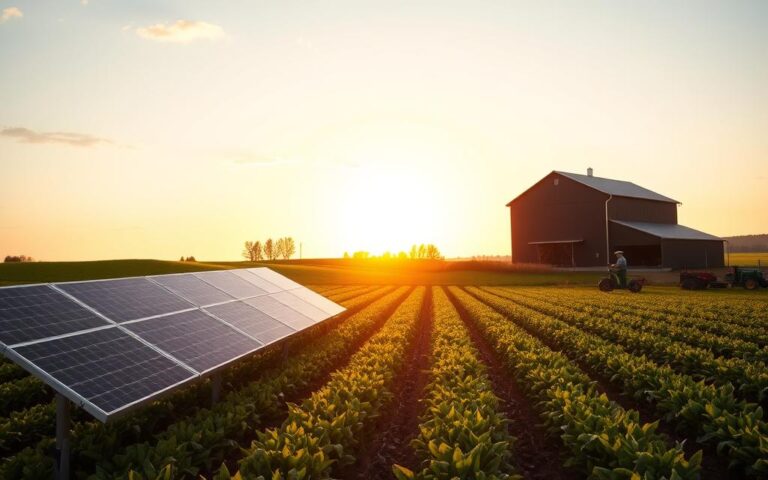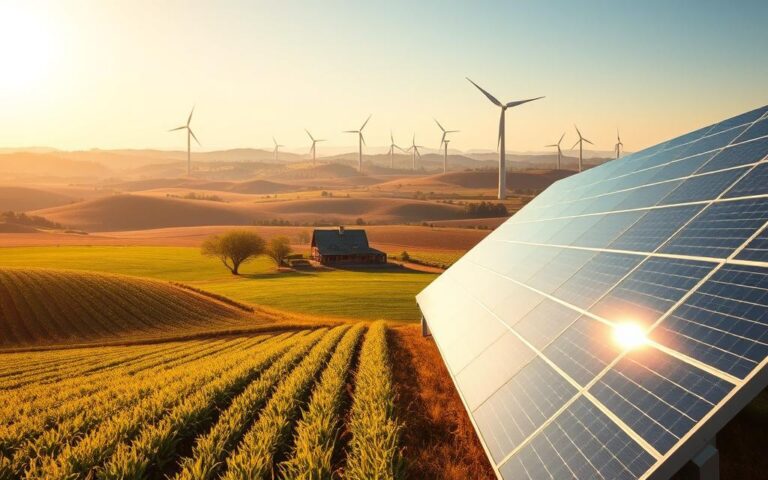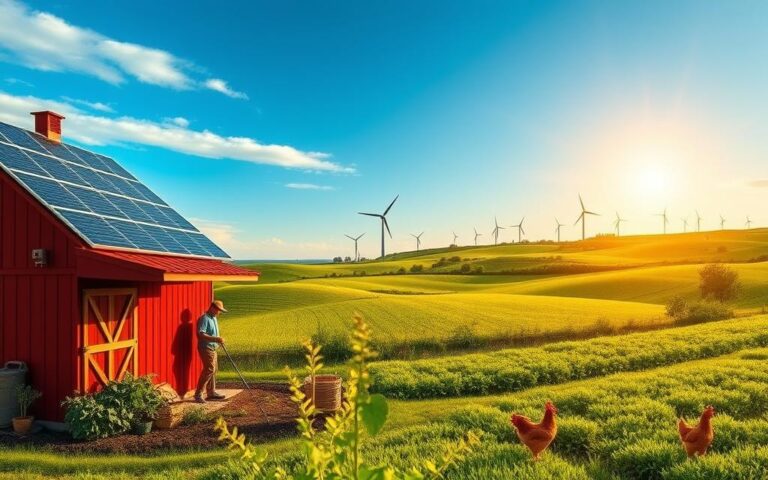

Global fish farming now produces an astonishing 52% of the world’s seafood, consuming nearly 3% of global electricity consumption. This remarkable statistic underscores the critical need for renewable energy aquaculture solutions that can transform traditional fish production methods.
Sustainable fish farming represents a pivotal solution to meet growing global food demands while minimizing environmental impact. Traditional aquaculture operations have long struggled with high energy costs and substantial carbon footprints, creating an urgent mandate for innovative clean energy approaches.
Renewable energy technologies offer a groundbreaking pathway to revolutionize fish farming practices. By integrating solar, wind, hydroelectric, and biomass energy systems, aquaculture operations can dramatically reduce operational expenses while simultaneously decreasing greenhouse gas emissions.
The convergence of technological innovation and environmental stewardship presents an extraordinary opportunity for the aquaculture sector. Renewable energy aquaculture is not just an ecological imperative but a strategic economic advantage that promises more resilient and efficient food production systems.
The Growing Need for Sustainable Practices in Modern Fish Farming
The global aquaculture industry stands at a critical crossroads. Rapid population growth and increasing seafood demand have pushed fish farming to the forefront of food production. Aquaculture sustainability has become more than an environmental buzzword—it’s now a fundamental necessity for the industry’s survival.
Traditional fish farming methods are increasingly under scrutiny due to their significant aquaculture carbon footprint. Energy-intensive operations rely heavily on fossil fuels for critical processes like:
- Water circulation systems
- Aeration equipment
- Temperature control mechanisms
- Feeding infrastructure
Consumer awareness and regulatory pressures are driving substantial changes in seafood production. Stakeholders now demand transparent, environmentally responsible practices that minimize ecological impact.
| Sustainability Metric | Current Industry Status |
|---|---|
| Energy Consumption | 75% Fossil Fuel Dependent |
| Carbon Emissions | 3.5 Million Metric Tons Annually |
| Water Usage Efficiency | Approximately 60% Waste |
Climate change further amplifies the urgency for sustainable aquaculture practices. Rising ocean temperatures, ecosystem disruptions, and resource scarcity create unprecedented challenges for fish farmers worldwide.
“The future of seafood production depends on our ability to innovate and minimize environmental impact.” – Sustainable Fisheries Partnership
Transitioning to renewable energy isn’t just an ecological imperative—it represents a strategic economic opportunity for forward-thinking aquaculture operations.
Understanding Renewable Energy Aquaculture
The world of fish farming is undergoing a transformative shift toward sustainable practices. Aquaculture energy solutions are becoming crucial as the industry seeks to reduce its environmental footprint and operational costs.
What Makes Aquaculture Energy-Intensive
Fish farming requires significant energy resources for multiple critical operations. Energy-efficient fish farming focuses on understanding and optimizing these high-consumption areas:
- Continuous water circulation systems
- Temperature regulation for optimal fish growth
- Advanced water filtration and monitoring equipment
- Automated feeding and management technologies
Recirculating aquaculture systems (RAS) can consume up to 50% of operational expenses in electricity alone, highlighting the urgent need for clean energy fish production strategies.
The Role of Clean Energy in Fish Production
Renewable energy sources provide innovative solutions for powering aquaculture operations. Geographic location, farm size, and specific operational needs determine the most suitable clean energy approach.
- Solar panels for land-based facilities
- Wind turbines for coastal farms
- Hydroelectric systems for water-based operations
- Biomass energy from organic waste
Environmental Benefits of Renewable-Powered Operations
Implementing renewable energy in aquaculture delivers substantial environmental advantages:
- Significant reduction in carbon dioxide emissions
- Decreased water and noise pollution
- Preservation of marine ecosystem biodiversity
- Sustainable protein production with minimal environmental impact
By embracing renewable technologies, fish farms can simultaneously reduce operational costs and contribute to global environmental conservation efforts.
Solar Power Applications in Aquaculture Operations
Green aquaculture technology is revolutionizing fish farming through innovative solar power solutions. Solar-powered fish farms are emerging as a game-changing approach to sustainable aquaculture, offering renewable energy options that dramatically reduce operational costs and environmental impact.
Photovoltaic (PV) systems have become increasingly attractive for aquaculture facilities, particularly in sunlight-rich regions of the United States. These systems provide multiple benefits beyond energy generation:
- Roof-mounted solar panels on fish farm facilities
- Ground-mounted arrays on unused farm land
- Floating solar installations on water surfaces
The practical applications of solar energy in fish farming are extensive. Farmers can power critical infrastructure such as:
- Water circulation pumps
- Automated feeding systems
- Environmental monitoring equipment
- Temperature control mechanisms
| Solar Installation Type | Energy Output | Cost Efficiency |
|---|---|---|
| Roof-Mounted Panels | 10-50 kW | High |
| Ground-Mounted Arrays | 50-250 kW | Medium |
| Floating Solar Systems | 20-100 kW | Very High |
Modern solar installations for aquaculture typically offer a payback period of 5-8 years. Battery storage systems ensure continuous operation during nighttime and cloudy periods, while net metering programs allow farms to sell excess power back to the electrical grid.
Solar technology represents a transformative solution for sustainable fish farming infrastructure.
Successful implementations in states like Arizona and Mississippi demonstrate the significant potential of solar-powered fish farms to reduce energy costs while enhancing environmental sustainability.
Wind Energy Solutions for Coastal and Offshore Fish Farms
Wind energy represents a powerful renewable resource for marine aquaculture operations. Coastal and offshore fish farms are uniquely positioned to leverage wind energy fisheries technologies, transforming how seafood production interfaces with clean energy generation.
Marine renewable energy offers innovative solutions for sustainable fish farming. Offshore aquaculture renewable energy systems can dramatically reduce operational costs while minimizing environmental impact.
Turbine Integration in Marine Environments
Implementing wind turbines in aquaculture settings requires specialized engineering considerations:
- Corrosion-resistant materials for salt-water environments
- Robust structural designs to withstand marine weather conditions
- Strategic placement to maximize wind capture
Small-scale wind turbines (5-100 kW) can effectively power individual fish farm operations. Larger installations can support multiple facilities or feed into localized microgrids.
Hybrid Wind-Aquaculture Systems
Innovative hybrid systems combine wind with other renewable sources to ensure consistent power supply. These integrated approaches create resilient energy solutions for coastal fish farms.
- Solar panels complement wind turbines
- Battery storage optimizes energy management
- Smart grid technologies balance power generation
Regions like Maine, Alaska, and the Pacific Northwest demonstrate significant potential for wind-powered aquaculture, showcasing how marine renewable energy can transform sustainable seafood production.
Hydroelectric and Wave Energy for Water Circulation Systems

Renewable energy technologies are revolutionizing hydropower aquaculture, offering innovative solutions for sustainable fish farming. Water-based energy sources provide unique advantages for powering aquaculture operations, particularly in coastal and river-adjacent environments.
Micro-hydroelectric systems have emerged as a game-changing technology for fish farms. These compact installations can generate consistent power by harnessing natural water flows, making them ideal for facilities with access to streams or constructed water channels.
- Power output ranges from 5-100 kW for aquaculture applications
- 24/7 energy generation capability
- Minimal environmental impact
- Zero carbon emissions
Wave energy fish farms represent an exciting frontier in renewable energy. Wave energy converters (WECs) capture the kinetic energy from ocean waves, transforming marine movement into electricity. This technology shows particular promise in regions with substantial wave resources.
| Energy Source | Power Generation | Environmental Impact |
|---|---|---|
| Micro-Hydroelectric | 5-100 kW | Low |
| Wave Energy | 10-500 kW | Minimal |
“Renewable energy is not just about power generation, it’s about creating sustainable ecosystems for aquaculture.” – Renewable Energy Research Institute
Integrating these water-based energy sources directly with aquaculture infrastructure reduces transmission losses and infrastructure costs. Small-scale hydrokinetic devices can power critical systems like monitoring equipment, aerators, and feeding mechanisms for offshore and coastal fish farms.
Biomass and Biogas from Aquaculture Waste
Aquaculture waste management has transformed from a environmental challenge to an innovative opportunity for renewable energy production. The fish farming industry generates substantial organic waste that can now be converted into valuable energy resources through advanced biomass energy conversion techniques.
Fish farms produce multiple types of organic waste, including:
- Uneaten fish feed
- Fish excrement
- Processing waste
- Deceased fish
Converting Fish Waste into Energy
The anaerobic digestion process represents a groundbreaking approach to circular economy aquaculture. Specialized bacteria break down organic matter in oxygen-free environments, generating biogas rich in methane and carbon dioxide. Typically, fish waste produces 0.3-0.5 cubic meters of biogas per kilogram, creating significant potential for energy generation.
Key components of biogas systems include:
- Waste collection and preprocessing
- Temperature-controlled digester tanks
- Gas storage and purification systems
- Combined heat and power (CHP) units
Circular Economy Models in Fish Farming
Integrated multi-trophic aquaculture (IMTA) systems showcase the potential of circular economy principles. Waste from primary fish production feeds other organisms like shellfish and seaweed, creating a closed-loop system that maximizes resource efficiency and minimizes environmental impact.
The economic benefits of these innovative waste-to-energy approaches are substantial, including reduced waste disposal costs, energy independence, and potential additional revenue streams from fertilizer production.
Geothermal Energy for Temperature Control in Aquaculture Facilities
Geothermal aquaculture systems represent a groundbreaking green aquaculture technology that transforms how fish farms manage water temperature. These innovative systems tap into the earth’s stable underground temperatures to create optimal growing environments for aquatic species.
The core principle of geothermal energy in aquaculture involves using ground-source heat pumps to maintain consistent water temperatures. This renewable approach provides unprecedented temperature control with remarkable energy efficiency.
- Ground temperatures remain constant between 50-60 degrees Fahrenheit
- Heat pumps circulate fluid through underground pipes
- Energy transfer occurs between ground and aquaculture water systems
“Geothermal technology offers aquaculture operators an environmentally friendly solution for precise temperature management.” – Sustainable Aquaculture Research Institute
Geothermal aquaculture systems deliver substantial benefits across different farming scenarios:
- Recirculating aquaculture systems requiring exact temperature control
- Hatcheries where temperature impacts egg development
- Species-specific operations like tropical and cold-water fish farming
Installations typically involve shallow geothermal systems reaching 100-400 feet deep, making them accessible for most geographical locations. The long-term reliability and minimal environmental impact make these green aquaculture technology solutions increasingly attractive to forward-thinking fish farmers.
Economic Benefits and Return on Investment for Renewable Energy Systems
Renewable energy solutions are transforming the economic landscape of fish farming. Aquaculture energy solutions offer significant financial advantages for modern fish producers seeking to optimize their operations and reduce long-term costs.
Cost Savings Through Energy Independence
Energy expenses typically consume 20-40% of operational budgets in intensive fish farming. Renewable energy ROI presents a compelling strategy for reducing these substantial costs. Fish farm operators can achieve remarkable financial benefits by implementing clean energy technologies.
- Typical payback periods for renewable technologies:
- Solar systems: 5-8 years
- Wind turbines: 7-12 years
- Geothermal heat pumps: 5-10 years
- Biogas systems: 3-7 years
Government Incentives and Funding Opportunities
Energy independence in fish farming becomes even more attractive with robust government support. Multiple financial incentives make renewable energy investments increasingly accessible for aquaculture businesses.
- Federal support programs:
- USDA Rural Energy for America Program (REAP)
- Grants covering up to 25% of project costs
- Loan guarantees for renewable energy installations
- Investment Tax Credit (ITC)
- 30% tax credits for solar installations
- Applicable through 2032
By strategically combining multiple incentive programs, fish farmers can reduce net project costs by 40-60%, dramatically improving their renewable energy ROI and establishing a more sustainable operational model.
Case Studies of Successful Renewable Energy Integration in Fish Farms
Renewable energy is transforming sustainable fish farming across the United States. Innovative eco-friendly aquaculture operations are demonstrating the powerful potential of clean energy technologies in seafood production.
Several remarkable case studies highlight the practical implementation of renewable energy in aquaculture:
- Mississippi Catfish Farm Solar Breakthrough: A cutting-edge catfish facility installed 150 kW of solar panels, reducing electricity costs by 65% and achieving a six-year payback period through USDA REAP grant funding.
- Maine Offshore Salmon Innovation: An advanced salmon farm implemented a hybrid wind-solar system with battery storage, eliminating diesel generators and significantly cutting operational expenses.
- California Tilapia Geothermal Success: A recirculating aquaculture system (RAS) utilized geothermal heat pumps, maintaining optimal water temperatures while reducing heating costs by 70%.
These pioneering farms showcase the economic and environmental benefits of integrating renewable energy into fish production. Sustainable fish farming is no longer a distant dream but a current reality.
“Renewable energy isn’t just good for the planet—it’s smart business for modern aquaculture,” says Dr. Sarah Martinez, sustainable agriculture researcher.
The benefits extend beyond energy savings. Eco-friendly aquaculture practices improve product marketability, access premium seafood markets, and enhance community relations. Farms adopting these technologies demonstrate leadership in agricultural innovation.
As renewable energy technologies become more accessible and affordable, more fish farms are expected to embrace these transformative solutions.
Challenges and Solutions in Implementing Clean Energy Technologies
Implementing aquaculture energy solutions requires strategic planning and innovative approaches. Fish farmers face multiple barriers when transitioning to energy-efficient fish farming technologies. Understanding these challenges helps develop sustainable fish farming strategies that balance economic feasibility with environmental responsibility.
Overcoming Initial Investment Barriers
The primary obstacle for most aquaculture operations is the substantial upfront cost of renewable energy systems. Innovative financing methods can help mitigate these financial challenges:
- Power Purchase Agreements (PPAs)
- Equipment leasing arrangements
- Cooperative purchasing models
- Community investment strategies
Technical Considerations for Different Farm Sizes
Energy technology selection depends critically on farm scale and specific operational requirements. Farmers must carefully assess their unique infrastructure and production capabilities.
| Farm Size | Recommended Energy Solutions | Estimated Investment Range |
|---|---|---|
| Small-Scale (Under 50,000 lbs) | Solar Installations (10-30 kW) | $50,000 – $100,000 |
| Medium-Scale (50,000-500,000 lbs) | Hybrid Solar-Wind Systems | $150,000 – $350,000 |
| Large-Scale (500,000+ lbs) | Comprehensive Renewable Integration | $400,000 – $750,000 |
Successful renewable energy integration requires comprehensive planning, technical expertise, and a willingness to invest in long-term sustainability. Farmers should collaborate with industry experts and leverage available resources to navigate these complex technological transitions.
Conclusion
The landscape of sustainable fish farming is rapidly transforming through innovative renewable energy aquaculture strategies. Emerging technologies and strategic approaches are enabling aquaculture operations to dramatically reduce carbon footprints while enhancing economic performance. Renewable energy solutions ranging from solar installations to wind turbines are proving critical in reshaping how seafood production integrates environmental stewardship with operational efficiency.
Modern aquaculture operators now recognize that sustainable fish farming isn’t just an environmental ideal—it’s a strategic business imperative. By implementing diverse renewable energy technologies, farms can achieve significant cost reductions, improve energy independence, and create more resilient production systems. Each renewable energy investment represents a forward-thinking approach to addressing global protein demands while protecting marine ecosystems.
Looking ahead, the integration of renewable energy into aquaculture will become increasingly sophisticated. Advanced technologies like artificial intelligence energy management, improved battery storage systems, and innovative offshore renewable energy installations will continue expanding possibilities. Early adopters of these technologies will position themselves as industry leaders, demonstrating that sustainable fish farming can simultaneously meet global food security needs and environmental conservation goals.
As consumer awareness and regulatory pressures evolve, renewable energy aquaculture will transition from an alternative approach to a standard industry practice. Aquaculture operations that proactively embrace these transformative technologies will not only secure competitive advantages but also contribute meaningfully to global sustainability efforts. The future of fish farming is green, efficient, and increasingly powered by clean, renewable energy sources.
FAQ
What is renewable energy aquaculture?
Renewable energy aquaculture is an innovative approach to fish farming that integrates clean energy sources like solar, wind, hydro, and biomass to power fish production operations. This method reduces carbon emissions, lowers operational costs, and creates a more sustainable approach to seafood production by using environmentally friendly energy technologies.
How much energy do typical fish farming operations consume?
Aquaculture facilities can spend 30-50% of their operational costs on electricity, with continuous systems like water circulation, aeration, temperature control, and automated feeding running 24/7. These energy-intensive processes make renewable energy solutions particularly attractive for reducing operational expenses.
What are the most common renewable energy sources for aquaculture?
The most prevalent renewable energy sources for fish farming include solar power, wind energy, hydroelectric systems, geothermal energy, and biomass/biogas technologies. Each source offers unique benefits depending on the farm’s geographic location, size, and specific operational requirements.
Can renewable energy completely power a fish farm?
Many aquaculture operations can achieve 80-100% renewable energy through hybrid systems that combine multiple clean energy technologies. By integrating solar panels, wind turbines, and energy storage solutions, farms can create comprehensive renewable energy strategies that provide consistent power.
What financial incentives exist for implementing renewable energy in aquaculture?
Aquaculture operations can access multiple financial incentives, including the USDA Rural Energy for America Program (REAP) grants, federal Investment Tax Credit (offering 30% tax credits for solar), Modified Accelerated Cost Recovery System (MACRS), and various state-level rebates and tax incentives that can reduce project costs by 40-60%.
How long does it take to recoup renewable energy investments?
Payback periods for renewable energy systems in aquaculture typically range from 5-12 years, depending on the technology. Solar systems average 5-8 years, wind turbines 7-12 years, and geothermal heat pumps 5-10 years, with ongoing energy savings and potential additional revenue streams.
What environmental benefits does renewable energy bring to fish farming?
Renewable energy in aquaculture reduces carbon dioxide emissions, minimizes water pollution from fossil fuel combustion, decreases noise pollution in marine environments, and contributes to ocean health and biodiversity conservation while producing sustainable protein sources.
Are there specific renewable energy solutions for different types of fish farms?
Yes, renewable energy can be tailored to various aquaculture operations, from small-scale ponds to large recirculating aquaculture systems (RAS). Solutions range from 10-30 kW solar installations for small farms to comprehensive hybrid systems combining multiple technologies for large-scale operations.
How does biogas technology work in fish farming?
Biogas technology converts fish waste into energy through anaerobic digestion, where bacteria break down organic matter to produce methane. This process generates electricity and heat while creating nutrient-rich fertilizer, implementing a circular economy approach that maximizes resource efficiency.
What challenges do farms face when implementing renewable energy?
Key challenges include high initial investment costs, technical complexity, site-specific considerations, and the need for specialized expertise. However, solutions like power purchase agreements, phased implementation, and government incentives help mitigate these barriers for aquaculture operations.