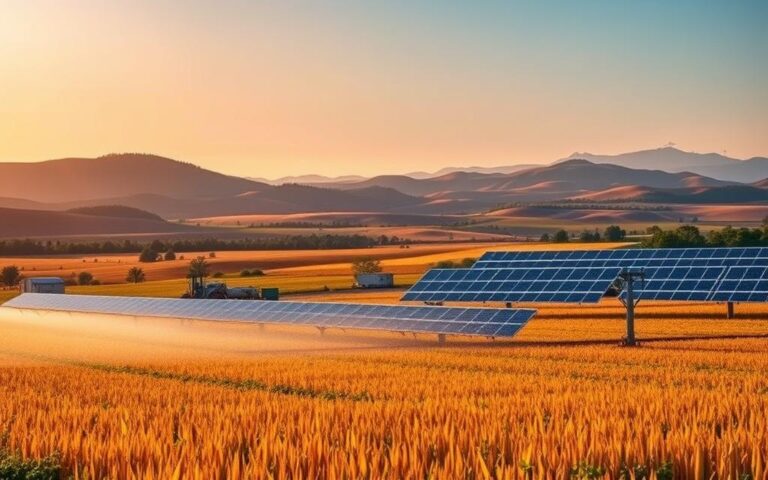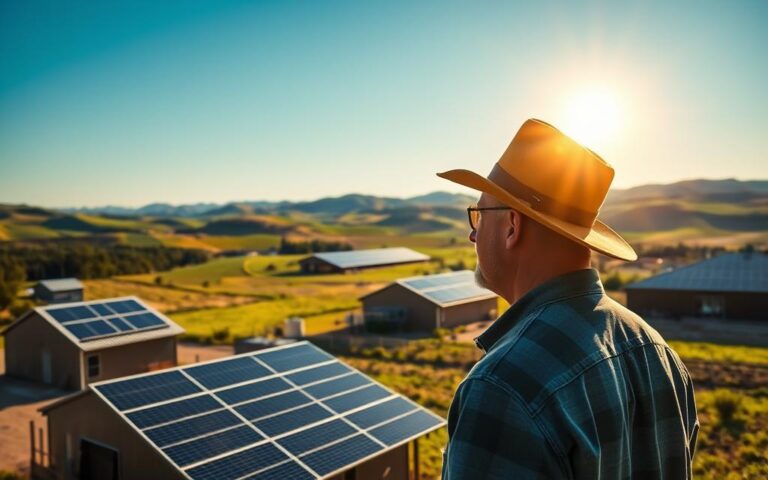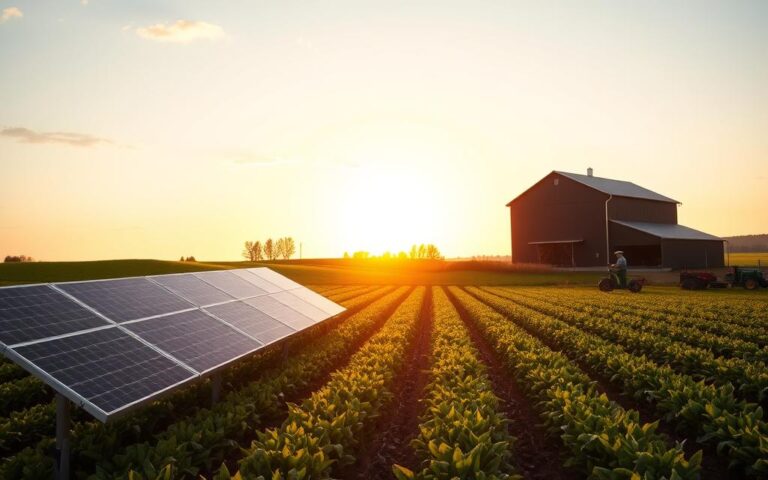

Agricultural technology is experiencing a revolutionary transformation, with 68% of modern farms now incorporating some form of renewable energy precision agriculture technology. This dramatic shift represents a groundbreaking approach to sustainable farming technology that is redefining agricultural productivity and environmental stewardship.
Precision agriculture increasingly relies on advanced technological systems that demand consistent and reliable power sources. Renewable energy solutions—including solar, wind, and biomass—provide the critical electrical infrastructure necessary for operating sophisticated farming equipment, sensors, and data collection systems.
Farmers are discovering that integrating clean energy technologies creates multiple advantages. Smart farming powered by renewable sources enables more efficient resource management, reduces operational costs, and minimizes environmental impact. The synergy between renewable energy and precision agriculture represents a pivotal evolution in modern agricultural practices.
By leveraging sustainable farming technology, agricultural operations can transform their traditional energy consumption models. This approach not only enhances technological capabilities but also positions farms as forward-thinking enterprises committed to ecological responsibility and technological innovation.
The Intersection of Sustainable Power and Modern Farming
Modern agriculture has undergone a dramatic transformation, shifting from traditional methods to advanced precision farming systems powered by innovative clean energy agriculture technologies. This revolution represents a critical intersection between sustainable power generation and cutting-edge agricultural practices.
Precision farming systems now rely on sophisticated technologies that demand consistent and reliable electrical power. Farmers are increasingly adopting renewable energy solutions to meet these complex operational needs. The integration of clean energy agriculture has become more than just an environmental choice—it’s a strategic operational imperative.
- Smart sensors require continuous power for real-time crop monitoring
- Automated irrigation systems depend on stable energy infrastructure
- Data collection and processing need uninterrupted electrical supply
Renewable energy sources like solar panels and wind turbines are now viewed as critical infrastructure for modern agricultural operations. These technologies enable farmers to generate their own electricity, reducing operational costs and increasing energy independence. The ability to power precision farming systems directly from on-site renewable sources represents a transformative approach to agricultural management.
Energy is no longer just an expense—it’s a strategic resource for innovative farmers.
By embracing clean energy agriculture, farmers are creating more sustainable, efficient, and technologically advanced agricultural ecosystems that can adapt to changing environmental conditions while maintaining high productivity levels.
Understanding Renewable Energy Systems in Agricultural Settings
Renewable energy has transformed agricultural operations by providing sustainable power solutions that reduce environmental impact and operational costs. Farmers are increasingly adopting innovative energy technologies to create more efficient and eco-friendly farming practices.
Modern agricultural settings are experiencing a significant shift towards integrated renewable energy systems. These advanced technologies support solar-powered agriculture, wind energy farming, and biomass energy farming, offering farmers multiple options for sustainable power generation.
Solar Power Infrastructure for Farms
Solar power represents a critical renewable energy solution for agricultural operations. Photovoltaic systems can be strategically implemented in various farm environments:
- Roof-mounted solar panels on agricultural buildings
- Ground-based solar arrays in non-productive land areas
- Solar tracking systems for maximum energy capture
Wind Energy Applications in Rural Areas
Wind energy farming provides another robust renewable power source for agricultural settings. Rural landscapes with consistent wind patterns are ideal for implementing wind energy solutions:
- Large-scale wind turbines for extensive farm operations
- Smaller wind generators for localized power needs
- Wind resource assessment for optimal turbine placement
Biomass and Biogas Solutions
Biomass energy farming transforms agricultural waste into valuable energy resources. Anaerobic digestion and combustion processes convert crop residues and animal manure into usable power, creating a sustainable closed-loop system.
By integrating these renewable energy systems, farmers can achieve greater energy independence, reduce operational costs, and contribute to environmental conservation.
What Precision Agriculture Technologies Require for Optimal Performance
Modern agricultural IoT devices and smart farming equipment demand sophisticated electrical infrastructure to operate efficiently. These advanced technologies require consistent, high-quality power to maintain peak performance across extensive farming operations.
Precision agriculture technologies rely on complex systems that need uninterrupted power for critical monitoring and management tasks. The power requirements vary significantly across different agricultural IoT devices:
- Soil moisture sensors need low-voltage, continuous power
- GPS-guided tractors require substantial electrical capacity
- Drone monitoring systems demand reliable energy sources
- Centralized farm management platforms need stable connectivity
Data transmission capabilities represent a crucial aspect of power management for smart farming equipment. These devices must not only collect information but also transmit data wirelessly, which increases their energy consumption.
Farmers implementing precision agriculture technologies must consider several key power factors:
- Consistent voltage stability
- Continuous 24/7 operational requirements
- Protection against electrical fluctuations
- Scalable power infrastructure
Renewable energy sources like solar and wind power increasingly support these technological demands, providing sustainable solutions for powering agricultural IoT devices across expansive rural landscapes.
Renewable Energy Precision Agriculture: A Symbiotic Relationship
The integration of renewable energy farms with agricultural automation represents a groundbreaking approach to modern farming. This dynamic partnership transforms how farmers approach technology, energy consumption, and operational efficiency.
Precision agriculture technologies demand sophisticated power solutions that renewable energy systems can uniquely provide. The synergy between clean energy generation and smart farming equipment creates unprecedented opportunities for agricultural innovation.
Power Requirements for Smart Farming Equipment
Modern agricultural automation requires substantial electrical infrastructure. Renewable energy farms can support these demanding systems through targeted power solutions:
- Automated guidance systems for tractors and harvesters
- Real-time crop monitoring sensors
- Variable rate controllers for precision irrigation
- Wireless communication networks across farmlands
Energy Independence for Remote Agricultural Operations
Remote agricultural locations often struggle with unreliable electrical grids. Renewable energy provides a critical solution, enabling agricultural automation in previously challenging environments. Farmers can now deploy advanced technologies without expensive infrastructure investments.
On-site renewable generation ensures continuous operation of critical monitoring and management systems, protecting crop investments and maximizing agricultural productivity.
Solar-Powered Sensors and IoT Devices in Crop Management
Agricultural sensors are revolutionizing precision crop management by leveraging solar power to transform how farmers monitor and manage their fields. These innovative IoT devices provide real-time insights into crop conditions, enabling more efficient and sustainable agricultural practices.
Solar-powered agricultural sensors offer several key advantages for modern farming:
- Autonomous operation without external power sources
- Continuous data collection across vast field areas
- Reduced infrastructure and maintenance costs
- Environmentally friendly monitoring solutions
The range of solar-powered sensors includes sophisticated monitoring tools that track critical agricultural parameters:
| Sensor Type | Primary Function | Key Benefit |
|---|---|---|
| Soil Moisture Sensors | Measure ground water content | Precision irrigation management |
| Nutrient Level Detectors | Analyze soil nutrient composition | Targeted fertilization strategies |
| Microclimate Weather Stations | Monitor local environmental conditions | Crop health prediction |
Precision crop management becomes significantly more effective with these solar-powered devices. Farmers can now receive granular data about different field zones, allowing for targeted interventions rather than uniform treatments. Small solar panels integrated with battery storage enable continuous operation, transmitting critical agricultural data wirelessly to central management platforms.
By embracing these advanced agricultural sensors, farmers can optimize resource usage, reduce environmental impact, and improve overall crop productivity through intelligent, data-driven decision-making.
Wind Energy Supporting Automated Irrigation Systems
Agricultural water management has entered a new era of sustainability through innovative wind-powered solutions. Automated irrigation systems are transforming how farmers approach water resource management by integrating renewable energy technologies.
Wind energy presents a groundbreaking approach to powering critical agricultural infrastructure. Farmers can now leverage wind turbines to drive water pumping mechanisms with unprecedented efficiency.
Powering Water Pumps with Wind Turbines
Modern wind turbines offer multiple strategies for supporting automated irrigation systems:
- Direct mechanical water pumping
- Electrical generation for electric pump operation
- Hybrid renewable energy integration
Energy storage agriculture techniques have dramatically improved wind power’s reliability for irrigation. Farmers can now maintain consistent water supply regardless of wind conditions.
Energy Storage Solutions for Continuous Operation
Innovative storage technologies ensure uninterrupted irrigation performance:
| Storage Method | Capacity | Operational Benefits |
|---|---|---|
| Battery Systems | 4-8 Hours | Immediate Power Backup |
| Elevated Water Tanks | 12-24 Hours | Gravity-Fed Irrigation |
| Hybrid Renewable Systems | 24+ Hours | Complete Energy Independence |
These advanced solutions transform wind energy into a reliable agricultural power source, enabling precision irrigation strategies that optimize water and energy consumption.
Reducing Operational Costs Through Clean Energy Integration
Modern farms face increasing pressure to optimize operational costs while maintaining productivity. Renewable power systems offer a strategic solution for addressing these financial challenges in agriculture. Farm energy efficiency has become a critical consideration for agricultural businesses seeking to reduce long-term expenses.
Farmers can achieve significant cost savings through strategic renewable energy investments. The economic benefits of clean energy integration extend far beyond initial installation costs:
- Reduced electricity expenses for precision agriculture technologies
- Protection against volatile utility rate increases
- Long-term financial predictability
- Potential tax incentives and government grants
The financial landscape for renewable energy in agriculture presents compelling advantages:
| Energy System | Typical Payback Period | Annual Cost Savings |
|---|---|---|
| Solar Panel Installation | 5-7 years | $8,000 – $15,000 |
| Wind Turbine System | 6-9 years | $10,000 – $20,000 |
| Hybrid Renewable Setup | 4-6 years | $12,000 – $25,000 |
Innovative renewable power systems not only decrease operational expenses but also provide agricultural operations with greater energy independence. The USDA Rural Energy for America Program (REAP) offers grants and loan guarantees that can offset initial investment costs, making clean energy more accessible for farms of all sizes.
Clean energy is no longer just an environmental choice—it’s a smart financial strategy for modern agricultural businesses.
Environmental Benefits of Combining Renewables with Precision Farming
Agricultural sustainability has emerged as a critical focus for modern farming practices. The integration of renewable energy with precision agriculture technologies offers a powerful approach to environmental stewardship and ecological preservation.
Farmers are increasingly adopting carbon-neutral farming strategies that leverage cutting-edge technologies to minimize environmental impact. These innovative approaches transform traditional agricultural methods into eco-friendly farming systems that protect both productivity and planetary health.
Carbon Footprint Reduction in Agriculture
Renewable energy technologies provide multiple pathways for reducing agricultural carbon emissions:
- Replacing fossil fuel-powered equipment with clean energy solutions
- Optimizing fertilizer application to reduce nitrous oxide emissions
- Minimizing fuel consumption through precision farming techniques
Some advanced agricultural operations are achieving near-zero carbon emissions, with certain farms approaching carbon-negative status through integrated renewable energy systems.
Soil Health and Ecosystem Preservation
Precision agriculture powered by renewable energy supports comprehensive environmental protection strategies:
- Protecting soil structure through targeted field management
- Reducing chemical runoff with site-specific treatment applications
- Preserving beneficial insect populations and wildlife habitats
Innovative renewable energy infrastructures, such as solar arrays with pollinator-friendly ground cover, demonstrate how agricultural technologies can simultaneously produce food and support ecological diversity.
Case Studies: Farms Successfully Implementing Renewable-Powered Precision Agriculture
Green farming technology is revolutionizing agricultural practices across the United States. Innovative farmers are demonstrating how sustainable farming technology can transform traditional agricultural operations into cutting-edge, environmentally conscious enterprises.
Several remarkable case studies highlight the successful integration of renewable energy with precision agriculture:
- California Almond Orchard: Solar-powered irrigation management
- Midwest Grain Farm: Wind energy-powered precision equipment
- Northeast Dairy Operation: Biogas-driven automated systems
The California almond orchard presents a compelling example of green farming technology in action. By implementing solar-powered soil moisture sensors and weather stations, the farm reduced water consumption by 30% while maintaining optimal crop yield.
“Renewable energy isn’t just environmentally responsible—it’s a smart business strategy,” says Sarah Martinez, sustainable agriculture specialist.
| Farm Type | Renewable Energy Source | Efficiency Improvement |
|---|---|---|
| Almond Orchard | Solar | 30% Water Savings |
| Grain Farm | Wind | 25% Energy Independence |
| Dairy Farm | Biogas | 40% Operational Cost Reduction |
These pioneering farms demonstrate that sustainable farming technology can simultaneously address environmental concerns and improve economic performance. By investing in renewable energy infrastructure, agricultural operations can achieve significant operational efficiencies.
The success of these case studies illustrates a broader trend: green farming technology is no longer a futuristic concept but a present-day reality driving agricultural innovation.
Overcoming Challenges in Renewable Energy Adoption for Tech-Driven Farms
Farmers exploring renewable energy farms face multiple obstacles when integrating clean energy with precision farming systems. The initial investment represents a significant barrier for agricultural operations seeking technological advancement.
Key challenges in implementing renewable energy technologies include:
- High upfront capital requirements
- Technical complexity of energy systems
- Regulatory and permitting hurdles
- Integration with existing agricultural infrastructure
Financial strategies can help farmers overcome economic constraints. Specialized agricultural loans, power purchase agreements, and equipment leasing options provide flexible funding mechanisms for renewable energy installations.
Technical expertise plays a crucial role in successful implementation. Partnering with experienced renewable energy consultants who understand precision farming systems helps farmers navigate complex technical requirements.
The future of agriculture depends on strategic energy investments that balance technological innovation with economic feasibility.
Regulatory landscapes vary by state, creating additional complexity for renewable energy farms. Farmers must carefully research local interconnection requirements, building permits, and zoning regulations specific to their region.
Energy reliability remains a primary concern for precision agriculture technologies. Hybrid energy systems with robust storage solutions ensure continuous operation, mitigating potential disruptions in farm management.
> Future Innovations: Next-Generation Clean Energy for Agricultural Technology
The agricultural automation landscape is rapidly evolving, with cutting-edge technologies transforming how farmers leverage renewable energy. Smart farming equipment now stands at the forefront of an exciting technological revolution that promises to redefine sustainable agriculture.
The future of agricultural energy systems hinges on two critical developments: emerging battery technologies and sophisticated hybrid energy solutions. These innovations will dramatically enhance the capabilities of smart farming equipment and agricultural automation strategies.
Emerging Battery Technologies
Next-generation energy storage is set to revolutionize precision farming. Breakthrough battery technologies are emerging that offer unprecedented performance:
- Solid-state batteries with higher energy density
- Flow batteries enabling scalable agricultural energy storage
- Repurposed electric vehicle batteries for farm power systems
These advanced storage solutions will provide farms with greater energy independence, allowing seamless power management across seasonal variations.
Hybrid Energy Systems
Intelligent energy integration represents the next frontier in agricultural automation. Sophisticated hybrid systems will combine multiple renewable sources through advanced management technologies:
- AI-powered microgrids combining solar, wind, and biomass
- Agrivoltaic systems integrating solar panels with crop production
- Smart grid technologies enabling farms to participate in energy markets
As renewable technologies continue advancing, smart farming equipment will become increasingly efficient, sustainable, and adaptable to changing environmental conditions.
Conclusion
The integration of renewable energy and precision agriculture represents a groundbreaking shift in modern farming practices. By leveraging clean energy technologies, farmers can unlock unprecedented operational efficiency and environmental sustainability. Agricultural sustainability is no longer a distant goal but an achievable reality through strategic technological investments.
Renewable energy precision agriculture offers farmers a comprehensive approach to addressing multiple industry challenges. Advanced solar, wind, and biomass systems provide robust power solutions that enable sophisticated agricultural technologies to operate in remote locations. This synergy reduces operational costs while simultaneously minimizing carbon footprints and enhancing overall farm productivity.
Successful implementation requires strategic planning and initial investment. Farmers who embrace these innovative technologies will position themselves at the forefront of agricultural transformation. The future of farming lies in intelligent resource management, powered by clean energy and guided by data-driven insights that optimize every aspect of agricultural production.
As renewable energy technologies continue evolving and becoming more accessible, agricultural operations can expect increasingly sophisticated integration opportunities. Farms that proactively explore these emerging solutions will develop competitive advantages, ensuring long-term economic resilience and environmental stewardship in an increasingly complex agricultural landscape.
FAQ
What is precision agriculture?
Precision agriculture is a farming management concept that uses advanced technologies like GPS, sensors, and data analytics to optimize crop production. It involves collecting detailed, site-specific information about field conditions to make more precise and efficient farming decisions.
How do renewable energy sources support precision agriculture technologies?
Renewable energy sources such as solar, wind, and biomass provide reliable, clean power for sophisticated agricultural technologies. They enable continuous operation of sensors, automated equipment, and data collection systems that are crucial for precision farming, especially in remote locations with limited grid access.
What are the primary renewable energy systems used in agriculture?
The three main renewable energy systems in agriculture are: – Solar power: Photovoltaic panels on barn roofs or ground-mounted arrays – Wind energy: Large turbines or smaller farm-specific wind generators – Biomass and biogas: Converting agricultural waste and manure into usable energy
What specific technologies require power in precision agriculture?
Precision agriculture technologies requiring consistent power include: – Soil moisture sensors – Weather stations – GPS-guided tractors and implements – Variable rate application equipment – Drone monitoring systems – Farm management software platforms
How do solar-powered sensors benefit crop management?
Solar-powered sensors can be deployed throughout fields without trenching for power cables or battery replacements. They collect granular data on soil moisture, nutrient levels, pest activity, and microclimate conditions, enabling farmers to make targeted, data-driven interventions.
What are the economic benefits of integrating renewable energy with precision agriculture?
Key economic benefits include: – Reduced operational electricity costs – Protection from utility rate fluctuations – Potential payback periods of 5-10 years – Eligibility for federal and state renewable energy incentives – Improved overall farm operational efficiency
Can renewable energy truly support large-scale farming operations?
Yes, renewable energy systems can be scaled to meet substantial agricultural power demands. Modern installations can generate enough electricity to power comprehensive precision agriculture systems across hundreds or thousands of acres, providing reliable and consistent energy.
What environmental advantages come from combining renewables with precision farming?
This combination offers significant environmental benefits, including: – Reduced greenhouse gas emissions – Minimized chemical runoff – More efficient resource use – Preservation of soil health – Protection of beneficial ecosystem elements
What challenges exist in adopting renewable energy for precision agriculture?
Challenges include: – High initial capital investment – Technical complexity of system integration – Regulatory and permitting hurdles – Need for specialized technical knowledge – Ensuring system reliability and consistent power supply
What future innovations are expected in clean energy for agricultural technology?
Emerging innovations include: – Advanced battery technologies like solid-state and flow batteries – Hybrid renewable energy systems – AI-powered energy management – Agrivoltaic systems – Sophisticated agricultural robotics powered by renewable energy