
Agricultural water consumption in the United States accounts for nearly 80% of the nation’s total water usage, with traditional irrigation methods consuming vast amounts of energy and resources. The urgent need for sustainable farming practices has sparked a revolutionary approach to water management through renewable energy for farms.
Modern agricultural challenges demand innovative solutions that can simultaneously address water scarcity and energy efficiency. Renewable energy technologies are emerging as powerful tools for transforming how farmers manage water resources, offering cost-effective and environmentally friendly alternatives to conventional irrigation systems.
Farms across the United States are increasingly adopting clean energy solutions to power their water infrastructure. Solar panels, wind turbines, and hydroelectric micro-systems are becoming essential components of sustainable farming practices, enabling farmers to reduce operational costs while minimizing their carbon footprint.
The integration of renewable energy into agricultural water management represents a critical strategy for addressing the complex challenges of water distribution, irrigation efficiency, and environmental sustainability. By leveraging innovative technologies, farmers can create more resilient and productive agricultural ecosystems that balance resource conservation with economic viability.
The Growing Need for Sustainable Water Systems in Modern Agriculture
Agriculture stands at a critical crossroads where water management solutions are no longer optional but essential for survival. The increasing challenges of water scarcity and environmental sustainability demand innovative approaches to agricultural water conservation.
Farmers across the United States are experiencing unprecedented water resource pressures. The changing climate and increased demand are transforming traditional agricultural practices.
Water Scarcity Challenges Facing Farmers Today
Water availability has become a pressing concern for agricultural communities. Key regions experiencing significant challenges include:
- California’s Central Valley
- The Great Plains
- Southwestern United States
Groundwater levels are declining rapidly, creating substantial challenges for crop production. Climate change has dramatically altered precipitation patterns, forcing farmers to rethink their water management strategies.
“Water is the most critical resource for agricultural sustainability” – National Agricultural Research Center
Environmental Impact of Traditional Irrigation Methods
Traditional irrigation systems powered by fossil fuels contribute significantly to environmental degradation. Diesel pumps and grid electricity generated from non-renewable sources create substantial carbon footprints.
- High greenhouse gas emissions
- Increased operational costs
- Unsustainable water distribution systems
Agricultural water conservation requires a comprehensive approach that integrates renewable energy technologies and intelligent water management solutions to address these critical challenges.
How Solar Power Transforms Agricultural Water Pumping
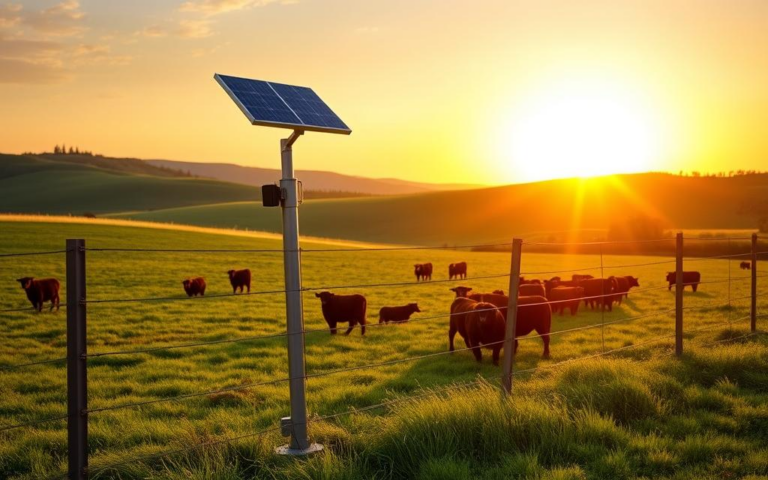
Solar-powered irrigation systems are revolutionizing water management in modern agriculture. Farmers across the United States are discovering the incredible potential of off-grid water systems that harness sunlight to power critical agricultural infrastructure.
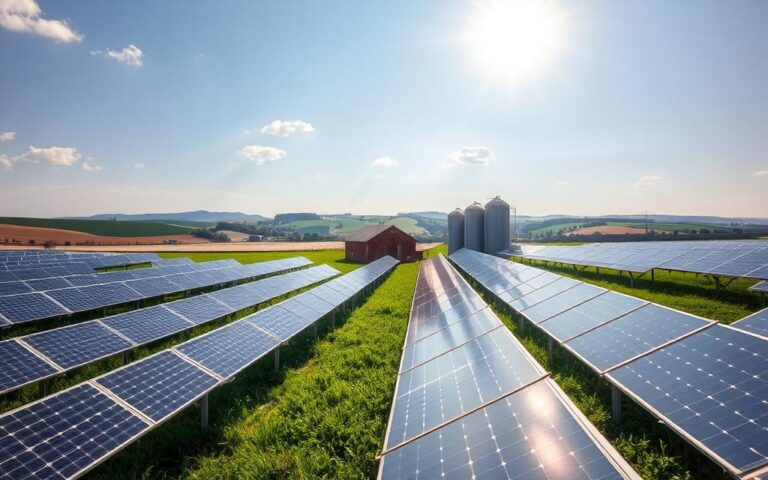
The technology behind solar water pumping is straightforward yet powerful. Photovoltaic panels convert sunlight directly into electricity, enabling farmers to pump water without relying on traditional power sources. This innovative approach offers several key advantages:
- Reduced operational costs
- Minimal environmental impact
- Increased energy independence
- Reliable water supply in remote locations
Modern solar irrigation systems come in various configurations to suit different agricultural needs. Submersible pumps work efficiently for deep wells, while surface pumps excel in shallow water sources. Floating solar pump systems have emerged as an innovative solution for farmers with pond or reservoir water resources.
Key system components include:
- Solar array panels
- Charge controllers
- Inverters
- Specialized pump motors
States like Arizona, Texas, and Nebraska have become hotspots for solar-powered irrigation systems. These regions benefit from abundant sunlight and increasing agricultural water management challenges. Farmers can now design off-grid water systems that provide consistent water supply while dramatically reducing energy expenses.
Solar irrigation represents the future of sustainable agricultural water management.
Technological advances continue to improve solar pump efficiency, with tracking systems that maximize energy capture and hybrid configurations enabling 24-hour water access through integrated battery storage.
Wind Energy Applications for Large-Scale Irrigation Projects
Wind-powered water pumps are revolutionizing energy-efficient agriculture across rural landscapes. Farmers are discovering innovative solutions that harness wind energy to transform water management strategies, particularly in regions with consistent wind resources.
Agricultural regions like the Great Plains and Midwest present ideal conditions for implementing wind energy irrigation solutions. These areas offer unique opportunities to leverage natural wind patterns for sustainable water management.
Turbine Technology for Remote Farming Locations
Modern wind turbine technologies provide powerful options for agricultural water pumping:
- Small-scale turbines (1-10 kW) for individual farm operations
- Medium-scale systems (10-100 kW) for cooperative irrigation projects
- Utility-scale wind farm connections through power purchase agreements
“Wind energy represents a game-changing technology for agricultural water management, offering unprecedented energy independence,” says renewable energy expert Dr. Sarah Martinez.
Cost-Benefit Analysis of Wind-Powered Water Systems
Wind-powered water pumps deliver significant economic advantages for farmers. Comprehensive financial modeling reveals compelling benefits:
- Reduced long-term energy costs
- Minimal maintenance requirements
- 20-30 year system lifetime
- Potential access to federal and state renewable energy incentives
Farmers in states like Kansas, Oklahoma, and Iowa are already experiencing substantial savings through energy-efficient agriculture powered by wind technologies.
Renewable Energy Water Management Agriculture: Integrated Solutions
Climate-smart agriculture demands innovative approaches to water management that leverage renewable energy technologies. Green irrigation technology has emerged as a critical solution for farmers seeking sustainable and efficient water systems.
Integrated renewable energy solutions are transforming agricultural water management by combining multiple energy sources to create resilient irrigation networks. Farmers can now design sophisticated systems that optimize water delivery through intelligent energy strategies.
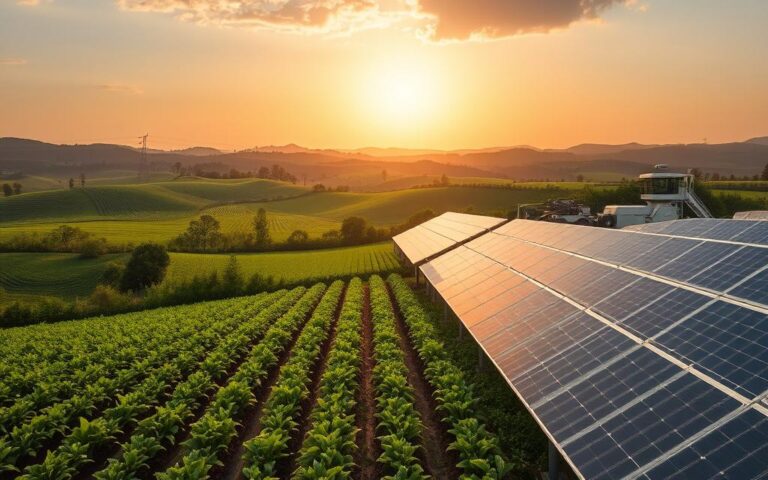
- Solar panels providing daytime irrigation power
- Wind turbines supporting evening water distribution
- Smart controllers automating energy switching
- Precision moisture monitoring systems
The synergy between renewable energy sources creates unique opportunities for climate-smart agriculture. Farms can now develop water management strategies that adapt to changing environmental conditions while reducing carbon emissions.
| Energy Source | Irrigation Efficiency | Seasonal Performance |
|---|---|---|
| Solar Power | 85-90% | Peak Summer Months |
| Wind Energy | 75-85% | Spring/Fall Periods |
| Hybrid Systems | 92-95% | Year-Round Consistency |
Advanced green irrigation technology enables farmers to implement precision water delivery methods that minimize waste and maximize crop productivity. By integrating renewable energy with smart agricultural practices, farmers can create more sustainable and economically viable farming operations.
Hydroelectric Micro-Systems for Farm Water Distribution
Precision agriculture technology is revolutionizing water management through innovative hydroelectric irrigation solutions. Farmers are discovering powerful ways to generate renewable energy while optimizing water distribution across agricultural landscapes.
Small-Scale Hydro Power for Gravity-Fed Irrigation
Small-scale hydroelectric systems offer remarkable opportunities for farms with natural elevation differences. These micro-hydro installations transform water flow into electrical energy, creating a dual-purpose infrastructure that supports both irrigation and power generation.
- Utilize natural topographical advantages
- Generate electricity during water distribution
- Maximize farm energy efficiency
Stream and Canal Energy Harvesting Techniques
Modern hydroelectric irrigation strategies leverage existing water infrastructure to capture renewable energy. Innovative technologies enable farmers to extract power from irrigation canals, drainage systems, and water conveyance networks.
| Energy Harvesting Method | Power Generation Potential | Water Usage Impact |
|---|---|---|
| In-Conduit Turbines | 5-25 kW | Minimal disruption |
| Canal-Based Hydrokinetic Devices | 10-50 kW | Integrated water flow |
| Tailwater Recovery Systems | 3-15 kW | Recycled agricultural runoff |
Farmers implementing these precision agriculture technology solutions can unlock sustainable energy potential while maintaining critical water distribution requirements.
Biomass Energy for Powering Water Treatment Facilities
Sustainable farming practices are revolutionizing water management through innovative biomass energy solutions. Farmers are transforming agricultural waste into powerful energy sources that can drive water treatment and irrigation systems efficiently.
Biomass energy farming offers multiple advantages for agricultural water infrastructure. Crop residues, animal manure, and organic waste can be converted into renewable energy through several cutting-edge technologies:
- Anaerobic digesters converting manure into biogas
- Direct combustion systems using crop residues
- Gasification units for generating electricity
- Combined heat and power systems
Farms in agricultural states like Wisconsin and Minnesota are pioneering these technologies. Rice hull combustion and dairy manure biogas conversion demonstrate how biomass energy can provide consistent, controllable power for water management infrastructure.
The economic benefits are significant. Farmers can simultaneously manage waste disposal, generate energy, and reduce operational costs. By integrating biomass energy systems, agricultural operations create a closed-loop approach to sustainable resource management.
Biomass energy represents a game-changing solution for agricultural water infrastructure, turning waste into a valuable renewable resource.
Smart Grid Technologies Connecting Renewable Energy to Irrigation Networks
The agricultural landscape is rapidly transforming through innovative smart irrigation systems and precision agriculture technology. Digital technologies are revolutionizing how farmers manage water resources, creating more efficient and sustainable farming practices.
IoT Sensors and Energy-Efficient Water Management
Intelligent sensor networks are changing water management in agriculture. These advanced systems provide real-time monitoring of critical farming parameters, including:
- Soil moisture levels
- Weather conditions
- Crop water stress indicators
- Energy production from renewable sources
Smart irrigation systems leverage Internet of Things (IoT) technologies to optimize water usage. Farmers can now access precise data through mobile applications, enabling remote monitoring and control of irrigation networks.
Battery Storage Solutions for Consistent Water Supply
Energy storage technologies are crucial for maintaining consistent water supply. Lithium-ion battery systems and advanced flow batteries bridge the gap between renewable energy production and irrigation demands.
- Store solar energy captured during daylight
- Provide backup power during low-generation periods
- Enable off-peak electricity storage
Precision agriculture technology continues to push boundaries, creating more resilient and efficient farming ecosystems that reduce water waste and energy consumption.
Economic Incentives and Government Programs Supporting Green Water Infrastructure

Farmers seeking to implement renewable energy solutions for water management can tap into a range of financial support programs designed to make energy-efficient agriculture more accessible. The United States government offers multiple pathways to reduce the economic barriers for sustainable water infrastructure projects.
Key renewable energy incentives for agricultural water systems include:
- USDA Rural Energy for America Program (REAP) grants covering up to 25% of project costs
- Federal Investment Tax Credit (ITC) for solar energy installations
- Modified Accelerated Cost Recovery System (MACRS) for renewable energy equipment
- State-level financial assistance programs
The Environmental Quality Incentives Program (EQIP) provides critical funding for farmers looking to integrate renewable energy into their water management strategies. State-specific programs offer additional financial support, with notable examples including:
- California’s State Water Efficiency and Enhancement Program (SWEEP)
- Colorado’s renewable energy property tax exemptions
- Iowa’s solar energy system tax credits
- New York’s agricultural energy efficiency programs
Innovative financing mechanisms are expanding opportunities for energy-efficient agriculture. Power purchase agreements (PPAs) and energy service agreements (ESAs) enable farmers to implement renewable water infrastructure with minimal upfront costs. Rural electric cooperatives and specialized agricultural lending institutions provide tailored financial solutions that make green water management more economically viable.
Investing in renewable energy water systems is no longer just an environmental choice—it’s a smart economic strategy for modern agriculture.
Conclusion
The future of sustainable farming practices demands innovative solutions that address water scarcity and environmental challenges. Renewable energy technologies have emerged as critical tools for transforming agricultural water management across the United States. From solar-powered irrigation systems to wind energy applications, farmers now have powerful options to enhance operational efficiency while reducing environmental impact.
Climate-smart agriculture represents a strategic approach to farming that integrates renewable energy technologies with advanced water management techniques. By adopting integrated renewable energy solutions, agricultural operations can simultaneously reduce operational costs, increase water conservation, and minimize greenhouse gas emissions. These technological innovations provide farmers with resilient strategies to combat increasing environmental uncertainties.
Economic considerations play a significant role in driving renewable energy adoption. Declining technology costs, government incentives, and long-term operational savings create compelling financial arguments for implementing sustainable water management systems. Farmers who invest in renewable energy infrastructure position themselves for greater economic stability and environmental stewardship in an increasingly complex agricultural landscape.
The path forward requires proactive engagement from farmers, policymakers, and technology providers. By exploring renewable energy potential, understanding available resources, and implementing strategic water management solutions, agricultural operations can build a more sustainable and resilient future. Renewable energy is not just an environmental choice but a critical strategy for ensuring long-term agricultural success in the United States.
FAQ
What are renewable energy solutions for agricultural water management?
Renewable energy solutions for agricultural water management include solar-powered irrigation systems, wind turbines for water pumping, micro-hydroelectric systems, and biomass energy technologies that help farmers efficiently manage water resources while reducing carbon emissions and operational costs.
How can solar power transform agricultural water pumping?
Solar power can transform agricultural water pumping by providing clean, sustainable electricity to run water pumps, eliminating dependence on diesel fuel or grid electricity. Solar photovoltaic systems can power submersible pumps, surface pumps, and floating solar pumps for various water sources across different farm environments.
What are the economic benefits of renewable energy in irrigation?
The economic benefits include reduced energy costs, lower operational expenses, potential income from excess energy generation, access to government incentives like USDA REAP grants, tax credits, and long-term savings through reduced fossil fuel dependence and improved water management efficiency.
How do IoT sensors improve water management?
IoT sensors enhance water management by providing real-time monitoring of soil moisture, weather conditions, crop water stress, and system performance. These smart technologies enable precise irrigation scheduling, optimize energy consumption, and allow farmers to make data-driven decisions about water usage.
What government programs support renewable energy in agriculture?
Key support programs include the USDA Rural Energy for America Program (REAP), Environmental Quality Incentives Program (EQIP), federal Investment Tax Credit (ITC), and various state-level incentives that provide grants, tax credits, and financial assistance for implementing renewable energy water management systems.
Can renewable energy solve water scarcity challenges?
While renewable energy cannot completely solve water scarcity, it significantly improves water management by enabling more efficient irrigation techniques, reducing energy costs associated with water pumping, and supporting sustainable agricultural practices that conserve water resources.
What types of renewable energy are most effective for farm water systems?
The most effective renewable energy types for farm water systems include solar photovoltaic systems, wind turbines, micro-hydroelectric systems, and biomass energy. The optimal solution depends on specific farm location, available natural resources, water requirements, and local climate conditions.
How do battery storage solutions support renewable irrigation?
Battery storage solutions enable consistent water supply by storing energy generated during peak production times, such as storing solar energy during the day for nighttime irrigation. These systems provide backup power, smooth out energy variability, and ensure reliable water pumping regardless of immediate renewable energy generation.