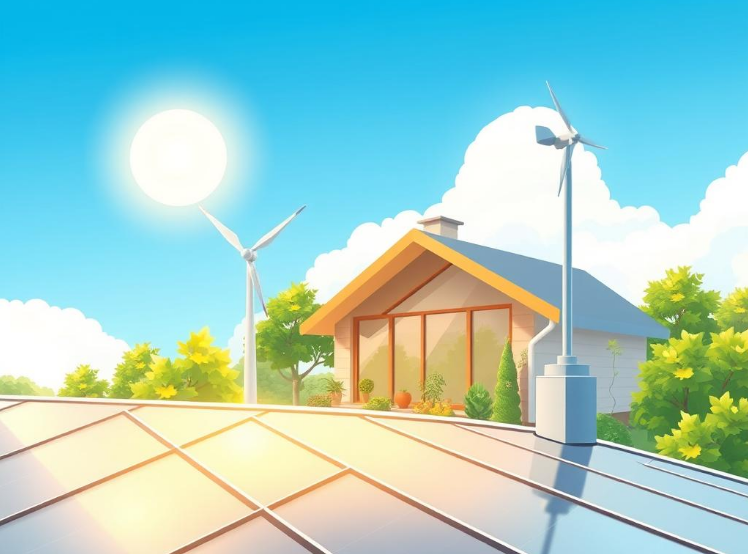

Did you know that the average American household consumes 10,715 kilowatt-hours of electricity annually, with nearly 60% of that energy potentially wasted through inefficient consumption? This startling statistic underscores the critical need for sustainable energy solutions that transform how we power our homes and businesses.
Responsible energy consumption solutions are no longer optional—they’re essential for environmental preservation and economic stability. As energy demands continue to rise, innovative eco-friendly power solutions provide a pathway to reduce carbon footprints while simultaneously cutting utility costs.
The United States stands at a crucial turning point. Transitioning to sustainable energy isn’t just about adopting renewable technologies—it’s about reimagining our relationship with energy. From solar and wind power to smart home technologies, individuals and communities now have unprecedented opportunities to create meaningful change.
This comprehensive guide explores practical and accessible strategies for implementing sustainable energy solutions. By understanding and embracing these technologies, Americans can contribute to a more resilient, efficient, and environmentally conscious energy landscape.
The Growing Need for Sustainable Energy in Modern Society
The United States stands at a critical juncture in energy consumption. Current trends reveal an urgent demand for clean energy technologies that can address mounting environmental challenges. Renewable energy systems are no longer optional but essential for sustainable development.
Our national energy landscape faces unprecedented pressure from traditional power generation methods. The carbon footprint reduction imperative has become increasingly clear as we confront the environmental consequences of fossil fuel dependency.
Environmental Impact of Traditional Energy Sources
Fossil fuel-based energy production creates significant ecological challenges:
- Generates substantial greenhouse gas emissions
- Contributes to air and water pollution
- Accelerates climate change dynamics
- Disrupts natural ecosystem balance
Coal, natural gas, and petroleum-based energy sources release massive amounts of carbon dioxide, trapping heat in our atmosphere and intensifying global warming risks.
Economic Benefits of Transitioning to Clean Energy
Investing in renewable energy offers compelling economic advantages:
- Creates sustainable job opportunities
- Stabilizes long-term energy pricing
- Reduces dependence on imported fossil fuels
- Generates potential cost savings for consumers
By embracing innovative clean energy technologies, communities can simultaneously address environmental concerns and unlock economic potential.
Understanding Responsible Energy Consumption Solutions
Responsible energy consumption is a comprehensive approach to managing our energy resources wisely. It goes beyond simply switching to renewable sources, encompassing a holistic strategy of reducing, optimizing, and generating energy more efficiently.
Energy conservation strategies play a crucial role in this approach. These strategies focus on two key aspects:
- Energy Efficiency: Doing more with less energy by using advanced technologies and smart systems
- Energy Conservation: Reducing overall energy consumption through conscious behavioral changes
Smart energy management involves understanding the energy hierarchy: first reduce unnecessary energy use, then optimize existing systems, and finally generate clean energy. This framework helps individuals and businesses minimize their energy footprint effectively.
Practical approaches to energy efficiency include:
- Installing smart home technologies
- Using energy-efficient appliances
- Implementing intelligent climate control systems
- Monitoring real-time energy consumption
By adopting these responsible energy consumption solutions, we can significantly reduce our environmental impact while creating more sustainable and cost-effective energy usage patterns.
Solar Power: Harnessing the Sun for Sustainable Living
Solar energy represents a powerful green energy alternative for residential renewable energy solutions. As technology advances, homeowners increasingly recognize the potential of photovoltaic systems to transform their energy consumption and reduce environmental impact.
Modern solar technologies have dramatically improved, making energy cost savings more achievable than ever before. Photovoltaic systems now offer unprecedented efficiency and accessibility for American households.
Residential Solar Panel Systems
Installing solar panels at home involves several critical components:
- Photovoltaic panels
- Solar inverters
- Mounting equipment
- Electrical connection systems
The investment in residential solar can yield significant long-term benefits. Homeowners can expect substantial energy savings and potential revenue through net metering programs.
| Solar System Size | Average Annual Energy Production | Estimated Cost Savings |
|---|---|---|
| 5 kW System | 6,000 kWh | $900-$1,200 |
| 10 kW System | 12,000 kWh | $1,800-$2,400 |
Community Solar Programs and Shared Energy Models
Not every homeowner can install rooftop solar panels. Community solar programs provide an innovative solution for renters and those with unsuitable property conditions.
Community solar gardens allow multiple participants to benefit from a shared solar installation, receiving utility bill credits proportional to their subscription.
- Accessible to renters
- No individual installation required
- Flexible participation options
- Supports local renewable energy development
States like Minnesota, Colorado, and New York have successfully implemented community solar programs, demonstrating the scalability of shared renewable energy models.
Wind Energy Technologies for Homes and Businesses
Wind energy represents a powerful cornerstone of sustainable energy solutions for both residential and commercial applications. Renewable energy systems have transformed how we think about power generation, with wind turbines offering an innovative approach to clean electricity production.
Small wind turbines provide an exciting opportunity for homeowners seeking commercial energy solutions. These systems typically range from 400 watts to 100 kilowatts, designed to supplement household energy needs. Key considerations for residential wind power include:
- Average wind speeds of at least 10 mph
- Appropriate tower height
- Local zoning regulations
- Property landscape and wind patterns
For businesses and agricultural operations, larger wind turbine installations can dramatically reduce operational energy costs. Strategic placement and wind resource assessment become critical factors in maximizing renewable energy potential.
| Wind Turbine Type | Power Output | Best Suited For |
|---|---|---|
| Residential Turbines | 400-10,000 watts | Individual Homes |
| Agricultural Turbines | 10-100 kilowatts | Farms and Rural Properties |
| Commercial Turbines | 100+ kilowatts | Industrial Facilities |
Hybrid systems combining wind and solar technologies offer an advanced approach to renewable energy generation. These integrated solutions ensure consistent power production across varying weather conditions, maximizing sustainable energy potential for homes and businesses alike.
Energy-Efficient Smart Home Technologies
Smart energy management has transformed how homeowners approach energy efficiency. Modern technology now enables unprecedented control over household energy consumption, making smart home technologies a game-changer in energy conservation strategies.
The rise of intelligent home devices has revolutionized our approach to energy consumption. These innovative technologies provide real-time monitoring and automated control, helping households reduce energy waste and optimize their overall energy efficiency.
Smart Thermostats and Automated Climate Control
Smart thermostats like Nest and Ecobee have become crucial tools in energy conservation strategies. These intelligent devices offer remarkable benefits:
- Learn household temperature preferences
- Automatically adjust heating and cooling
- Reduce energy costs by 10-23%
- Integrate with smartphone apps for remote control
Geofencing technology allows these devices to detect when residents are home or away, automatically adjusting temperatures to maximize energy efficiency.
LED Lighting and Energy Monitoring Systems
LED lighting represents another critical component of smart energy management. These advanced lighting solutions provide significant advantages:
| LED Lighting Feature | Energy Savings |
|---|---|
| Energy Consumption | 75% less than incandescent bulbs |
| Lifespan | 25 times longer than traditional bulbs |
| Smart Control Options | Scheduling, dimming, automation |
Energy monitoring systems like Sense and Emporia provide detailed insights into household energy consumption. These tools track individual appliance usage, empowering homeowners to make informed decisions about their energy consumption.
Geothermal Heating and Cooling Systems
Geothermal heating and cooling systems represent a breakthrough in clean energy technologies for residential renewable energy. These innovative systems tap into the earth’s consistent underground temperature to provide exceptional energy efficiency for home climate control.
The core principle of geothermal technology involves utilizing the stable ground temperature beneath the surface. Underground loops circulate water or refrigerant to exchange heat, creating a sustainable approach to heating and cooling.
- Winter operation: Extracts heat from the ground and transfers it indoors
- Summer operation: Removes indoor heat and deposits it underground
- Efficiency range: 300-600% compared to traditional systems
Residential geothermal systems come in several configurations:
| System Type | Installation Requirements | Best Suited For |
|---|---|---|
| Closed-loop Horizontal | Large property area | Rural properties |
| Closed-loop Vertical | Limited ground space | Urban/suburban homes |
| Open-loop | Groundwater access | Properties near water sources |
Initial installation costs range from $15,000 to $30,000, with payback periods typically spanning 5-10 years. Federal tax credits and state incentives can significantly offset these expenses, making geothermal an attractive long-term investment in residential renewable energy.
Geothermal systems offer remarkable longevity: indoor components last 25+ years, while ground loops can function for 50+ years.
Property owners seeking sustainable, efficient home climate solutions will find geothermal heating and cooling systems an exceptional choice in clean energy technologies.
Battery Storage Solutions for Renewable Energy
Battery storage has emerged as a critical component of modern renewable energy systems. These innovative technologies bridge the gap between energy generation and consumption, offering homeowners unprecedented control over their power usage and energy cost savings.
Smart energy management begins with understanding how battery storage transforms renewable energy potential. Traditional solar and wind power generation often produces energy at times that don’t align with household consumption patterns.
Home Battery Systems and Grid Independence
Residential battery solutions provide multiple benefits for homeowners seeking energy independence:
- Backup power during electrical grid outages
- Maximizing self-generated solar energy consumption
- Reducing electricity costs through strategic energy storage
Popular home battery systems like the Tesla Powerwall and Generac PWRcell offer capacities ranging from 10 to 20 kilowatt-hours, enabling whole-home backup and resilient power solutions.
Electric Vehicle Integration with Home Energy
The future of renewable energy systems lies in seamless integration between electric vehicles and home energy infrastructure. Vehicle-to-home (V2H) technology represents a groundbreaking approach to energy management.
“Electric vehicles are no longer just transportation—they’re becoming mobile power stations that can support home energy needs.”
Bidirectional charging capabilities allow electric vehicles to serve as dynamic energy storage units, potentially powering homes during peak demand periods or unexpected power interruptions.
Behavioral Changes That Support Energy Conservation
Responsible energy consumption solutions extend far beyond technological upgrades. Personal habits play a crucial role in carbon footprint reduction. Small daily choices can significantly impact overall energy efficiency.
Effective energy conservation strategies start with mindful home management. Strategic adjustments to daily routines can deliver substantial energy savings without compromising comfort.
- Adjust thermostat settings (68°F in winter, 78°F in summer)
- Use ceiling fans to improve air circulation
- Close curtains during peak sunlight hours
- Run appliances with full loads only
- Unplug electronics when not in use
Water heating represents a significant energy expense. Reducing shower duration, using low-flow fixtures, and maintaining water heater temperatures around 120°F can generate meaningful savings.
| Behavior | Potential Energy Savings |
|---|---|
| Thermostat Adjustment | 5-10% |
| Unplugging Devices | 3-5% |
| Efficient Appliance Use | 4-7% |
Research indicates that conscientious behavioral changes can reduce household energy consumption by 5-20% without sacrificing personal comfort. Every small action contributes to a larger environmental impact.
Individual choices matter in the collective effort of energy conservation.
Government Incentives and Programs for Sustainable Energy Adoption
Navigating the world of sustainable energy solutions can be complex, but government incentives make residential renewable energy more accessible than ever before. The United States offers a range of financial programs designed to encourage homeowners and businesses to invest in clean energy technologies.
The federal government provides substantial support for those seeking to reduce their carbon footprint and achieve significant energy cost savings. These programs can dramatically lower the initial investment required for renewable energy installations.
Tax Credits and Rebates for Renewable Installations
Homeowners can benefit from several key financial incentives:
- Federal Investment Tax Credit (ITC) for solar energy systems
- Tax credits for geothermal heat pumps
- Incentives for small wind systems and battery storage
- State-level rebates and performance-based programs
“Investing in renewable energy has never been more financially attractive for American homeowners.” – Clean Energy Research Institute
Net Metering and Feed-in Tariff Programs
Innovative grid connection programs offer additional financial benefits for renewable energy producers. Net metering allows homeowners to receive credits for excess electricity generated by their solar panels, effectively reducing overall energy costs.
| Incentive Type | Potential Savings |
|---|---|
| Federal Solar Tax Credit | Up to 30% of installation costs |
| Net Metering | Potential annual savings of $300-$1,500 |
Tip: Check the Database of State Incentives for Renewables & Efficiency (DSIRE) to explore location-specific programs and maximize your sustainable energy investments.
Corporate Responsibility and Sustainable Energy Practices
Modern businesses are transforming their approach to energy consumption through innovative commercial energy solutions. Companies recognize that sustainable practices are no longer optional but critical for long-term success and environmental stewardship.
Leading corporations are implementing clean energy technologies to reduce their carbon footprint reduction strategies. These initiatives demonstrate a commitment to environmental responsibility while creating significant economic advantages.
- Renewable energy procurement through power purchase agreements
- On-site solar and wind energy installations
- Energy efficiency upgrades in corporate facilities
- Implementing advanced building management systems
Technology giants like Google, Microsoft, and Apple have set ambitious goals to achieve 100% renewable energy usage. Retail corporations such as Walmart are investing in extensive rooftop solar networks, showcasing how commercial energy solutions can drive meaningful environmental change.
The business benefits of sustainable energy extend beyond environmental impact. Companies implementing these strategies experience:
- Reduced operational costs
- Enhanced brand reputation
- Improved investor attractiveness
- Increased employee engagement
Corporate sustainability is no longer a trend but a fundamental business strategy. By embracing clean energy technologies, organizations can simultaneously address environmental challenges and create competitive advantages in an evolving global marketplace.
Conclusion
The journey toward responsible energy consumption solutions is more accessible than ever before. Sustainable energy solutions are no longer distant dreams but practical realities for American households and businesses. From solar panels to smart home technologies, green energy alternatives continue to evolve, offering innovative pathways to reduce environmental impact and optimize energy use.
Implementing sustainable energy strategies requires a holistic approach. Homeowners can start with simple steps like conducting energy audits, upgrading to energy-efficient appliances, and exploring renewable technology options. Government incentives and advancing technologies have significantly lowered barriers to entry, making responsible energy consumption solutions increasingly attainable for diverse households across different income levels and geographic regions.
Individual actions collectively drive significant change. By adopting sustainable energy solutions, Americans can simultaneously reduce utility costs, increase property values, and contribute to environmental preservation. The transition isn’t about perfection but consistent, meaningful progress toward reducing carbon emissions and creating a more sustainable future.
Our energy landscape is transforming. Embracing green energy alternatives represents a critical investment in our planet’s health and future generations’ well-being. Each decision to implement responsible energy consumption solutions brings us closer to a cleaner, more efficient, and environmentally conscious society.
FAQ
What are the primary benefits of switching to sustainable energy solutions?
Sustainable energy solutions offer multiple benefits, including reduced environmental impact, lower utility costs, increased energy independence, and long-term economic savings. They help decrease carbon emissions, create jobs in the renewable energy sector, and provide more stable energy prices compared to traditional fossil fuel-based systems.
How much does a residential solar panel system typically cost?
The cost of a residential solar panel system varies depending on system size and location, but typically ranges from $15,000 to $25,000 before federal tax credits and local incentives. With the federal Investment Tax Credit (ITC), homeowners can currently deduct 30% of installation costs, significantly reducing the overall investment.
Are geothermal heating and cooling systems suitable for all homes?
Geothermal systems work best for properties with sufficient land area and appropriate geological conditions. Factors like soil composition, available space, and local ground temperatures determine system feasibility. While not universal, many homes can benefit from geothermal technology, especially those with consistent ground temperatures and adequate property size for ground loops.
What is net metering, and how does it work?
Net metering is a billing mechanism that credits solar panel owners for the electricity they generate and feed back to the electric grid. When your solar system produces more electricity than you consume, the excess power runs your electric meter backward, creating a credit on your utility bill that can offset future energy consumption.
Can renters participate in sustainable energy solutions?
Yes, renters can still engage in sustainable energy practices through community solar programs, portable solar devices, energy-efficient appliances, and smart home technologies. Many utility companies now offer community solar subscriptions that allow renters to purchase solar credits without installing panels on their property.
How do smart thermostats contribute to energy conservation?
Smart thermostats like Nest and Ecobee help conserve energy by learning household patterns, automatically adjusting temperatures, and providing detailed energy consumption insights. They can reduce heating and cooling costs by 10-23% through features like geofencing, scheduling, and integration with smartphone apps for remote control.
What federal tax credits are available for renewable energy installations?
The federal government offers a 30% Investment Tax Credit (ITC) for solar panel installations, geothermal heat pumps, and battery storage systems when paired with renewable energy sources. These credits can significantly reduce the upfront costs of sustainable energy technologies and make them more financially accessible.
How effective are electric vehicles in supporting home energy systems?
Modern electric vehicles with bidirectional charging capabilities can serve as mobile battery storage, potentially powering homes during outages or peak pricing periods. This vehicle-to-home (V2H) technology represents an innovative integration of transportation and energy systems, offering additional flexibility in home energy management.
What behavioral changes can help reduce home energy consumption?
Simple behavioral changes like adjusting thermostat settings, using natural lighting, running full loads in dishwashers and washing machines, unplugging electronics, and using power strips can reduce household energy consumption by 5-20% without sacrificing comfort or convenience.
Are battery storage systems worth the investment?
Battery storage systems like the Tesla Powerwall provide multiple benefits, including energy independence, backup power during outages, and the ability to optimize energy usage during peak pricing times. While initial costs can be significant, falling prices, available incentives, and long-term savings make them increasingly attractive for homeowners with renewable energy systems.